
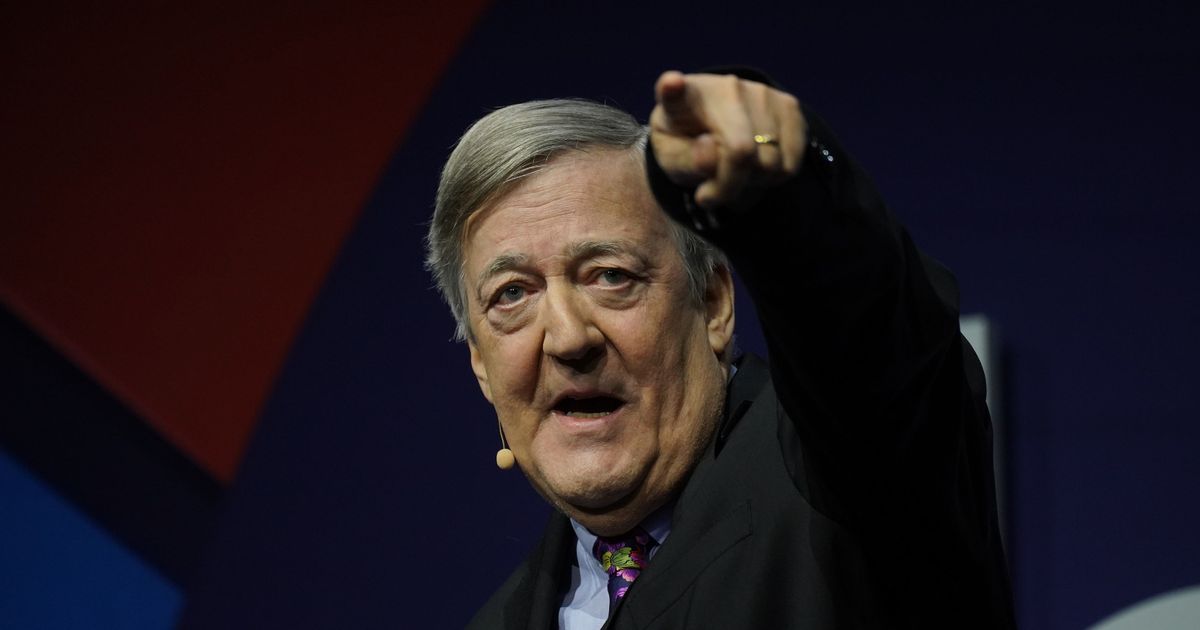
Writing for the Mirror, The Celebrity Traitors star – who has shared his own battle with bipolar disorder – calls for action on men’s mental health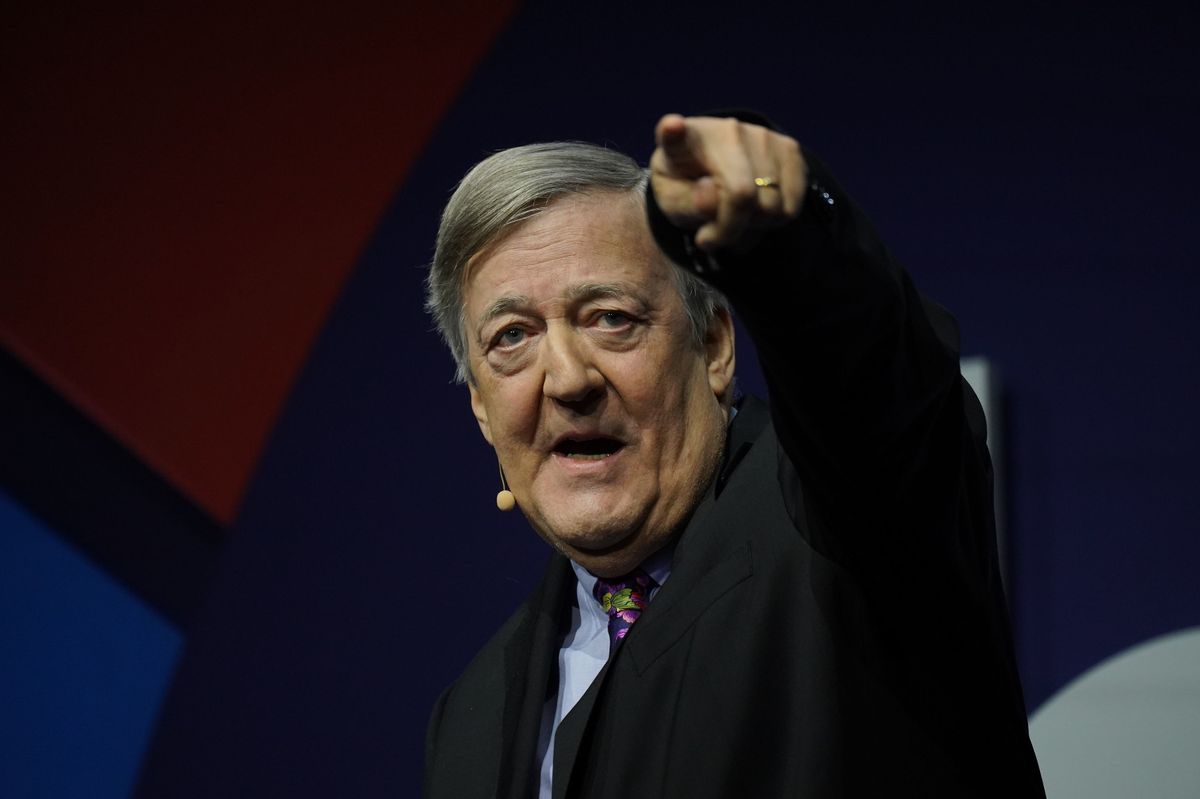 Sir Stephen welcomes the government’s newly-unveiled men’s health strategy but argues ‘recognition alone does not save lives'(Image: PA)
Stephen Fry today issues a powerful plea to tackle the men’s mental health “national emergency” – warning lives are at stake.
The Celebrity Traitors star, who has shared his own battle with bipolar disorder, calls for “strides” rather than just “steps”. In a hard-hitting piece for the Mirror, Sir Stephen welcomes the government’s newly-unveiled men’s health strategy but argues “recognition alone does not save lives”. The campaigning actor, 68, knighted for services to mental health awareness, highlights how suicide is the biggest killer of men under 50. “My own experiences with mental health issues have taught me that, for many, the thought of ending one’s life can become an almost daily companion – until the right support and treatment arrive,” he writes.
 Campaigning actor Sir Stephen, 68, was knighted for services to mental health awareness(Image: PA)
OPINION
Sir Stephen, president of the mental health charity Mind, adds: “Applause is not treatment. Warm words won’t catch someone as they fall. What is required now is action, investment, and a genuine transformation of our mental health services.”
It comes as the Mirror starts a three-part series looking into the issue of mental health. The government last month launched a plan to deal with the physical and mental health challenges faced by men and boys.
The government said it was “investing £3.6 million over the next 3 years in suicide prevention projects for middle-aged men in local communities across areas of England where men are at most risk of taking their own lives, including some of the most deprived areas in the country”. This was said to be on top of expanding school mental health teams so an extra 900,000 pupils can access support by April 2026.
 About one in six men in England (15.4%) suffered from a common mental health condition in 2023-4, NHS survey data shows(Image: © 2025 PA Media, All Rights Reserved)
But Sir Stephen argues: “Real change demands sustained and serious investment. We welcome the government’s aims, but far more must be done to make sure it meets the scale of need. “It means training more therapists, opening more counselling services, and ensuring help is available in every community. It means creating spaces where men feel comfortable asking for help — services designed together with the communities they’re meant to serve, not imposed from above.”
Sir Stephen – whose movie credits include Wilde, Gosford Park and two Hobbit films – even makes reference to his recent appearance on BBC hit show, The Celebrity Traitors. The comedian and writer explains: “…what struck me was watching a group of strangers – many of them men – quickly form genuine bonds and actively support each other. There was real camaraderie and a willingness to be publicly vulnerable with one another in ways that might have seemed impossible at the start. It didn’t require complicated interventions or special training – just people given the space and permission to connect. It reminded me that men do open up and connect deeply when we create environments where it feels safe to do so.”
About one in six men in England (15.4%) suffered from a common mental health condition, such as depression or OCD, in 2023-4, NHS survey data shows. Though the figure is higher for women (24.2%), when it comes to suicide men are much more likely to kill themselves. The charity Samaritans warns: “Social expectations placed on men mean that they may be less likely to disclose or seek help for suicidal thoughts or behaviours, compared to women.”
In 2013, Sir Stephen revealed he attempted suicide the year before while filming abroad. The former QI host earlier made a two-part BBC documentary, “Stephen Fry: The Secret Life of the Manic Depressive”, which aired in 2006. In 1995, Sir Stephen also attempted suicide after walking out of a West End play he was in.
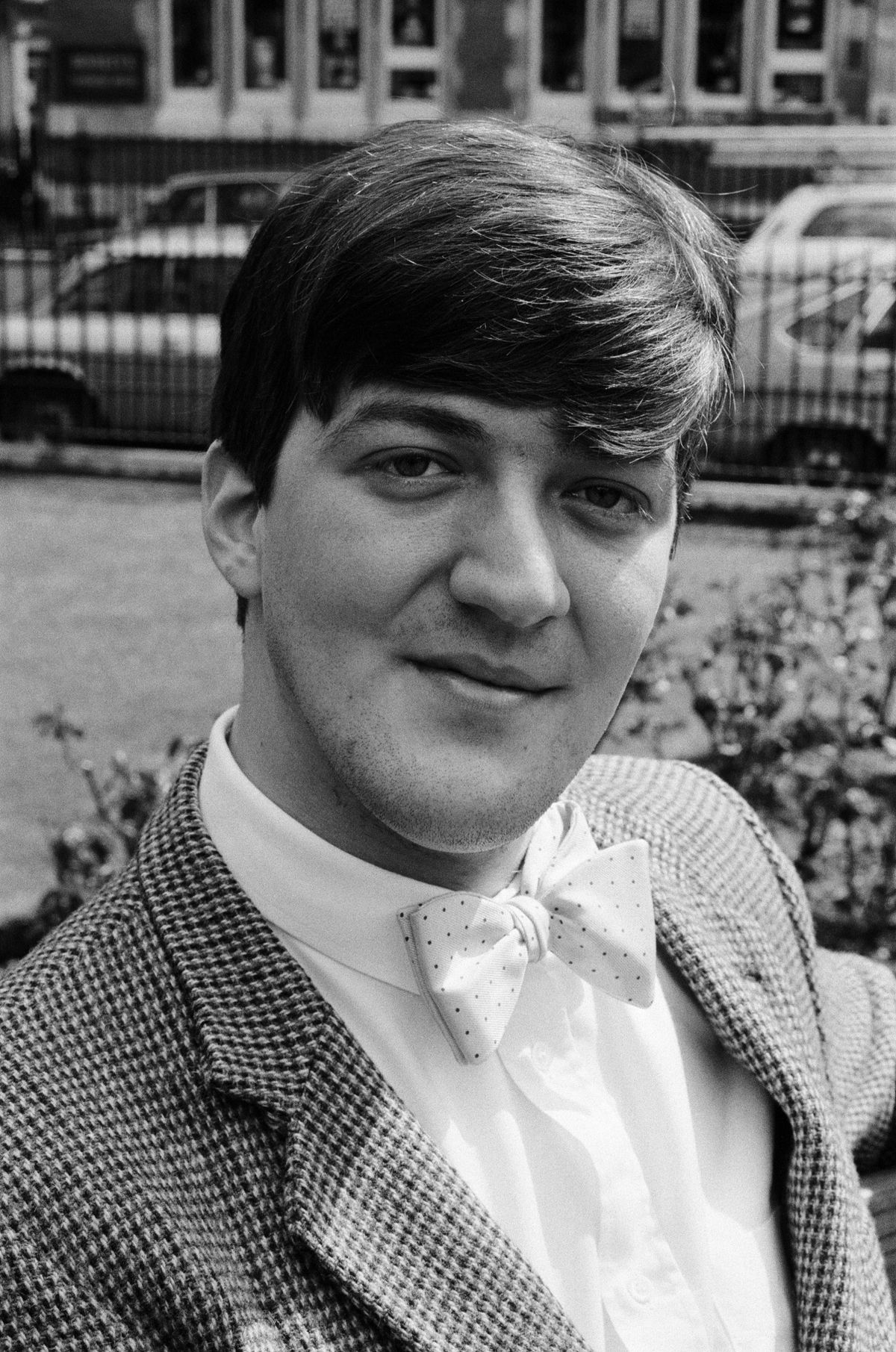 In 1995, Sir Stephen (pictured in 1983) attempted suicide after walking out of a West End play he was in(Image: Mirrorpix)
In his piece, Sir Stephen adds: “We can no longer afford to treat mental health as a secondary concern, to be addressed once everything else is in order. Data consistently shows that suicide is the leading cause of death among men under 50 in the UK. It is not a niche issue – it’s a national emergency. The government has taken a step forward, and that deserves recognition — but steps, however well-intentioned, will not suffice. We need strides: strides that turn words into action, promises into properly funded services. The moment for action is now. Lives depend on it.”
The Office for National Statistics notes: “There were 6,190 suicides registered in England and Wales (11.4 suicide deaths registered per 100,000 people) in 2024; a similar rate to 2023, with 11.3 suicide deaths registered per 100,000 people.” It adds: “For males, the suicide rate in England and Wales remained relatively unchanged in 2024 at 17.6 suicide deaths registered per 100,000 people, compared with 17.4 suicide deaths registered per 100,000 people in 2023; the suicide rate remained stable for females at 5.7 suicide deaths registered per 100,000 people in 2024 and in 2023.”
A Department of Health and Social Care spokesperson said: “The first ever Men’s Health Strategy is a turning point in how we approach men’s mental health, and is backed by an investment of £3.6 million over the next few years in suicide prevention projects. We know there is more to do but we’re working at pace to transform mental health services, investing £688 million in additional funding this year, hiring 8,500 more mental health workers and expanding NHS Talking therapies. Patients with severe mental illness will additionally be better protected, thanks to landmark reforms to the Mental Health Act, which will empower patients to take charge of their care, allow NHS staff to provide more personalised care and help to tackle racial disparities in treatment.”
The Samaritans operate a free 24/7 helpline on 116 123. To give to Mind’s Christmas appeal visit: mind.org.uk/donate/