
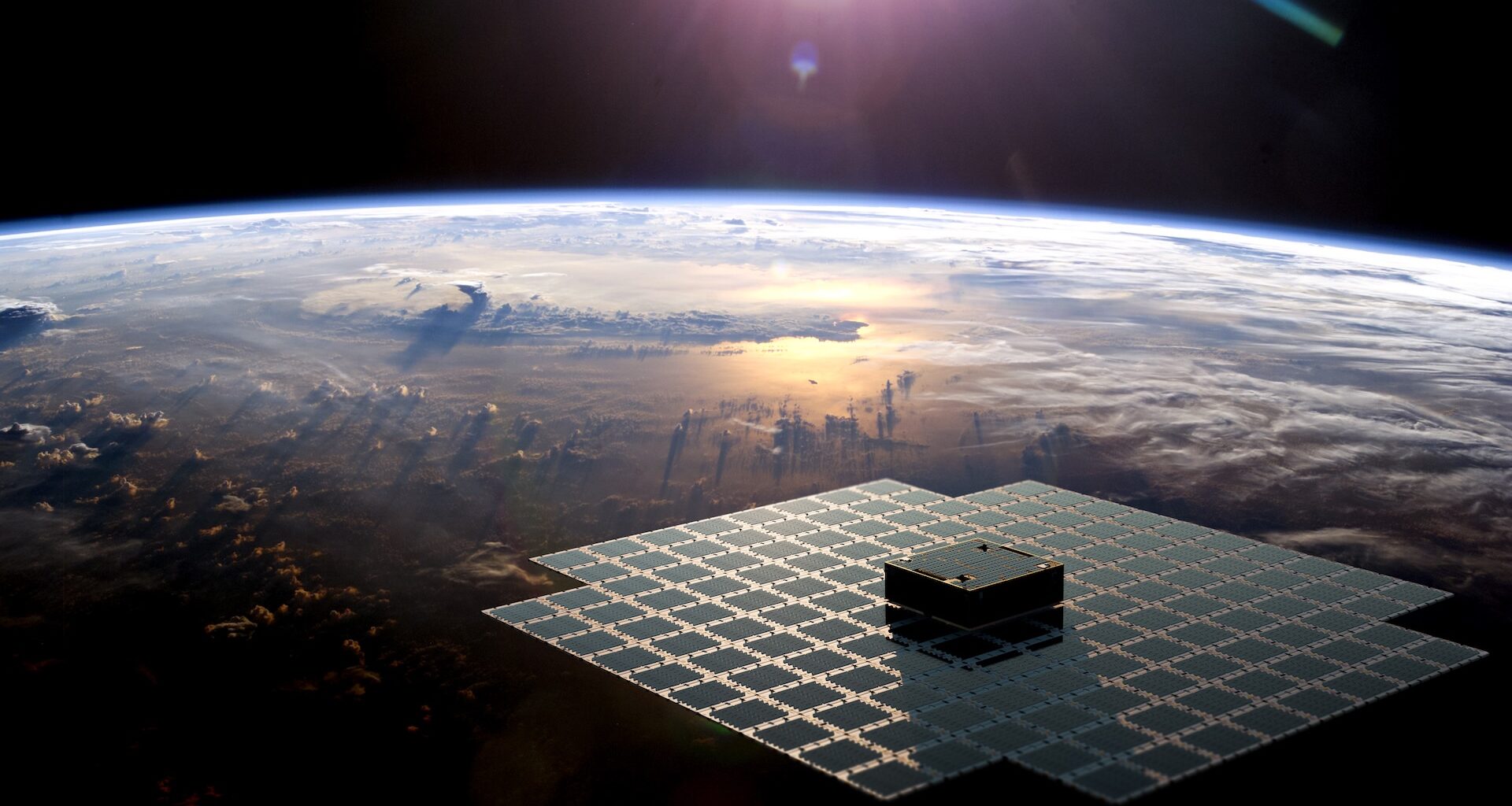
Texas firm AST SpaceMobile has successfully launched its BlueBird 6 satellite. The company is known for building large arrays, and this one is no different. The next-generation satellite is roughly three times the size of its predecessors, making it the largest commercial satellite currently in Earth’s orbit.
BlueBird 6 took off aboard India’s LVM3 rocket on December 23 from the Satish Dhawan Space Center. With its next-generation constellation, AST SpaceMobile aims to rival SpaceX by creating the first space-based cellular broadband network for smartphone coverage. BlueBird 6 is the first of this new generation of satellites to reach space.
AST’s ‘cellphone towers in space’
AST SpaceMobile launched BlueWalker 3, its first satellite, in September 2022. The large array was designed to test its orbital “cellphone towers” technology. In 2023, the company reached an impressive milestone, conducting the first 5G phone call from space using BlueWalker 3.
Since then, AST SpaceMobile has launched six BlueBird satellites, including the latest launch in December. BlueBird 6 is the largest to date. BlueBird is designed to support 10 gigahertz of bandwidth and speeds of 120 megabytes per second for a mobile device.
According to a Gizmodo report, BlueBird 1’s array is the size of a tennis court, measuring 693 square feet (about 64 square meters). Once the array was fully unfurled, the satellite’s brightness increased by roughly 2 magnitudes, making it outshine most objects in the night sky.
Now, BlueBird 6 is roughly three times larger. With its array unfurled, it will measure 2,400 square feet (223 square meters), making it the largest satellite in space.
Concerns over AST SpaceMobile’s satellites
2026 is set to be a big year for AST SpaceMobile. The company reportedly plans to launch 45-60 more satellites by the end of the upcoming year. That will allow it to offer 5G data across the US, as well as some other regions.
That doesn’t come close to SpaceX’s staggering Starlink constellation, which currently has more than 9,000 satellites in orbit. However, AST’s satellites are much larger, allowing a single satellite to provide more coverage.
Astronomers have flagged the size of AST’s satellite arrays as an issue. Ever since SpaceX started lifting thousands of Starlink satellites into orbit in 2019, scientists have decried the bright satellites’ impact on astronomical observations.
In a 2022 interview with IE, University of Regina astronomer Dr. Samantha Lawler said we are “right on the edge” of a destructive scenario known as Kessler Syndrome.
If this happens, it would feel like we were “inside a snow globe within a couple of hours of sunrise or sunset,” and any efforts to fix the problem would be comparable to “collecting bullets.” NASA, meanwhile, has previously warned that satellites could impede its ability to detect potentially hazardous asteroids headed toward Earth.