
Mr James explained that anal cancer was “extremely rare” but cases were increasing.
Symptoms include bleeding from the anus, persistent itching, pain or discomfort, and lumps or swelling.
“Currently there is no screening process, only a few guidelines,” Mr James said.
“I tend to see patients who have been referred because they have shown symptoms, have had haemorrhoid surgery or are an at-risk patient.”
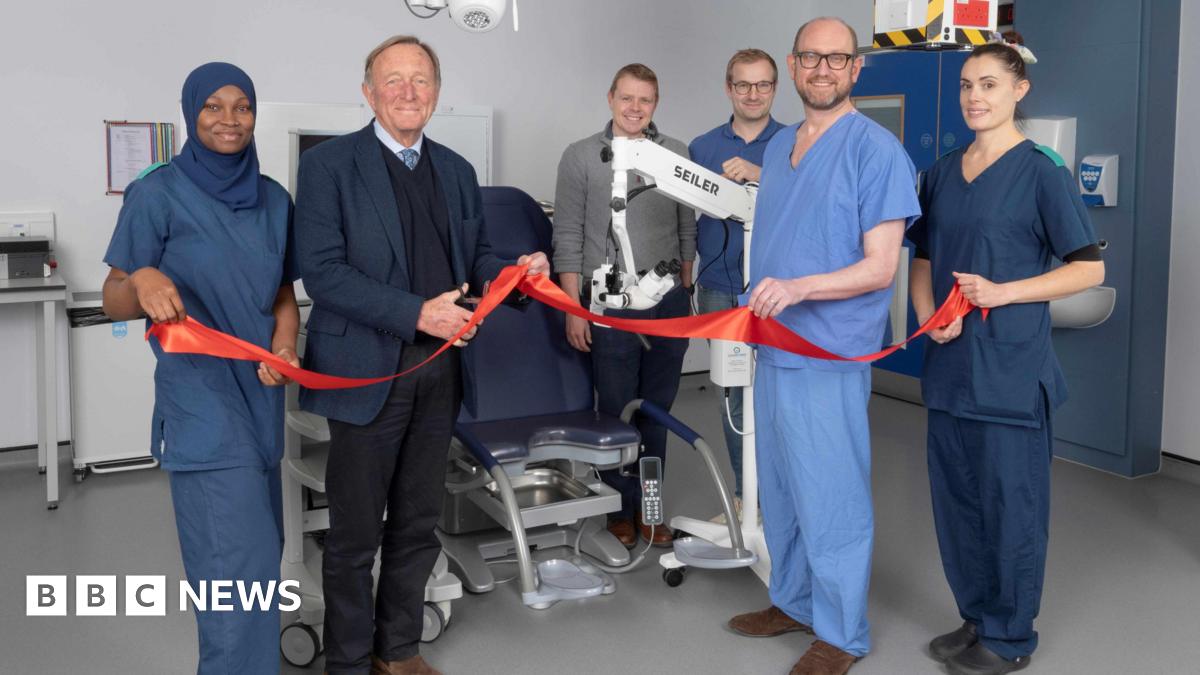
He added: “Patients can access appointments closer to home in a more comfortable and time-effective outpatient setting, which will ultimately improve the healthcare experience and outcomes for our patients.”
Prof Sir Neil Mortensen, chair of Occtopus, said the charity was proud to fund the equipment.
He said it meant patients across the Oxford would receive “world class care closer to home”, placing the city as “a leader in colorectal healthcare”.
“We are proud to support OUH in expanding this important service and to assist in the positive impact it has on local patients,” he added.