
Freezing rain and icy sidewalks sent several Montrealers to already overcrowded emergency rooms Monday morning, worsening pressure on a health-care system grappling with a severe flu season.
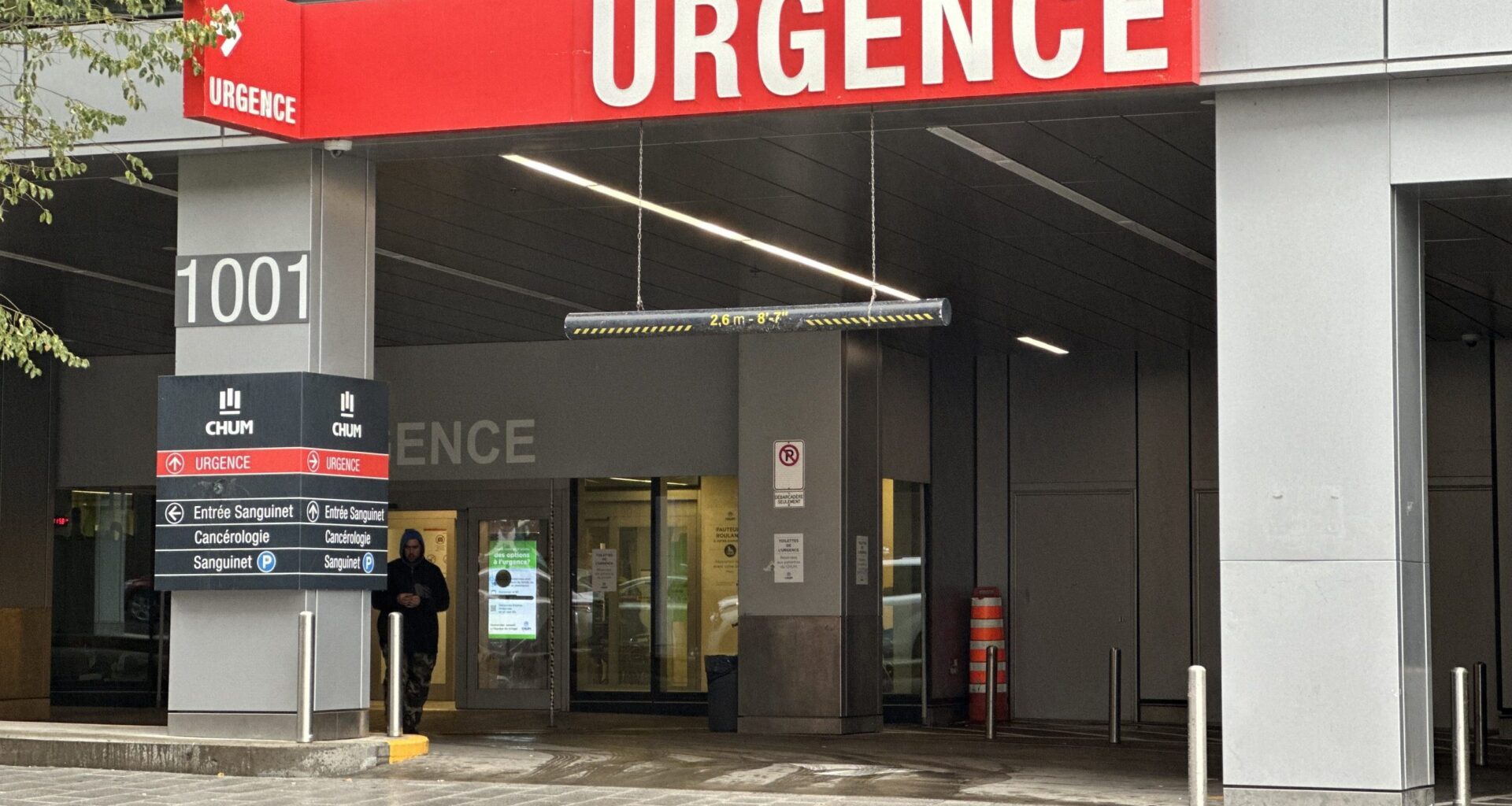
At least seven people with fractures and concussions were treated at the Centre hospitalier de l’Université de Montréal (CHUM) downtown after slipping on icy surfaces. By Monday afternoon, CHUM’s emergency room was packed with 159 patients, and those on stretchers were waiting an average of nearly 17 hours.
“It’s certain that today, with the outside temperature, we have a lot of falls, a lot of calls to our pre-hospital emergency services, particularly with Urgences-Santé in the Montreal-Laval region. We are all looking together to see how we can deal with this situation,” commented Véronique Wilson, Director General of Coordination, Access, Integrated Emergency and Frontline Services at Santé Québec, in an interview.
“This is a situation that occurs during the winter season, and also during flu season. We have prepared to deal with this situation, but it explains why our rates are higher than usual for emergencies, but we are currently under control,” she adds.
The spike in injuries comes as influenza cases continue to rise sharply across Quebec. According to the Institut national de santé publique du Québec, flu infections have already surpassed last year’s peak. For the week ending Dec. 20, more than 6,100 cases were reported province-wide, compared with fewer than 500 during the same period last year.
MUHC told CityNews in a statement:
“The early start of winter and a particularly virulent flu virus have contributed to an increase in emergency room visits this year. However, the situation has not changed with the recent shift in weather. It remains important for people to adapt their activities to the temperature.
“Each year, close to 50 per cent of emergency room visits are for non-urgent problems, which adds pressure to emergency services and can delay care for patients with more serious conditions. Taking the time to evaluate how urgent your health concern is helps ensure everyone receives the right care at the right time. People are encouraged to call Info-Santé at 8-1-1 or to consult their doctor, local network clinic or pharmacist. For urgent healthcare needs, emergency departments remain available, though wait times may vary depending on occupancy levels and patient condition, with the most serious cases seen first.”
Due to holiday gatherings, which are conducive to the transmission of respiratory viruses, Quebec Health anticipates an increase in emergency room visits. “We believe it will continue to rise over the next few days, and we hope that we will soon reach the peak of the flu, and then that it will subside afterward,” says Wilson.
Hospitals across the city reported severe overcrowding. The Royal Victoria Hospital was operating at more than double its capacity, with stretcher patients waiting over 25 hours on average.
“We also have good results in this area regarding referrals. 37 per cent of people who call 8-1-1 will have their concerns addressed through self-care advice at home. 30 per cent are referred to medical clinics, and only one in six calls to Info-Santé will be directed to our emergency room. So, it’s really worth calling Info-Santé if you have health concerns to get the right guidance and avoid the emergency room whenever possible,” says Wilson.
While pediatric emergency rooms were less strained, health officials note that seniors and young people aged five to 19 remain among the most vulnerable groups this flu season. Province-wide, emergency room occupancy stood at 128 per cent Monday morning, with officials warning conditions could worsen as flu season reaches its peak.
—With files from The Canadian Press