
Sci-fi TV shows are some of the most difficult to create, especially when many aren’t given the time and space they need to succeed with audiences. As a genre, science fiction is often one of the most challenging to tackle, even with a massive budget behind it. Sci-fi demands far more than visual spectacle or futuristic concepts to work well.
The genre as a whole requires a careful sense of worldbuilding, internal logic, and storytelling discipline. Without those elements working in harmony, even the most ambitious premise can feel hollow or unsustainable over the course of a season, let alone a show’s lifetime. At their best, sci-fi TV shows ground fantastical ideas in emotionally believable characters, with both sides of the coin working in harmony.
Viewers can accept alien invasions, time loops, or dystopian futures if the people experiencing those events feel authentic, real, and developed. Strong performances, relatable motivations, and consistent character arcs help anchor high-concept storytelling. When that balance is achieved, sci-fi TV can explore big ideas about identity, society, and humanity in ways few other genres can match, transcending through the fantastical elements.
However, many sci-fi shows struggle not because of their big ideas, but because of external pressures. High production costs often lead to heightened expectations for immediate success, leaving little room for gradual audience growth. Scheduling issues, inconsistent episode orders, limited marketing, or network issues can all undercut a show’s ability to find its footing, even when the creative foundation is strong.
Serialized storytelling adds another layer of risk to shows in the genre. Sci-fi series frequently rely on long-term arcs that take time to pay off, meaning early episodes may feel deliberately restrained or mysterious to viewers. While that approach can reward patient audiences, it can clash with network demands for fast engagement or streaming metrics that prioritize instant completion over slow-burn narratives.
As a result, many sci-fi shows with compelling worlds, strong casts, and ambitious themes are canceled long before they have the chance to fully evolve. These series often show clear signs of potential, but circumstances beyond creative quality determine their fate. In the world of TV, even promising science-fiction stories don’t always get the time they need to become truly great.
10
Defying Gravity
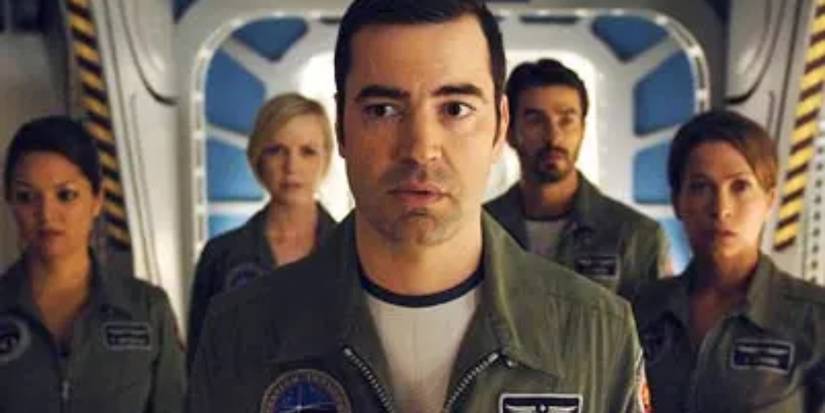
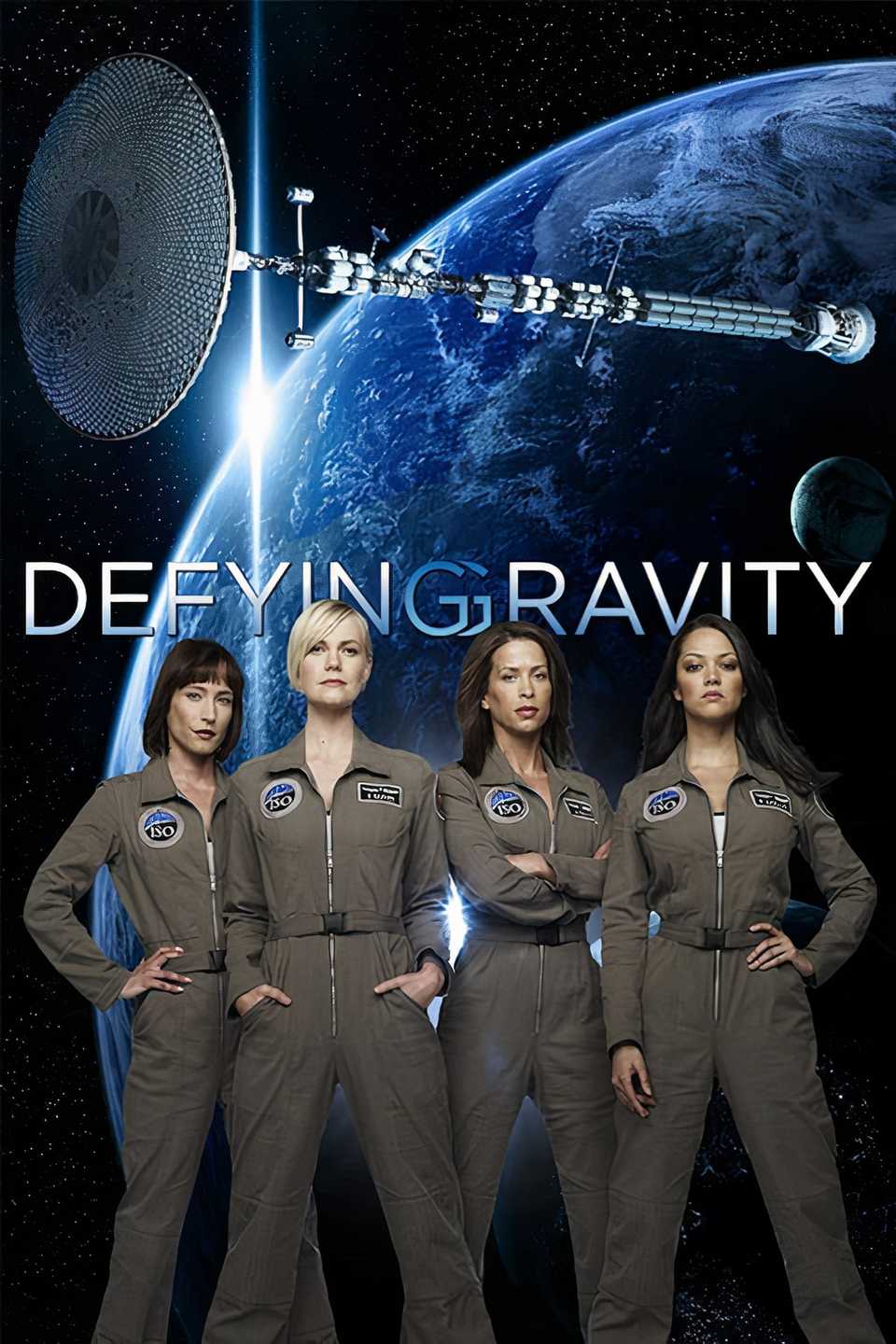
ABC’s 2009 sci-fi drama, Defying Gravity, followed an international crew of astronauts on a long-term mission through the solar system. Pulling inspiration from real space exploration concepts, the series focused heavily on character relationships, billing itself as the Grey’s Anatomy of space. While the show’s concept didn’t entirely work for the moment, Defying Gravity was built to build slowly.
The series hoped to look at the relationships, politics, and psychological toll of deep-space travel rather than the actual spectacle of space. Despite its strong production value and grounded story, the show struggled with consistent scheduling and low ratings, so it wasn’t shocking when Defying Gravity was canceled. Still, the series had the potential to be great.
Release Date
2009 – 2009-00-00
Directors
Peter Howitt, Sturla Gunnarsson, David Straiton, Fred Gerber, Jeff Woolnough
Writers
James D. Parriott, Chris Provenzano


9
Almost Human
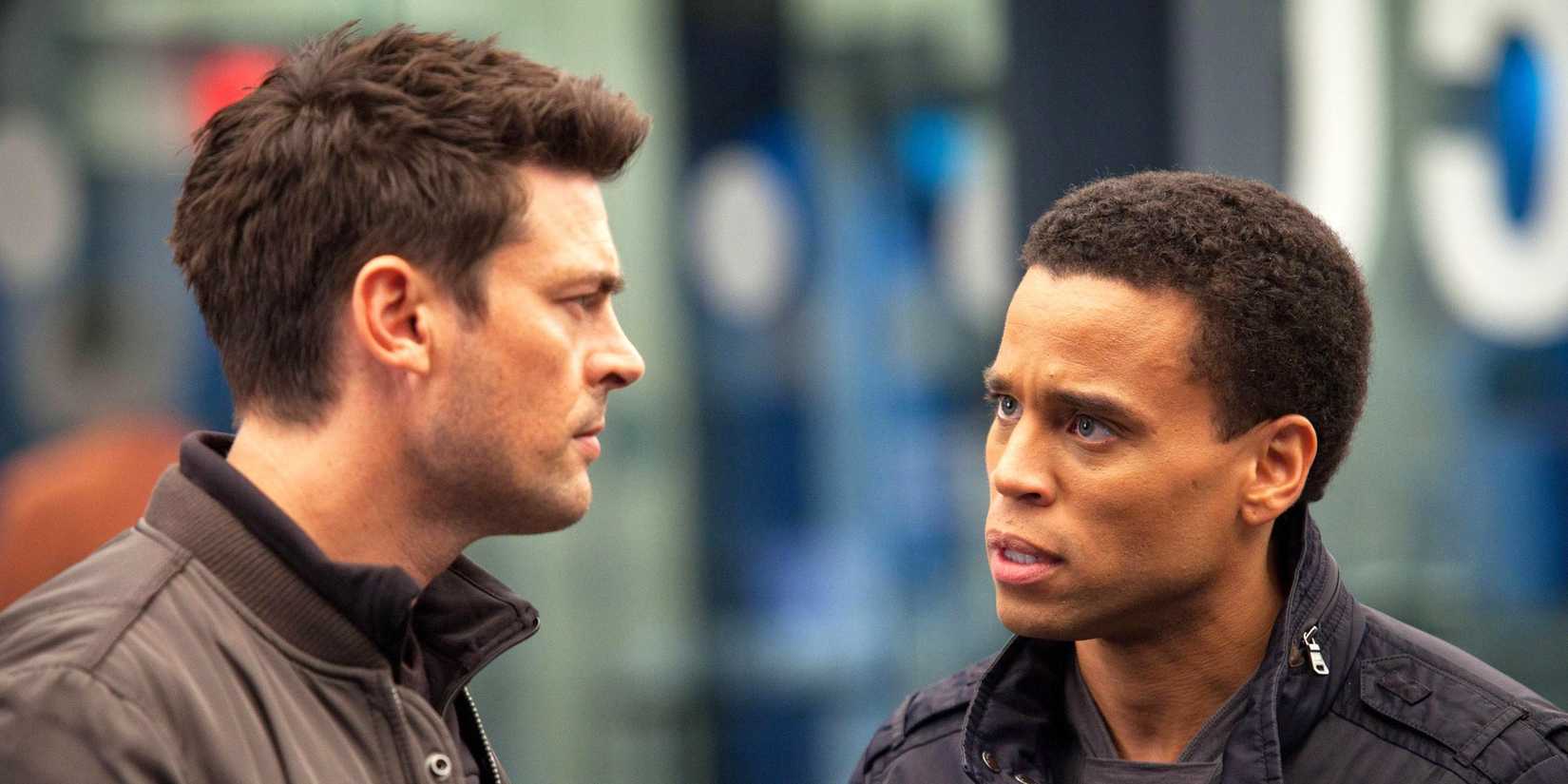
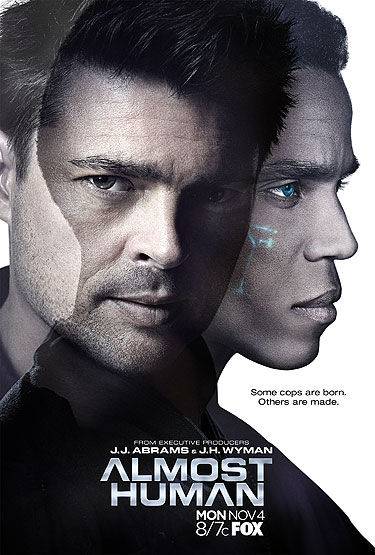
The TV show Almost Human
Fox’s Almost Human, which ran for one season in 2013, is set in a near future where human police officers are partnered with advanced human androids to work more effectively. Starring Karl Urban and Michael Elay, the show blended police procedural storytelling with philosophical sci-fi themes about artificial intelligence, identity, and free will.
Finding a dedicated fanbase quickly, Almost Human struggled to find its footing on the network. The show’s episodes aired out of order, which meant its ratings never stabilized. Despite its strong central performances and world-building, it was canceled after a single season.
Release Date
2013 – 2014-00-00
Showrunner
J.H. Wyman
Directors
Joe Begos
Writers
Justin Doble, Cheo Hodari Coker, J. H. Wyman
8
The Expanse
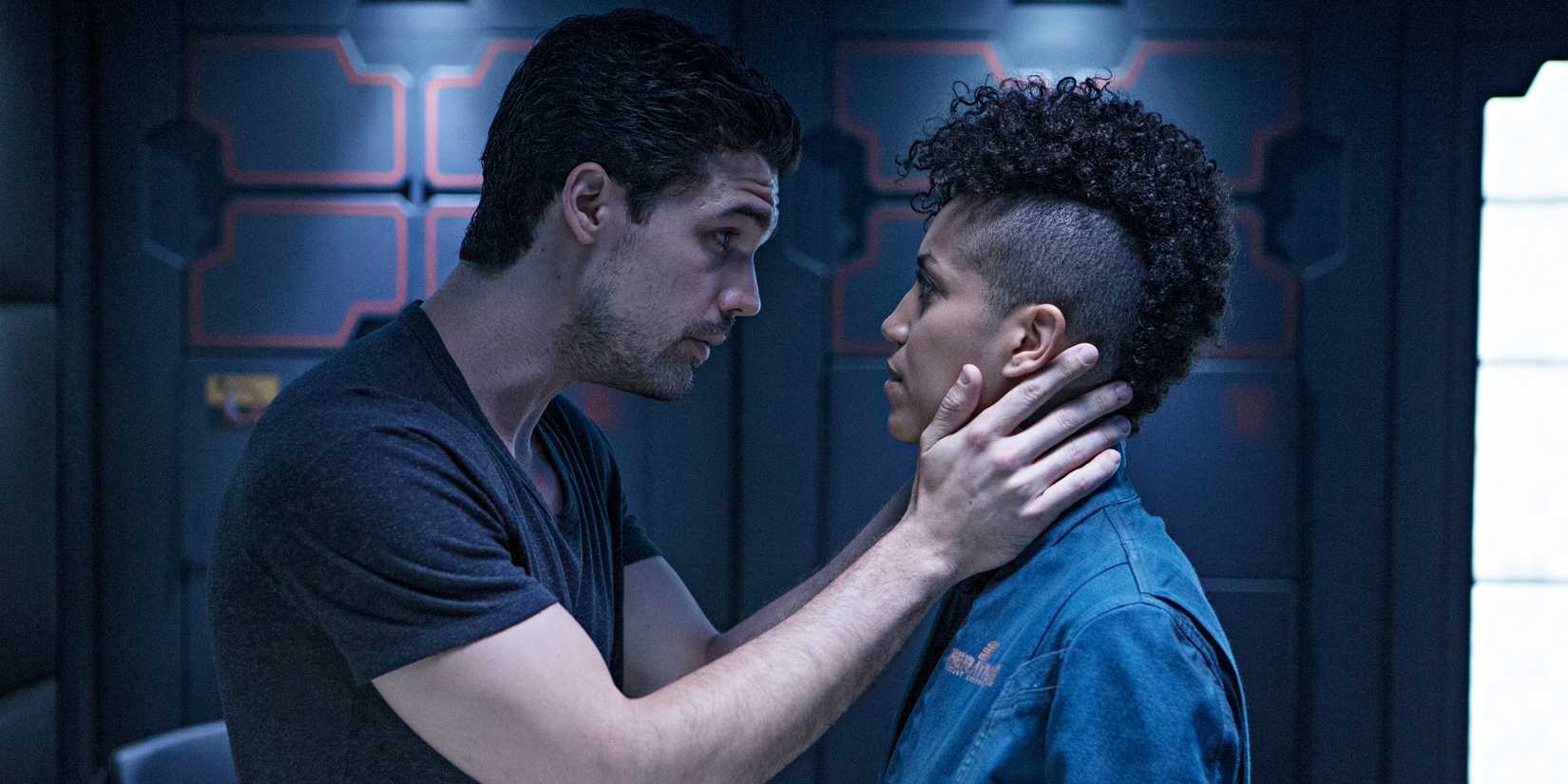
Steven Strait and Dominique Tipper in The Expanse
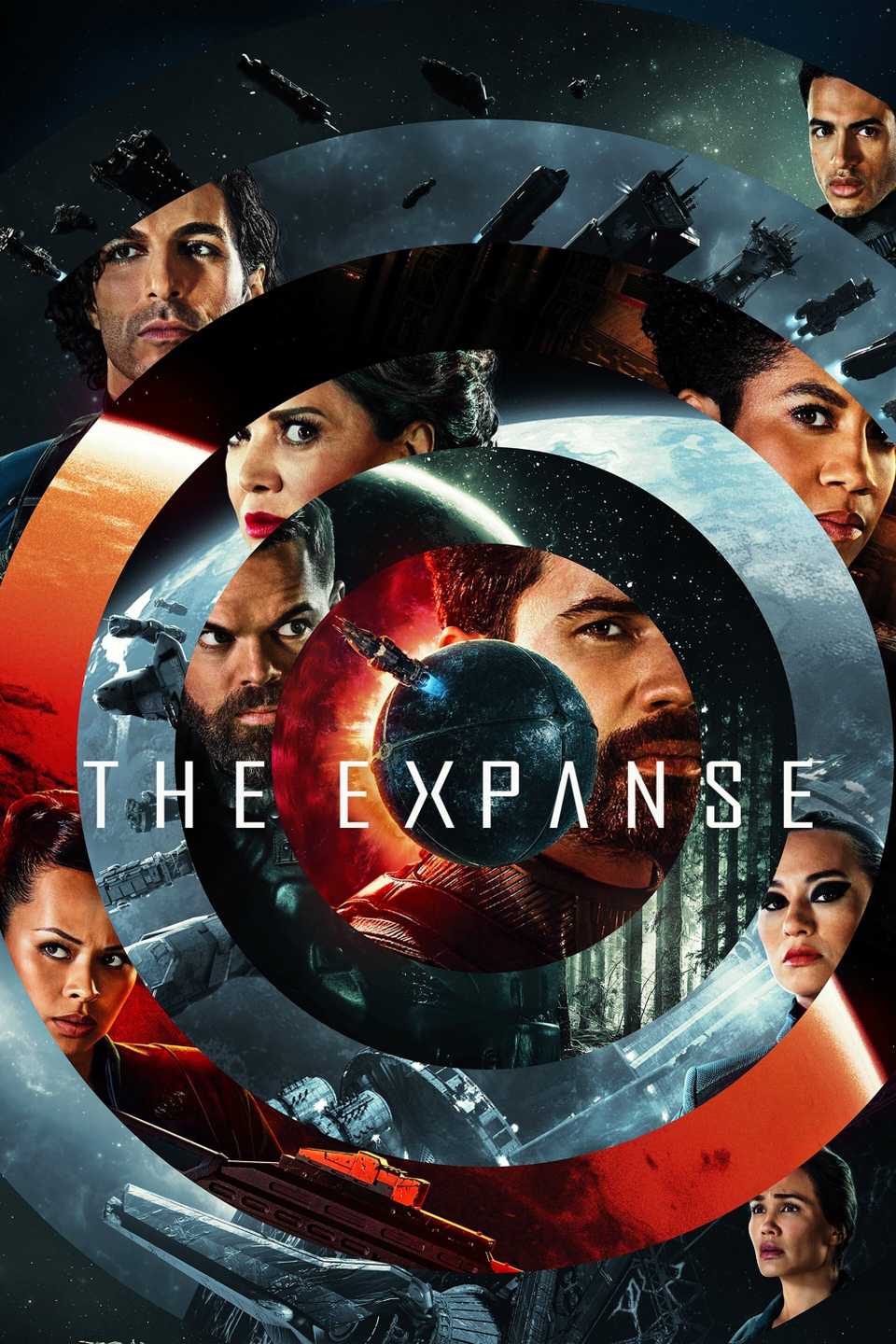
Premiering on Syfy in 2015, The Expanse is set in a future where humanity has colonized the solar system, creating political tension between Earth, Mars, and an area called the Belt. With realistic science and complex worldbuilding, The Expanse featured morally gray characters that gained the show critical acclaim.
Unfortunately, The Expanse struggled with finding its audience on cable. While the show was able to run for three seasons on Syfy, it was ultimately canceled due to low ratings. The show was revived on Prime Video for another three seasons, allowing it to find a more natural conclusion, but the show’s original run was proof that a strong premise alone can’t keep a show going.
Release Date
2015 – 2022-00-00
Showrunner
Naren Shankar, Mark Fergus, Hawk Ostby
7
FlashForward
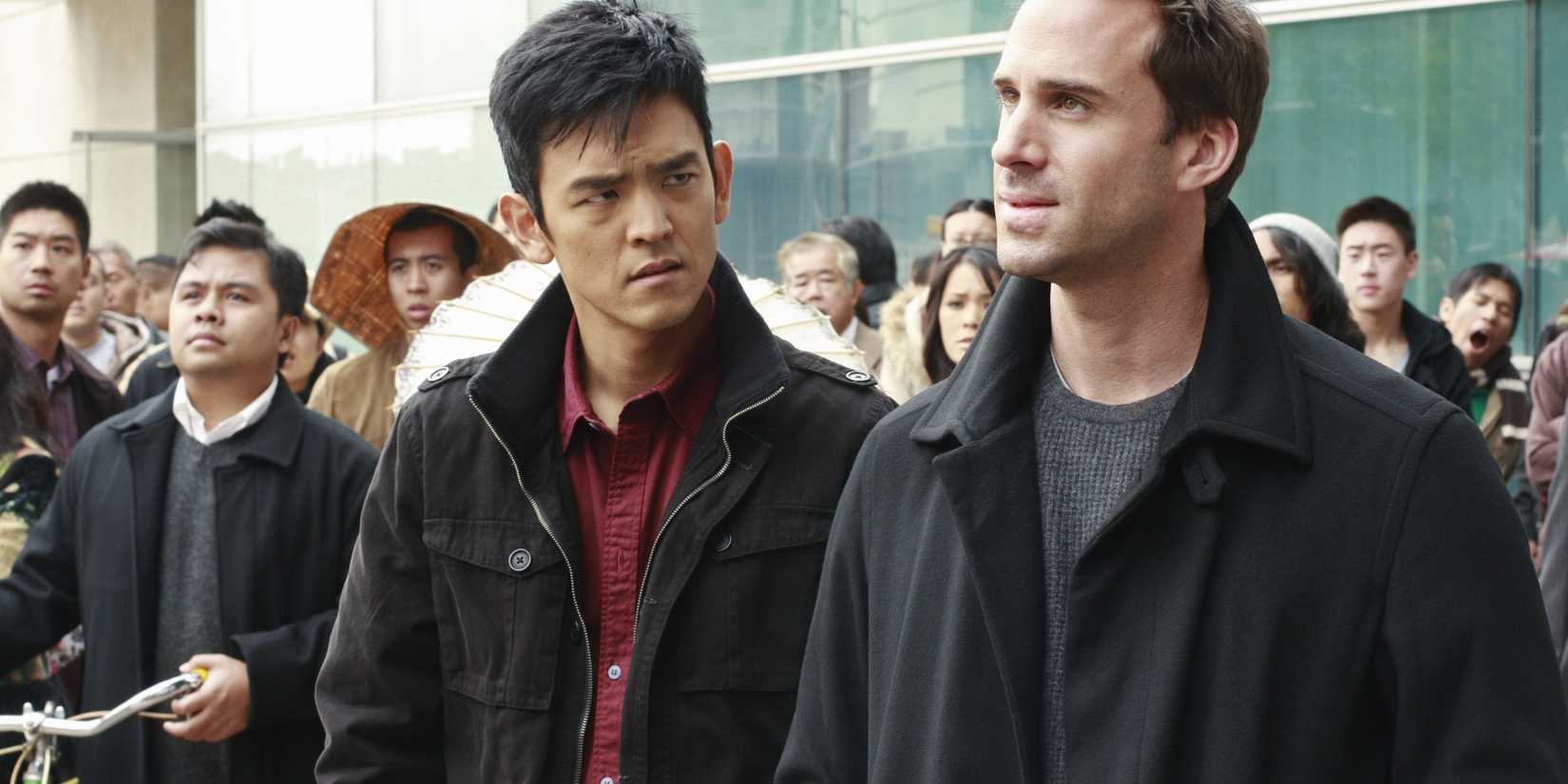
Demetri Noh staring at Mark Benford, both standing in front of a crowd of people outside a building, in FlashForward
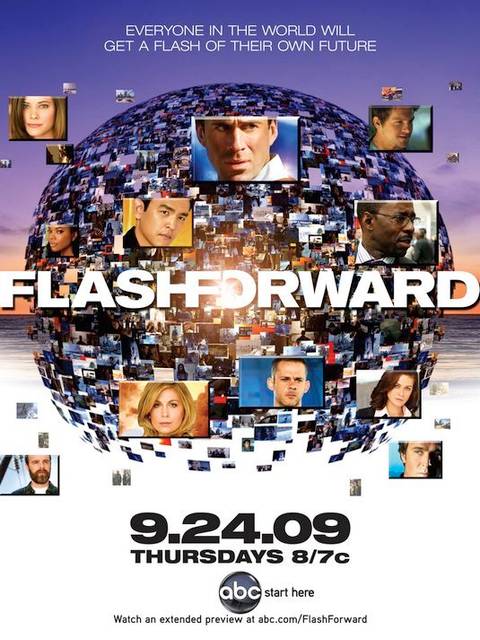
Based on the novel by Robert J. Sawyer, ABC’s FlashForward focused on a global event that caused every person on Earth to briefly lose consciousness and see visions of their future. Starring Joseph Fiennes as FBI Agent Mark Benford, the series explored fate, free will, and societal collapse through interwoven storylines.
While the series launched to massive viewership and was frequently compared to both Lost and Heroes, audience interest declined as the season progressed. After just a year on the air, narrative sprawl and network pressure hurt FlashForward’s momentum, and the series wound up canceled.
Release Date
2009 – 2010-00-00
Showrunner
Brannon Braga
Directors
Brannon Braga
Writers
Brannon Braga
6
Sense8
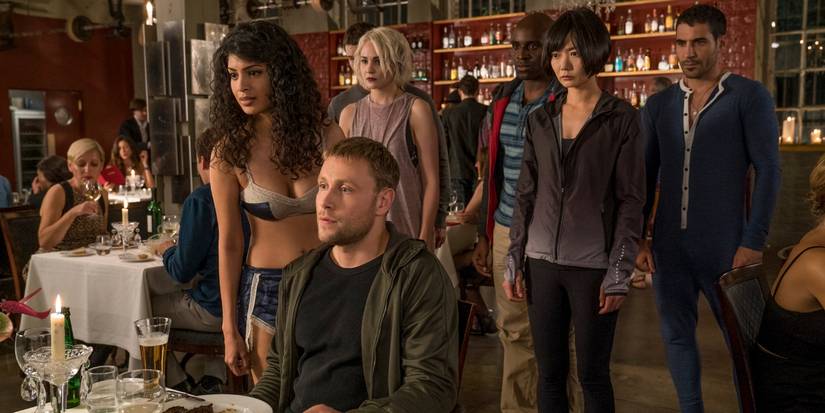
Sense8 characters standing around looking forward
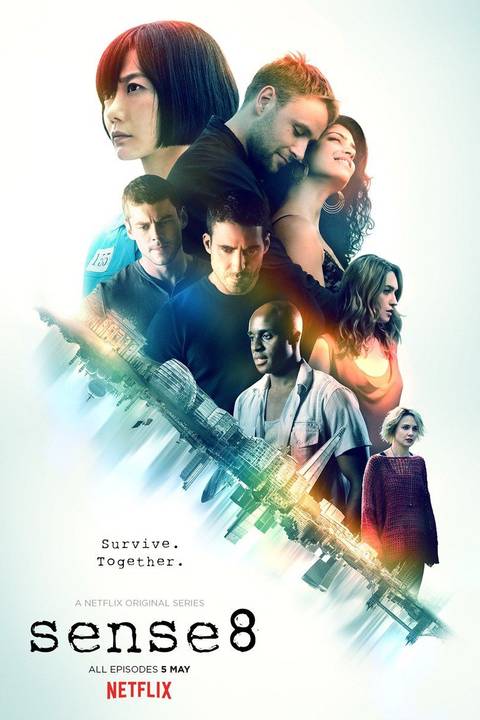
Netflix’s Sense8 follows eight strangers around the world who become mentally and emotionally connected. The series stood out to viewers for its global scope, diverse representation, and emphasis on empathy and shared humanity. With high production values and a sweeping story, Sense8 was a quick critical hit.
Deeply beloved by fans, Sense8 was extremely expensive to produce due to international filming. Netflix canceled it after two seasons, later funding a finale special due to fan backlash, cutting short a story clearly designed for longer exploration.
Release Date
2015 – 2018-00-00
Showrunner
Lilly Wachowski
Directors
Lilly Wachowski, Lana Wachowski
5
Dark Matter
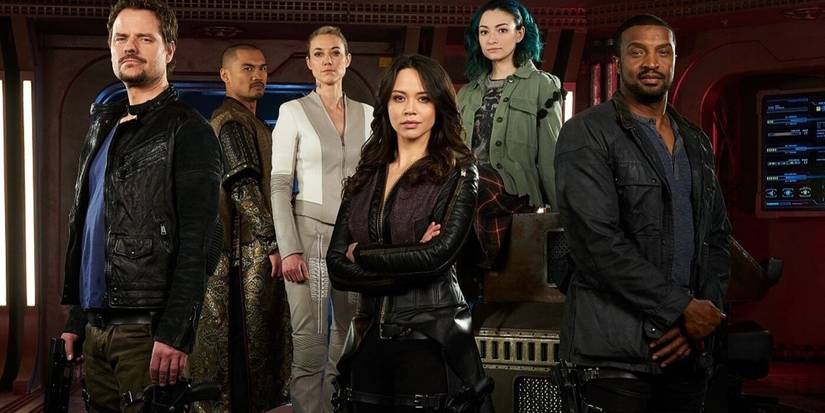
The lead ensemble of Dark Matter standing in a spaceship
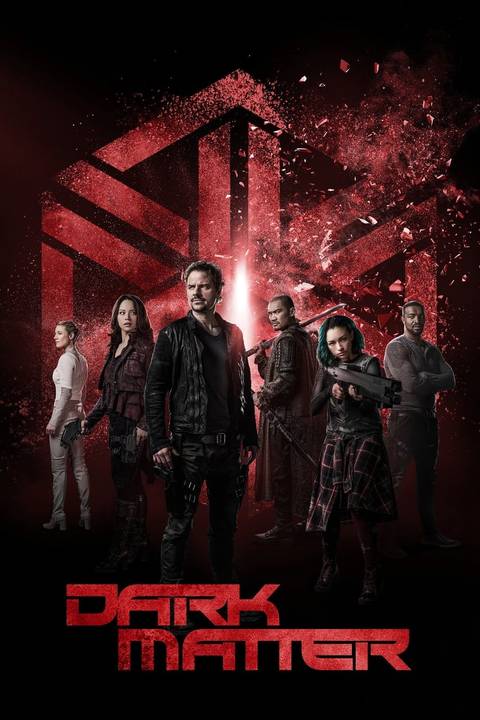
SyFy’s Dark Matter, which ran from 2015 through 2017, follows six people who wake up aboard a spaceship with no memories of who they are or what happened to them prior to their time aboard. As they piece together their identities, the show blends space opera, moral ambiguity, and evolving alliances to build a solid narrative.
Known for its accessible tone and steady world-building, the series built momentum over three seasons. However, Dark Matter ended abruptly on a major cliffhanger after getting canceled. Despite strong fan support and a clear long-term plan from its creators, the show never received the opportunity to finish its story.
Release Date
2015 – 2017-00-00
Directors
Ron Murphy, Andy Mikita, Bruce McDonald, John Stead, T.J. Scott, amanda tapping, Craig David Wallace, Gail Harvey, Lee Rose, Paolo Barzman, Steve DiMarco, Melanie Orr, Mairzee Almas, T.W. Peacocke

Alexander Mandra
Ishida Cruiser Soldier #2

4
The OA
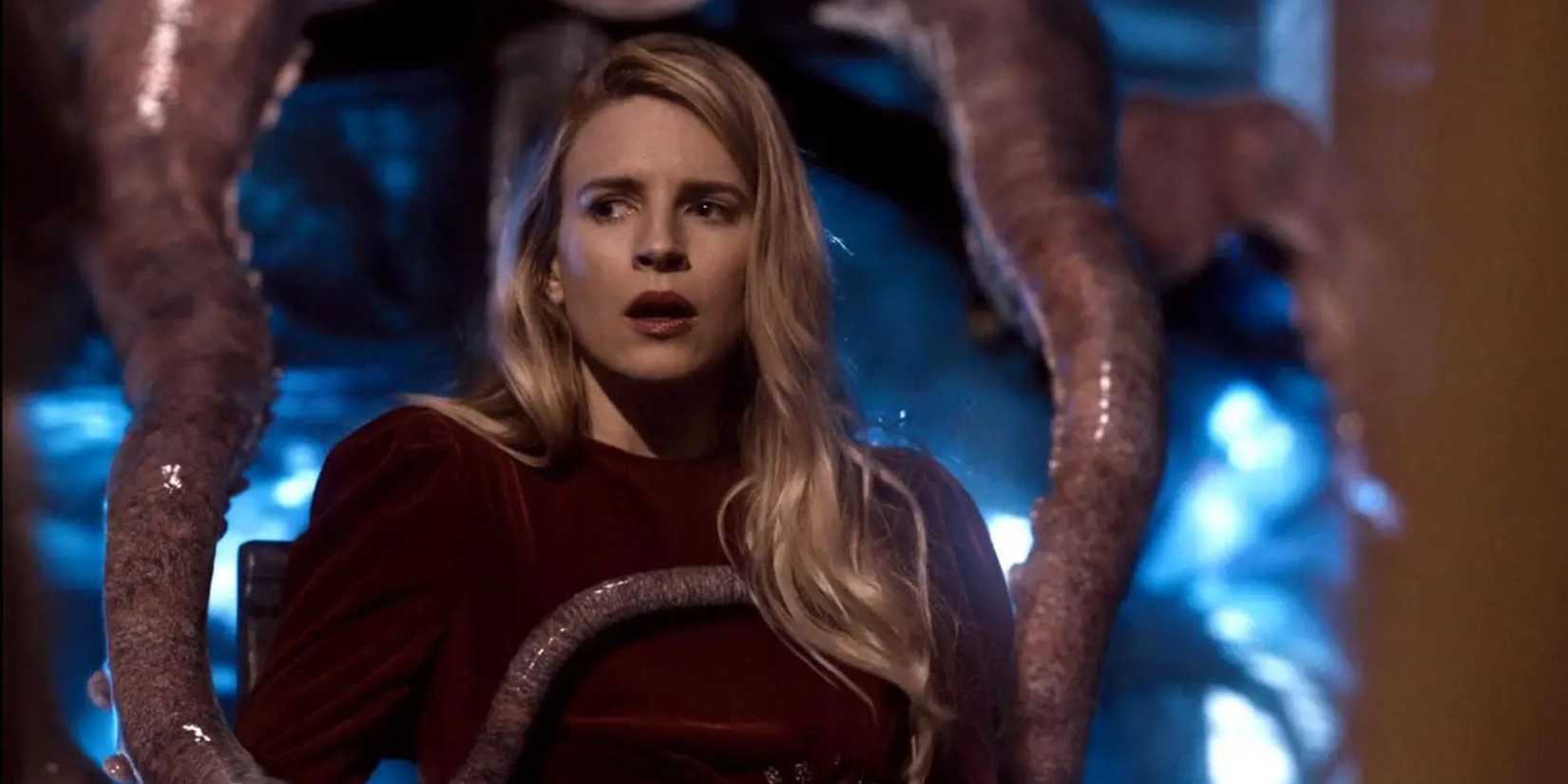
Brit Marling with a tentacled creature in The OA
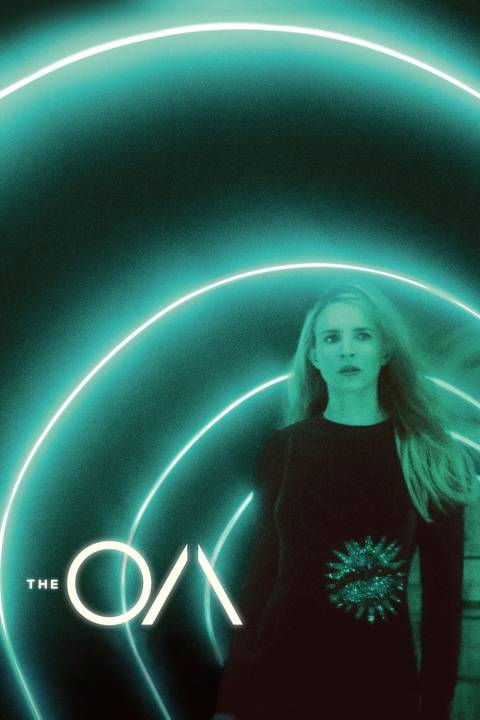
Netflix’s The OA is a genre-defying sci-fi drama about a young woman who returns home years after going missing, claiming to have traveled to other dimensions. Created by and starring Brit Marling, The OA mixed metaphysical science fiction, mystery, and emotional storytelling. In many ways, the show polarized audiences, but earned passionate devotion for its creativity.
The OA’s ambitious narrative structure and unconventional choices made it difficult to market broadly. Netflix canceled the series after two seasons, ending a planned five-part story. The decision sparked widespread fan campaigns, reflecting how deeply viewers connected to its unfulfilled potential.
Release Date
2016 – 2019-00-00
Network
Netflix
Directors
Andrew Haigh
Writers
Dominic Orlando, Henry Bean, Damien Ober, Ruby Rae Spiegel

Brit Marling
OA / Nina Azarova

3
1899
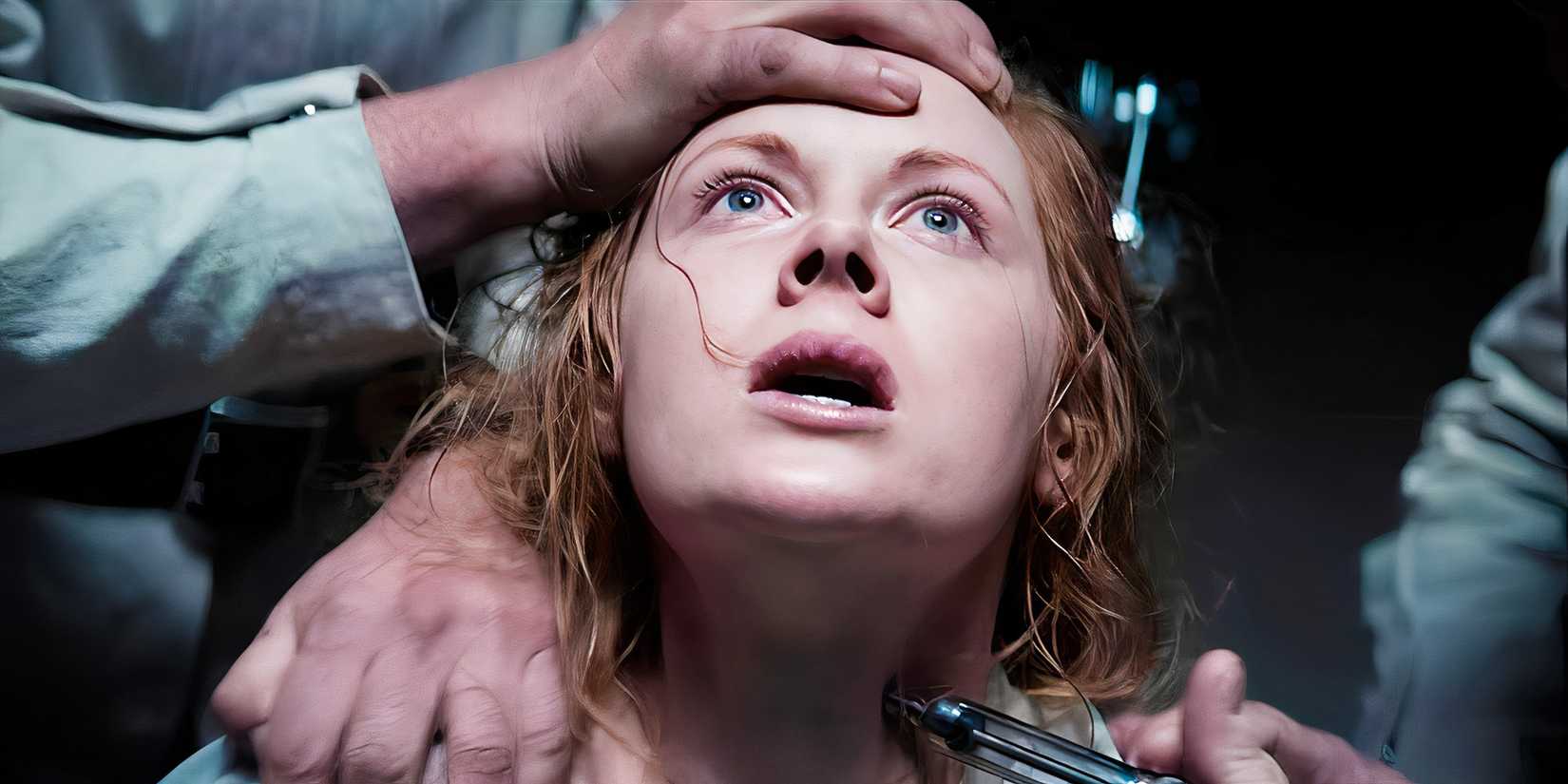
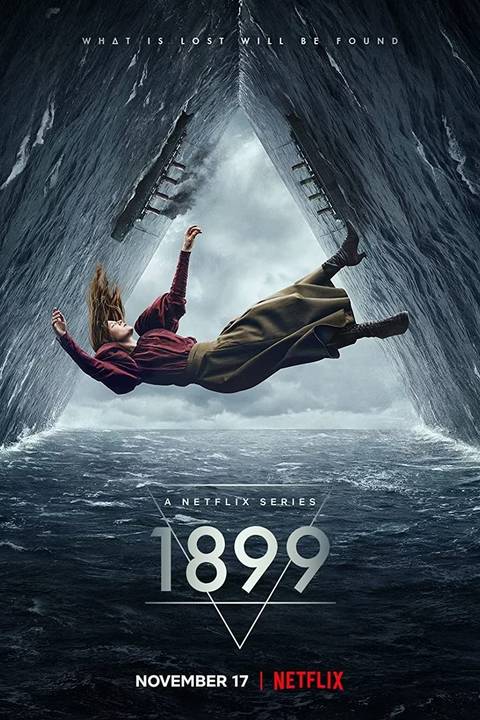
Netflix’s 1899, which came from the creators of the platform’s three-season hit Dark, is a multilingual mystery sci-fi series set aboard an immigrant ship traveling to America. When another lost vessel reappears, reality itself begins to fracture aboard the ship, leading to a mystery of epic proportions.
The show emphasized atmosphere, symbolism, and slow-burn revelations, demanding patience from viewers. Although it debuted strongly and was intended as a multi-season story, Netflix canceled it after one season. High production costs and completion-rate metrics reportedly contributed, cutting short a carefully planned narrative.
Release Date
2022 – 2022-00-00
Network
Netflix
Showrunner
Baran Bo Odar

2
Jericho
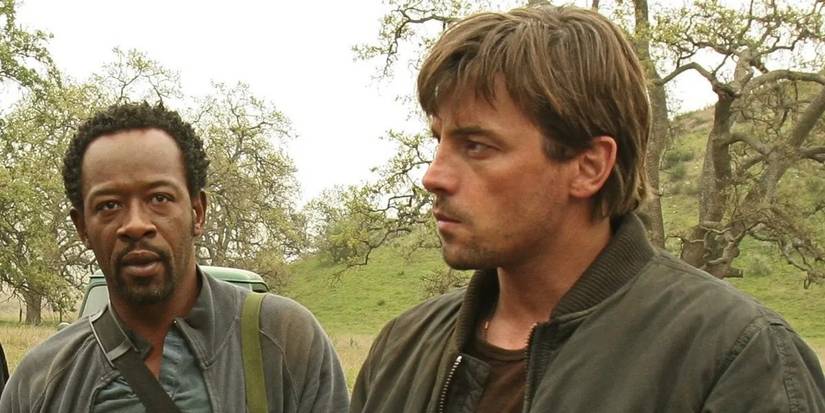
Stills from the TV show Jericho
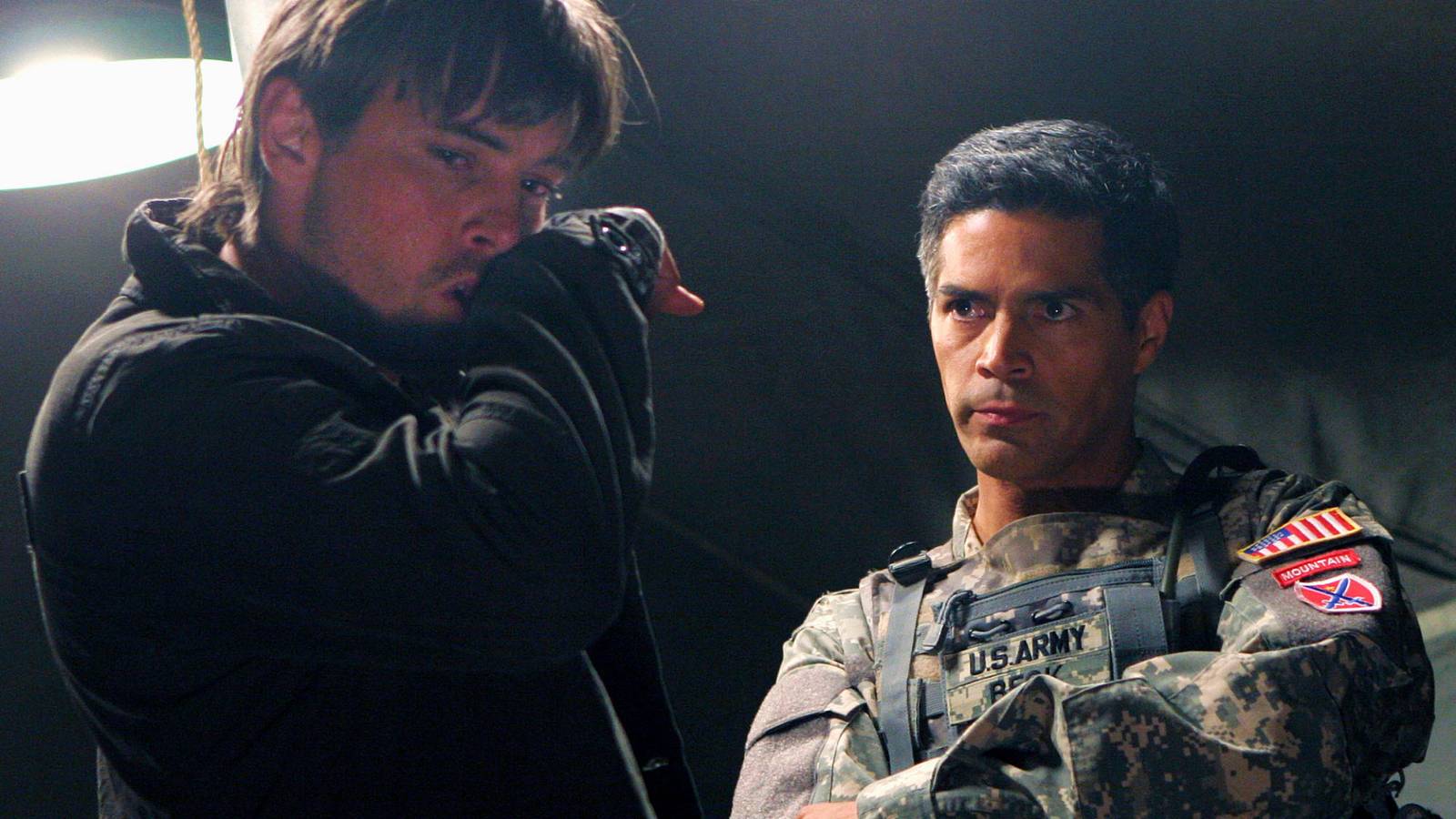
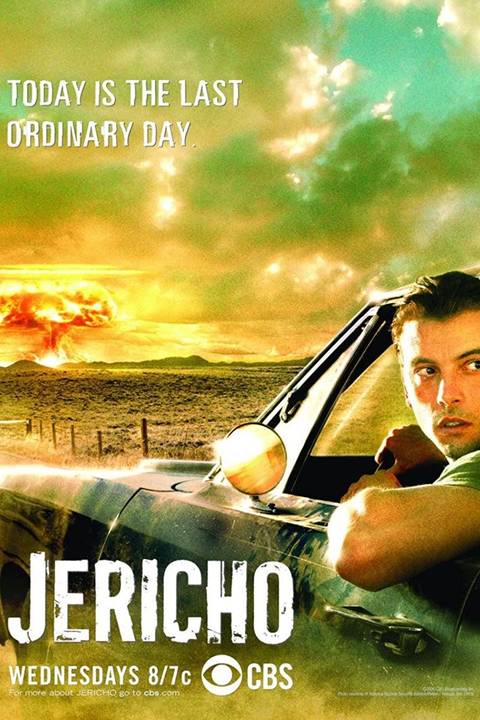
CBS’s Jericho, which ran from 2006 through 2008, explores life in a small Kansas town after nuclear attacks devastate major US cities. Starring Skeet Ulrich as Jake Green as he’s stranded in his hometown after fleeing years prior, Jericho documents a post-apocalyptic world focusing on survival, governance, and misinformation.
Fan involvement was crucial to Jericho’s survival, as it was canceled after its first season due to low ratings. After a passionate fan campaign led to a brief revival for a shortened second season, Jericho was canceled a second time. The show ended before fully exploring its world. Jericho remains a prime example of early cancellation despite clear long-term storytelling potential.
Release Date
2006 – 2008-00-00
Showrunner
Stephen Chbosky
1
Firefly
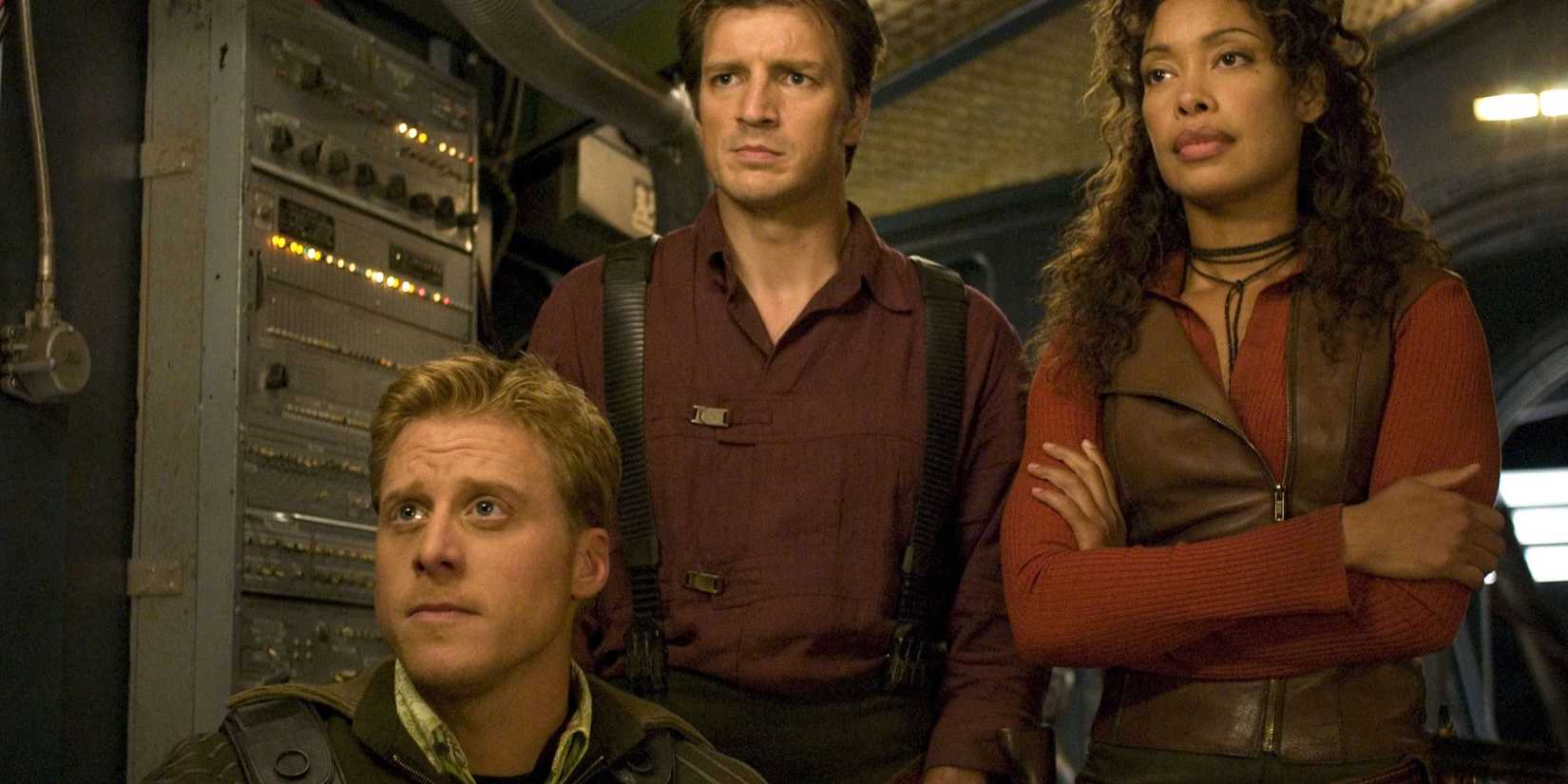
Nathan Fillion as Mal, Gina Torres as Zoe, and Alan Tudyk as Wash on the Serenity in Firefly
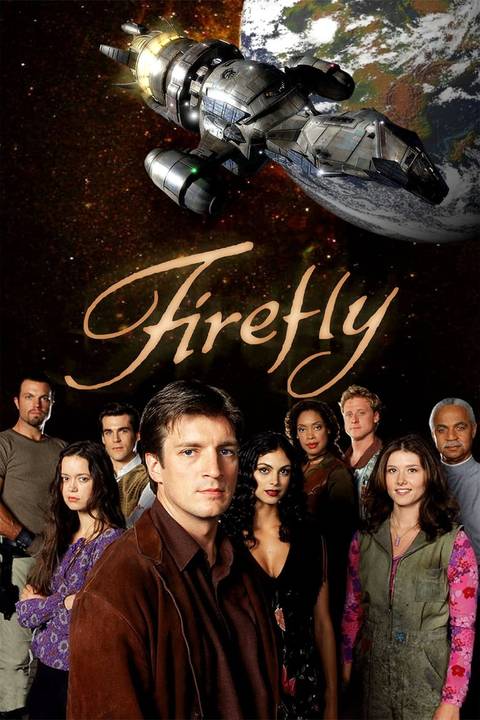
Joss Whedon’s Firefly, which only ran for one season on Fox, blends space western aesthetics with character-driven sci-fi, following a renegade crew living on the fringes of a galactic society. Starring Nathan Fillion as Malcolm “Mal” Reynolds, the series was met with praise.
Despite that critical praise, the series was mishandled by Fox, with episodes aired out of order and limited promotion. It was canceled after just one season, becoming one of TV’s most famous cult classics. A feature film, Serenity, later offered partial closure, but Firefly is still widely regarded as a show canceled long before achieving its full greatness.
Release Date
2002 – 2002-00-00
Network
FOX
Directors
Allan Kroeker, David Solomon, James A. Contner, Marita Grabiak, Michael Grossman, Tim Minear, Vern Gillum
Writers
Cheryl Cain, Drew Z. Greenberg, Jane Espenson