
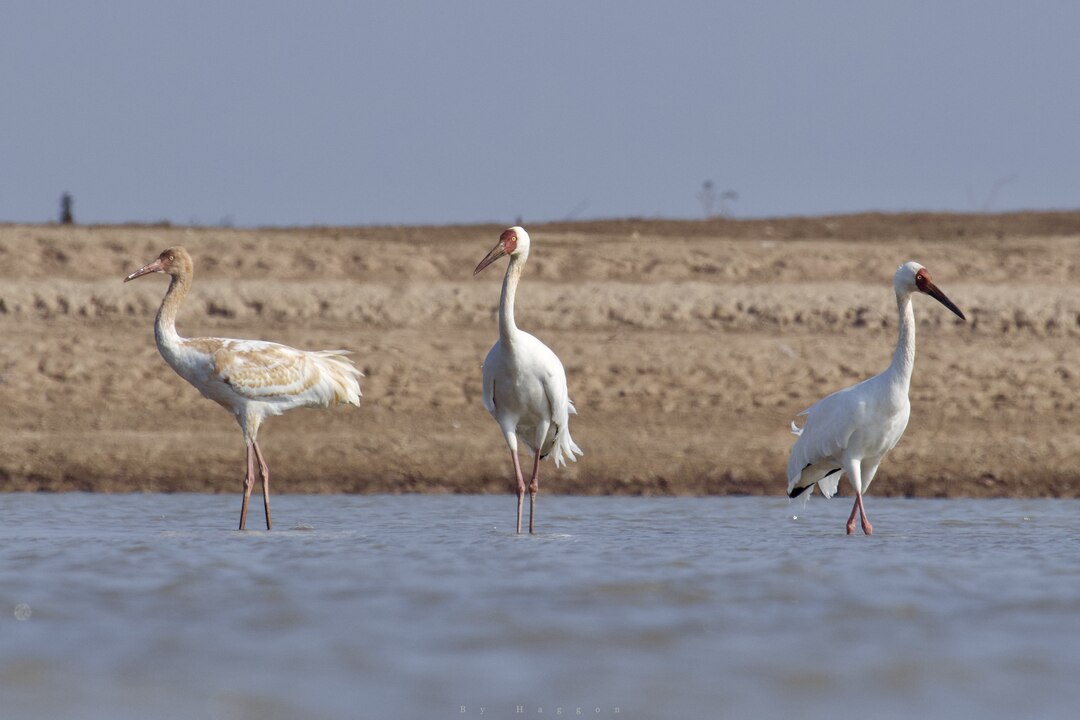
Amid accelerating biodiversity loss and shrinking ecological spaces, it’s easy to lose hope. But every year, there are stories of optimism: of species that are making a comeback after being nearly wiped out.
Here are five such species whose recovery Mongabay reported on in 2025:
The Cape vulture (Gyps coprotheres), southern Africa’s largest vulture species, saw its conservation status improve from endangered to vulnerable on the IUCN Red List in 2021. The bird’s recovery is thanks to more than five decades of conservation efforts, which include reducing conflict with landowners, mitigating electrocution on power lines, and rehabilitation and captive breeding. However, researchers warn that some colonies are still seeing localized extinctions. (Full story)
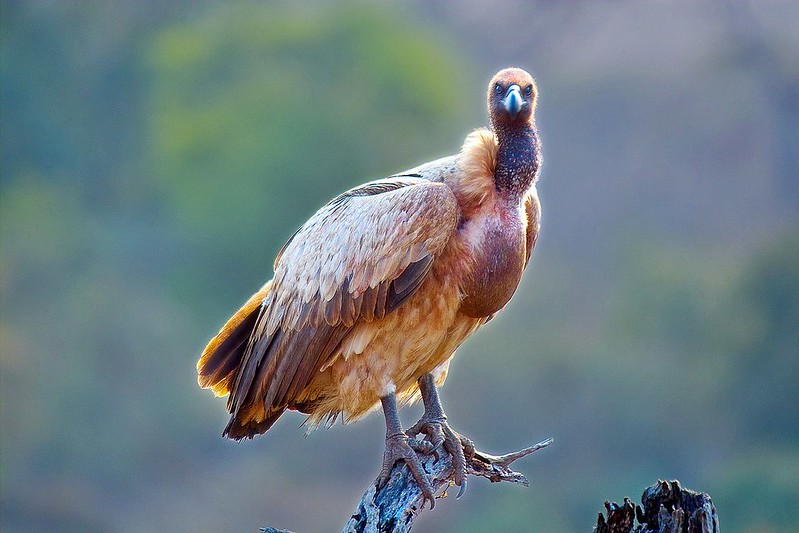 A Cape vulture. Image by Arno Meintjes via Flickr (CC BY-NC-SA 2.0)
After decades of decline, green turtles (Chelonia mydas) are recovering in some parts of the world. The species was reclassified from endangered to least concern on the IUCN Red List this year. The recovery in some regions is thanks to legal protections against international trade and direct hunting, and conservation measures like protecting nesting beaches and the use of turtle excluder devices to keep them from getting entangled in fishing gear. (Full Story)
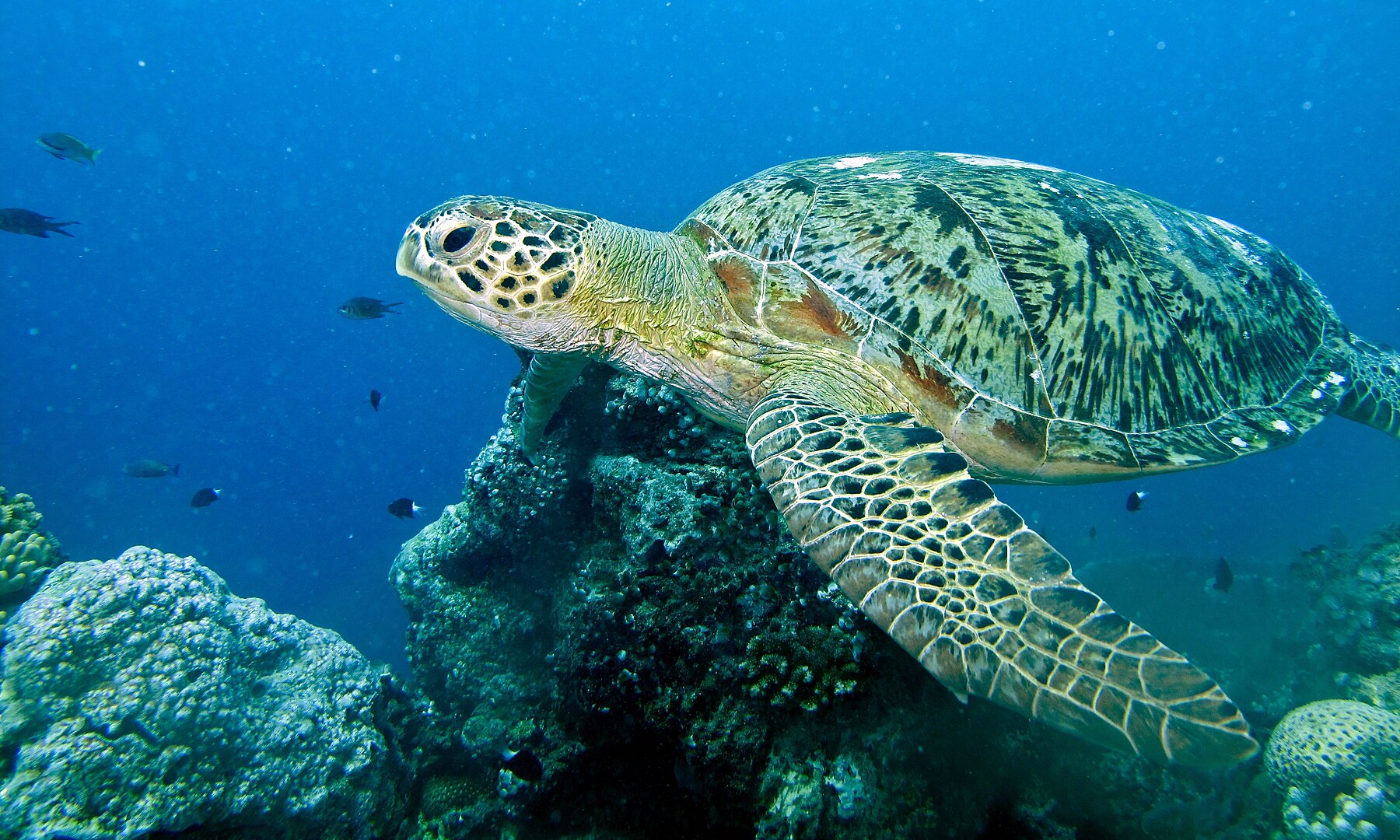 A green turtle. Image by Bernard DUPONT via Wikimedia Commons (CC BY-SA 2.0)
Campbell’s keeled glass-snail (Advena campbelli) was once presumed extinct. But after discovering a small population of the snail on Norfolk Island, off the Australian mainland, organizations came together to create a snail-breeding program at Sydney’s Taronga Zoo in 2021. There are now more than 800 individuals, of which 340 tagged snails were released into Norfolk Island National Park in July this year. During subsequent monitoring, researchers found the snails are multiplying, which is promising. (Full story)
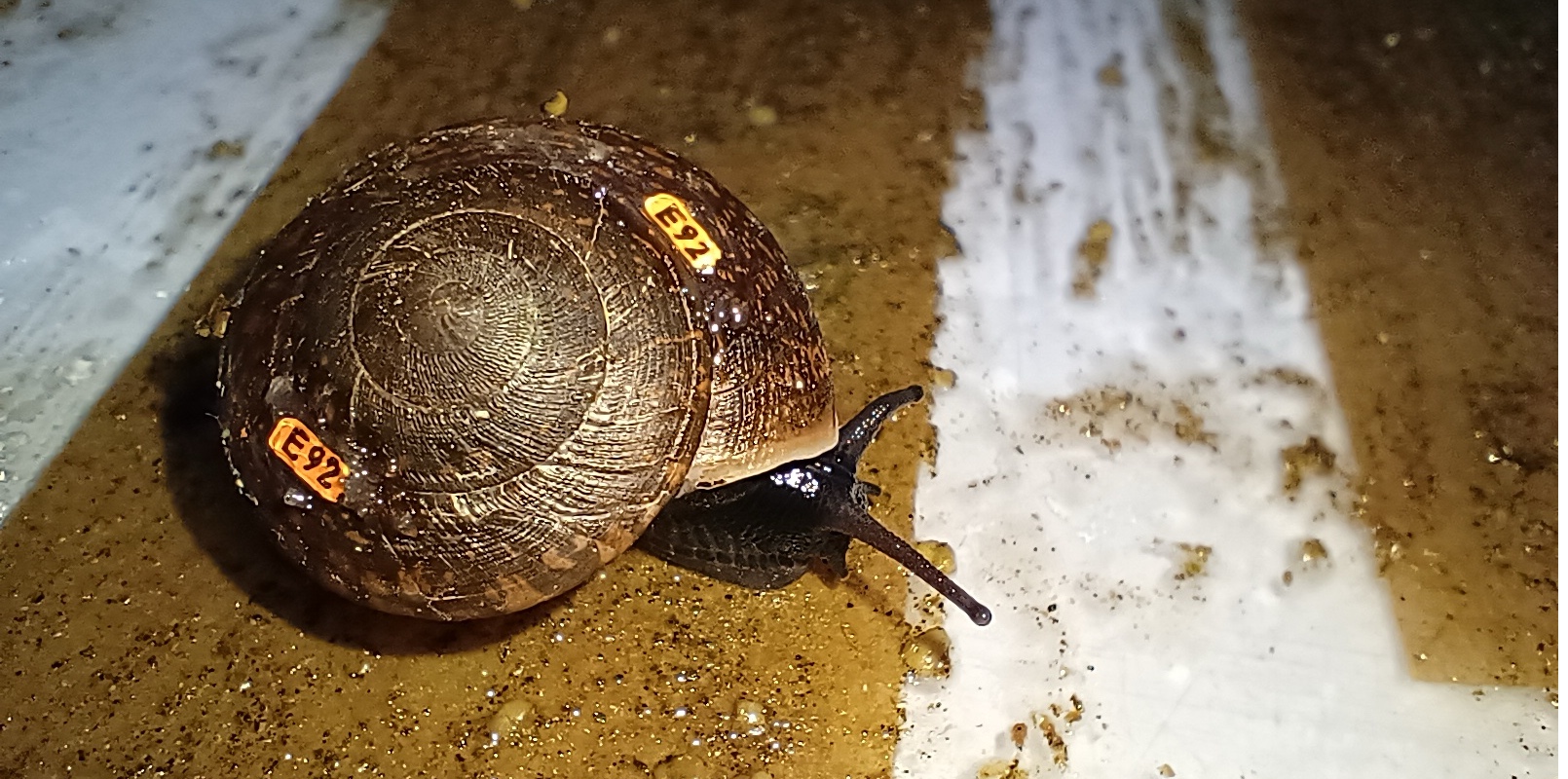 A Campbell’s keeled glass-snail with a number tag. Image courtesy of Junn Kitt Foon.
The Bali starling (Leucopsar rothschildi) was once down to six individual birds in the wild in Indonesia due to habitat loss and poaching of individuals for the songbird trade. But the species is now recovering, partly through Indigenous-led efforts on Nusa Penida Island off Bali. In 2006, all villages on the island agreed to protect 64 captive-bred birds released there by inscribing the protections into their customary laws. The Bali starling population on Nusa Penida grew to about 100 by 2009. Another 420 wild Bali starlings live in Bali Barat National Park as of 2021. (Full story)
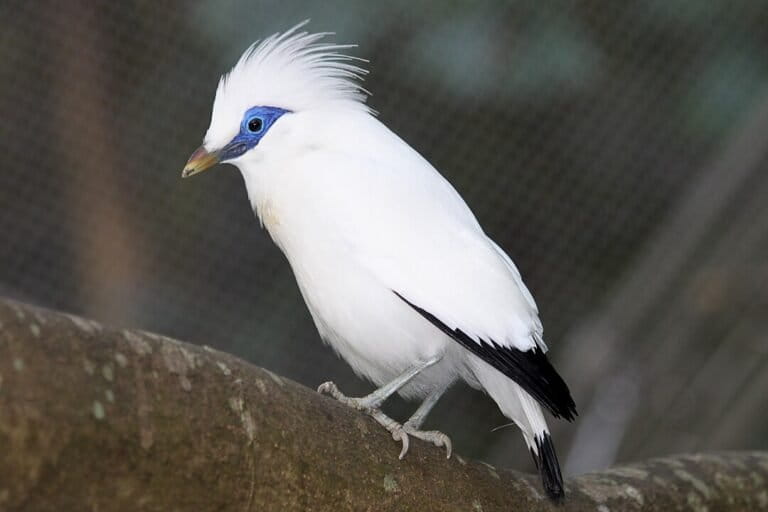 A Bali starling. Image by Woldere via Wikimedia Commons (CC BY-SA 4.0)
The population of the critically endangered Siberian crane (Leucogeranus leucogeranus) has increased by nearly 50% over the past decade. This boost in the snowy-white crane’s numbers is the result of efforts to secure the migratory bird’s stopover sites along its eastern flyway, or migratory route, between Russia and China, experts told Mongabay. (Full story)
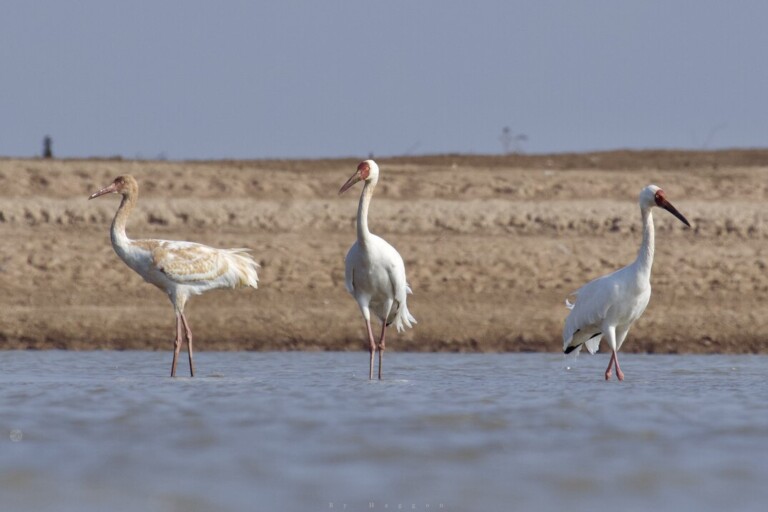 Siberian cranes at Lake Poyang in China. Image by A Dim Light Chaser via Wikimedia Commons (CC BY 4.0)
