

One of the films that saw Brad Pitt rise to superstardom also got the beloved actor banned for over a decade in a country.
By James Brizuela
| Published 1 hour ago

Brad Pitt was once banned from China for one of his films. No, not Interview with the Vampire. He was not allowed to enter the country for a long time due to the biographical drama known as Seven Years in Tibet.
The People’s Republic of China severely condemned this film. Pitt, David Thewlis, and the film’s director (Jean-Jacques Annaud) were barred from entering the country for over a decade. Seven Years in Tibet came out in 1997, and it was not until 2012 that Annaud was welcomed back.

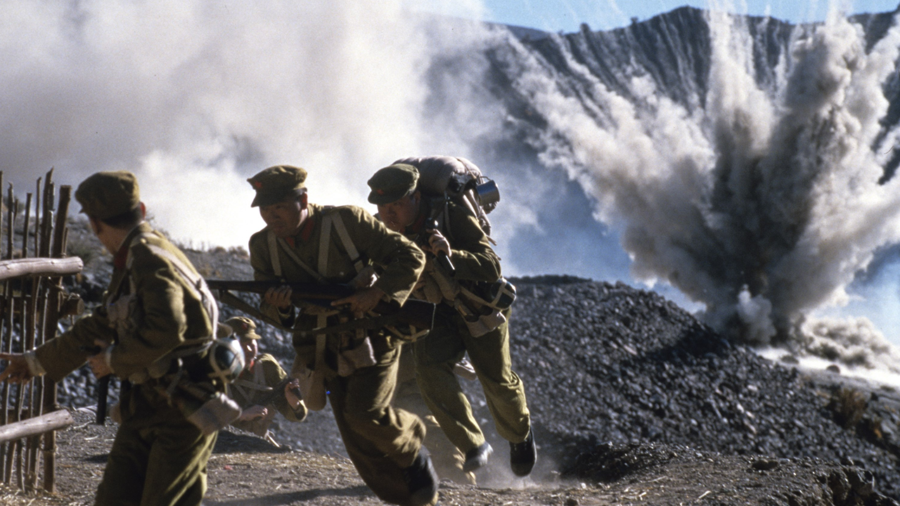
The country’s reason behind the ban was that the film depicted the Communist Chinese soldiers as rude and arrogant while they brutalized people in the village. This was when China was set to occupy Tibet. Also, the ban might have been because the Nazi party is heavily involved in the film, and that is about as controversial a movie as can be in the eyes of the CCP.
Annaud was welcomed back to China in 2012 to sit on the chair of the jury for the 15th annual Shanghai Film Festival. Brad Pitt visited the country in 2014 and 2016. Clearly, there were no more hurt feelings toward either man.
Seven Years In Tibet Follows The Life Of Heinrich Harrer

Seven Years in Tibet explores the life of a controversial figure, as Brad Pitt took on the role of Heinrich Harrer. The film is based on the autobiography of Harrer, which also bears the same name.
Seven Years in Tibet follows Heinrich Harrer (Brad Pitt) and Peter Aufschnaiter (David Thewlis) as they climb Nanga Parbat in what was British-ruled India. When WWII broke out in 1939, the pair were arrested by British authorities and labeled as enemy aliens. They are then sent to a prisoner-of-war camp in Dehradun.
After spending nearly five years as POWs, the men break out and then find themselves in Tibet. Initially, they are not welcomed in the country but disguise themselves to get to the capital of Lhasa. While there, Harrer is taken to meet the 14th Dalai Lama, who is only a boy. Harrer then becomes the boy’s tutor, as he instructs him in subjects like world geography, science, and Western culture.
Harrer and the Dalai Lama became friends after spending so much time together. Harrer’s time in Tibet becomes tense when China and Tibet’s relationship sours, and China means to occupy Tibet.
Seven Years In Tibet Hid Harrer’s Real Stance On Nazism
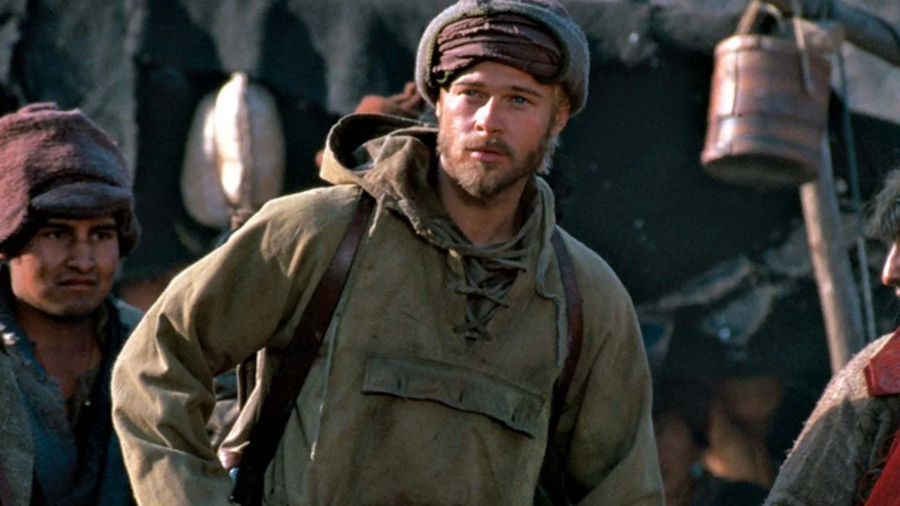
Harrer was a mountaineer from Austria who was a real-life Nazi Schutzstaffel NCO. However, the character was altered in the film. Pitt’s version of the character seemed to be more hesitant about the idea of the Nazi party, as he reluctantly takes the flag during a scene at the train station in the film. The real Harrer stated that he climbed the mountain of Eiger for “the Führer.”
Also, Pitt’s version of Harrer was regarded as a German hero after climbing the Eiger mountain. Harre in the film says, “No thanks, I’m Austrian.” This choice of words would have been provocative to say, considering Austria was part of Germany in the late 1930s.
Response To Brad Pitt’s Controversial Movie
Seven Years in Tibet currently holds a 60% critic rating on Rotten Tomatoes. However, the 73% audience score generally suggests that audiences were fans of this true-life historical drama.
Against a budget of $70 million, the film grossed $131.5 million at the worldwide box office. Keep in mind that’s without being shown in China. $131 million in the 1990s was a lot. It is also still considered one of Brad Pitt’s best performances.
Brad Pitt may have been portraying a real-life Nazi officer, but it’s still a film with themes of acceptance and empathy. Fans of Pitt will likely enjoy this late 1990s classic.