
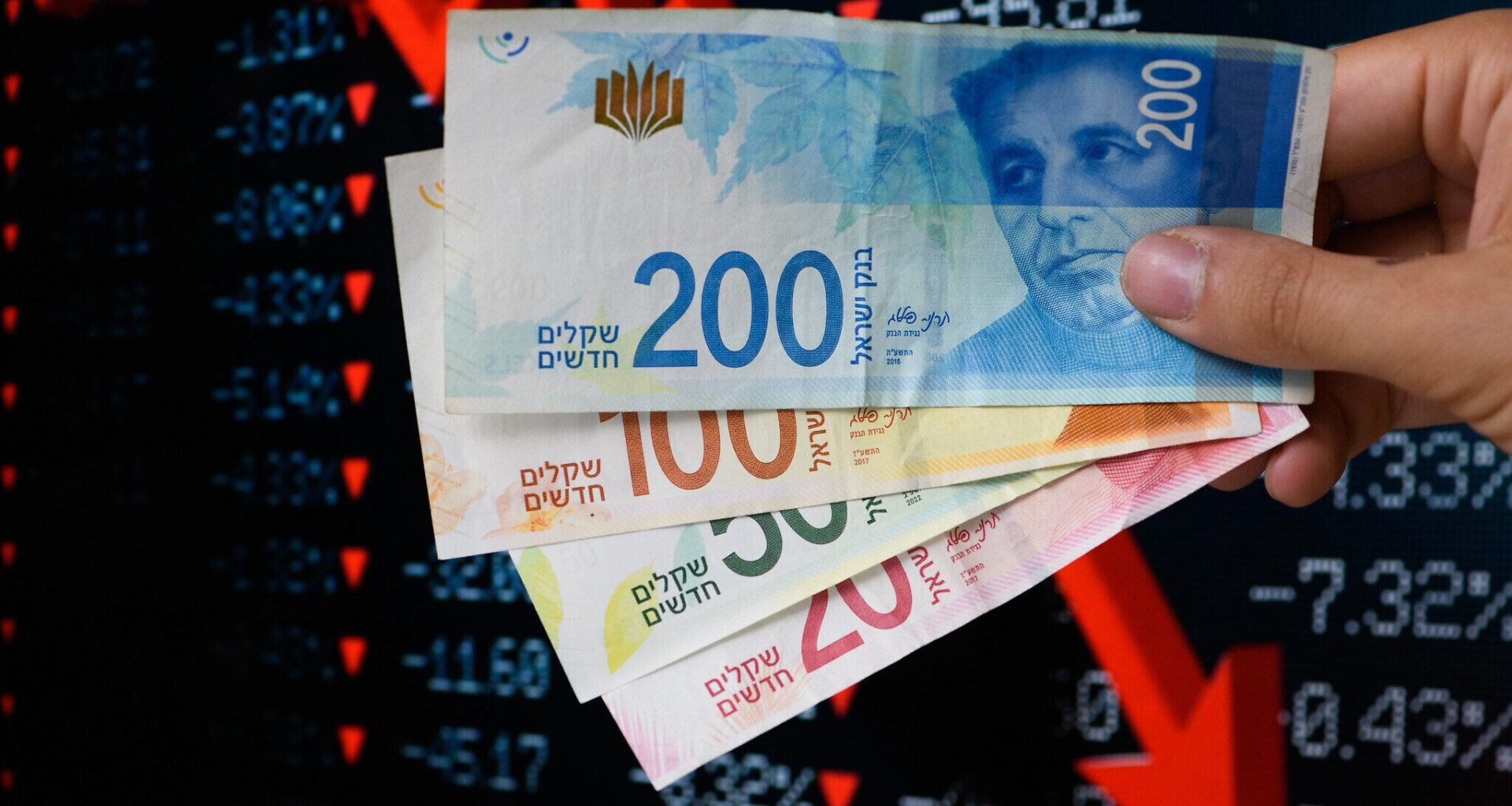
When the clock struck midnight in Israel on Wednesday night, the country ushered in not just 2026 but also a series of price hikes, utility cost rises and tax increases that will hit Israelis’ pockets and shrink their available income, as many households are already struggling to make ends meet after a two-year war amid a high cost of living.
Beginning January 1, the price of electricity will climb by about 1.5 percent. As a result, the electricity bill of an average family can be expected to increase around NIS 6-10 ($2-3) each month, depending on usage and season.
The price of cooking gas will go up by 5%. If a household spends an average of NIS 70-90 a month on gas, the increase will bolster the monthly bill by about NIS 3-5, depending on the size of the family.
Water tariffs will increase by up to 2.5%. For an average household of four, this translated into an increase of about NIS 3-5 per monthly bill.
The hikes in utility costs are attributed to consumer price index (CPI) adjustments, interest rate changes, and energy costs, including carbon tax on fossil fuels.
Sign up for the Tech Israel Daily
and never miss Israel’s top tech stories
By signing up, you agree to the terms
The increases come as the cost of living in Israel is soaring, with prices about 29% higher than the average among developed countries in the Organisation for Economic Co-operation and Development. Last year, also saw the VAT rate rise from 17% to 18%.
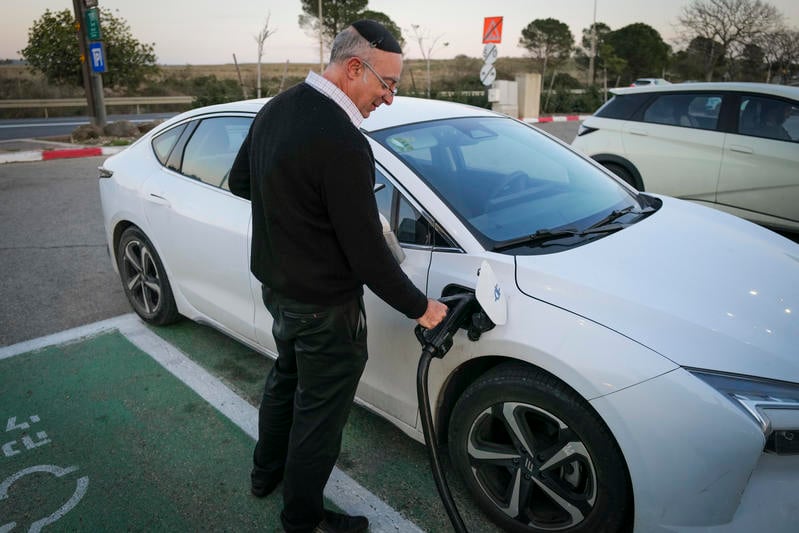
A man recharges his electric car at a charging station in Katzrin in the Golan Heights, January 21, 2025. (Michael Giladi/Flash90)
While municipal tax property rates — known in Israel as arnona, are rising by 1.6% nationwide this year, local authorities have been allowed to request approval for special additional rate increases to cover deficits and improve local services. In practice, it means that thousands of households will likely be subject to higher property tax rates depending on the location and apartment size.
The purchase tax on electric vehicles is raised to 48% this year from 45% in 2025. The tax-exempt amount was lowered to NIS 22,000 of the purchase price from NIS 30,000 in 2025. Electric vehicles in Israel cost from around NIS 90,000 ($28,000) to NIS 300,000 ($93,000), and more, including the purchase tax and VAT.
In addition, income tax brackets and tax credit points will be frozen in 2026 — meaning that they will not be adjusted higher in line with inflation. This means that many employees will be paying more tax without an official hike in the tax rate.
In practice, taxpayers will be left this year with less disposable income while utility and other prices are increasing.
Is The Times of Israel important to you?
If so, we have a year-end request.
Every day during the past two years of war and rising global antisemitism, our journalists kept you abreast of the most important developments that merit your attention. Millions of people rely on ToI for fact-based coverage of Israel and the Jewish world.
We care about Israel – and we know you do too. So as 2025 draws to a close, we have an ask: show your appreciation for our work by joining The Times of Israel Community, an exclusive group for readers like you who appreciate and financially support our work.
Already a member? Sign in to stop seeing this
You appreciate our journalism

You clearly find our careful reporting valuable, in a time when facts are often distorted and news coverage often lacks context.
Your support is essential to continue our work. We want to continue delivering the professional journalism you value, even as the demands on our newsroom have grown dramatically since October 7.
So today, please consider joining our reader support group, The Times of Israel Community. For as little as $6 a month you’ll become our partners while enjoying The Times of Israel AD-FREE, as well as accessing exclusive content available only to Times of Israel Community members.
Thank you,
David Horovitz, Founding Editor of The Times of Israel