
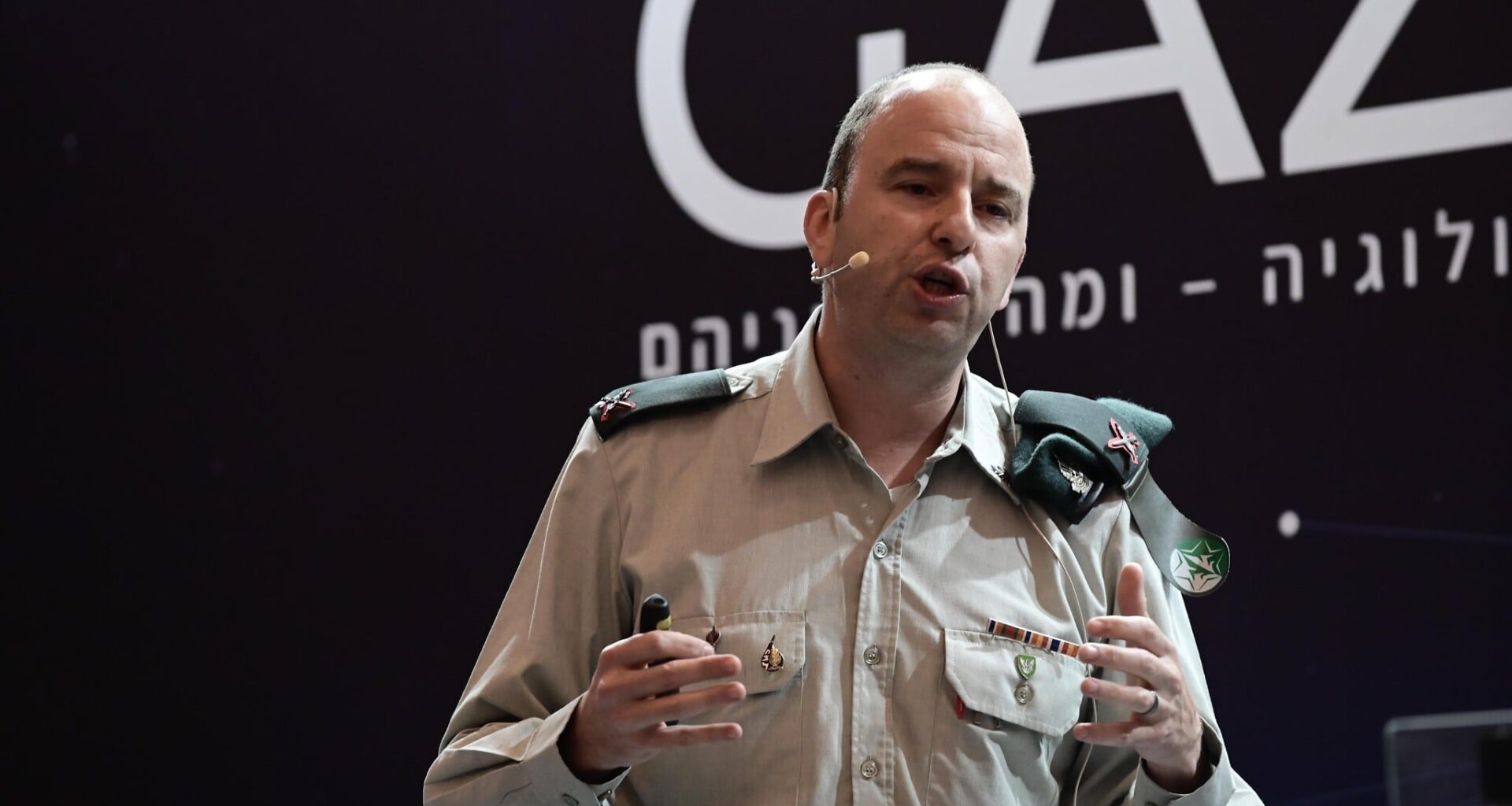
Brig. Gen. (res.) Amit Saar, who headed the Military Intelligence Research Department at the time of Hamas’s October 7, 2023, onslaught, died Wednesday night after a battle with brain cancer. He was 47.
Saar led the department from late 2020 and served as Israel’s top intelligence evaluator for over three years. He was considered among the officials who bore responsibility for the intelligence lapse that allowed for the Hamas-led invasion.
According to a Haaretz report from November 2023, Saar twice warned Prime Minister Benjamin Netanyahu earlier that year that domestic tension over the planned judicial overhaul was encouraging Iran, Hezbollah and Hamas to potentially attack Israel.
He did not, however, manage to foresee Hamas’s assault.
After having indicated he would resign over the intelligence failures, Saar ended up stepping down in April 2024 to undergo immediate treatment for a malignant brain tumor.
Get The Times of Israel’s Daily Edition
by email and never miss our top stories
By signing up, you agree to the terms
In a farewell letter to officers, he wrote, “We did not live up to what was expected of us, what we expect of ourselves.”
“From my first conversation with the brigade after October 7, even before we had clarified the first detail, I made it clear that in the moral world in which I live, I intend to take responsibility,” he continued.
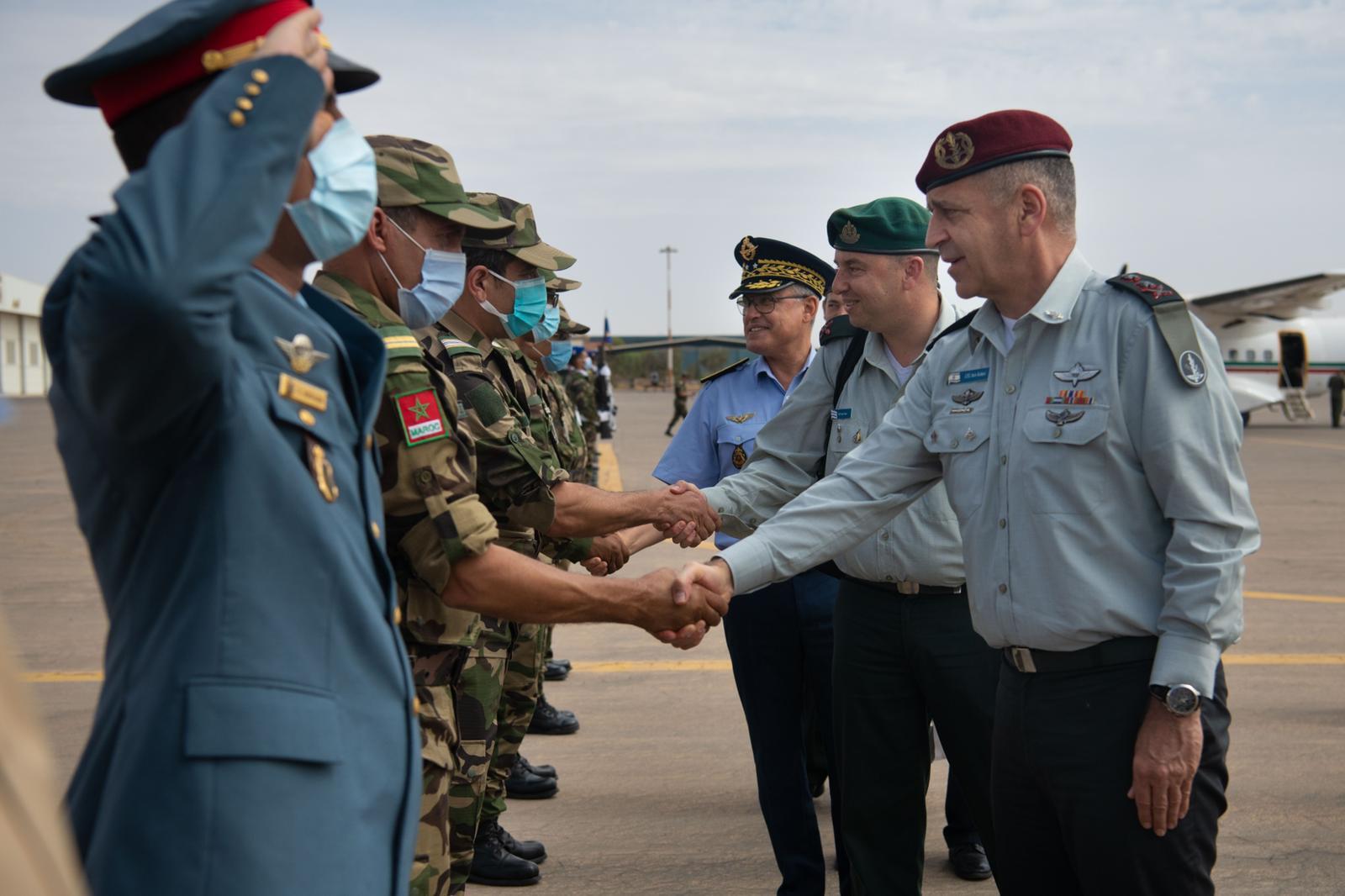
IDF chief Aviv Kohavi and head of Intelligence Research Amit Saar meet with Moroccan military officials, July 20, 2022. (Israel Defense Forces)
At the time, the IDF described Saar as “an officer full of merit” who made significant contributions to Israel’s security, with then-chief of staff Herzi Halevi thanking him for his years of service.
Former IDF chief Gadi Eisenkot, now a centrist lawmaker, eulogized Saar as a “dedicated and talented officer” whose service in the intelligence branch was “lengthy and important.”
“He looked at the [October 7] failure with courage, took responsibility for it and continued with critical intelligence operations in the war’s continuation after the huge failure,” Eisenkot said.
According to the former IDF head, Saar was one of the only officers who urged the military immediately after the massacre to concentrate its efforts on Gaza rather than expanding the hostilities to other areas. “He was part of preventing a national strategic mistake,” Eisenkot said.
.
Before taking over as head of the Military Intelligence Research Department, Saar was an intelligence officer in the Southern Command.
He leaves behind a wife and three children.
Is The Times of Israel important to you?
If so, we have a year-end request.
Every day during the past two years of war and rising global antisemitism, our journalists kept you abreast of the most important developments that merit your attention. Millions of people rely on ToI for fact-based coverage of Israel and the Jewish world.
We care about Israel – and we know you do too. So as 2025 draws to a close, we have an ask: show your appreciation for our work by joining The Times of Israel Community, an exclusive group for readers like you who appreciate and financially support our work.
Already a member? Sign in to stop seeing this
You appreciate our journalism

You clearly find our careful reporting valuable, in a time when facts are often distorted and news coverage often lacks context.
Your support is essential to continue our work. We want to continue delivering the professional journalism you value, even as the demands on our newsroom have grown dramatically since October 7.
So today, please consider joining our reader support group, The Times of Israel Community. For as little as $6 a month you’ll become our partners while enjoying The Times of Israel AD-FREE, as well as accessing exclusive content available only to Times of Israel Community members.
Thank you,
David Horovitz, Founding Editor of The Times of Israel