
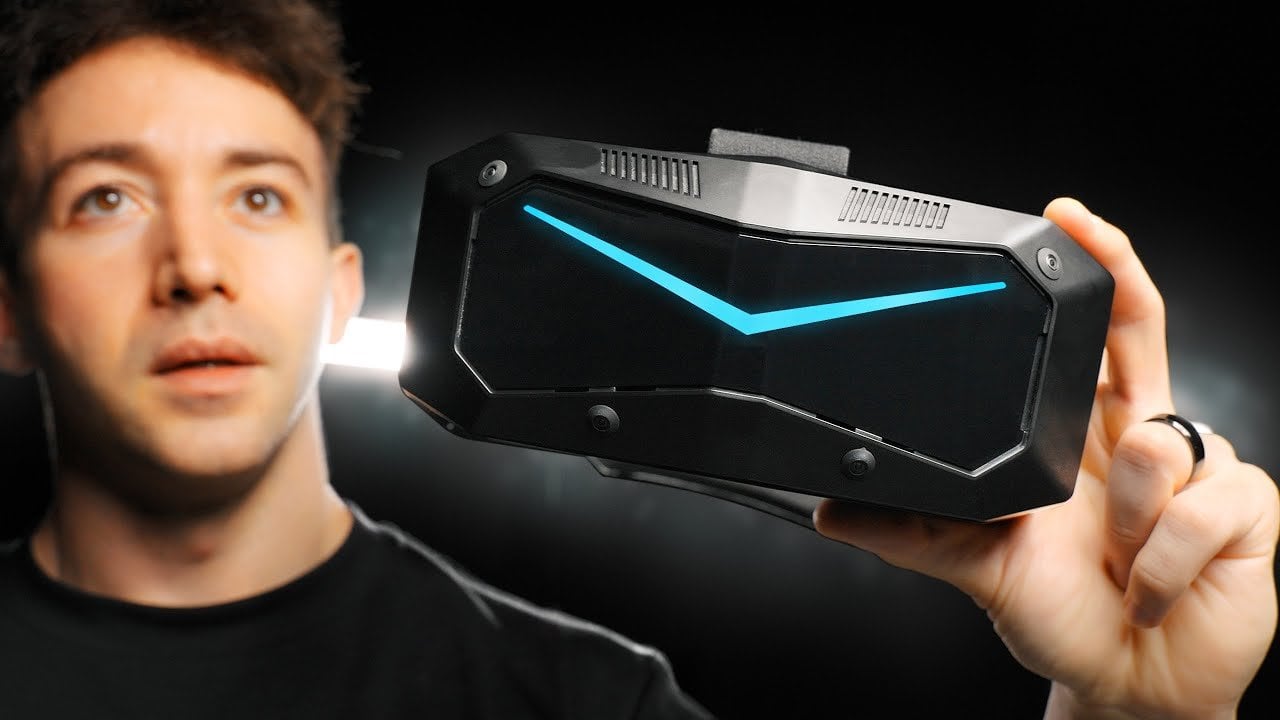
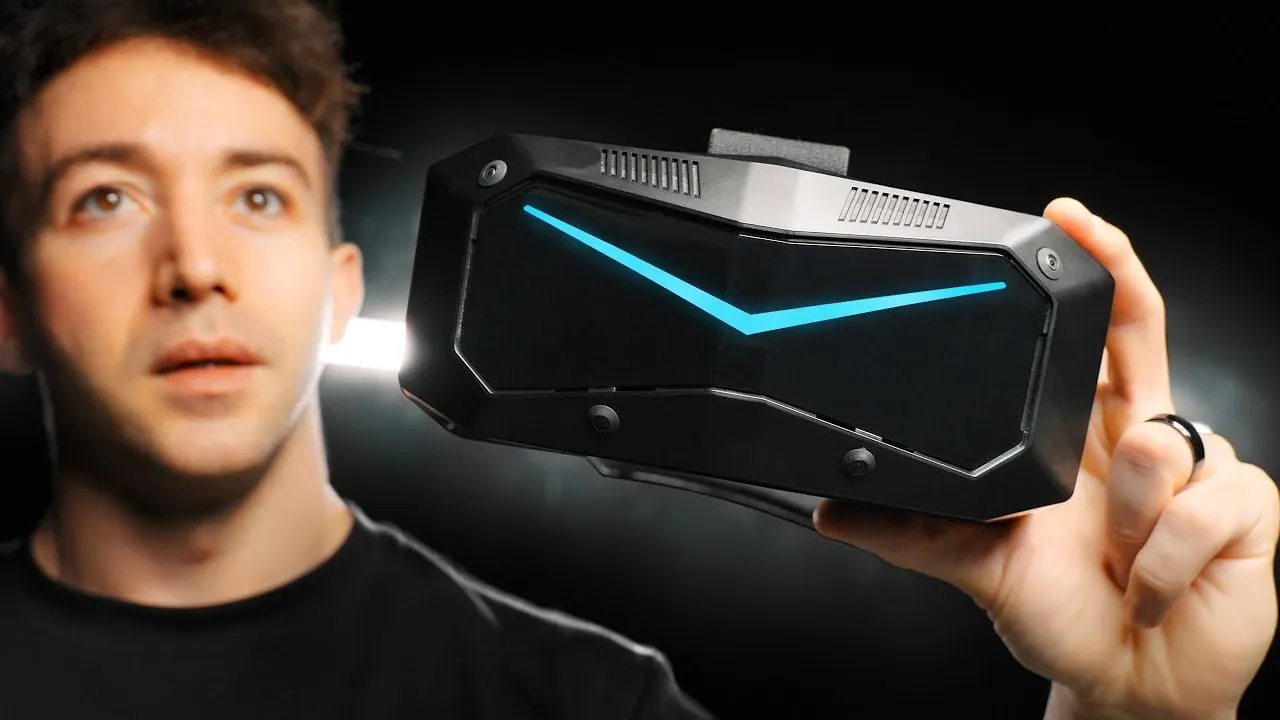
What if your next VR experience didn’t just feel immersive but completely redefined your sense of reality? 8K OLED visuals, modular customization, and innovative performance, these aren’t just buzzwords; they’re the foundation of the Pimax Crystal Super OLED, a headset that’s reshaping what’s possible in virtual reality. In this walkthrough, Optimum shows how this device’s new features, like its swappable optical modules and retina-level clarity, create a VR experience that’s as adaptable as it is breathtaking. But with its premium price tag and demanding hardware requirements, is it truly the future of VR or just an elite niche product?
This breakdown explores the Pimax Crystal Super OLED’s most exciting innovations, from its ultrawide field of view to its stunning micro OLED displays, while also addressing the trade-offs that come with such advanced technology. Whether you’re a simulation enthusiast craving hyper-realistic visuals or a gamer seeking the ultimate immersion, the insights here will help you weigh the headset’s potential against its challenges. As VR continues to push boundaries, the question remains: how far are we willing to go for the perfect digital escape?
Pimax Crystal VR Overview
TL;DR Key Takeaways :
The Pimax Crystal Super OLED VR headset features a modular design, allowing users to customize their experience with swappable optical modules for either a wider field of view (140°) or enhanced image clarity.
The OLED module delivers near-retina clarity with vibrant colors and exceptional detail resolution, making it ideal for high-definition gaming and design simulations.
High performance is achieved with support for up to 90 Hz refresh rates, but the headset requires a powerful PC setup (e.g., RTX 5080 or better) to unlock its full potential.
While bulkier than competitors, the headset offers comfort for stationary use with adjustable straps and clamps, though some users may experience minor pressure points during extended sessions.
Additional features like inside-out tracking, built-in speakers, and an upgradeable modular system enhance usability, but the high price and demanding hardware requirements may limit its appeal to a niche audience of VR enthusiasts.
Modular Design: Tailored to Your Needs
At the heart of the Pimax Crystal Super OLED is its innovative modular design, which allows you to adapt the headset to suit your specific preferences. This flexibility is achieved through swappable optical modules, allowing users to prioritize either a wider field of view (FOV) or enhanced image clarity.
Ultrawide Module: Expands the FOV to an impressive 140°, significantly enhancing peripheral vision and creating a more immersive virtual environment.
OLED Module: Delivers near-retina clarity with vibrant colors and exceptional detail resolution, ideal for users who prioritize visual fidelity and sharpness.
This modular approach not only enhances the headset’s versatility but also ensures it remains future-proof, allowing for potential upgrades as VR technology continues to advance. By offering this level of customization, the Pimax Crystal Super OLED caters to a wide range of user preferences, making it a standout choice for those seeking a tailored VR experience.
Ultrawide Module: Immersive Perspectives
The ultrawide module is specifically designed for users who value immersion in expansive virtual environments. With a 3840×3840 QLED display per eye and support for refresh rates of up to 90 Hz, this module delivers a broad and engaging visual experience. The extended FOV enhances peripheral vision, making it particularly well-suited for simulation games and open-world exploration.
However, some users may notice minor edge softness and slight color distortion at the periphery of the display. While these issues do not significantly detract from the overall experience, they may be noticeable to those who prioritize flawless image quality. Despite these minor drawbacks, the ultrawide module remains an excellent choice for users seeking a more expansive and immersive VR perspective.
Pimax Crystal Super OLED VR Headset Review
Unlock more potential in Pimax by reading previous articles we have written.
OLED Module: Visual Fidelity Redefined
For users who prioritize image quality above all else, the OLED module is a standout feature of the Pimax Crystal Super OLED. Equipped with advanced micro OLED displays and concave pancake lenses, this module doubles the pixel density of many competing headsets. The result is a display that offers stunningly vibrant colors, natural tones, and exceptional detail resolution.
While the FOV of the OLED module is narrower than that of the ultrawide module, it still surpasses the field of view offered by many other headsets on the market. This makes it an ideal choice for users who demand unparalleled visual performance, particularly for applications that require precise detail, such as design simulations or high-definition gaming.
Performance: High Demands, High Rewards
The Pimax Crystal Super OLED is a performance-driven device that requires a high-end PC setup to unlock its full potential. To achieve optimal performance, you’ll need a powerful GPU, such as the RTX 5080 or better. The headset supports refresh rates of up to 90 Hz, making sure smooth motion and reduced input lag, which are critical for maintaining immersion in fast-paced VR environments.
While this level of performance is undeniably impressive, it also underscores the demanding hardware requirements of the headset. For users without access to a top-tier gaming PC, the cost of upgrading their system may pose a significant barrier to entry. However, for those who can meet these requirements, the rewards are substantial, offering a seamless and highly immersive VR experience.
Comfort and Build: Optimized for Stationary Use
The Pimax Crystal Super OLED is bulkier and heavier than some of its competitors, such as the Big Screen Beyond 2. However, its design compensates for this with adjustable straps and clamps that provide stability and comfort during stationary use. These features ensure that the headset remains secure and comfortable, even during extended VR sessions.
Some users may experience minor pressure points or nose contact issues, particularly during longer periods of use. However, these concerns are generally outweighed by the overall comfort and secure fit of the headset. For stationary VR applications, the Pimax Crystal Super OLED offers a reliable and comfortable solution.
Additional Features: Enhancing Usability
The Pimax Crystal Super OLED includes a range of additional features designed to enhance usability and convenience. These features complement the headset’s core capabilities, making it a well-rounded option for advanced VR users.
Inside-Out Tracking: Eliminates the need for external base stations, simplifying the setup process and reducing clutter.
Built-In Speakers: Provide high-quality audio without requiring additional accessories, enhancing the overall VR experience.
Upgradeable Design: The modular system allows for future enhancements, making sure the headset remains relevant as technology evolves.
These features, combined with the headset’s modular design and high-performance capabilities, make it a compelling choice for users seeking a premium VR experience.
Challenges: Barriers to Adoption
Despite its impressive features, the Pimax Crystal Super OLED faces several challenges that may limit its adoption. Its high price, approximately double that of comparable headsets, makes it a significant investment, particularly for budget-conscious buyers. Additionally, the demanding hardware requirements and bulky design may deter some users, particularly those who prioritize portability or have limited access to high-end PC setups.
These factors, while notable, do not diminish the headset’s appeal to its target audience of dedicated VR enthusiasts. For those willing to invest in the necessary hardware and overlook its bulkier design, the Pimax Crystal Super OLED offers an unparalleled VR experience that sets a new standard for immersion and customization.
Media Credit: optimum
Filed Under: Gaming News, Hardware, Top News
Latest Geeky Gadgets Deals
Disclosure: Some of our articles include affiliate links. If you buy something through one of these links, Geeky Gadgets may earn an affiliate commission. Learn about our Disclosure Policy.