
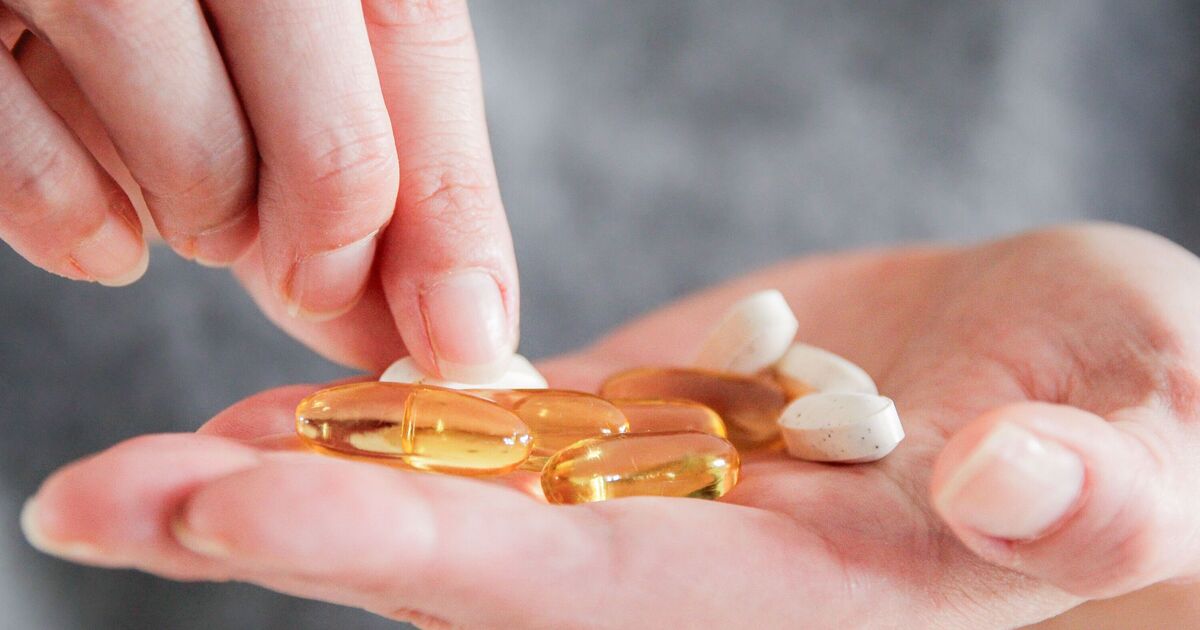
Ensuring you get enough vitamin D during the winter months, particularly in the UK, can be a challenge. It is a vitamin that helps the body regulate calcium and phosphate, nutrients that help keep our bones, teeth and muscles healthy.
Vitamin D is often referred to as “the sunshine vitamin” because we get most of it from exposure to sunlight. But the UK’s climate with short days and long nights from October to March means most of us won’t get enough of it. The NHS recommends all adults consider taking a daily supplement.
Dr Asiya Maula, a GP and Director of The Health Suite, said: “Vitamin D plays a crucial role in supporting bone health, immunity and overall wellbeing. But the signs you are lacking may be quite subtle and can be easy to dismiss.
“Many patients are surprised to learn the symptoms they’ve been experiencing for months, such as muscle fatigue and aches, may be linked to vitamin D.
“Because the signs are non-specific, people often attribute them to stress, ageing or seasonal aches and pains. A simple blood test can provide clarity on what your body may be missing.”
Persistent fatigue
Feeling a little lethargic from time to time is common but if you’re constantly feeling worn-out and run down, it could mean you need a bit of help.
Dr Maula said: “The NHS recommends all adults consider taking a vitamin D supplement during winter, so that’s a good place to start.
“Dietary sources from foods rich in vitamin D can also help, such as fatty fish including salmon, tuna and mackerel, egg yolks, red meat and fortified foods including some breakfast cereals.”
Low mood and brain fog
Vitamin D is linked to serotonin production and deficiency can subtly influence mood, particularly during darker months.
Mr Maula said: “It’s common to put feelings of low mood down to the darker days, and this can certainly have an impact. But make sure you’re also getting an adequate level of vitamin D. During the summer months we can get this naturally from spending time outside but in the winter this becomes much harder.”
Bone pain
Dr Maula continued: “Severe cases of vitamin D deficiency can lead to rickets in children and a condition called osteomalacia, which causes bone pain in adults.
“This is why the NHS recommends all children aged one to four, and all babies who aren’t having more than 500ml of infant formula a day, should take a supplement throughout the year.
“Everyone else should consider taking a supplement during the winter months. If you have started to experience any pain in your bones, speak to your GP without delay as there can be a number of reasons for this.”
Muscle weakness
Generalised aches, especially in the lower back, hips, or legs, can be an early sign of inadequate levels of vitamin D.
Dr Maula said: “There can be many reasons why muscles feel weaker or people experience general aches and pains. That’s why it’s a really good idea to see your doctor and discuss your symptoms as soon as possible to find the underlying cause.”
Best way to get vitamin D
Between April and September, most people get all their vitamin D from the sun.
Although there are also some foods to help you, if you spend a lot of time indoors, for example.
Oily fish – such as salmon, sardines, trout, herring or mackerelRed meatEgg yolksFortified foods – such as some fat spreads and breakfast cerealsLiver (avoid liver if you’re pregnant)
The NHS also recommends people should take a supplement from October to March, given the lack of sunshine in the UK over the colder months.