
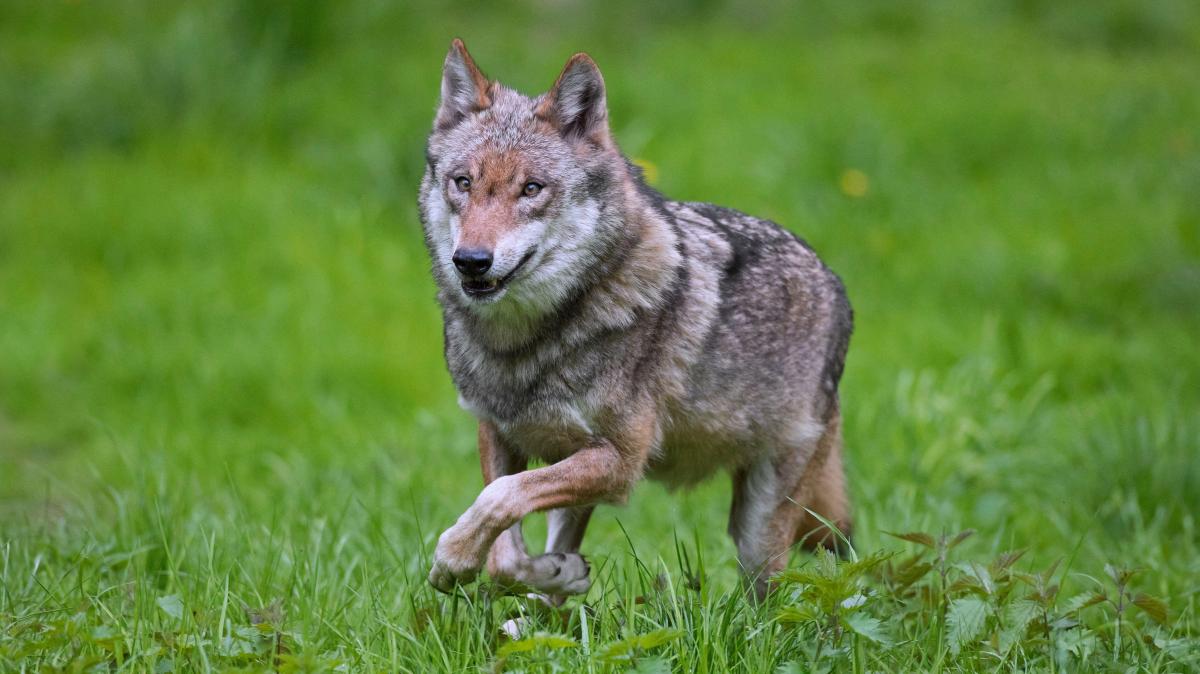
An Italian council has been criticised for spending €50,000 on killing a wolf.
Arno Kompatscher, governor of the German-speaking South Tyrol territory, ordered that two wolves be culled in July after 31 recorded attacks on grazing animals within two months in the Vinschgau Valley, near the Swiss and Austrian borders.
In August, gamekeepers supported by surveillance helicopters slaughtered a 45kg male wolf found among a group of calves at an altitude of 2,800m, before a court intervened to prevent a second culling. It was the first time a wolf had been legally killed in the area for half a century.
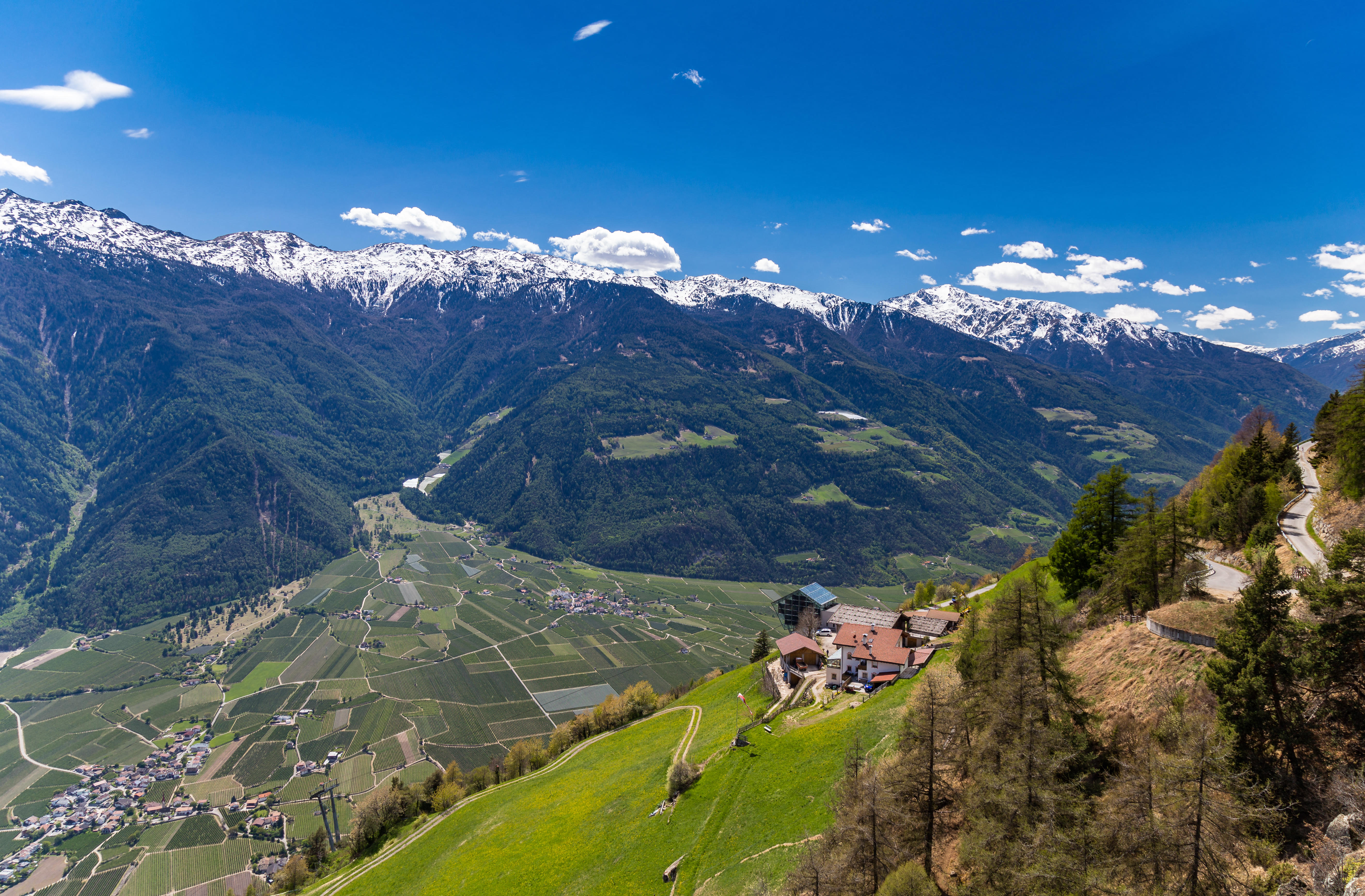
The attacks were reported in Vinschgau valley, South Tyrol
ALAMY
After a freedom of information request the centre-right South Tyrolean People’s Party (SVP), which governs the region, has revealed the operation required 27 helicopter flights, costing the taxpayer €25,511. Gamekeepers’ wages took the total to €50,000.
Animal rights campaigners criticised the expense. “This is a slap in the face to the people,” Massimo Vitturi, head of wild animals at the Anti-Vivisection League, said. Stefano Fattor, a centre-left Democratic Party councillor, said the culling was “ideological”, “populist” and a “concession to the SVP’s rural wing”.
Farmers represent a significant share of the SVP’s voter base, especially in South Tyrol’s lush, agricultural valleys.
• Rome has its wolves back. Now the battle is on to stop a cull
Local wolf populations neared extinction in the mid-1900s but bounced back after they achieved a strictly protected status in 1971. South Tyrol recorded 35 wolves in 2024.
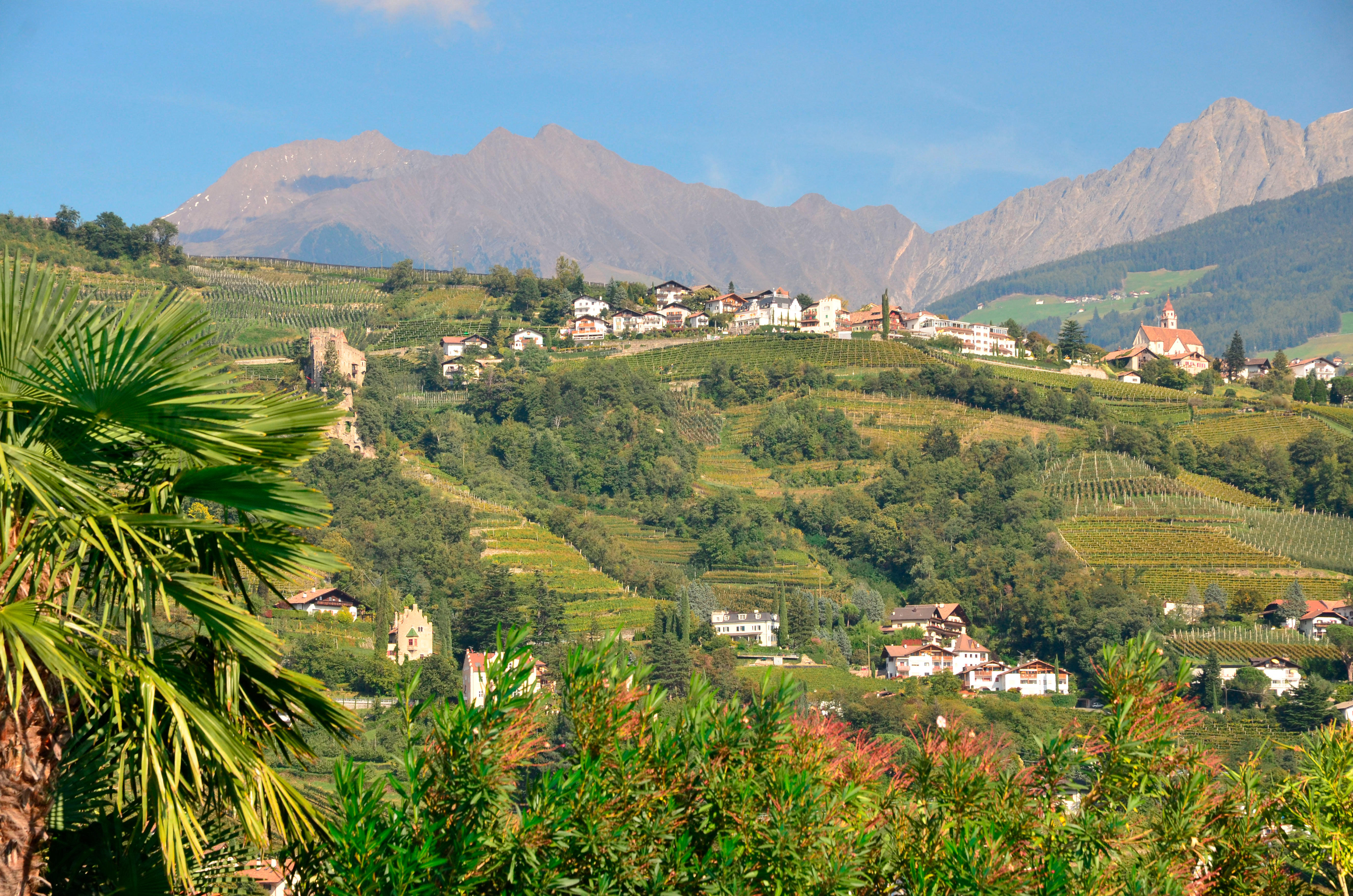
The Texel Mountains, Vinschgau
ALAMY
Their return has been accompanied by rising attacks on livestock: 42 were recorded in the grazing season of 2024 and the local authorities paid farmers €97,864 in damages the previous year.
In June the EU downgraded wolf protection status from “strictly protected” to “protected” to give member states greater flexibility in managing populations. Italy is due to do the same.
At the time of the killing Luis Walcher, South Tyrol’s agriculture chief, said: “Wolves have become an increasing threat to traditional alpine farming and, in some cases, to public safety.”
Vitturi has argued, however, that preventive measures such as electric fences, guard dogs and the presence of shepherds are cheaper and more effective than culling. It was impossible to know whether the felled wolf had actually killed livestock, he said. “To be sure, you’d need to catch it with ties, which is extremely difficult, and carry out DNA analysis.”
The SVP did not immediately respond to a request for comment.