

China and Russia have launched a concerted pushback against Elon Musk’s Starlink satellite network, accusing it of endangering spacecraft and helping criminals, drug smugglers and terror groups.
The two countries, supported by allies including Cuba and Iran, have gone to the United Nations to demand the US rein in Starlink, saying its expansion is breaching international obligations in space.
Russia is furious at the way Starlink has been made available to Ukraine, enabling internet access on the front line for Ukrainian forces fighting the Russian invasion.
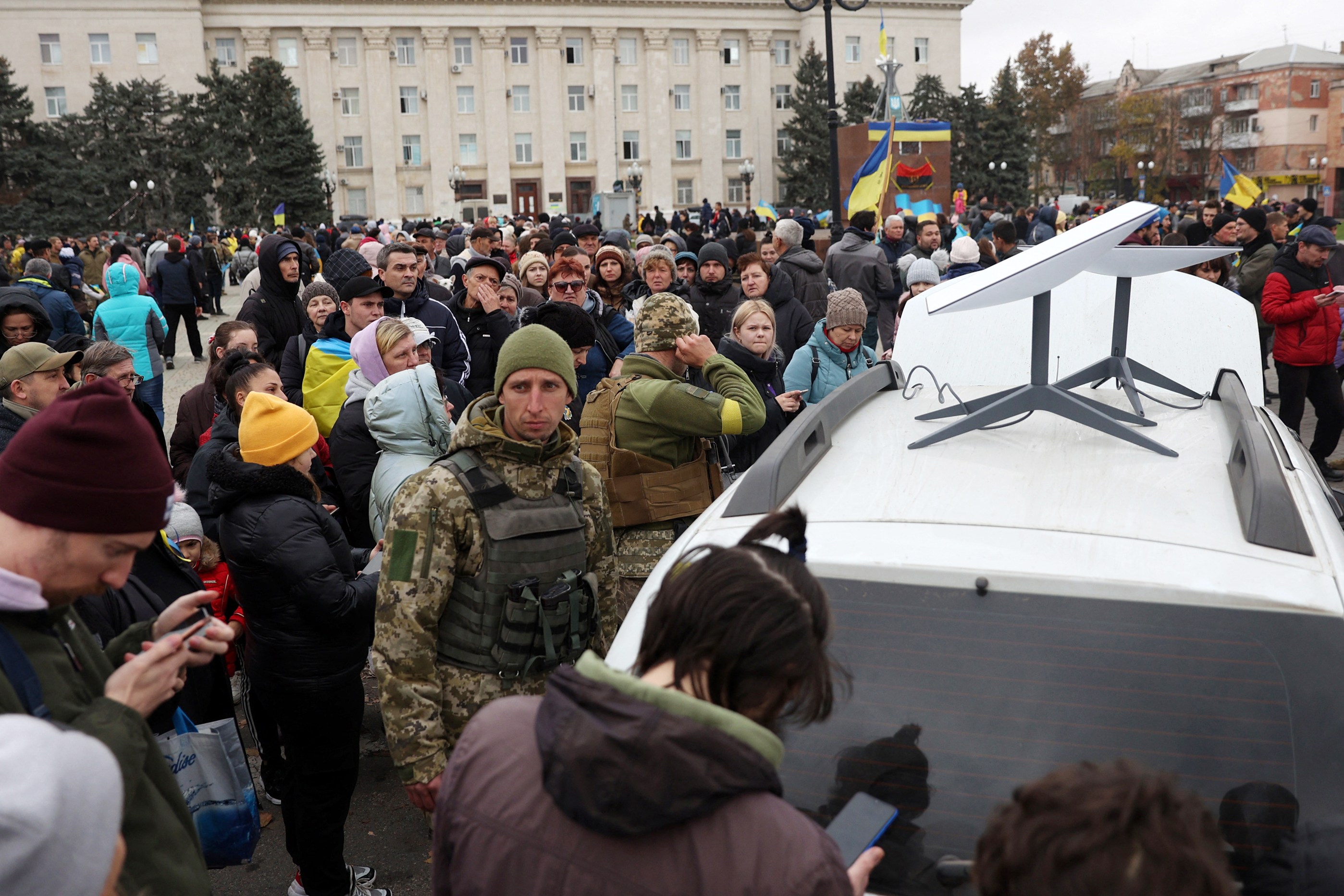
Ukrainians use their mobile phones standing near a Starlink satellite-based broadband station in Kherson
AFP/GETTY IMAGES
China is already gaming how Starlink might be blocked in the case of war over Taiwan, and is increasingly challenging American domination of space in military terms.
“The unchecked proliferation of commercial satellite constellations by a certain country, in the absence of effective regulation, has given rise to pronounced safety and security challenges,” Fu Cong, China’s United Nations representative, told a special UN meeting called by Russia to discuss their complaints.
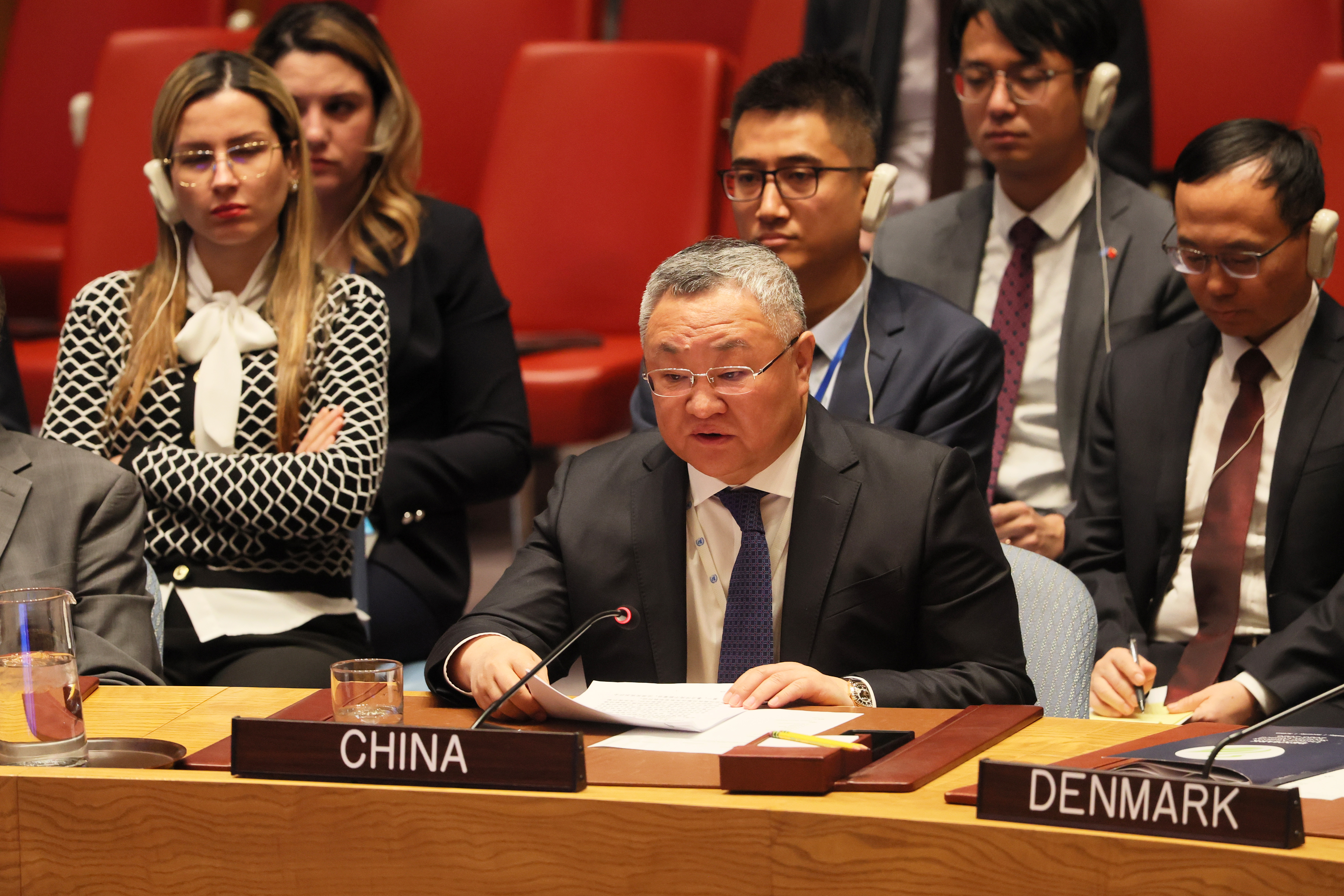
Fu Cong, China’s United Nations representative
MICHAEL M. SANTIAGO/GETTY IMAGES
Musk’s SpaceX now has roughly 10,000 Starlink satellites in orbit, providing international internet access outside the control — and censorship — of individual governments.
Russia, in the Soviet Union’s time America’s main rival, has now fallen far behind in the space race, a sacrifice that became painful with Ukraine’s ability to use Starlink to circumvent internet jamming and attacks on domestic communications systems.
China has its own massive space programme, and its civilian astronauts are determined to beat the United States back to the moon. It is also developing its own rival “mass constellation” internet satellite network to rival Starlink.
In military terms, much remains secret on both American and Chinese sides. But there is no doubt Beijing is concerned that the ability of the United States to combine state capacity and the private sector to dominate less apparently ambitious projects than moonshots has put China at a disadvantage.
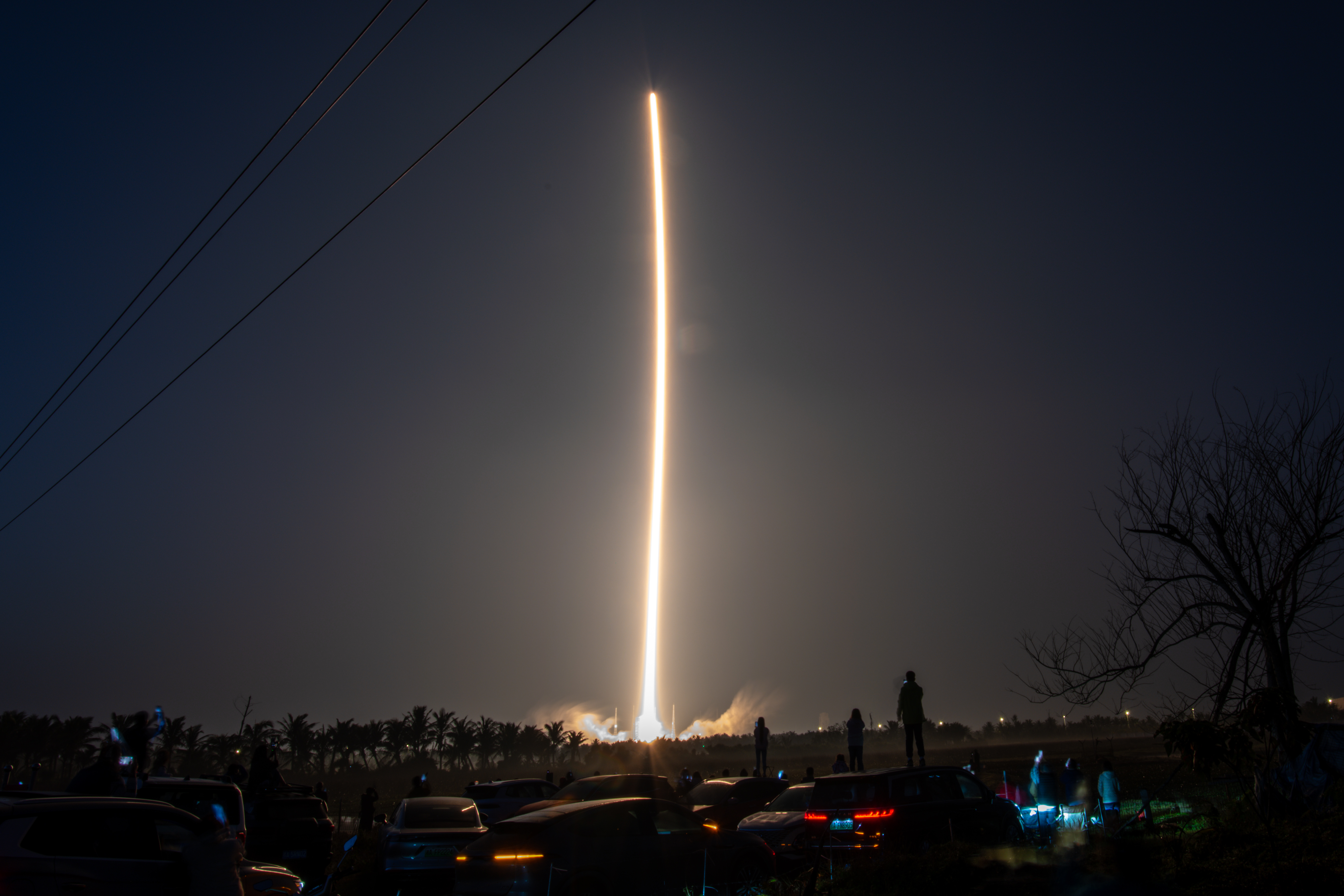
A Chinese Long March-7A rocket carrying satellites blasts off from Wenchang space launch site
LUO YUNFEI/CHINA NEWS SERVICE/VCG/GETTY IMAGES
Two papers published in a specialist journal recently revealed that Chinese scientists were testing methods of blocking Starlink over Taiwan in the case of a conflict over the island. It found that to do so would take at least 1,000 jamming drones — a serious impediment to China’s plans to isolate the island.
Beijing has previously complained of “near misses” between Starlink satellites and China’s space station, known as Tiangong or “Heavenly Palace”. Starlink itself in early December complained that a Chinese satellite space launch came close to one of its satellites.
China’s recent moves began with a fine issued in December to a foreign vessel moored in Ningbo port for using Starlink, which is officially banned. A Chinese statement did not identify the vessel but said the onboard Starlink device had been spotted and records showed it had been used to transmit data inside Chinese territorial waters.
It then complained about an incident in which a Starlink satellite broke down on December 17, shedding some pieces of space debris as it fell to earth.
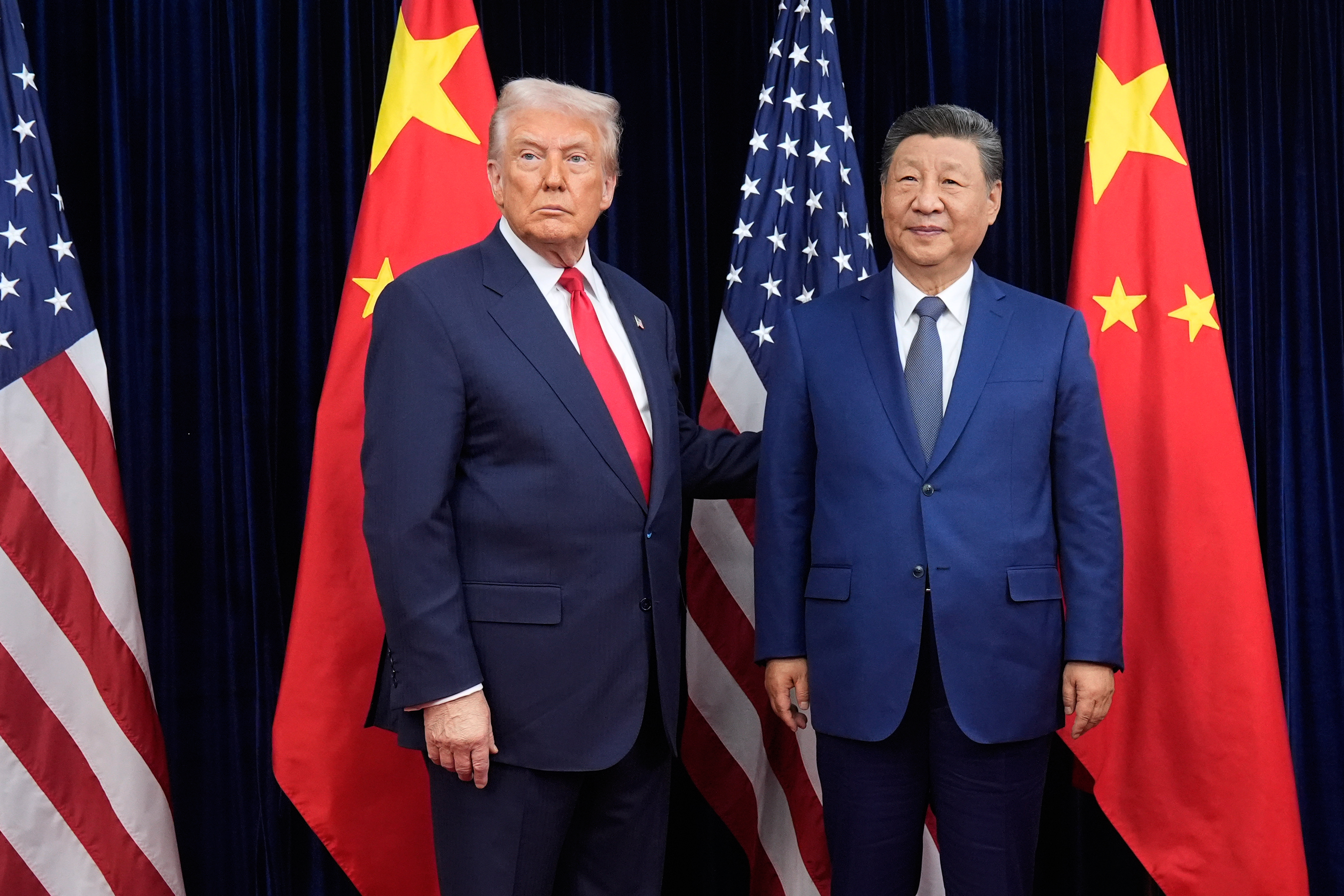
Presidents Trump and Xi
MARK SCHIEFELBEIN/AP
This week, China joined forces with Russia at a security council expert meeting called by Moscow to discuss low earth orbit (LEO) satellite systems, including Starlink, Amazon’s Leo and Europe’s Eutelsat OneWeb. It alleged that these systems, “while claiming to offer cost efficiency, faster data transmission and better overall accessibility, especially in remote areas of various countries” were a threat to state sovereignty and international security.
“Illegally imported terminals have been used to destabilise public order through dissemination of disinformation, manipulation of electoral processes and coordination of anti-government protests from abroad,” a Russian statement said. “Despite their declared commercial and civilian nature, these satellites have played a significant role in armed conflicts, including proxy wars.”
The meeting highlighted claims that terror groups waging insurgencies in Africa have used Starlink, though the Russian statement, with its mention of “proxy wars”, would also seem to be a dig at western support for Ukraine. Russia also called on experts on international crime to show how it was used by organised criminal groups in the drugs trade.
• Terrorists exploit Starlink to spur Africa’s rise to jihadist central
China’s UN representative refused to mention the United States by name, but repeated the past allegations about Starlink near misses and also referred to the military uses of private enterprise satellite installations.
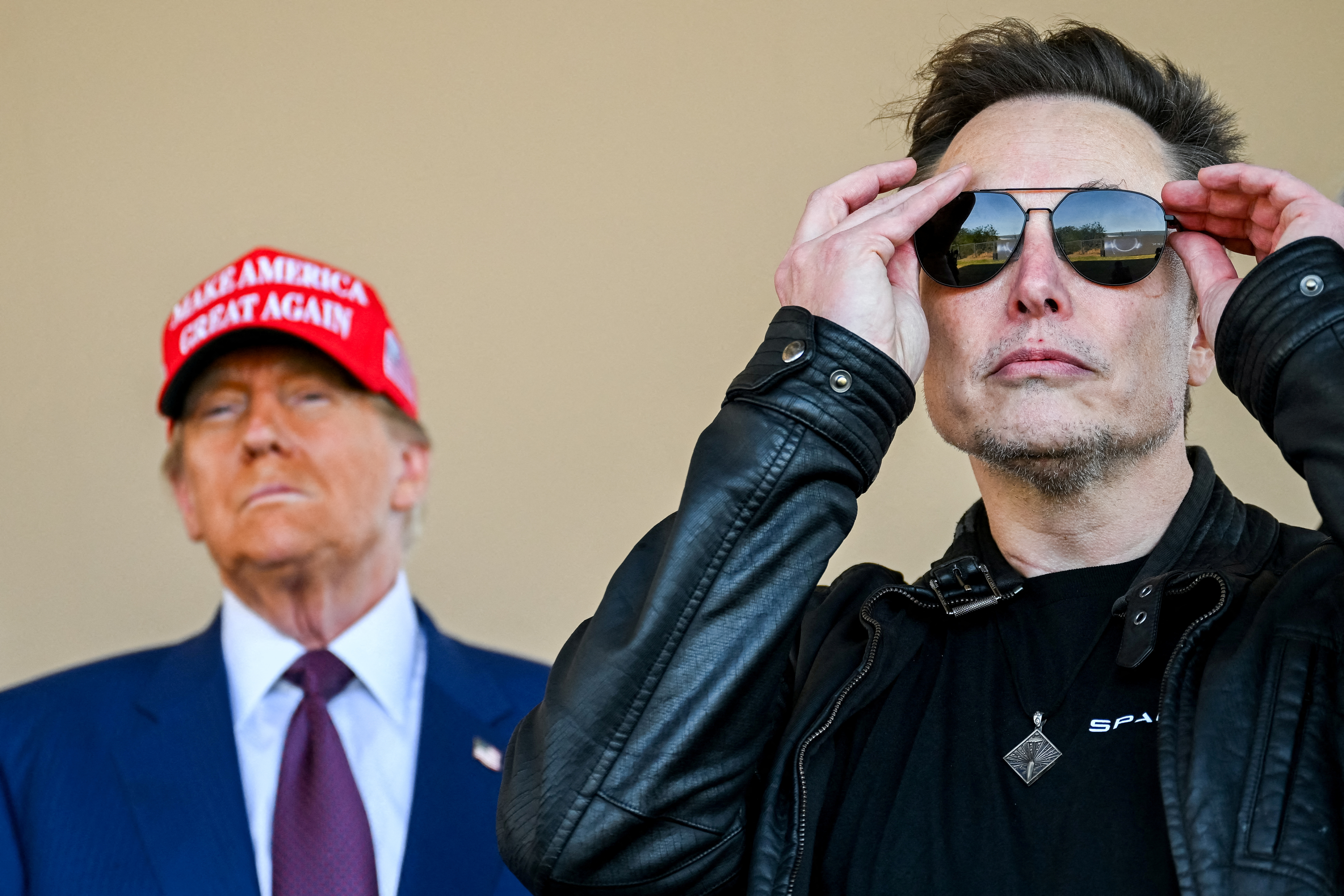
Trump and Musk watch the launch of the sixth test flight of the SpaceX Starship rocket in Brownsville, Texas
BRANDON BELL/REUTERS
“The expanding military applications of such systems aggravate the risk of an arms race in outer space,” he said. “A certain country has made extensive use of commercial space entities to provide military reconnaissance, battlefield communications and other services, and has even directly intervened in armed conflicts in other countries. This has blurred the boundary between military and civilian activities in outer space.”
He called on the “certain country” to “strengthen regulation and oversight of its commercial space activities, and respond to the concerns of the international community”.
The international community in this case included Cuba, which has also banned Starlink, but which also spoke against its deployment, Iran and Pakistan, who spoke in similar terms.
• Elon Musk’s Starlink is rewiring the world — but at what cost?
The United Kingdom however challenged the Russian framing of the discussion, denying that the use of low earth orbit satellites was “uncontrolled” and saying international law was already sufficient to handle the satellites. The United States said that if Russia wanted to stop Ukraine’s use of Starlink against Russian military targets, it could do so easily — by ending the war.