
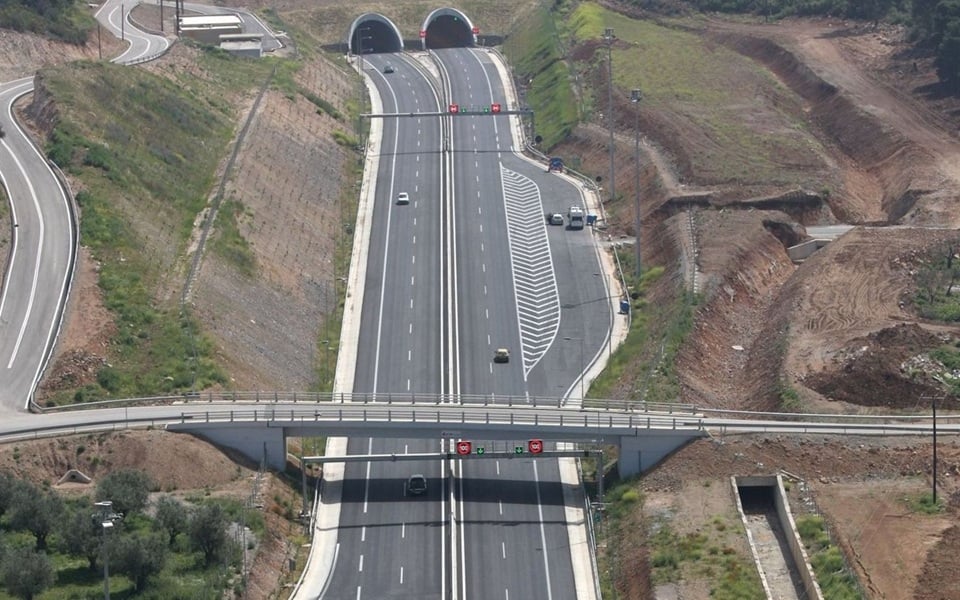
The Greek construction industry is awaiting the concession of infrastructure projects adding up to 10 billion euros in the next few months. The emphasis will be on the sectors of road, railway and energy projects, as well as projects related to telecommunication networks, while the volume of projects that will be implemented through PPPs (public-private partnerships) in the period 2027-2030 is also significant.
In its report on the prospects and challenges of the construction market in the coming years, the Foundation for Economic and Industrial Research (IOBE) predicts that renovations and energy upgrades of the existing “aging” building stock could constitute another important area of future growth for construction companies in the coming years, due to the European and national policies that have been implemented for the green transition.
In the 2024-2026 period alone, IOBE estimates that in the broader construction sector (public and private projects, building) more than €52 billion will be leveraged, demonstrating the momentum developed thanks to the Recovery and Resilience Fund, the EU-funded NSRF for 2021-2027, as well as private investments (including investments in housing), and bank financing.
The total value of signed public works contracts (regardless of budget – including non-technical works) increased from €2.3 billion in 2018 to €5.3 billion in 2024. The highest total value of works contracts was recorded in 2023 (€6.2 billion), then declined by 14% in 2024.
Based on analyses, it is estimated Greece needs additional infrastructure worth €40-50 billion to cover the construction investment gap that arose during the economic crisis. Of this amount, approximately 37% should be directed to investments in energy projects, 31% in railways, 17% in roads and highways, and 6% in waste management projects, while the volume of funds for new public buildings and water resources management projects is also significant.
In 2010-2022, investments in infrastructure, including transport, energy and public services, amounted to just 1% of GDP annually, compared to 2% in the EU, while before the crisis in Greece, annual investments in infrastructure amounted to 3%. This is a discrepancy that has created an annual investment gap of €1.8 billion.