
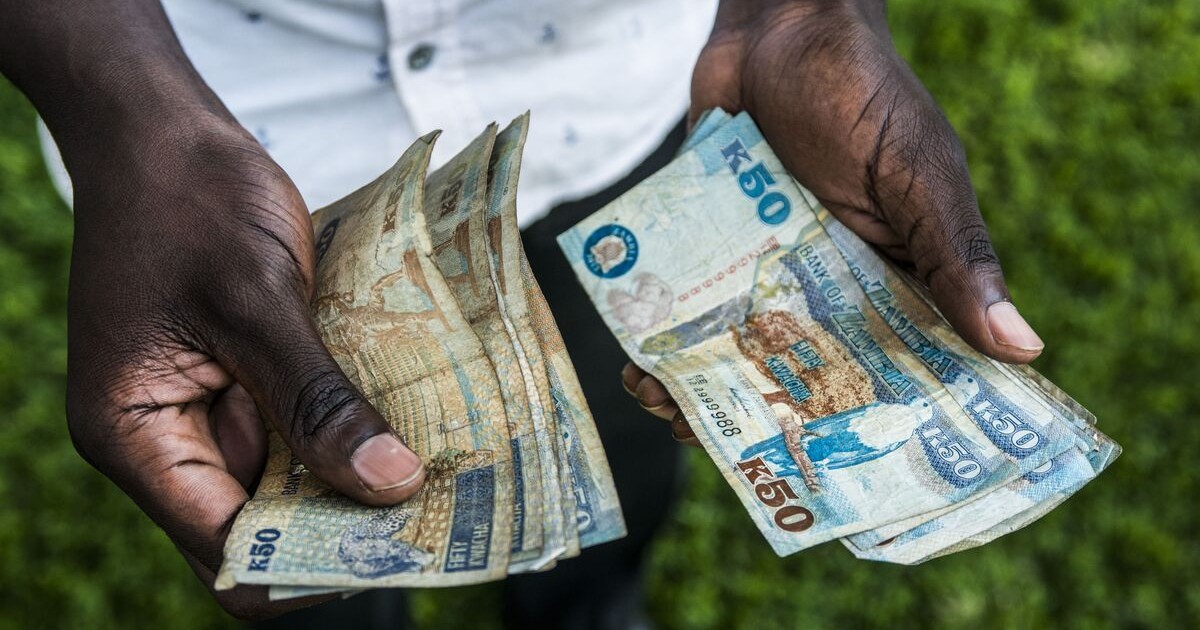
Zambia’s kwacha traded close to its strongest level in more than two years after a government directive to curb the use of foreign currencies in domestic transactions triggered a wave of dollar selling.
The currency climbed as much as 0.9% against the greenback before paring gains to trade 0.4% higher on the day, extending last year’s rally that was fuelled by surging copper prices, according to Bloomberg.The kwacha has strengthened more than 2% this week alone.
The latest appreciation reflects a sharp rise in foreign-exchange supply driven by what Chipo Shimoomba, a treasury dealer at First Alliance Bank in Lusaka, described as “panic selling” of dollars following the government’s de-dollarisation push.
In December, the Bank of Zambia instructed market participants to settle all domestic transactions in local currency, thereby reinforcing the kwacha’s status as legal tender.
The directive has accelerated the liquidation of dollar holdings, creating a bullish short-term outlook for the currency.
Demand for dollars has also eased as factories across Zambia shut down for the Christmas break and are only due to resume operations next week, temporarily reducing import-related currency needs.
Copper windfall lifts inflows
Zambia, the continent’s second-largest copper producer after the Democratic Republic of Congo, benefited from record-high copper prices, which boosted export revenues and foreign inflows.
The Lusaka Stock Exchange also delivered some of the strongest returns in emerging markets in both local and dollar terms.
Beyond commodity gains, President Hakainde Hichilema’s progress on restructuring Zambia’s debt has further improved investor sentiment ahead of his bid for a second term in August.
In a further sign of shifting financial dynamics, Zambia recently became the first African nation to formally accept China’s yuan for mining taxes and royalties, underscoring Beijing’s growing influence across the continent’s most strategic resource sectors.