
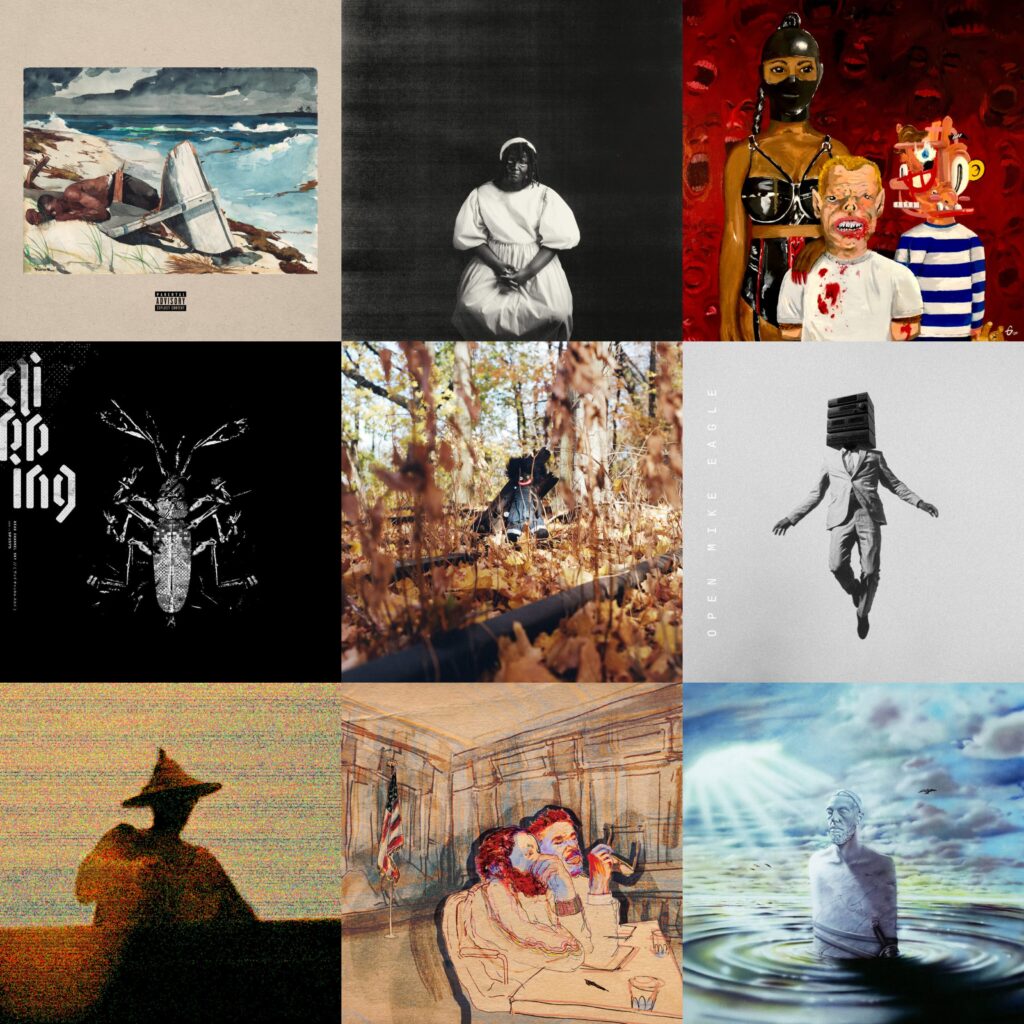
Avant-garde Hip Hop never stays still, and 2025 kept that energy alive. Across the underground, artists kept tearing up templates and building new ways to experience rhythm and sound. The year gave us projects that thrive on risk—records that don’t care about playlist trends or listener comfort. They move through noise, space, and distortion like language, reshaping Hip Hop’s edges with every release.
This is the side of the culture that’s never needed permission. The producers and emcees behind these albums were busy twisting conventions until they collapsed. Some turned minimalism into chaos, others made dense collages from scraps of jazz, ambient, and industrial textures. The result isn’t always easy on the ear, but that’s the point—this music makes you listen differently. It builds a kind of tension that forces focus, turning disorientation into its own rhythm.
What’s striking in 2025 is how refined the experimentation has become. The distortion, the broken patterns, the processed vocals—all of it feels like part of a larger design. You can trace each idea back to lineage: the early Def Jux catalog, the art-rap explorations of the 2010s, the tape-trading scenes that inspired them. But this new wave isn’t recycling; it’s rebuilding Hip Hop from its raw materials, rethinking what a beat or a verse even needs to do.
These 40 albums tell that story in full. They stretch the genre’s possibilities without losing its heart. The artists behind them treat experimentation as conversation, not rebellion—each release adding new grammar to Hip Hop’s language. In a year where the mainstream chased formula, this corner of the culture refused the blueprint entirely, and the result was some of the most fearless music of 2025.
Ghais Guevara – Goyard Ibn Said
Ghais Guevara forges Hip Hop that detonates without apology. From Philadelphia’s raw edges, Jaja Gha’is Robinson wields a snarling delivery over beats dense with chopped soul, orchestral stabs, and cartoon glitches. His music crackles with political fury — capitalism and white supremacy dissected through wit as lethal as any sermon.
Goyard Ibn Said unfolds as a two-act tragedy of ambition. Act One surges triumphant — “The Old Guard Is Dead” layers trap snares and sweeping strings while Guevara claims rap’s throne. Then darkness descends. Act Two confronts the wreckage: “Bystander Effect” with ELUCID grinds through claustrophobic dread, “The Apple That Scarcely Fell” with McKinley Dixon heavy with loss.
He channels Lauryn Hill’s soul, OutKast’s eccentricity, Public Enemy’s fire — all filtered through a mind that refuses compromise. Production twists like a blade. Samples mutate into weapons. Goyard Ibn Said grapples fame’s illusion against Black reality — swagger crumbling into grief. Guevara’s alchemy lies here: beauty born from confrontation, art inseparable from rage. The result grips like prophecy, alive and unyielding.
Fines Double – Espejismo
Fines Double conjures a shadowed realm with Espejismo. This Portland producer follows his 2021 debut Flotar by sharpening left-field Hip Hop into something hypnotic, deliberate. Fourteen tracks unfold through sparse drones and ominous swells — beats that coil tension without release, pulling listeners into deliberate unease.
Guest rappers ignite the haze. AJ Suede’s surreal drift haunts “Misanthropic Optics.” Old Grape God drifts ghostly through “Abandoned Shopping Malls.” Sleep Sinatra, Defcee, and Semiratruth slash “Opposite of Hell” with precision over brooding pulse. billy woods lends weight to “Levant,” his voice threading hypnotic grooves. Curly Castro snaps “Sundown Science” taut — compact menace carved from tight restraint.
Fines Double masters texture over flash. Production breathes — layers shift from meditative void to layered threat, each track a self-contained trap. Espejismo grips through balance: experimental haze meets lyrical blade-work. The result immerses completely, unconventional Hip Hop rendered vivid and inescapable. No filler disrupts the spell. This record demands close ears, rewarding immersion with a world both alien and alive.
Doseone & Steel Tipped Dove – All Portrait, No Chorus
All Portrait, No Chorus from Doseone and Steel Tipped Dove is a sparse and challenging listen that pushes the edges of Hip Hop’s usual structures. The production by Dove is ethereal and abstract, filled with dreamy loops, disjointed rhythms, and haunting textures that create an almost otherworldly atmosphere. Doseone’s unorthodox delivery, part spoken word and part rap, weaves through the beats with a surreal flow that can be difficult to latch onto at first. His lyrical content—dense with metaphors and esoteric references—demands attention and repeated listens to fully absorb.
The album features guest appearances from notable figures like billy woods and Quelle Chris, who bring a sense of weight and depth to the project, though they are used sparingly. The overall tone of the album is introspective and cerebral, with a focus on mood and abstract storytelling rather than catchy hooks or conventional song structures.
All Portrait, No Chorus is not an easy listen but it rewards those who are willing to immerse themselves in its strange, labyrinthine sound world. Fans of experimental, left-field Hip Hop who appreciate a more challenging, unconventional approach, will find plenty to enjoy here
Miles Cooke – ceci n’est pas un portrait
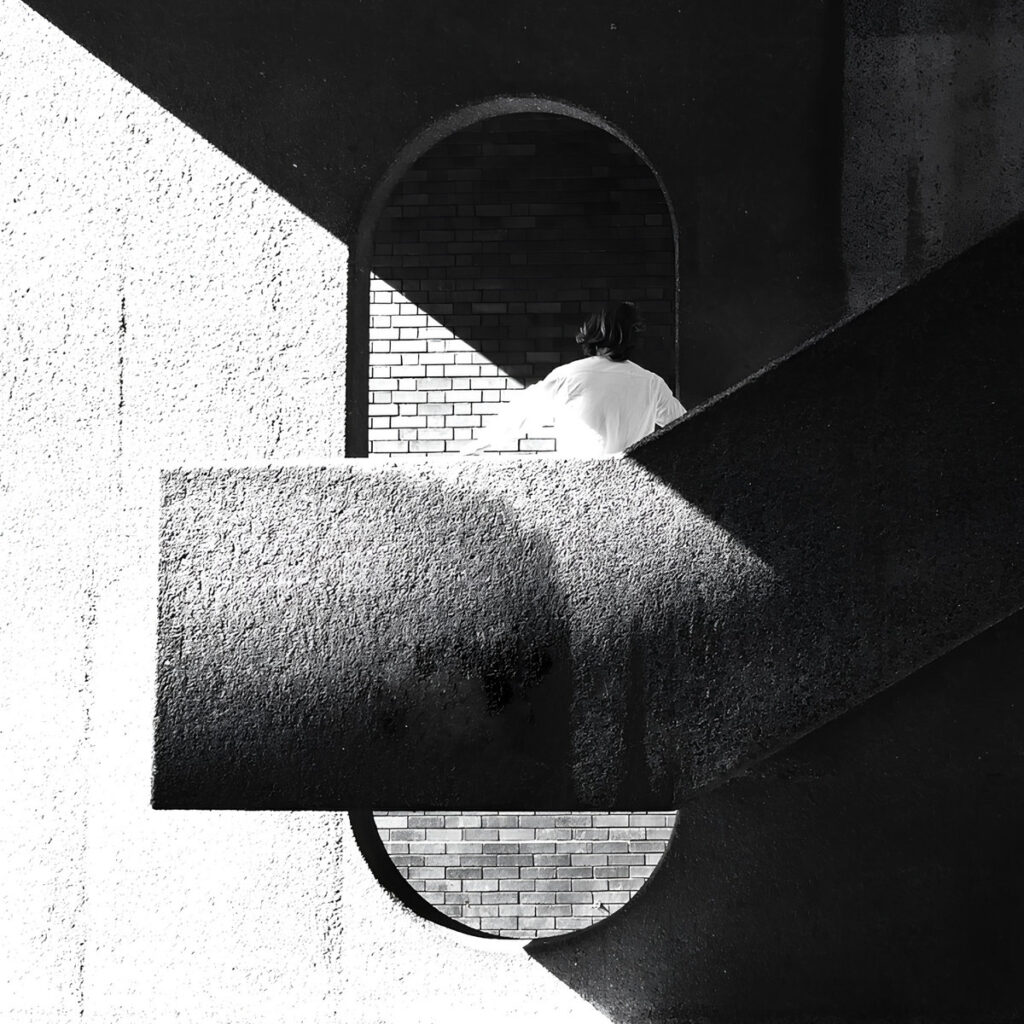
Miles Cooke’s ceci n’est pas un portrait thrives on tension—between faith and despair, grit and grace, structure and improvisation. The album, a cerebral labyrinth of dark humor and vivid introspection, carries the weight of existential fatigue, delivered through Cooke’s raspy, lived-in voice. Each line feels less like a recitation and more like an urgent confession, made in the margins of a world spinning out of control.
Cooke’s beats, along with contributions from Foule Monk, Roper Williams, and Jeff Markey, evoke smoky backrooms and shadowed cityscapes. Sparse jazz pianos collide with menacing basslines, crafting a sound as uneasy as the truths Cooke lays bare. Guest verses from Defcee, SKECH185, and RAMA expand the narrative’s layers, blending camaraderie with critique.
This is an album that doesn’t seek comfort. Instead, it confronts the absurdity of modern life with sharp metaphors and a wry gaze, offering listeners a brutally poetic mirror.
At 32 minutes, the album is on the short side, but its brevity doesn’t detract from its impact. Recommended for fans of edgy underground Hip Hop, ceci n’est pas un portrait delivers a raw, uncompromising experience that lingers long after the final track.
Mike – Showbiz!
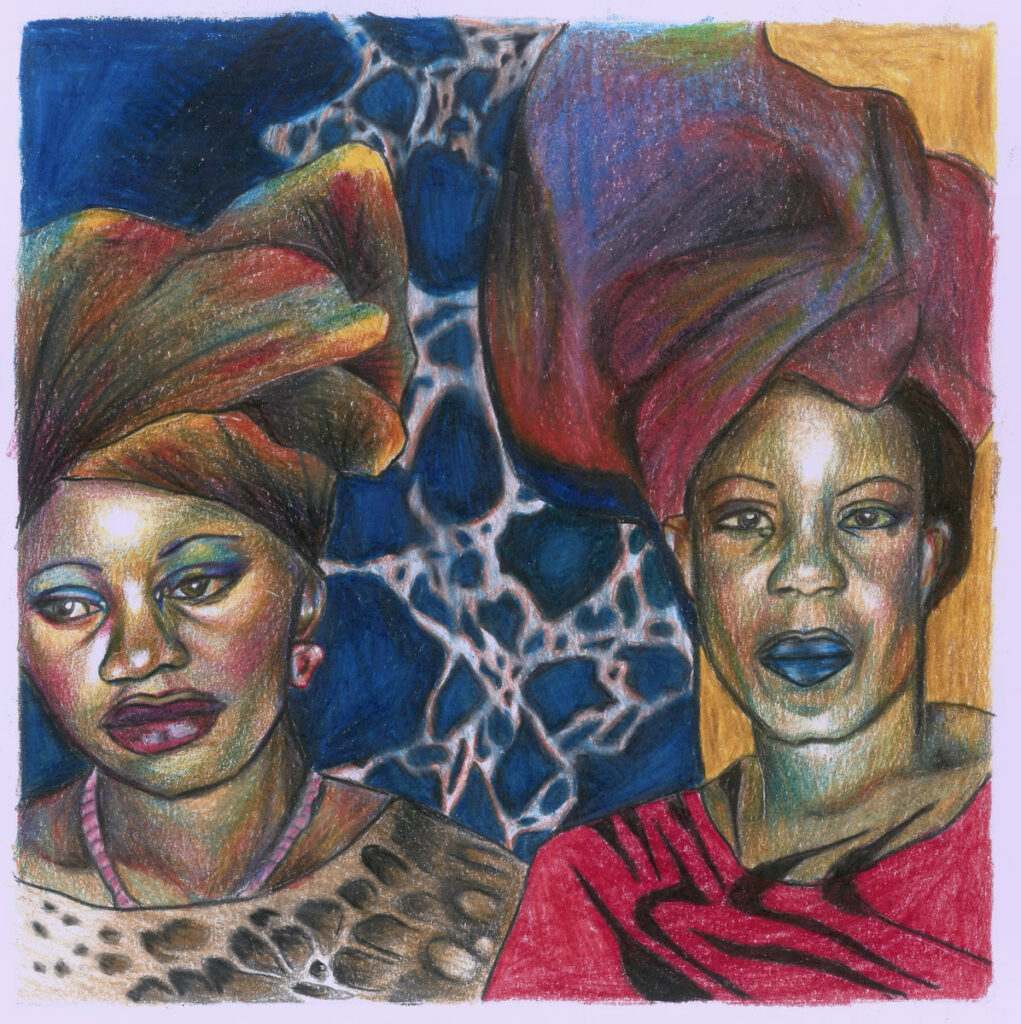
MIKE crafts Hip Hop that unfolds like a late-night subway ride through familiar streets — his voice a low, gravelly murmur drifting over beats steeped in lo-fi soul and understated warmth. Born Michael Jordan Bonema in 1998, he grew up across New Jersey, Philadelphia, London, and the Bronx, channeling that rootless perspective into music marked by introspection and quiet resilience. Early releases like Winter’s Bloom (2016), May God Bless Your Hustle (2017), Disco! (2021), Beware of the Monkey (2022), and Burning Desire (2023) build a foundation of warped jazz loops and personal reflection, his DIY approach thriving through the 10K Projects label.
In 2025, he refined this vision further. Showbiz!, self-produced as DJ Blackpower, gathers 24 brief vignettes into a hazy meditation on transience — warm, pitched-up soul samples and Venna’s saxophone weaving through tracks like “Lucky,” where MIKE contemplates fleeting joys with patient wisdom.
MIKE’s style draws from MF DOOM’s playful density and Earl Sweatshirt’s shadowed depth, yet carves its own lane — cadences swaying gently into any rhythm, lyrics threading grief and growth without resolution. His music lingers, heavy with hope, a steady document of life observed from the margins.
Pink Siifu – Black’!Antique
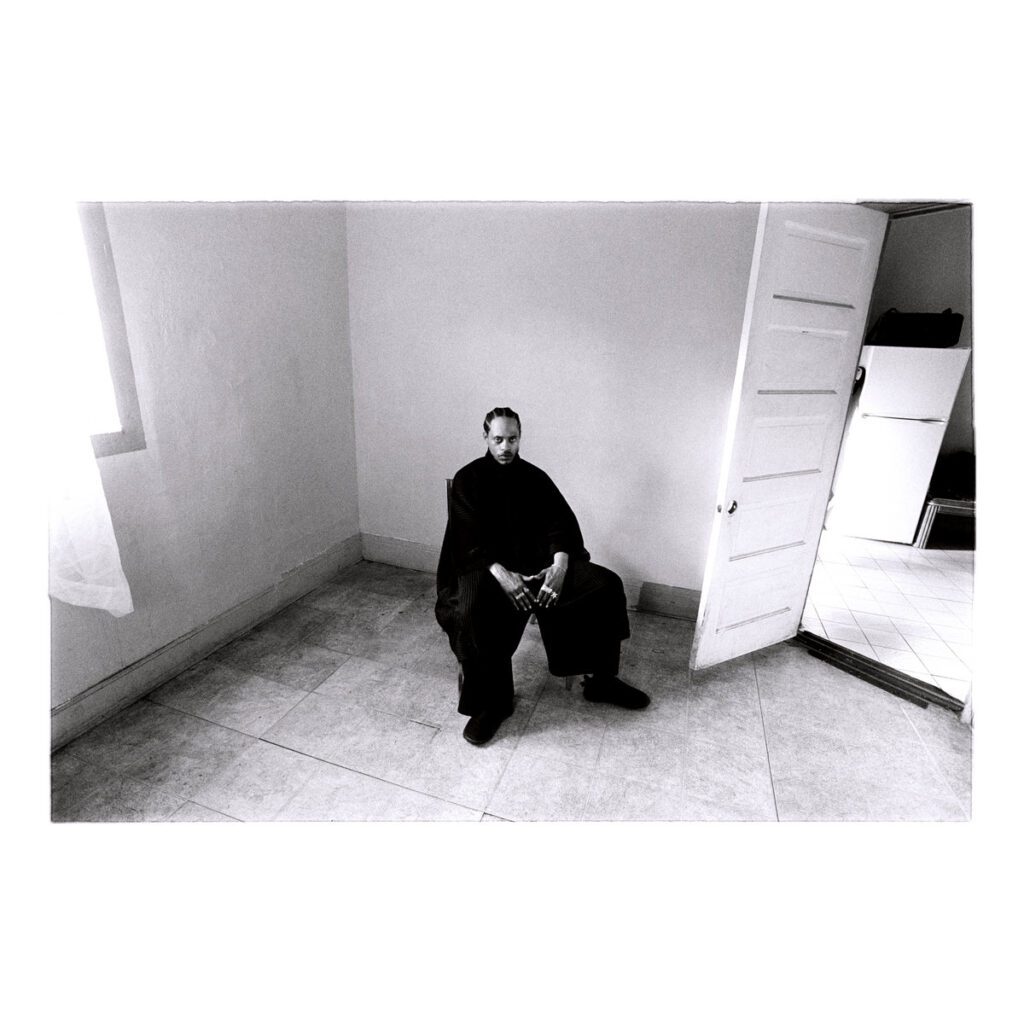
Pink Siifu’s BLACK’!ANTIQUE crackles with restless ambition, pulling hazy loops, blown-out beats, and warped vocals into one dense sprawl. Born Livingston Matthews in 1992 between Birmingham and Cincinnati, the rapper-singer-producer twists Hip Hop’s edges into unstable shapes—here channeling the raw rage of NEGRO (2020) and Southern soul of GUMBO’! (2021) into tracks that bleed from industrial grind to smoke-filled drift. Production swings wide: “ALIVE & DIRECT’!” buzzes chaotic, “TRANSLATION’!” sinks into murky jazz haze.
Siifu’s voice moves fluidly—guttural chants over grizzled guitars one moment, subdued murmurs the next—carrying fragmented confessions on survival, heritage, and memory. Guests like bbymutha on “1:1[FKDUP.BEZEL]” and 454 weave through the mix, their voices folding into the haze without breaking stride. “SCREW4LIFE’! RIPJALEN’!” chops DJ Screw’s echo into trap elegy, letting warped synths frame snarls of personal and collective weight.
The album unfolds long and immersive, tracks merging into unexpected turns that demand focus. Siifu ignores clean structure, letting sound dictate pace—overdriven thumps give way to intimate strips, urgency threading every shift. From marching band roots to LA beat sketches as iiye, he stitches Black experience into every frayed seam. BLACK’!ANTIQUE rewards the patient, turning chaos into a vivid, evolving document of an artist who refuses containment.
Omari Hardwick – BuffalOes & Butterflies
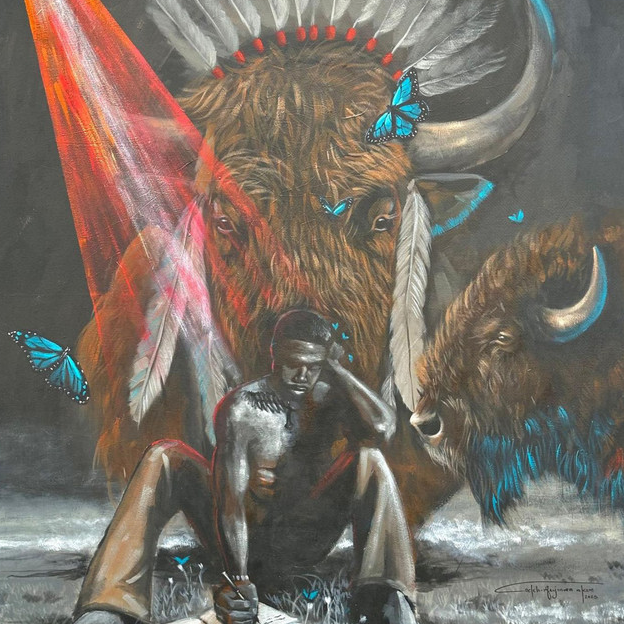
BuffalOes & Butterflies unfolds across nearly two hours and 22 tracks, Omari Hardwick’s debut drawing from spoken word, rap, and melody to trace strength against transformation. The actor-poet, known for Power’s Ghost, shapes an expansive cycle through fatherhood, legacy, masculinity, and spiritual shift. Released March 7, 2025, the record leans cinematic—jazz-rap grooves, conscious Hip Hop pulse, R&B drift—its warm, laid-back beats giving every line room to settle.
Hardwick moves fluidly between poetic narration and smooth singing, his voice heavy with deliberate weight. “SURViVOR” opens the frame, “BuffalOes & Butterflies” sets the tension between grounded grit and fragile change. Tracks stretch long—“Dinner Time” runs over nine minutes as audio story, “SLIPPERY SLOPE” digs into fame’s pressure over seven. “I DO” closes with raw marriage confession, its Erase outro lingering. Interludes like “1 TiME” with Kevin Hart and “buMbOclaat” break the flow with spoken texture.
Guests thread through without dominating: Big Daddy Kane, Raphael Saadiq, Fat Joe add color to the reflective core. Production stays atmospheric, favoring space over density—keys, bass, faint percussion framing verses that demand focus. Hardwick breaks radio molds with theatrical runtime, turning the album into one unbroken listen. His voice anchors every mood, turning personal excavation into something patient and lived-in.
ZelooperZ & Real Bad Man – Dear Psilocybin
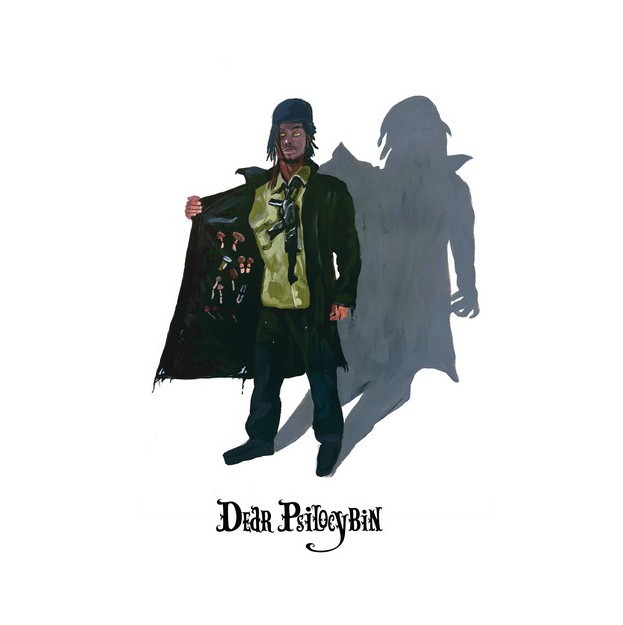
Dear Psilocybin is hypnotic, murky, and unsettling in the best way. ZelooperZ drifts between clarity and delirium, his voice stretching and slurring over Real Bad Man’s eerie, off-kilter loops. The beats feel warped, with flutes, dusty samples, and haunting melodies swirling in and out of focus. Tracks like “Sweet Celine” and “World Blew” feel weightless, floating in a hazy dream, while “Explains It Scientifically” twists doo-wop elements into something ghostly and unsteady.
ZelooperZ is unpredictable, shifting flows and vocal tones mid-bar. At times, he sounds detached, his delivery fading into the production like a voice lost in thought. The lyrics carry an underlying tension, touching on substance use, paranoia, and self-destruction without losing the album’s detached, almost psychedelic mood. The production keeps everything in orbit, giving even the strangest moments a loose sense of structure.
Real Bad Man and ZelooperZ build a surreal, insular world where melodies dissolve into noise, and verses slip between lucidity and delirium. It’s an album that feels lived-in, like a night of distorted memories pieced together the morning after.
Otis Mensah & the intern – before the noise my cousin
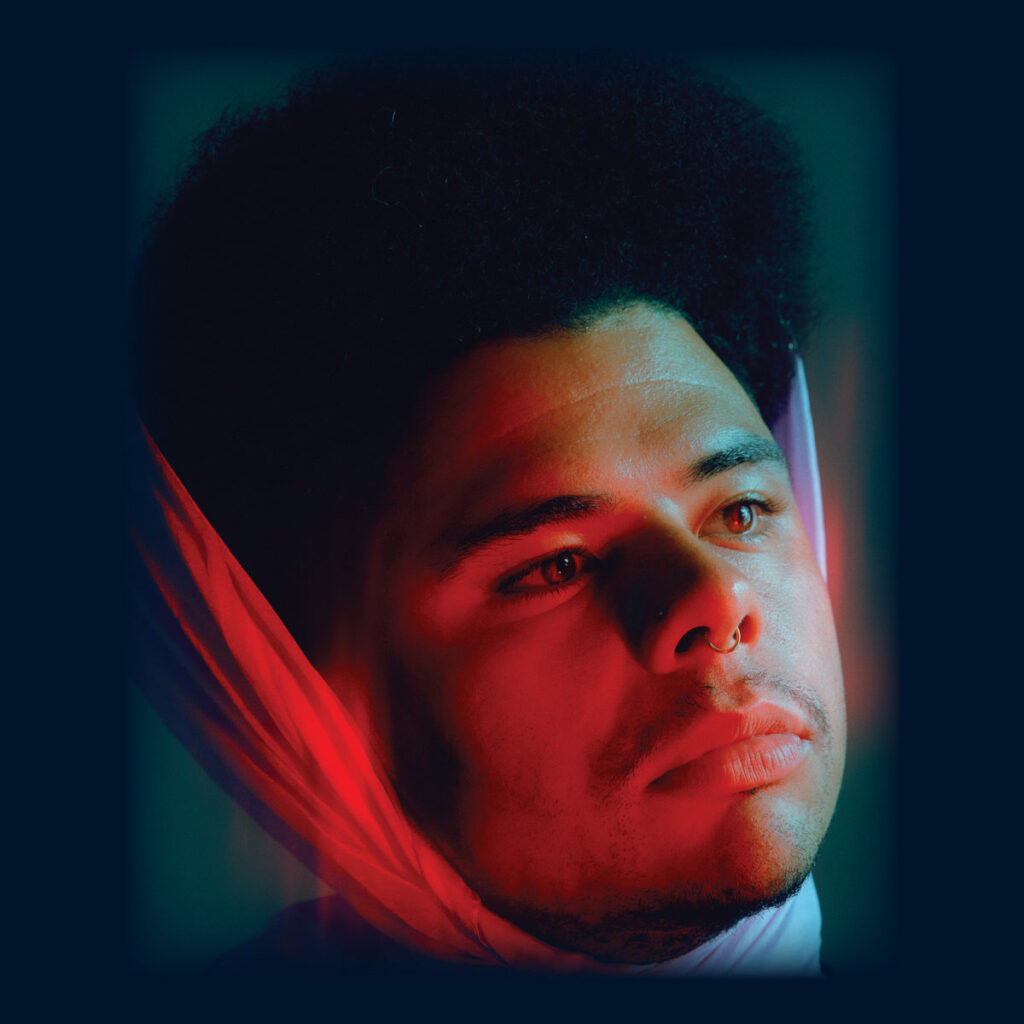
before the noise my cousin moves through hazy, jazz-inflected production with Otis Mensah’s introspective lyricism floating over the intern’s abstract beats. The album drifts between spoken-word poetics and off-kilter rap cadences, shaping a dreamlike atmosphere where memories and emotions dissolve into sound.
The production is built on airy textures—muted horns, soft percussion, and warm synths—giving space for Mensah’s voice to roam. Tracks stretch and contract in unpredictable ways, mirroring the transient themes of youth, identity, and creative struggle. There’s a looseness in the structure, but nothing feels directionless.
Lyrically, Mensah navigates artistic ambition, self-doubt, and the weight of time with a delivery that teeters between urgency and reflection. Guest appearances from Blu, Speech of Arrested Development, and Lando Chill add texture without overshadowing the album’s deeply personal tone.
before the noise my cousin unfolds like a late-night conversation—wandering, vulnerable, and fully committed to artistic freedom.
Bigg Sluggathor – The Wizard Behind The Curtain
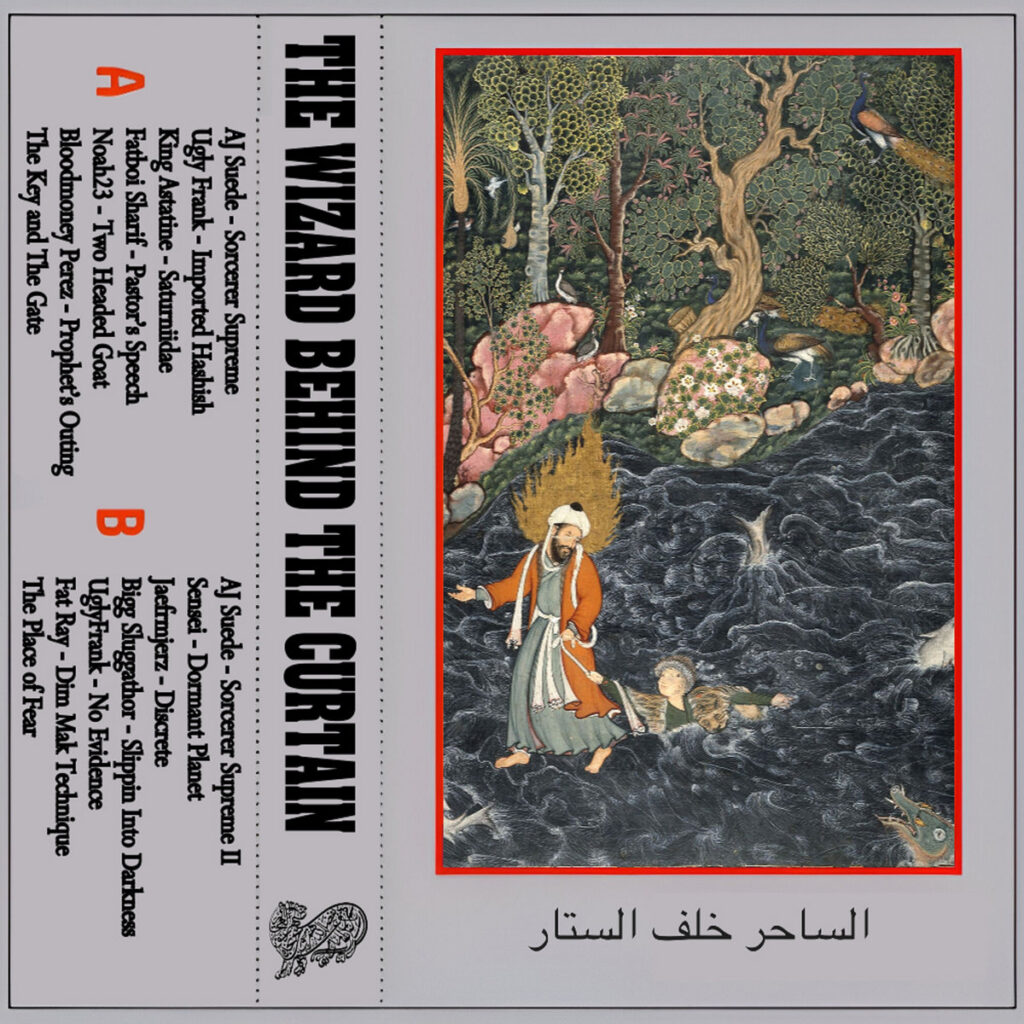
Bigg Sluggathor’s The Wizard Behind The Curtain pulls from deep underground currents, shaping a dark and hypnotic producer’s album. The beats hit heavy but stay loose, moving between eerie loops, raw percussion, and textures that feel warped at the edges. Nothing here is clean-cut—every snare, every bass hit lands with grit, dragging the listener deeper into a haze of low-end thump and detuned melodies.
AJ Suede kicks things off on “Sorcerer Supreme,” riding a creeping synth line with a measured, almost incantatory delivery. Ugly Frank’s “Imported Hashish” switches gears with a stumbling, off-kilter rhythm, while Noah23’s “Two Headed Goat” feels jittery, like a broadcast from a fractured reality. Fatboi Sharif brings the unsettling energy up another notch on “Pastor’s Speech,” his voice shifting between sermon and delirium over a beat that rattles like bones in a tin can.
This is raw, underground Hip Hop with a heavy dose of the surreal—unpolished, immersive, and full of strange magic.
Backxwash – Only Dust Remains
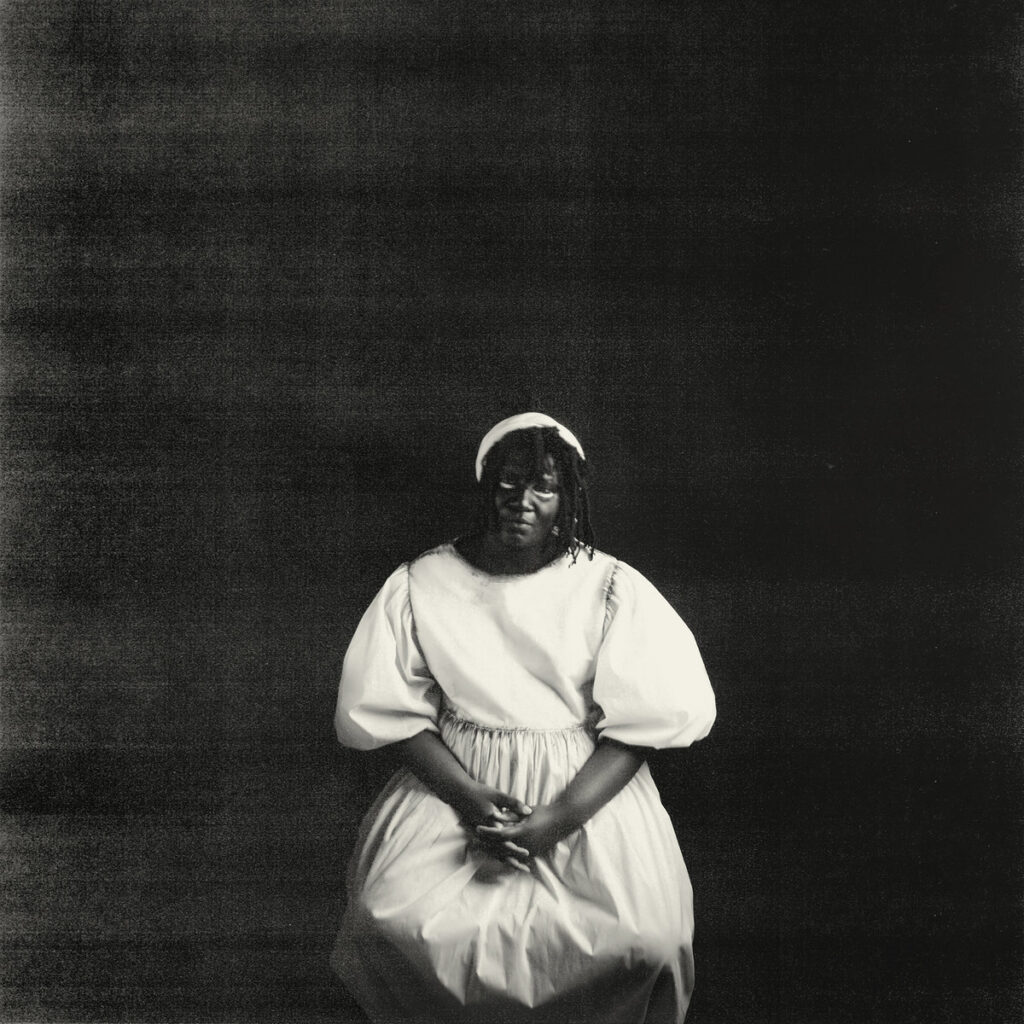
Only Dust Remains hits hard from the start. “Black Lazarus” swells with choral haze before drums and distortion crash in, framing Backxwash’s scorched fusion of industrial metal, horrorcore, and gospel. The Montreal rapper-producer sharpens her signature weight into ten tracks of deliberate confrontation—survival, guilt, and transformation carved with cold precision.
This moves past her trilogy’s suffocating dark into controlled shadow. “Wake Up” grinds seven minutes through stacked synths and percussion, breaking into warped gospel on a furious refrain. “9th Heaven” races with drum’n’bass speed for release, while “Dissociation” slows to post-rock drift, Chloe Hotline’s voice floating through depression’s weight. Every turn lands intentional, distortion shaped for punch over mess.
Backxwash roots her bars in ritual and defiance. “History of Violence” names Gaza’s war with raw focus on suffering, no filler. “Stairway to Heaven” balances jazz and metal edge, claiming the void over dread. The title track seals it—Nina Simone’s sample on selfhood turns reckoning into displacement’s echo.
Her sound stays dense and unyielding, clarity replacing excess flash. Backxwash redefines heavy rap’s terms, voice cutting steady through the storm she builds.
PremRock – Did You Enjoy Your Time Here…?
PremRock shapes Did You Enjoy Your Time Here…? with a storyteller’s control, dense verses threading wit through vivid imagery. The New York rapper—longtime ShrapKnel member and underground mainstay—unpacks introspection track by track, humor grounding heavier reflections. Production shifts from hazy loops to crisp drums and eerie synths, Blockhead, ELUCID, YUNGMORPHEUS, and Small Professor keeping moods distinct but cohesive.
“Steal Wool” with Pink Siifu adds smoky texture, “Aim’s True” with AJ Suede and Curly Castro brings vocal edge. “A Good Man is Hard to Find” simmers through moral questions, “Receipts” with billy woods sparks verbal chess. “Plunder” surges with chaotic pace, mirroring excess and collapse. Every line lands casual at first, then cuts deeper—never vague, always anchored by phrase or image.
The record answers Load Bearing Crow’s Feet with sharper playfulness, no less thoughtful. PremRock’s voice stays measured, earned through years of craft, every bar placed exactly. The title track closes, question lingering unanswered. His command of pace turns conversation into architecture.
clipping. – Dead Channel Sky
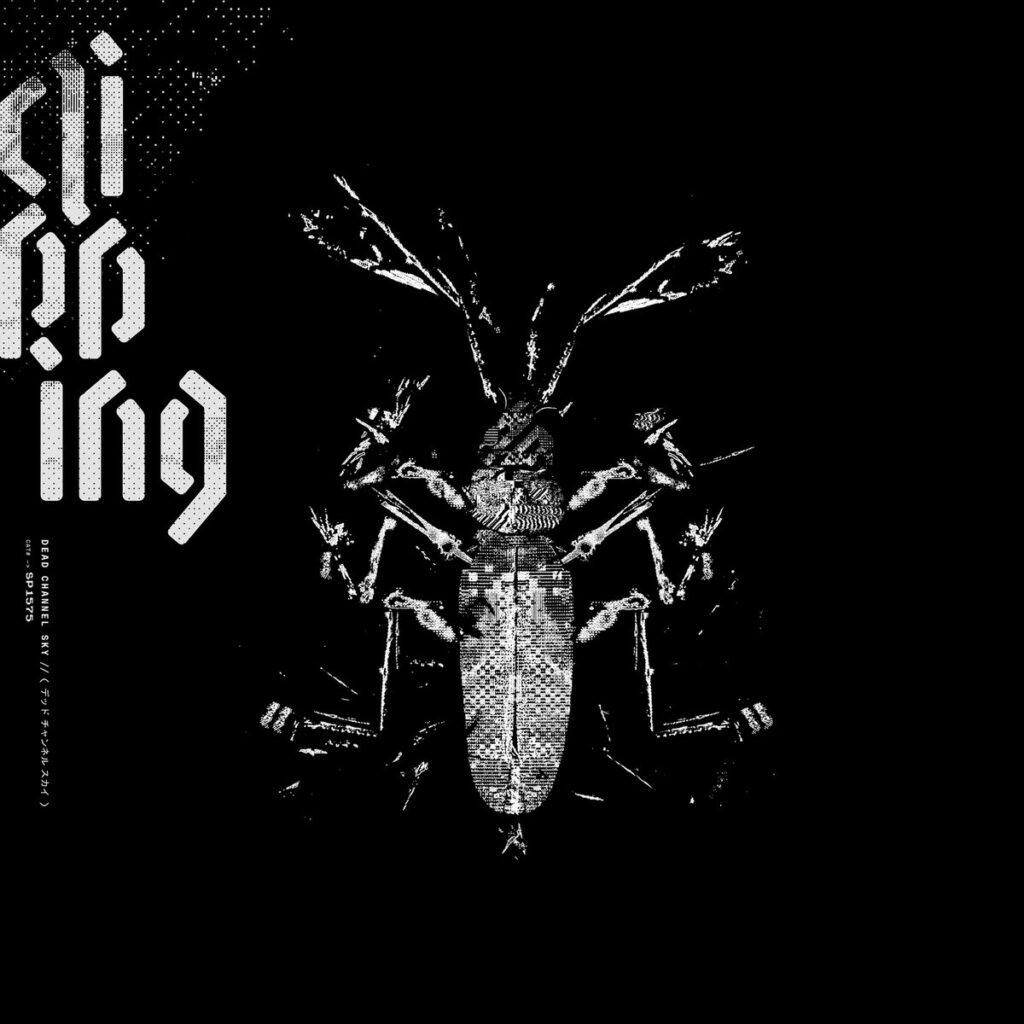
clipping. kickstarts Dead Channel Sky with a modem screech that rips into “Dominator,” setting five years’ worth of pent-up chaos loose. Daveed Diggs, William Hutson, and Jonathan Snipes plunge into cyberpunk paranoia across 20 tracks—glitchy synths, rave breakbeats, and industrial grind framing Diggs’ rapid-fire dissection of digital decay and surveillance dread.
Production surges like rogue code. “Change the Channel” slams stuttering synths against relentless drums, “Run It” chases with deep bass and skittering hi-hats. Interludes like “Simple Degradation (Plucks 1-13)” crackle disjointed, mimicking a hacked mixtape. “Mirrorshades pt. 2” with Cartel Madras hums glitch-house loops, while “Ask What Happened” closes with dreamy synths over breakbeats and raw history.
Guests sharpen the edges—Aesop Rock quirks “Welcome Home Warrior,” Nels Cline warps “Malleus” guitar into dissonance, Tia Nomore hooks “Scams.” Hutson and Snipes lean hard into techno pulse and ’90s rave floor energy, distinct from Visions of Bodies Being Burned’s horror or Splendor & Misery’s Afrofuturism.
Diggs’ verses cut surgical through the noise—street grit meets dystopian fever, theatrical clarity honed from Hamilton now weaponized. Some cuts flicker too brief to land, but when the chaos syncs, Dead Channel Sky shocks alive—a wired, overwhelming dispatch from Hip Hop’s most electric disruptors.
Fatboi Sharif & Driveby – Let Me Out
Fatboi Sharif drones through Let Me Out with a voice that’s blunt, surreal, and hypnotic, slicing Driveby’s grimy, noise-drenched beats. Cryptic lines pile up—funeral snacks, poison rooms, haunted accessories—while the production creaks and buzzes like busted machinery, vinyl crackle layering distorted loops and detuned melody.
“Elvira’s Wedding Ring” and “Genocidal Jansport” warp sample-based Hip Hop into crooked shapes. Percussion hits in odd bursts—sharp jabs or reverb-smothered thuds—twisting space and volume until your ears adjust. Sharif’s voice drowns in fog one moment, spotlit the next, pacing that never seeks comfort. Songs bleed together, tension deliberate and unbroken.
Lungs, Curly Castro, and MC Beans drop in, matching the disjointed pulse instead of easing it. Dark humor threads the dread—absurd threats land with casual menace, tone shifting between laughable and lethal. No polish, no concession to clean listening.
The record drags you into a low-lit room and keeps the switch off. Layers beg for dissection, but surrender works better—let the warped grime coat everything. Let Me Out thrives in discomfort, every detail sharp enough to stick.
sleepingdogs – DOGSTOEVSKY
Sleepingdogs’ DOGSTOEVSKY, from the Three Dollar Pistol label, is a sharp leap for andrew and Jesse The Tree, refining their indie Hip Hop craft. The duo’s production blends gritty drum breaks with off-kilter synths and jazzy loops, creating a vivid, unpredictable sound.
Tracks like “ballin’ at least,” featuring Homeboy Sandman, lean into playful weed-soaked vibes, Sandman’s nimble bars adding a crisp edge. Brian Ennals’ guest spot injects raw grit, grounding the album’s more abstract moments. Jesse The Tree’s rhymes wrestle with heavy themes—poverty, mental strain—while andrew’s verses flash humor and defiance, their interplay tight and dynamic. The beats shift from lo-fi haze to sharp snares, keeping the energy high.
Not as surprising as their earlier I’m Fakin’ My Own Death Just to Get Some Rest, DOGSTOEVSKY still thrives on bold ideas, carving a niche for left-field listeners. It’s engaging, with enough wit and weight to linger, a strong addition to their catalog that demands repeated spins for its layered depth.
Aesop Rock – Black Hole Superette
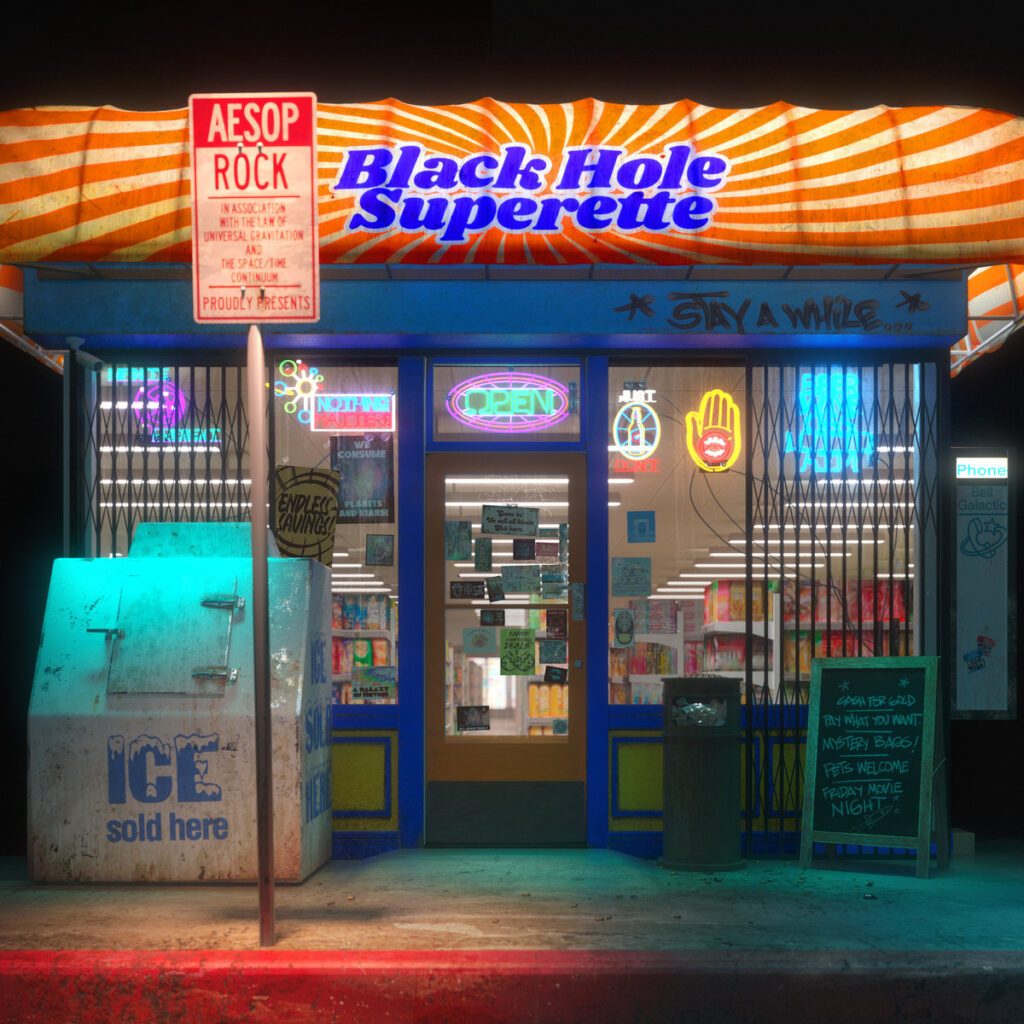
Aesop Rock fills Black Hole Superette with the texture of a thrift-store crate dug up at midnight—self-produced beats crackling warm and clunky over 18 tracks of surreal pocket stories. Ian Bavitz, underground Hip Hop’s densest voice since the late ’90s, dials back the volume but not the detail, trading tech paranoia for quirky, half-remembered vignettes about snails, snacks, and houseguests whose names slip away.
“Secret Knock” sputters open with lo-fi drums and shimmer, setting a dreamy, off-kilter mood. “1010WINS” with Armand Hammer tightens into paranoid snares, billy woods cutting alongside Aesop’s gravel flow. “John Something” drifts through ’90s nostalgia—a forgotten visitor’s tale, funny and fading. “Snail Zero” marvels at an asexual aquarium oddity, while “Ice Sold Here” celebrates chill with absurd precision.
Production leans synthetic but handmade—odd samples, malfunctioning loops, soft hooks that hum like internal monologues. Less confrontational than Integrated Tech Solutions, the record rambles like a junk shop haul, every corner stuffed with linguistic tangents and sly warmth. The closer, “Unbelievable Shenanigans” with Hanni El Khatib, lands like a sitcom end-credit lullaby—cozy, unhurried.
Aesop sounds settled into his lanes, voice honed to place every word exactly, letting late-night curiosities breathe.
MIKE & Tony Seltzer – Pinball II
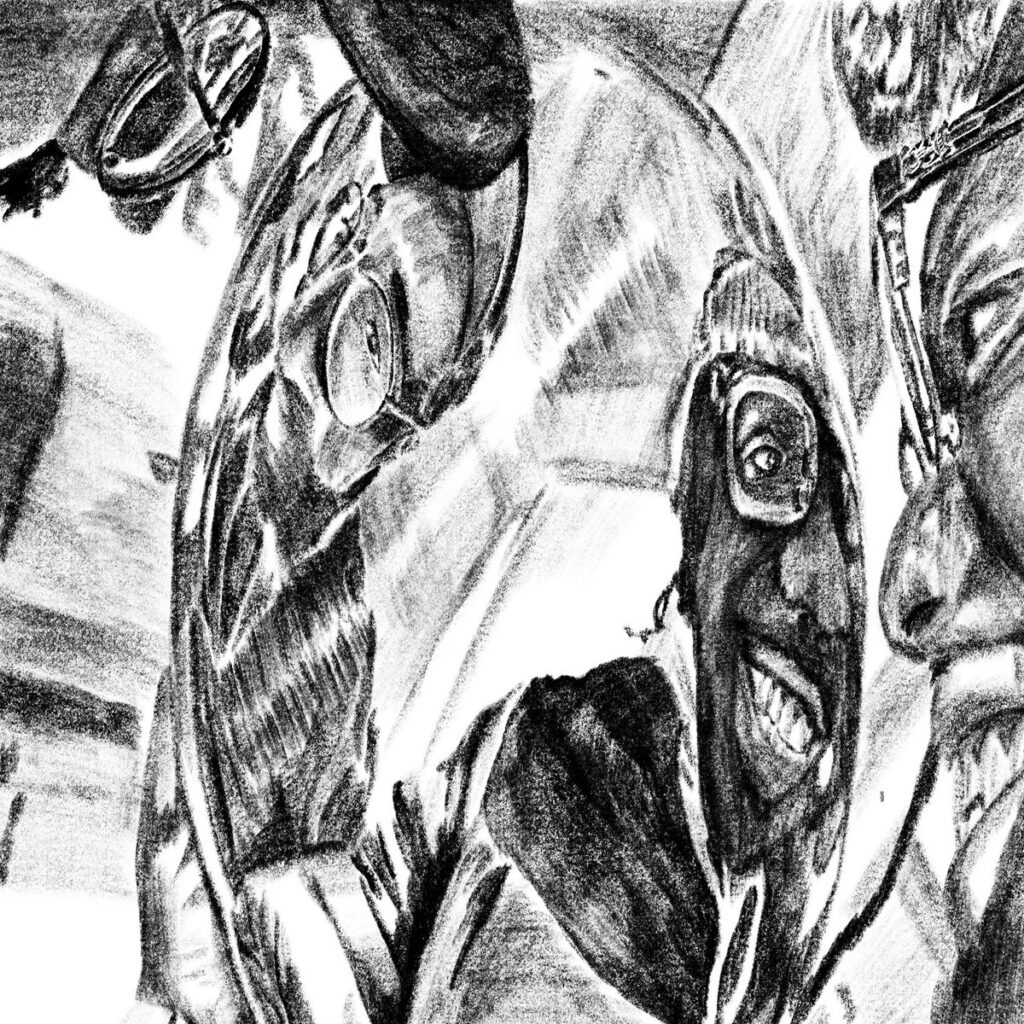
MIKE and Tony Seltzer pack Pinball II with sharper snap than the original tape, 33 minutes of bright hooks and booming drums chasing momentum over haze. Where Showbiz! dug into texture, this sequel speeds through punchy rhythms and quick cuts, trading MIKE’s usual drift for clarity and drive.
Seltzer’s beats hit clean—cloudy synths, shrill vocal chops, trap kits swinging playful to intense. “Sin City” opens warped keys and sirens into a massive drum break. “Prezzy” and “Amiri” zigzag ideas mid-verse, loops glitching just long enough to catch you off-guard. Transitions jar but stick, shorter tracks keeping pace relentless.
MIKE rides every shift locked in, delivery clipped and direct, tossing bar bursts over space for beats to flex. “Money & Power” nails the pocket—hungry flow meets sparkling production. “Shaq & Kobe” with Niontay and “Jumanji” with Earl Sweatshirt slot tight, features landing without drag. Some cuts like “Angsty” and “Hell Date” fade early, but none stumble.
Lighter than Showbiz!’s weight, Pinball II skips deep reflection for stylish rhythm. The trade-off lands—fun, loud, built for repeat spins. MIKE stays precise, Seltzer keeps it moving.
Bruiser Wolf – Potluck
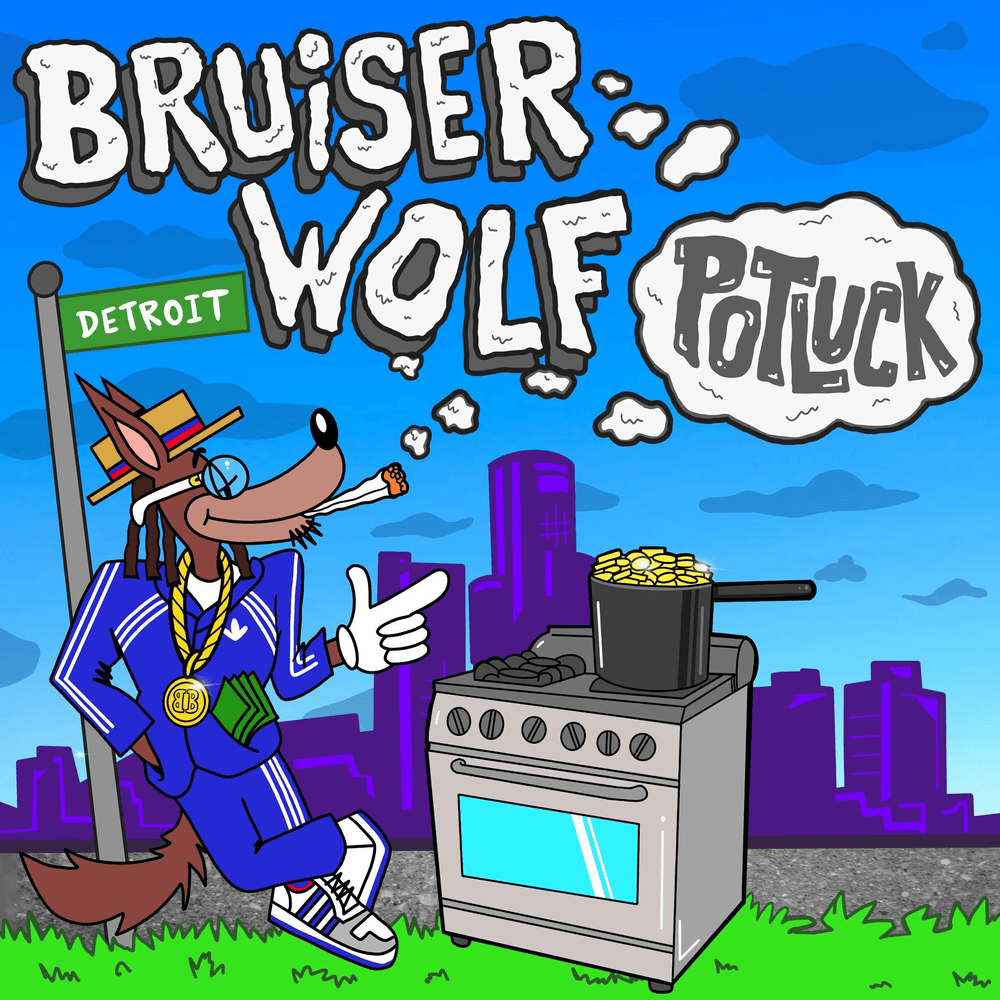
Bruiser Wolf leans into his full bag on Potluck, pulling wild punchlines, surreal street commentary, and sing-song cadences into a grab-bag of production styles that shift from dusty loops to foggy trap to slow-cooked jazz. His delivery remains the main draw—half rapped, half chanted, chopped into zigzag phrases that swing between stand-up comic timing and crooked gospel preacher rhythm. On “Air Fryer,” Harry Fraud laces a loopy beat where Wolf flips kitchen metaphors into dope talk, holding the line like a riddle wrapped in aluminum foil. “Say No More” bounces with a bright Knxwledge groove, and Wolf rides it with wide-eyed confidence, calling out the hate and cracking jokes in the same breath.
There are stumbles. The length drags in the second half, where a few beats thin out and the jokes start looping in on themselves. Tracks like “Whippin” and “Beat the Charge” still land clean, thanks to deeper pockets in the production and more focused hooks. “Fancy” is the sleeper—synth-funk gloss and tight flows with Fat Ray trading bars like they’re passing blunts in a Cadillac. Potluck isn’t airtight, but it’s packed with character, weird rhythms, and one of the most distinct voices in Hip Hop doing it his way—off-key, on purpose.
Yugen Blakrok – The Illusion Of Being
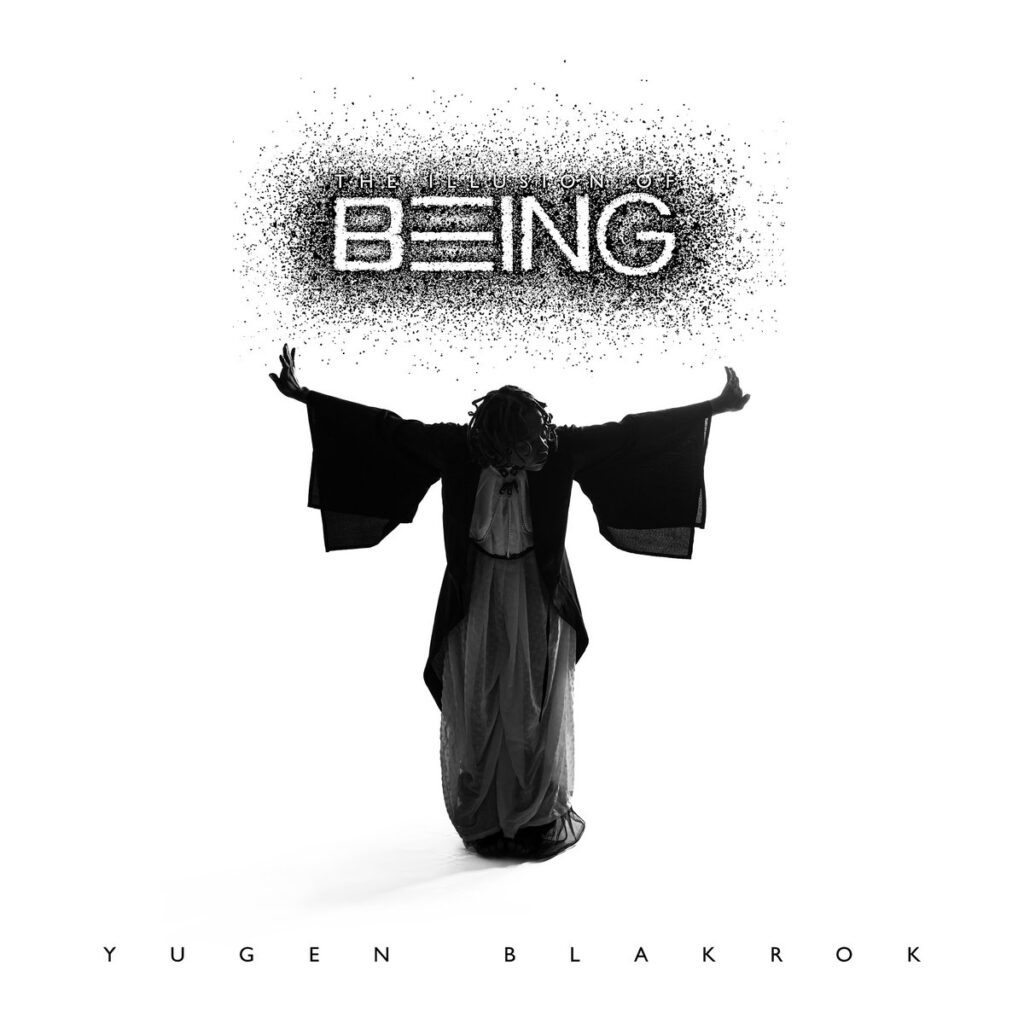
Yugen Blakrok signals from a distant frequency on The Illusion of Being, her voice crisp and commanding over 13 tracks of sci-fi funk and rhythmic grit. Kanif the Jhatmaster shapes the frame—eerie loops, tripped-out flutes, distorted guitars, drum-heavy backbone intact. Born in South Africa’s Eastern Cape, Blakrok blends ‘90s political edge with cosmic poetry, flow steady through mysticism and resistance.
“Mesmerize” opens with Loudmic’s surgical cuts and hypnotic groove. “Osiris Awakens” with Mohama Saz stacks flutes over rumbling drums, “Fighter Mantra” snaps short and hookless with pure heat. “The Grand Geode” with Sa-Roc crackles soulful, dissecting ancestral ties. “Earthlinguist” layers percussion under systemic critique, “Tessellator” with Cambatta trades coded wisdom. Guests like Hannah Allen on “Regrettably” add texture, never pulling focus.
Production stays experimental but anchored—dusty tension from DJ KCL on “The Shining,” Lee Scott’s cerebral edge. Blakrok’s bars cut precise, adapting from allegory to revolutionary fire without wasted motion. The album flows like philosophical dialogue, each track a meditation on identity, rooted in Hip Hop’s loop-driven pulse.
From Johannesburg’s underground to her Black Panther cameo, she forges Afro-futurist clarity. The Illusion of Being builds its own world—dense, defiant, demanding focus from first spin through.
billy woods – GOLLIWOG
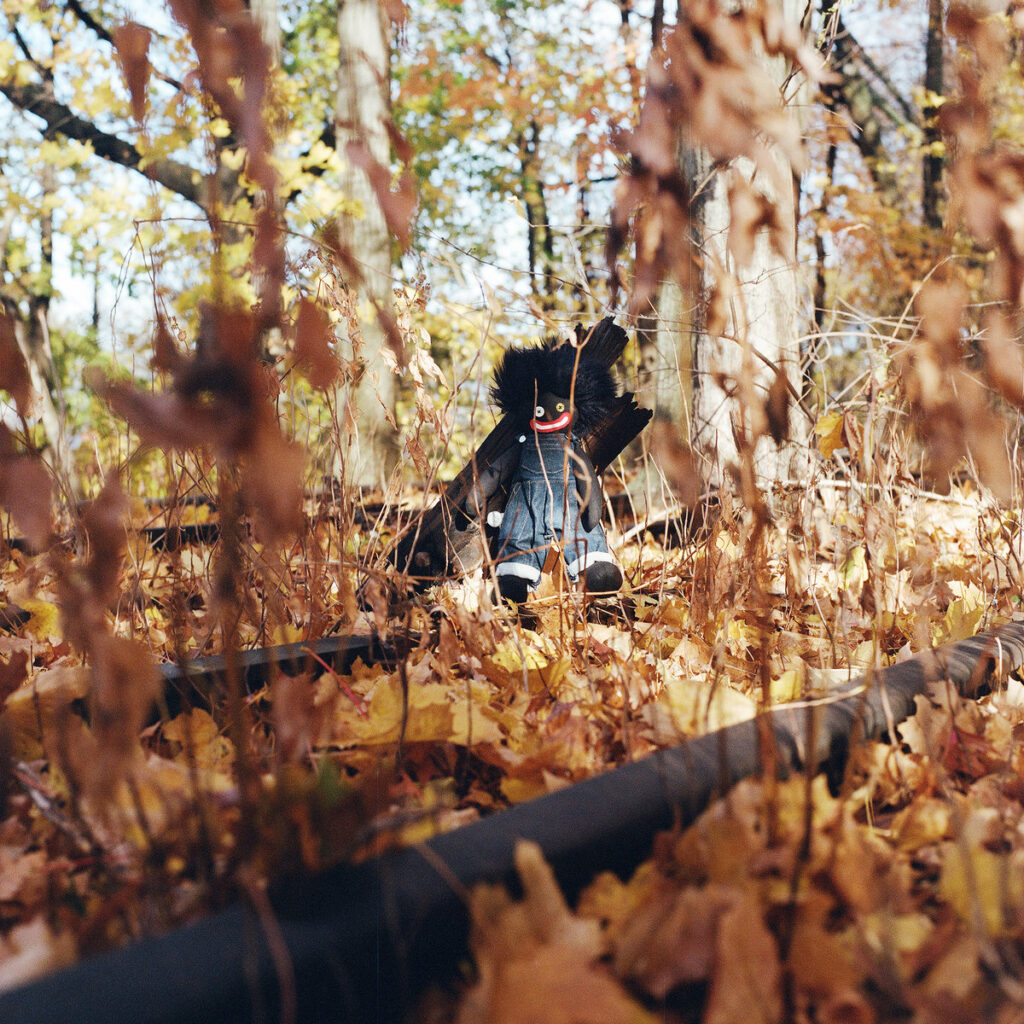
billy woods’ GOLLIWOG drops like a trap door into controlled dread, 18 tracks stalking in reverse-horror rhythm. Producers—The Alchemist, Preservation, Kenny Segal, EL-P, Steel Tipped Dove—build flooded-basement beats: groaning metal, brittle piano, warped screams, surveillance static. woods mutters through it all, voice low and lived-in, scattering crime-scene fragments without raising for effect.
“Jumpscare” opens with stillness that creeps, “STAR87” jagged with Conductor Williams’ wires and strings. “Misery” buries woods under Segal’s hissing loop, exhaustion too real to fake. “Waterproof Mascara” tenses Preservation’s anxious piano hits—woods floats above, already gone. “Corinthians” chills with EL-P and Despot’s grim cipher, “Maquiladoras” haunts al.divino and Saint Abdullah’s factory floor.
Even breathing room carries weight. Yolanda Watson’s ghost voice shades “A Doll Fulla Pins,” “BLK ZMBY” crawls skeletal. “Lead Paint Test” pressures a drum loop as woods, ELUCID, and Cavalier trade hushed bars. “Dislocated” closes jazz-submerged, unresolved.
No hooks, no comfort—just pressure in the silences, inherited violence named plain. The record disorients rather than guides, trauma not witnessed but absorbed. Against Hiding Places’ suffocating intimacy, GOLLIWOG carves deeper—abstract theater meeting unflinching report. woods inherits the wreckage and keeps it close.
Mary Sue – Porcelain Shield, Paper Sword
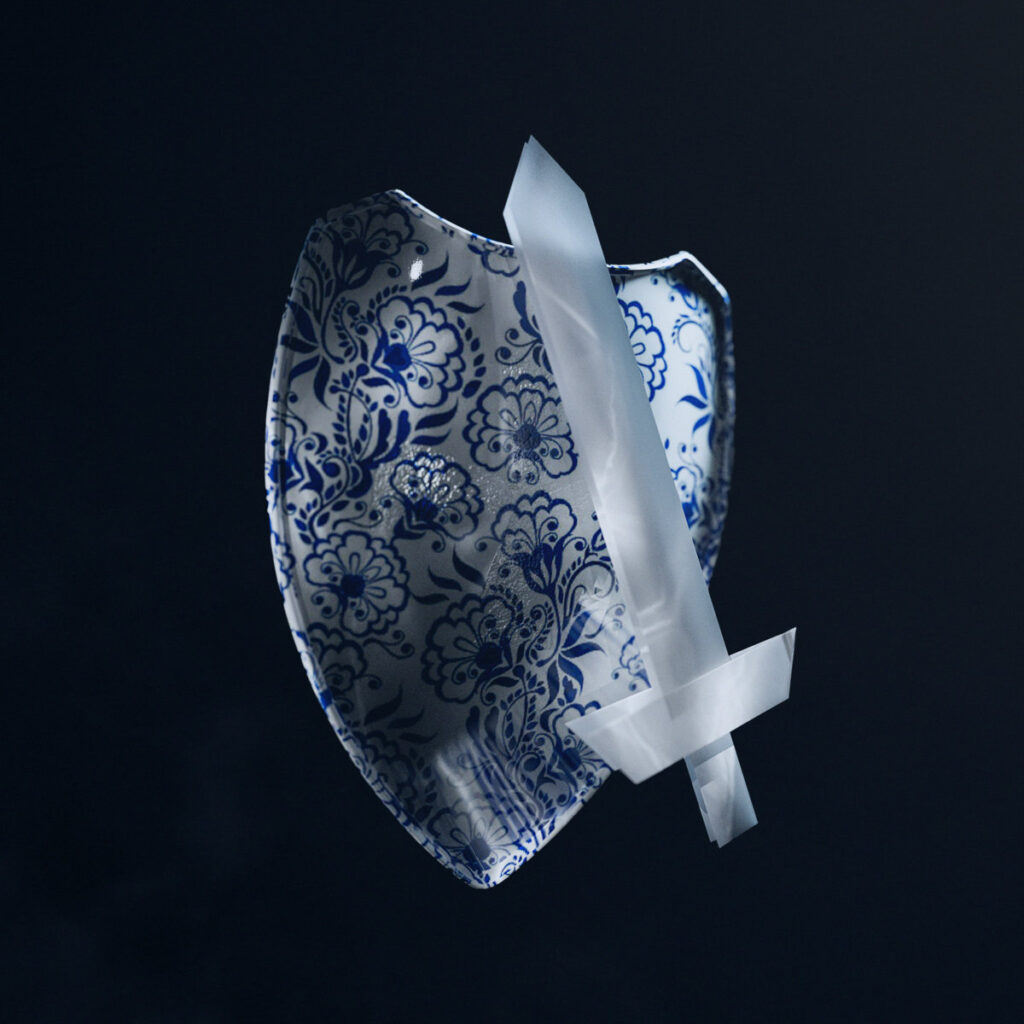
Mary Sue shapes Porcelain Shield, Paper Sword with quiet precision, verses landing heavy with personal and cultural fragments left half-said. The Clementi Sound Appreciation Club builds production that drifts loose—Southeast Asian textures, jazz drift, live rhythm pulling slightly off-balance. At 16 tracks in 32 minutes, tension hums through grainy samples and unresolved saxophone, drums rubbing against the grain.
“Thief and the Bell” and “Horse Acupuncture” bend tradition into tender sway, rhythm sections alive but unsteady. “Grace” hangs like incense, “Crabs” jitters with footing that shifts. The friction—brass lines dangling, percussion tugging—carves the record’s voice from unease.
Some sketches flash too quick. “Snake Head” and “Iron Butterflies” spark strong but vanish early, more transition than statement. Half the cuts stay too brief to fully bloom, leaving atmosphere richer than development. Smoke, brass, ancestral echo still coat everything vivid.
Mary Sue writes with care that cuts, leaving weight in what’s unsaid. The music holds unsettled space, ritual memory alive in every unsettled bar. Even rushed, the record lingers—delicate, special, marked by ritual more than polish.
McKinley Dixon – Magic, Alive!
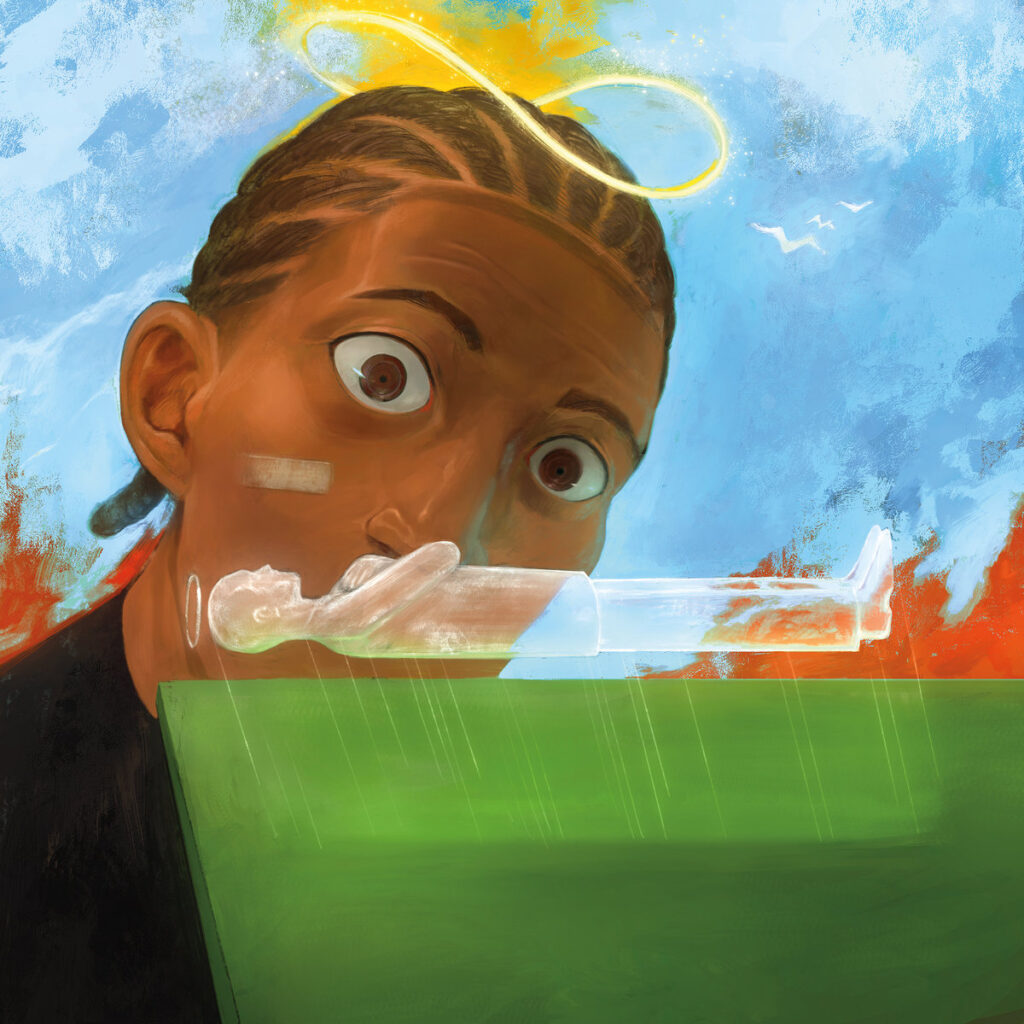
McKinley Dixon opens Magic, Alive! with kids chasing memory through grief, eleven tracks in 35 minutes blending jazz, Hip Hop, and soul into vivid ritual. On City Slang, the record follows Beloved! Paradise! Jazz!? (2023), tracing loss with lush horns, live drums, and Dixon’s warm, shifting flow—laid-back to ferocious as scenes demand.
“Watch My Hands” glides in on Eli Owens’ harp and soft percussion, painting neighborhood bikes under summer sun. “Sugar Water” with Quelle Chris and Anjimile lifts triumphant—horns, keys, gospel harmonies soaring over two tight minutes. “Crooked Stick” with Ghais Guevara and Alfred. rages rap-metal jagged, guitars blaring survival’s edge. “We’re Outside, Rejoice!” chants communal joy, organ and hard drums pulsing like kids hitting streets.
“Run, Run, Run Part II” swells cinematic—piano, horns, strings racing defiance. “All the Loved Ones (What Would We Do???)” warms maternal love over muted drums, “F.F.O.L.” frantic with gun chaos. The close peaks strong: “Listen Gentle” symphonies trumpet and flute, gang vocals lifting tragedy; title track grooves rowdy sax and fierce bars; “Could’ve Been Different” with Blu and Shamir fades soulful, strings hugging home’s bittersweet pull.
Dixon’s storytelling weaves personal and collective threads, production dense yet precise. Not every shift lands, but the pulse—magic as survival—holds vivid and alive.
Homeboy Sandman & SonnyJim – Soli Deo Gloria
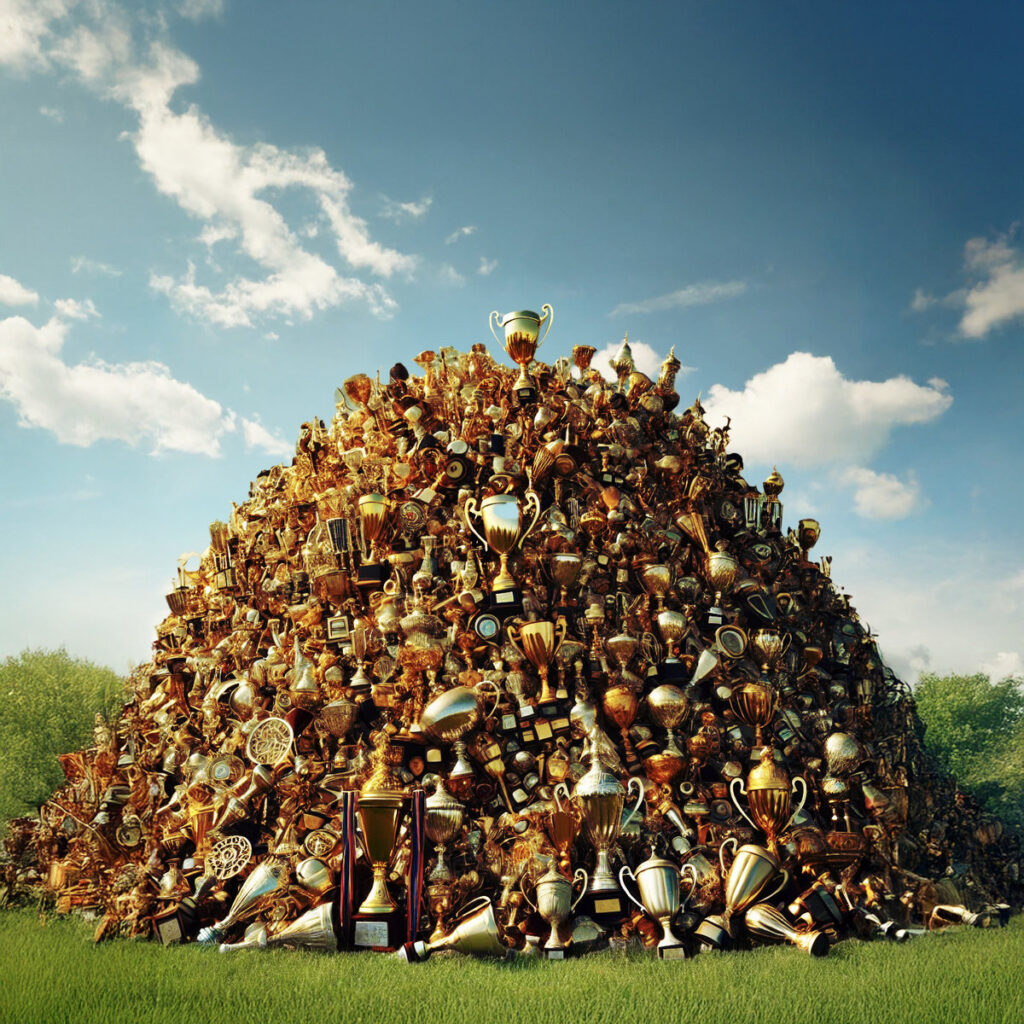
Homeboy Sandman pairs with Sonnyjim on Soli Deo Gloria, trading verses for dense wordplay over the UK producer’s dusty, textured beats. Sandman, Queens-bred veteran of 17 albums since Nourishment (Second Helpings) (2007), delivers meditative flow—sharp, thoughtful, off-kilter—across a slow-burn runtime light on hooks. Sonnyjim draws from jazz, soul, and psych samples, crafting a calm, deliberate groove that lets every bar settle gradually.
“Do You Love Me?” and “Moon Lullaby” drift cinematic, loose verses unfolding through repetition and steady pace. “Most Realest” and “Can’t Stop Me” lean on minimalism—no guests, no flash—just Sandman’s unfiltered race through street philosophy and cheeky jabs. Production stays unpolished, boom-bap pulse meeting punk edge, a far cry from Rich (2023)’s Aesop Rock heft or Dusty (2019)’s raw spark.
Sandman’s voice, honed from Flushing open mics to Stones Throw and Ipecac runs, carries teacher-turned-boxer grit. His rhymes weave vivid through jagged loops, defying rap’s gloss with relentless churn. The record demands patience—flat delivery to some, gold to others—but craft holds firm. Two artists lock into consistent minimalism, turning sparse space into quiet fire. Sandman keeps the underground roar alive, untamed as ever.
Open Mike Eagle – Neighborhood Gods Unlimited
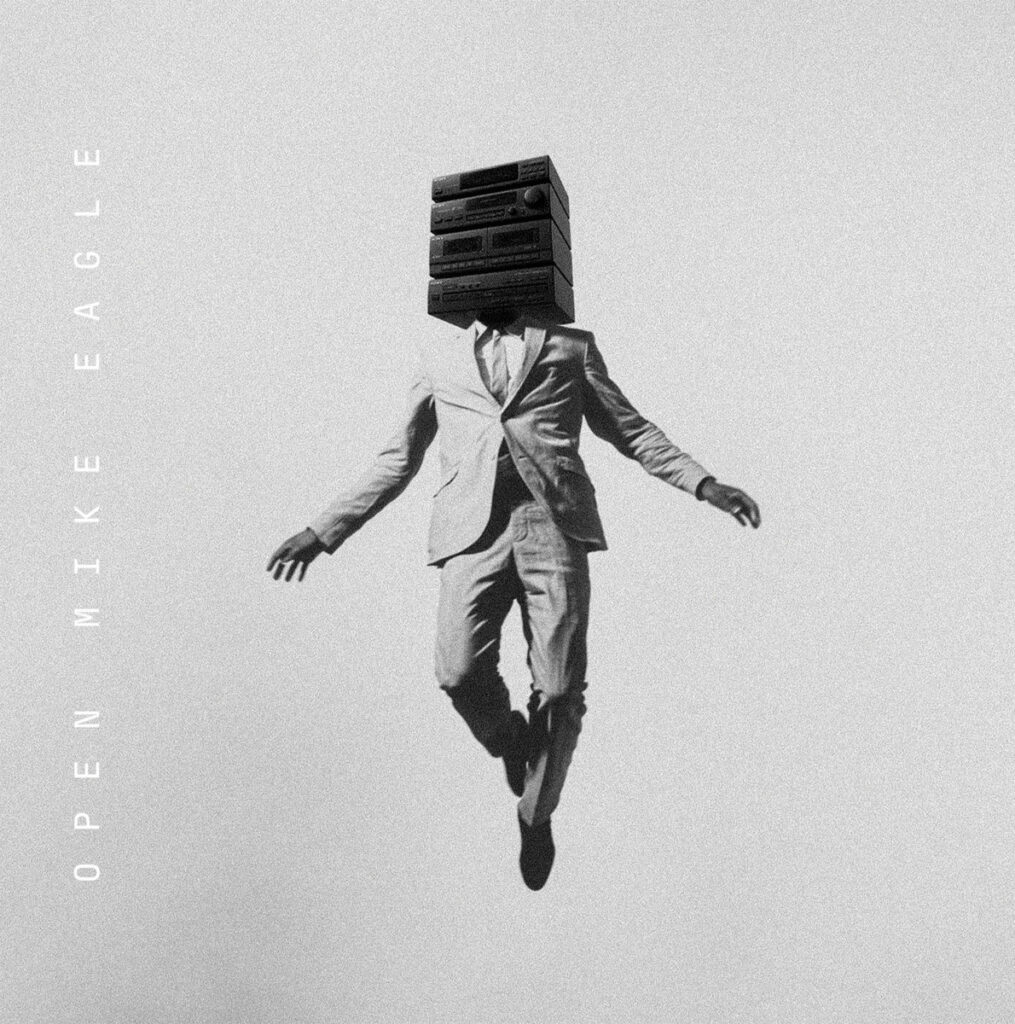
Open Mike Eagle shapes Neighborhood Gods Unlimited as a reflective late-night walk through memory and city hum. Across 14 tracks and 38 minutes, his smooth drawl weaves witty introspection with lo-fi soul, production warm and slightly off-kilter. K-Nite 13 opens “woke up knowing everything” with airy synths and vinyl crackle, setting a dreamy sift-through-old-records tone. Child Actor handles six beats, bringing dusty surrealism to “relentless hands and feet,” where metallic whir loops under his steady flow.
“my co-worker clark kent’s secret black box” plays with noir keys and energetic geek tales, while Kenny Segal’s “contraband” turns melancholic jazz—trumpet lines frame musings on identity scattered across digital space. “rejoinder” carries neo-soul glow, “unlimited skull voices” shifts to R&B softness, his chorus tracing crowded thoughts. The back half slows into sleepier territory, intensity dipping from the front’s spark, but his lyricism holds firm—layered pop nods and honest street vignettes reveal depth on repeat listens.
From Chicago’s South Side roots through Brick Body Kids and beyond, Eagle crafts personal Hip Hop that stays quirky yet grounded. Production stays cohesive, eclectic without strain. His voice anchors the familiar-strange world, turning life’s clutter into quiet, compelling diary.
Silent Titan – Dream State
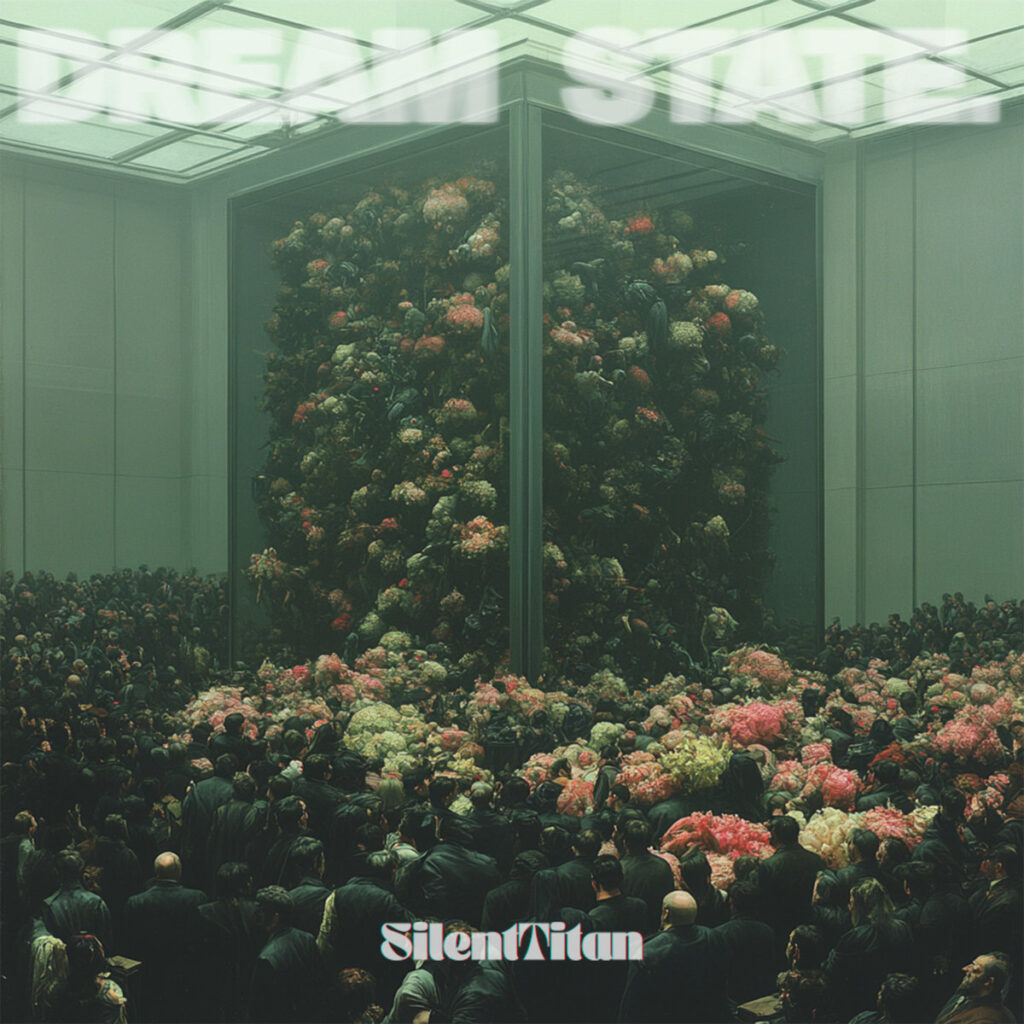
Silent Titan’s Dream State, is a 17-track, 52-minute plunge into atmospheric Hip Hop. Crafted in the elusive producer’s home studio, the album weaves foggy synths, crisp snares, and psych-jazz loops into a surreal, nocturnal soundscape. Tracks like “Daylight Flight” hum with airy keys and skittering drums, evoking a restless twilight drive. “Lucid,” featuring Hakuna Bruv, pulses with distorted bass and glitchy textures, while “Love The Lies,” with Bishop Nehru, layers soulful samples over a digital hum, channeling J Dilla’s warmth with a futuristic edge.
The vibe is introspective and dreamlike, balancing eerie calm with restless energy. Silent Titan’s beats invite lyricists to dig deep, as seen in Nehru’s reflective bars about truth and illusion. The album’s structure flows like a lucid dream, with tracks bleeding into each other through ambient interludes, though occasional vocal mismatches disrupt the haze. Guest MCs, including global spoken-word artists, add eclectic voices, but the production remains the star. Dream State is a hypnotic, immersive listen for late-night contemplators.
Preservation & Gabe ‘Nandez – Sortilège
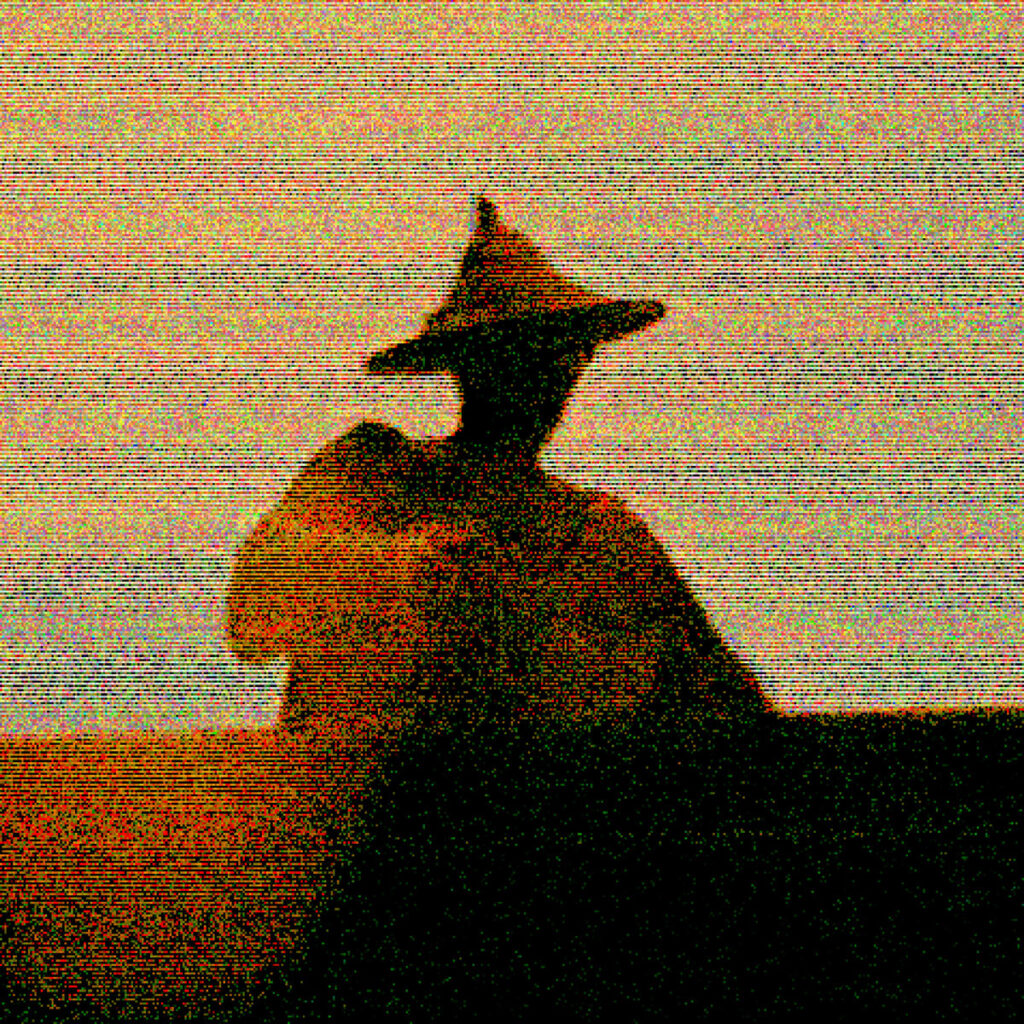
Preservation and Gabe ‘Nandez craft Sortilège as a nocturnal city pulse—14 tracks of slowed boom bap, gritty and dreamlike. Preservation collages thumping drums with eclectic samples: wind-swept keys on “Harmattan,” jazzy muted horns in “Ball & Chain.” Grimy basslines and whispering snares breathe with space, each element carving territory in a tense, cinematic sprawl.
Gabe ‘Nandez’s baritone slices precise through the haze. On “Shadowstep,” his measured flow rides skittering drums, unpacking survival and identity with relentless clarity. “Mondo Cane,” with Armand Hammer and Benjamin Booker, surges chaotic—distorted guitars and pounding rhythm frame vivid storytelling. “War” carries philosophical weight, billy woods’ gravel verse deepening the menace.
Structure shifts deliberate—from punchy “Spire” to sprawling “Nom De Guerre,” where Ze Nkoma Mpaga Ni Ngoko’s hypnotic vocals weave Francophone texture. Preservation’s French roots and ‘Nandez’s Malian heritage shade the rhythm and subtle samples, grounding the esoteric in concrete reality. Production density occasionally buries the voice, as in “Kurtz,” but their synergy pulls tight.
Sortilège grips like lucid dream on a brick wall—heavy beats and incisive bars painting immediate tension. Backwoodz Studioz delivers another winner, world vivid and alive.
ShrapKnel & Mike Ladd – Saisir Le Feu
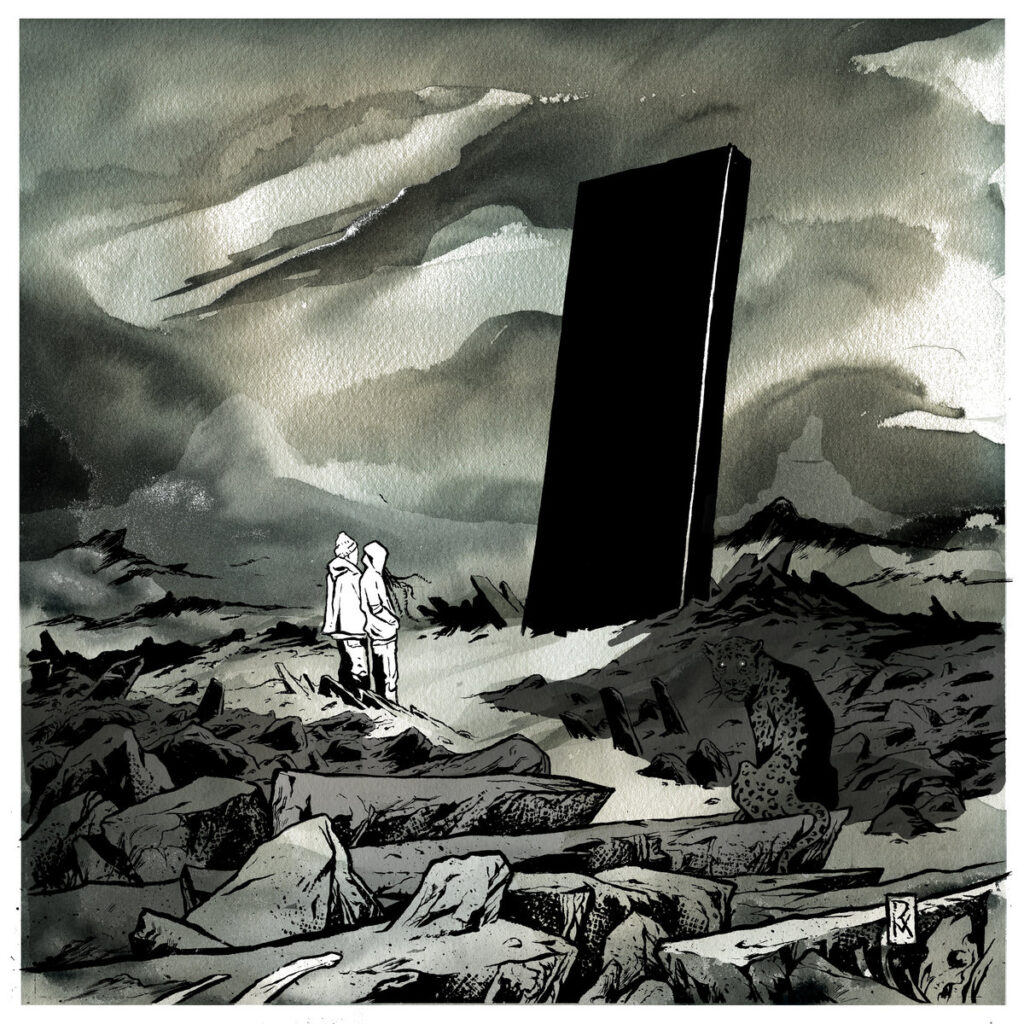
ShrapKnel—Curly Castro and PremRock—release Saisir Le Feu as the second chapter of their 2025 trilogy, pairing with underground veteran Mike Ladd for production across the record. The Brooklyn-Philly duo, together since their 2019 Cobalt EP, moves through Ladd’s sharp, colorful beats with precision. Those beats range from fractured rhythms to grooves that feel almost ready for the dancefloor. Castro’s gritty baritone and PremRock’s smoother drawl adjust naturally to the shifts in tempo and pocket, keeping their flows steady and focused.
At just over 30 minutes, the album stays tight and impactful. Features from Jesse the Tree, Phiik, doseone, Mestizo, and Jyroscope add texture to the mix without pulling focus from the core duo. The brevity leaves room for wanting more tracks, but the energy lands cleanly. Ladd’s production brings out ShrapKnel’s brightest and most rhythmically flexible side so far, distinct from earlier work like Nobody Planning to Leave (2024).
Their chemistry, built over years from Philly’s Wrecking Crew scene through Backwoodz releases, carries the record. The album feels like a natural step in their catalog, balancing jagged energy with deliberate pacing. Saisir Le Feu is the strongest of the trilogy, its sound vivid and alive through every turn.
ZelooperZ – Dali Aint Dead
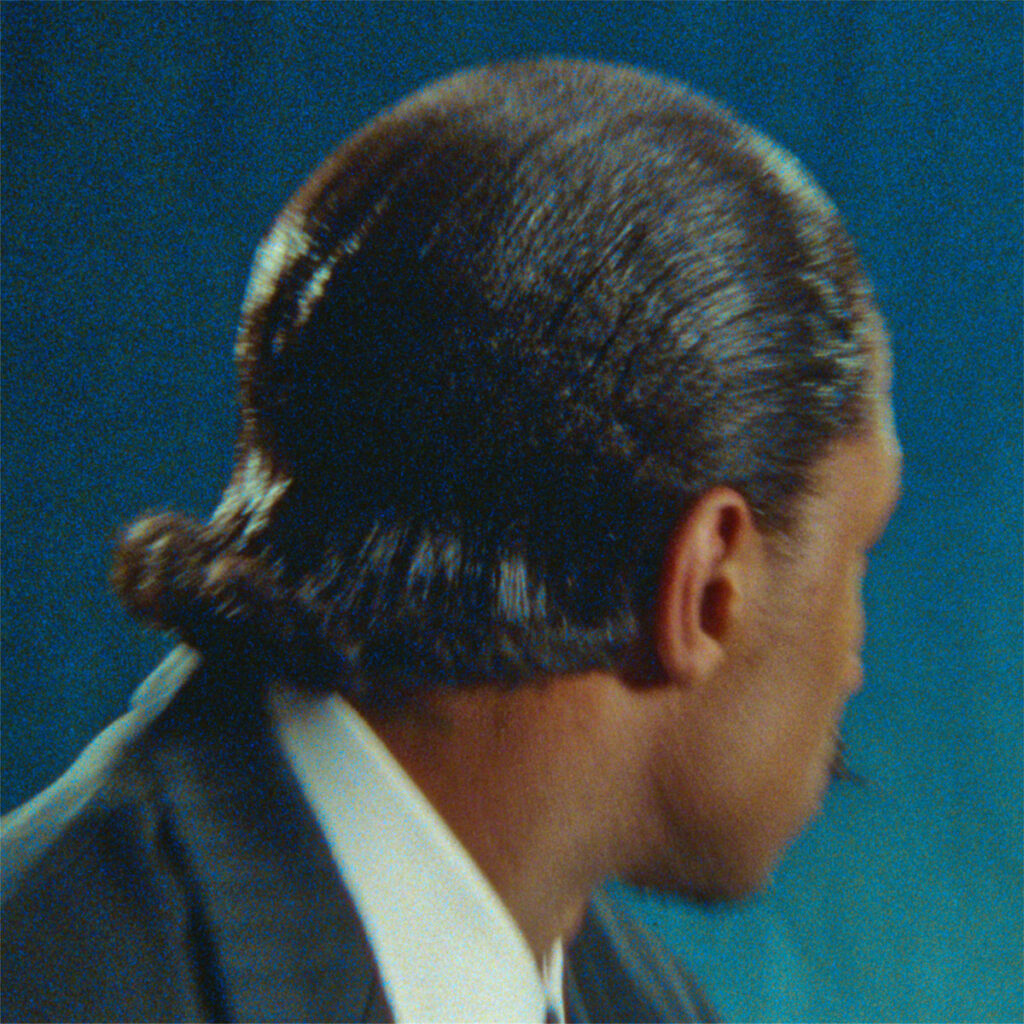
ZelooperZ channels Salvador Dalí’s surreal spirit across Dali Aint Dead, his twelfth album and most focused to date. Recorded after sobriety in summer 2024, the Detroit artist refines his elastic voice—high squeaks to guttural growls—over Dilip’s 16 vivid beats. Released September 24, 2025, on Bruiser Brigade, the 36-minute set blends drumless chipmunk soul, synthwave haze, and cloud-rap drift, trading earlier chaos for clear-eyed control.
Dilip’s production offers room to breathe. “Mona Lisa Left Eye” rides rapid cultural nods over soulful loops, “Hypnagogia” captures hallucinatory drift—its surreal visual by Cam Hicks nods to that liminal space. “Push Me Around” with Zack Fox surges chaotic, their chemistry electric, while “NDA” with Paris Texas grinds grittier alternative rap. “Lebanon James” roars boisterous, ZelooperZ matching Eric André’s wild charisma.
Guests are sparse—Zack Fox and Paris Texas add punch without crowding the frame. Following Dear Psilocybin’s pre-sobriety psychosis, this feels like morning clarity: eccentric humor meets tighter flows, zany energy intact but technically sharper. Tracks like “Bebe Kids” and “Shrooms” keep the quirk alive, surreal storytelling now deliberate.
Dali Aint Dead marks ZelooperZ’s evolution from Bruiser Brigade wildcard to underground anchor. Dilip’s palette holds steady variation, letting his voice twist free. The record is vivid and consistent, chaos now wielded with precision.
Lt Headtrip & Steel Tipped Dove – Hostile Engineering
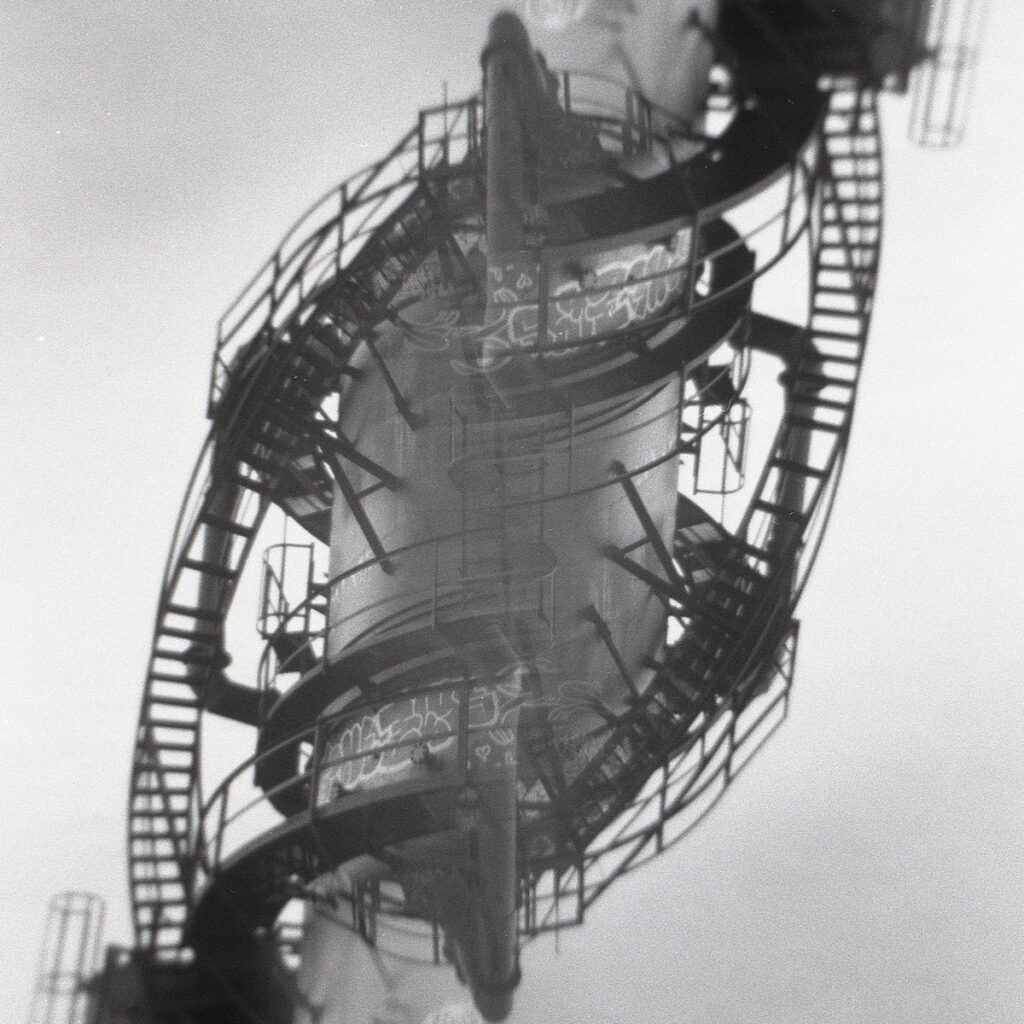
Lt Headtrip and Steel Tipped Dove release Hostile Engineering as their first full-length collaboration, a 30-minute examination of urban systems built to alienate. Lt Headtrip, from Brooklyn’s Karma Kids collective, delivers gravelly verses that shift between street aggression and personal confessions on sexuality and social anxiety. Steel Tipped Dove shapes the sound entirely—industrial edges meet ghostly synths and jazz-soul samples in a psychedelic-prog frame, released September 23, 2025, on Fused Arrow Records.
“0 Days Since Last Accident” opens with surgical lines on hazardous work and dehumanization, its abandoned-factory video reinforcing industrial collapse. “We Got The Sugar” smooths into saxophone warmth, contrasting nosy neighbors and reclusive city life against Dove’s production glow. “Eatin’ Every Breadcrumb” cuts at surveillance culture, while “Coulda Had It All” closes cinematic, tracing sociopolitical regret and the faded American dream.
Across ten tracks, Headtrip’s urgency meets Dove’s tense rhythms—rugged drums and unpredictable shifts keep the mood heavy. The runtime feels brief, more burst than full expanse, but the focus carries weight. Production stitches gristle and glue into a sound that demands attention, dissecting modern malfunction with unflinching detail. Their partnership turns discontent into something vivid and deliberate.
Nacho Picasso & Televangel – Seance Musique
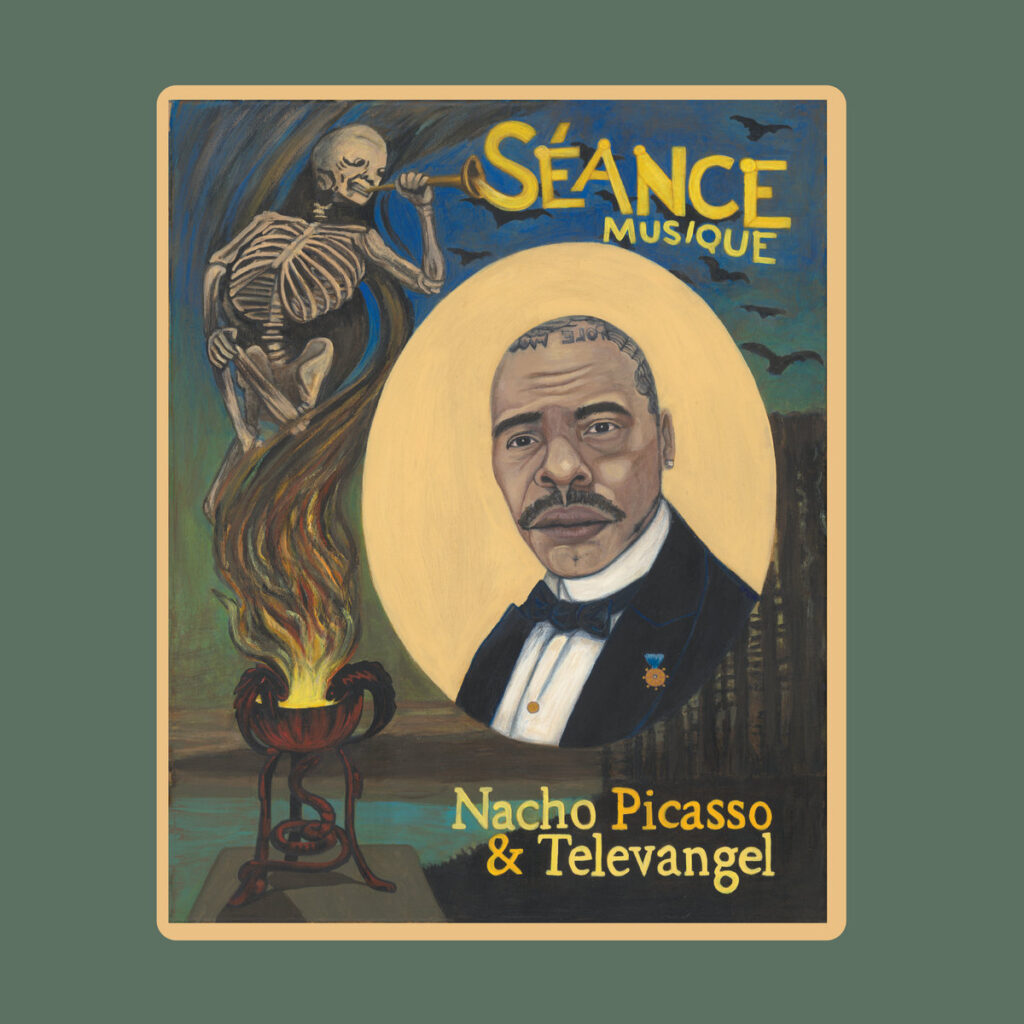
Nacho Picasso and Televangel continue their creative partnership with Séance Musique. Seattle rapper Nacho Picasso shifts into surreal, hypnotic lyricism, his sardonic tone and mythological references flowing through Televangel’s modern gothic production—atmospheric synths, heavy delayed percussion, and sharp boom-bap drums evoking a spectral mood.
Singles “They Tryna Scam Me!” and “The Conjuring” establish the supernatural tone, while guests from Nacho’s inner circle—AJ Suede on “Walk On Water (Why I Oughta),” Lord OLO on “Skylar,” Mayhem S.A.S. on “Fly Ritchie”—add texture without pulling focus. Tracks like “Toast To The Chaos” and “C.U.N.T. (Confident Unshakable Niggas Thriving)” carry dense, cloudy energy, blending cloud rap’s haze with cinematic weight. “Still With You” closes the set at 2:46, maintaining immersion throughout.
Televangel’s soundscape stays expansive yet precise, balancing ethereal drift with rhythmic drive. Nacho’s stream-of-consciousness delivery, less aggressive than past work, fits the séance-like atmosphere, turning personal and cultural fragments into something hypnotic. The record holds focused satisfaction for listeners drawn to left-field Hip Hop, their chemistry vivid and undisturbed.
YUNGMORPHEUS & Dirty Art Club – A Spyglass To One’s Face
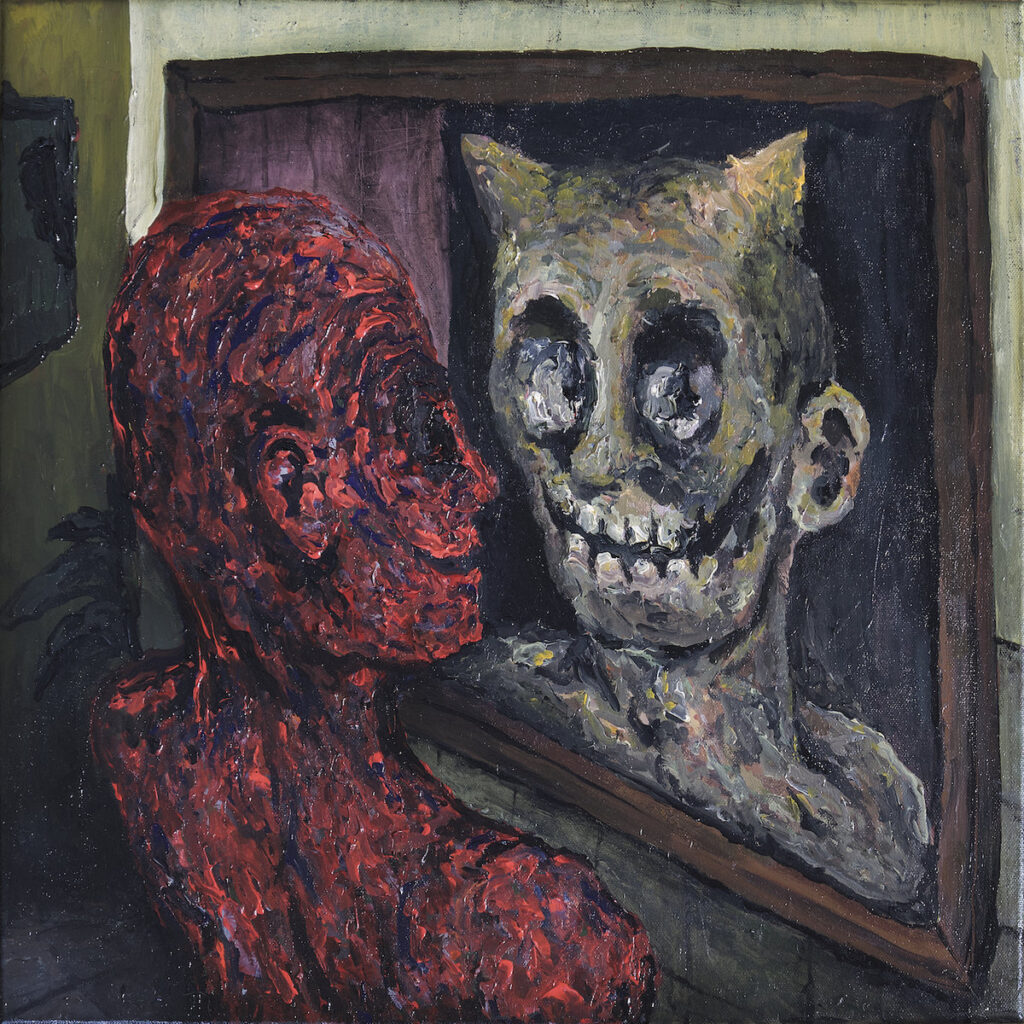
YUNGMORPHEUS, born Colby Campbell, is among the sharpest voices in contemporary avant-garde rap—a lo-fi craftsman who turns imperfection into texture. Raised in Miami and based in Los Angeles, he threads smoky, unhurried rhymes through hazy jazz loops and dusty soul fragments, narrating class struggle, resilience, and self-possession with quiet authority. His discography—Thumbing Thru Foliage with ewonee, Bag Talk with Pink Siifu, States of Precarity on Lex Records—shows an artist steadily refining his introspective edge.
His 2024 album A Spyglass to One’s Face, produced by North Carolina’s Dirty Art Club, feels like the culmination of that growth. DAC’s warm vinyl grit and layered jazz-soul samples blur into cinematic mood pieces tailored to YUNGMORPHEUS’s grounded cadence. Guests including Cavalier, Lukah, Zeroh, and YL enrich the album’s fluid atmosphere without breaking its meditative flow.
The result is Hip Hop rooted in patience and depth—music that values detail over flash. Every track breathes, its imperfections handled like brushstrokes. Much like the avant-garde peers he’s often grouped with, YUNGMORPHEUS moves by instinct, crafting rap that hums with texture and intelligence. A Spyglass to One’s Face stands as proof of his restraint, vision, and mastery of quiet intensity.
R.A.P. Ferreira & Kenny Segal – The Night Green Side Of It

Rory Allen Philip Ferreira—once Milo, now R.A.P. Ferreira—has built one of Hip Hop’s most quietly visionary catalogs. Born in Chicago in 1992 and raised across Maine and Wisconsin, he treats rap as poetry in motion: soft-voiced, elliptical, steeped in philosophy and free jazz. His work drifts between introspection and wordplay, crafting a self-contained orbit through his Ruby Yacht label. Early projects like I Wish My Brother Rob Was Here and So the Flies Don’t Come established him as a singular voice bridging intellect and intimacy, while Purple Moonlight Pages (2020) and Bob’s Son (2021) refined his meditative form—jazz rap slowed down to a dream-state hum.
The Night Green Side of It, his latest Kenny Segal collaboration, extends that lineage into hushed, late-night territory. The beats flutter with brushed snares and woozy basslines as Ferreira raps in murmured riddles—poised, patient, and wholly unhurried. Tracks like “blood quantum” and “naming the feeling” balance playfulness with philosophy, turning small phrases into quiet revelations. By the closing “real jazz,” Ferreira folds time, conversing with his former alias Milo. The album captures Hip Hop as art-house meditation—music that breathes in rhythm with thought, unbothered by trends, yet alive with purpose.
Danny Brown – Stardust
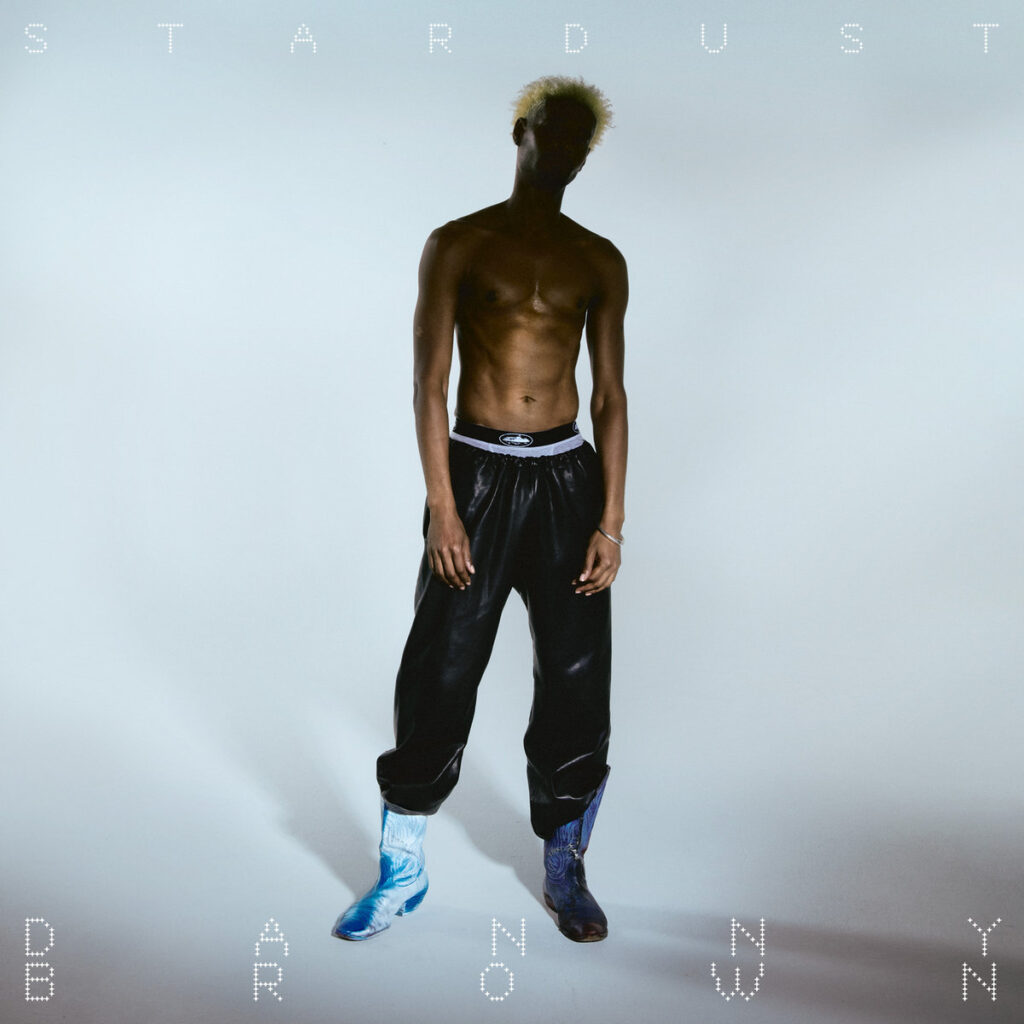
Stardust marks Danny Brown’s first album recorded fully sober—a wild, luminous reinvention that channels recovery into restless experimentation. After years of addiction and collapse, he reemerges not softened but sharpened, fusing Detroit grit with the digital chaos of hyperpop and digicore collaborators half his age. The result is both rebirth and experiment, an album alive with contrast: manic energy colliding with earned clarity.
“Book of Daniel,” with Quadeca, sets the tone—glittering guitars and synths giving way to Brown’s cracked voice, newly disciplined but still volatile. “Copycats,” featuring underscores, turns humor into weaponized confidence, while “Baby” and “1999” dive into breakneck distortion. “Flowers,” with 8485, and “All4U,” with Jane Remover, add rare sweetness, their melodies wrapping around Brown’s rasp like uneasy harmony. The centerpiece, “The End,” merges serenity and breakcore chaos, ending on survival rather than closure.
Some tracks stumble under excess, yet the unpredictability feels central to its honesty. Brown no longer hides behind chaos—he organizes it, shaping instability into art. Stardust isn’t a comeback; it’s a transformation. At 44, Danny Brown remains Hip Hop’s great anomaly—older, clearer, and still pushing noise, humor, and raw humanity to their breaking point.
Adibop & Steel Tipped Dove – Punctiform
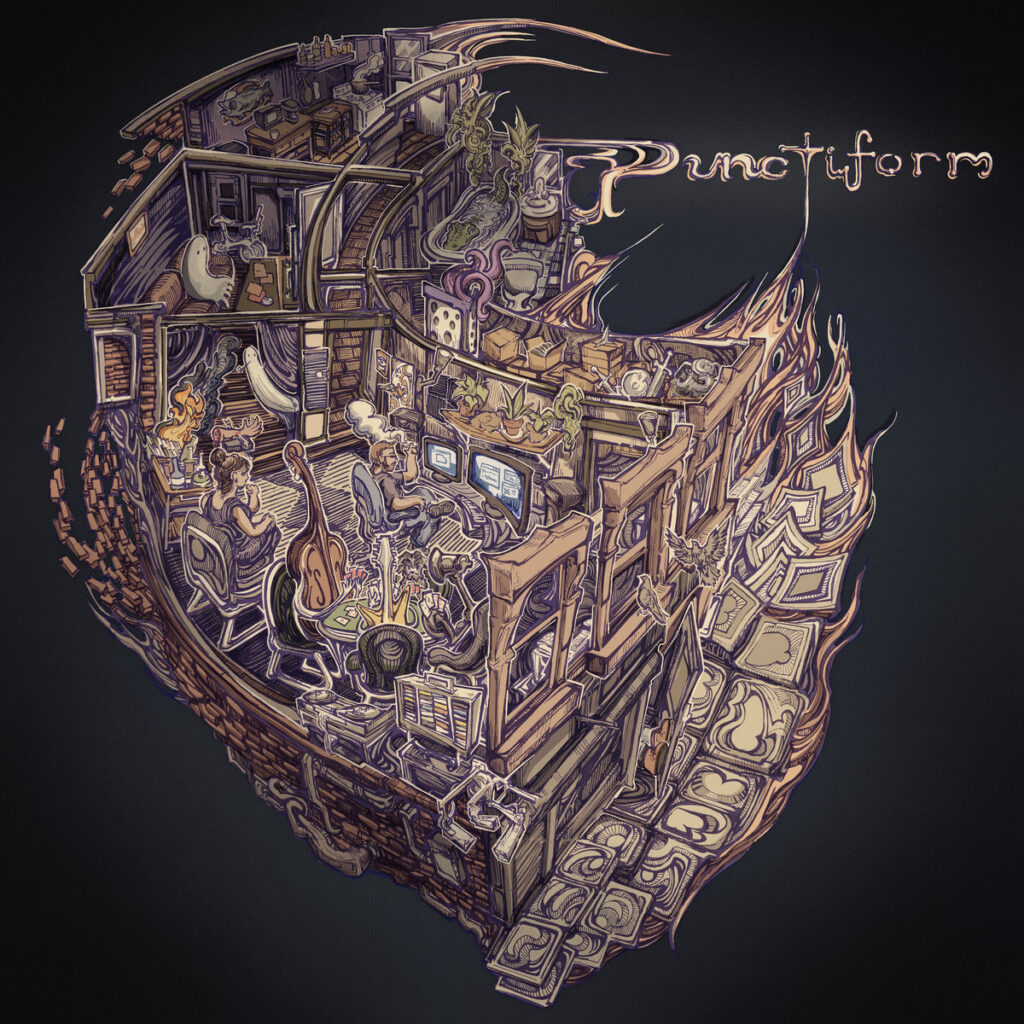
Adibop and Steel Tipped Dove craft Punctiform as a 32-minute bridge between experimental jazz and underground Hip Hop, their debut collaboration released on Fused Arrow Records. Adibop, the jazz bassist known as Adi Meyerson, lays down all live bass—upright and electric—its precise, point-like lines forming the rhythmic core. Steel Tipped Dove completes the frame with drums, sound design, mixing, and mastering, his eerie atmospheres weaving through her humid pulse across 17 brief tracks.
Live bass gives every cut physical depth, from the swinging clarity of “A Beautiful Day in Brooklyn” with Defcee’s sharp sociological lines to the murky swirl of “Seance Flare Gun” carrying Fatboi Sharif’s abstract menace. “Crocodile Tears” with AJ Suede floats on cloud-jazz minimalism, upright bass walking heavy, while “Magnetic Circuit” matches Cavalier’s soulful density to intricate beats. “Gilgunnia” with ShrapKnel and “Canoe” with Duncecap keep the guest rotation vivid—Fielded, Cain Canary, and others threading modern rap’s corners without losing focus.
Tracks shift rapidly, many under two minutes, energy moving between vocal textures over industrial edges and low-end theory. The live instrumentation integrates seamlessly, a jazz-rap high-water mark. Punctiform thrives on timing and restraint, bass and shadow holding the vast guestlist in tight orbit.
Junclassic – Music To My Eyes
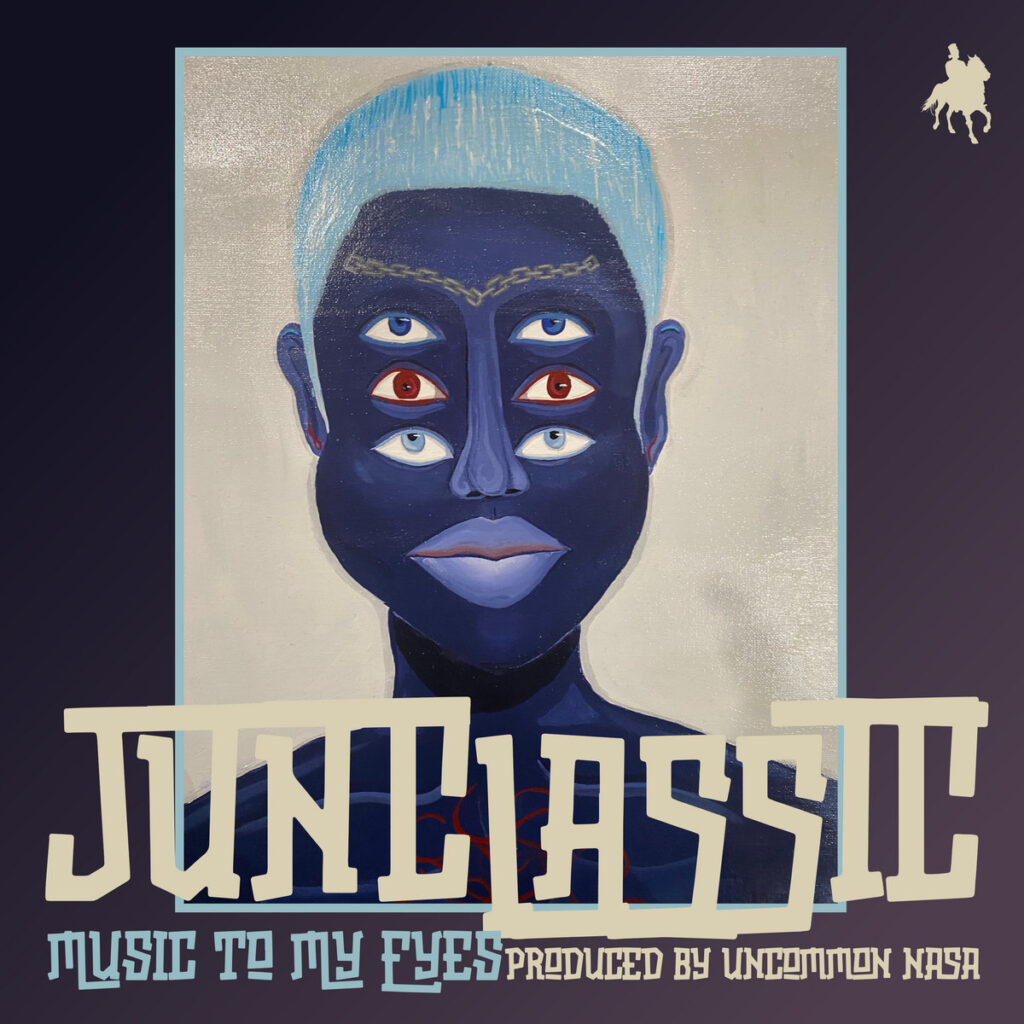
Music To My Eyes arrived on November 7, 2025—just four days after Junclassic’s passing—transforming instantly from a statement into a memorial. Fully produced by Uncommon Nasa, the 12-track album distills two decades of independent drive, street wisdom, and sharp craft from one of New York’s most steadfast underground voices.
Nasa’s production is dense and metallic, built from live instrumentation shaped into industrial rhythm and echo. Junclassic moves through the weight with calm command, his gravel-lined voice carving stories about endurance, identity, and change. “1NCE B4” sets the pace with controlled fire, while “Glitches,” joined by Guillotine Crowns, surges with urgency. “Roots and Culture” drifts toward reflection, tracing creative lineage through digi-reggae warmth.
Between songs, scattered voice memos add unguarded moments—ruminations on aging, policing, and legacy—that make the album feel archival as much as musical. Cuts like “Snake Charming” and “Alright OK” blend toughness with humor, proof that Jun still balanced insight with swing until the end.
What remains is deeply human—a last dispatch from a builder who never chased spotlight, only truth. Music To My Eyes is hard, introspective, and alive with conviction: a final step that moves forward even as it looks back.
Armand Hammer – Mercy
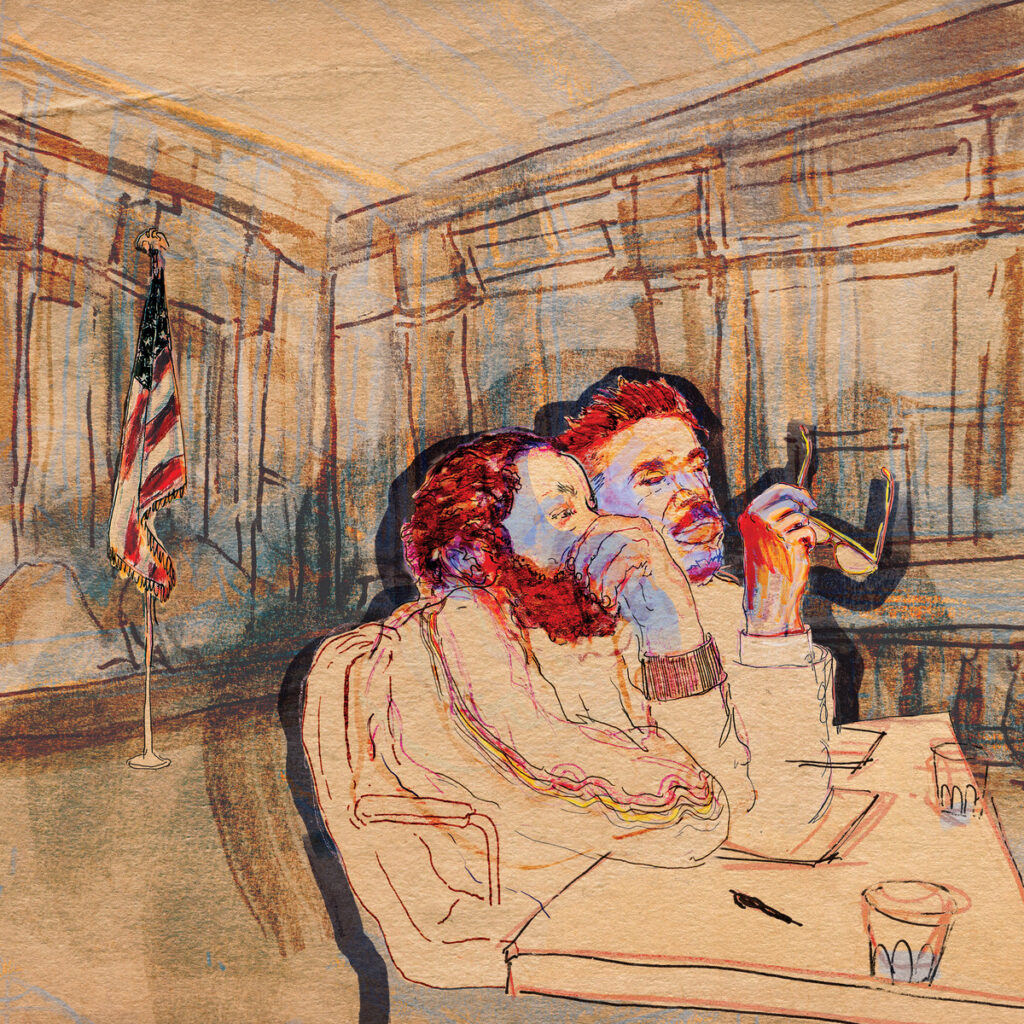
Armand Hammer’s Mercy, with The Alchemist, trades the duo’s usual chaos for restraint and knife-edge focus. billy woods’ gravel murmur and Elucid’s elastic phrasing lock into warm basslines, muted drums, and fractured loops that hover rather than overwhelm. Following Haram (2021), the record carves small, tense rooms for their dense writing—clipped fragments and street-coded abstractions that circle violence, faith, and endurance.
“Laraaji” opens with faint guitar and slow percussion, setting a suspended mood where the emcees move like they’re measuring every step. Production stays patient across the runtime, drums dragging on “Nil by Mouth” to frame moral erosion, or detonating faintly on “Scandinavia” as verses claw for air. “Calypso Gene” lets Cleo Reed’s gospel shade drift over organ and subdued funk, a brief thaw in the pressure. Guests like Earl Sweatshirt and Pink Siifu add flashes—texture on “California Games,” haunted air on “Crisis Phone”—without breaking the frame.
The closer, “Super Nintendo,” loops nostalgic synth under heavy history and fatigue, softening nothing. Compared to We Buy Diabetic Test Strips’ glitchy sprawl, Mercy feels grounded, Alchemist’s choices sparse enough to sharpen every line. The album demands close attention, turning silence into weight as much as sound. Across 2025, few rap records match this level of control.
Tomorrow Kings – SALT
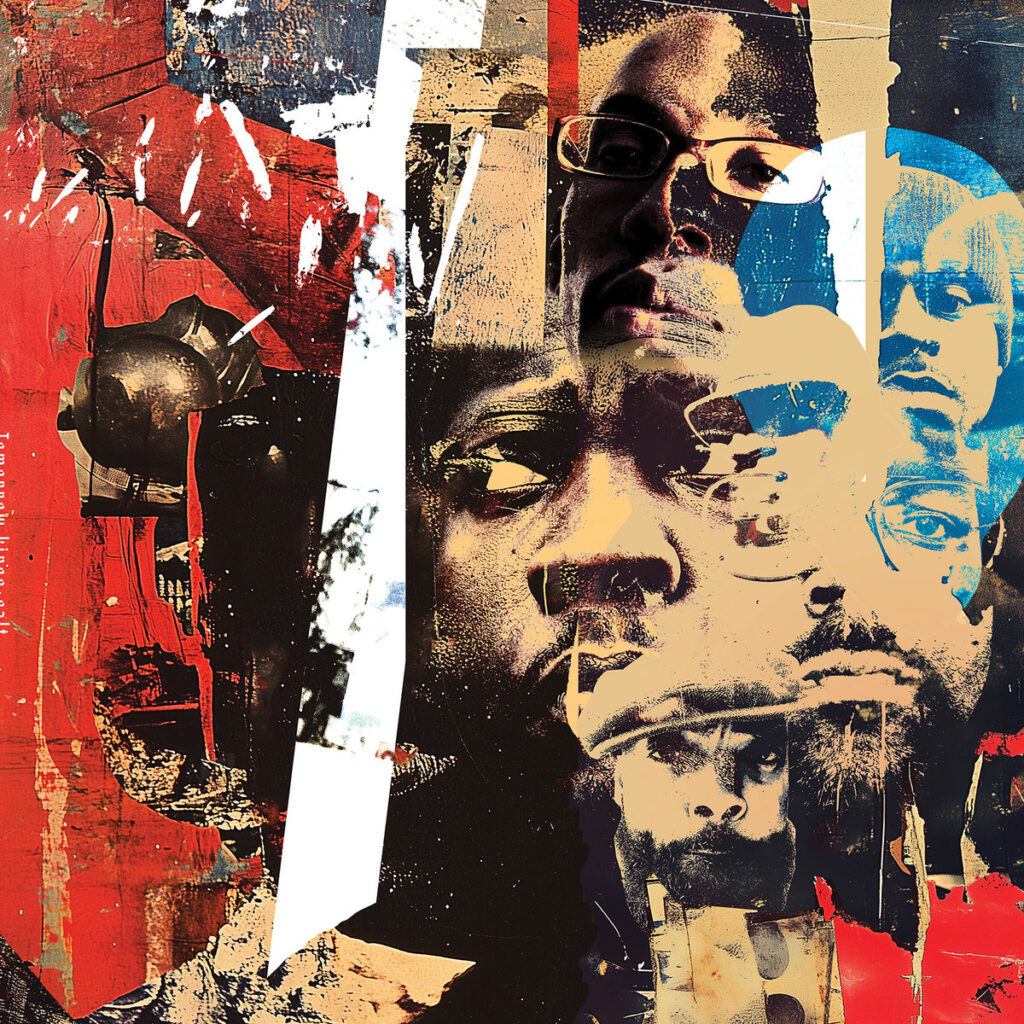
Tomorrow Kings return after 12 years with SALT, an album that treats rap like dispatch and document instead of background noise. The Chicago collective—SKECH185, Collasoul Structure, I.B. Fokuz, Malakh El, Gilead7, and IL. Subliminal—writes with the density of literature and the urgency of a street report, every verse packed with detail and angle. Aoi scores their voices with dust-caked drums, jagged horns, and eerie synths that twist boom-bap, free jazz, and sci‑fi mood into one harsh, electric frame.
Songs like “Regicide,” “Red Summer,” and “The News” move through anti‑imperial rage and historical digging, tying 1919 race riots, media spin, and policing into tightly wound stanzas. “No Brands” and “B‑Side Losers” speak on industry exhaustion and working‑class grind, while “Salt” stretches a single metaphor across diet, addiction, and systemic harm until the concept sticks in your head.
Each MC hits a different frequency—biting satire, spiritual code, grounded family concern—but the chemistry remains tight, especially for a record written in isolation and pieced together from afar. SALT can feel like a lot on first pass, and some tangents sprawl, but the overload is part of its stance. The album refuses easy listening or easy answers, offering a demanding, unpolished communion for listeners who want their Hip Hop to think as hard as it hits.
Pink Siifu – Onyx’!
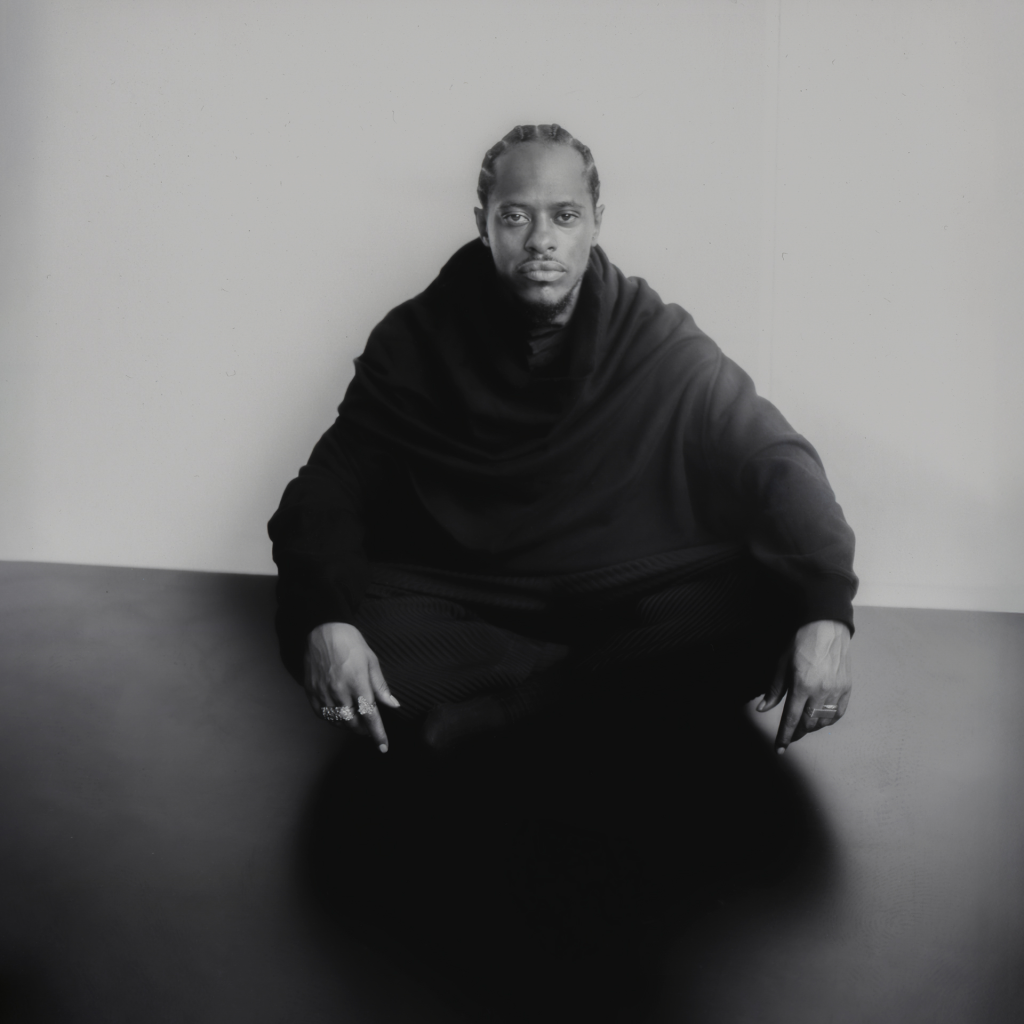
Onyx’! catches Pink Siifu in a pressure-cooker zone, turning the hazy sprawl of BLACK!ANTIQUE into something louder and more unstable. The Birmingham-born artist drags noise, trap, and warped R&B into one volatile blend, jumping from blown-out distortion to woozy melody with barely any transition. The early tracks scrape and grind like he’s burning off static before the record locks into its drifting, ambient-trap pulse.
Production drives the record’s mood. Beats from Kal Banx, HiTech, evilgiane, Conquest Tony Phillips, Jason Wool, and others swing between industrial crunch and dusty soul shrapnel. Synth smears, sticky bass, and clipped percussion keep everything in flux, shifting the atmosphere from wired tension to slack, late-night haze.
Siifu’s voice hangs inside that fog, half-murmured and half-sung, sometimes closer to mantra than verse. He folds paranoia, neighborhood pressure, and small moments of grounding into a delivery that stays loose and conversational, more about texture than tidy punchlines. Guests flicker through the mix: Valee’s deadpan cool, Turich Benjy’s tight bounce, Woo Da Savage’s bite, and contributions from Ss.Sylver, Sprng4evr, Fullbodydurag, Ojivolta, and Kal Banx all widen the palette without breaking its strange internal logic.
Some songs drift, others land hard, and that uneven swing becomes part of the record’s pull. Onyx’! doesn’t clean up Siifu’s approach—it deepens it, turning his abrasive, experimental streak into a dense 45-minute blur of grit, decay, and sudden flashes of beauty.
Akai Solo – No Control, No Glory
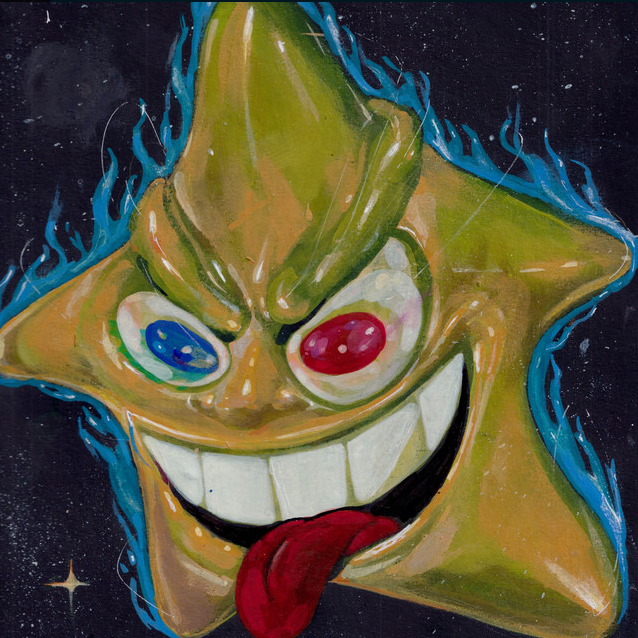
No Control, No Glory catches Akai Solo mid-thought, turning restless inner monologue into a tight, forward push. The Flatbush MC, born Daniel Dickson, draws on dense New York experimental rap, letting introspection and pressure shape fourteen tracks of clipped, tumbling verses. His voice cuts through warped drums, hushed jazz loops, and fractured electronics from August Fanon, Wavy Bagels, Lonesword, Shungu, groundskeepr, Stability, and others, each beat matching the twitchy movement of his writing.
The album plays like a stack of mental notes: sharp, crowded, and alive with doubt. Akai leans into stream-of-consciousness form, swinging between vulnerability, frustration, and wry bravado. “It’s Hard to Talk About” rides Fanon’s melancholic bassline through a candid tangle of relationship damage and insecurity. “Here’s to Hoping You Notice” trudges with the weight of overthinking, while “CALAMITYMAN” snaps into jagged confidence, his lines landing like sudden jabs.
Akai uses his verses to track patterns in his own behavior and the world around him. On “Things That Stick With Me,” he sizes up risk and loyalty over Lonesword’s needling percussion. “Free the World” pushes outward, tying his private turmoil to global struggle through references to Tigray, the Congo, Sudan, and Gaza. Across the record, that tension between interior and exterior gives the writing its charge, turning No Control, No Glory into a document of thought in motion.
Navy Blue – The Sword & The Soaring
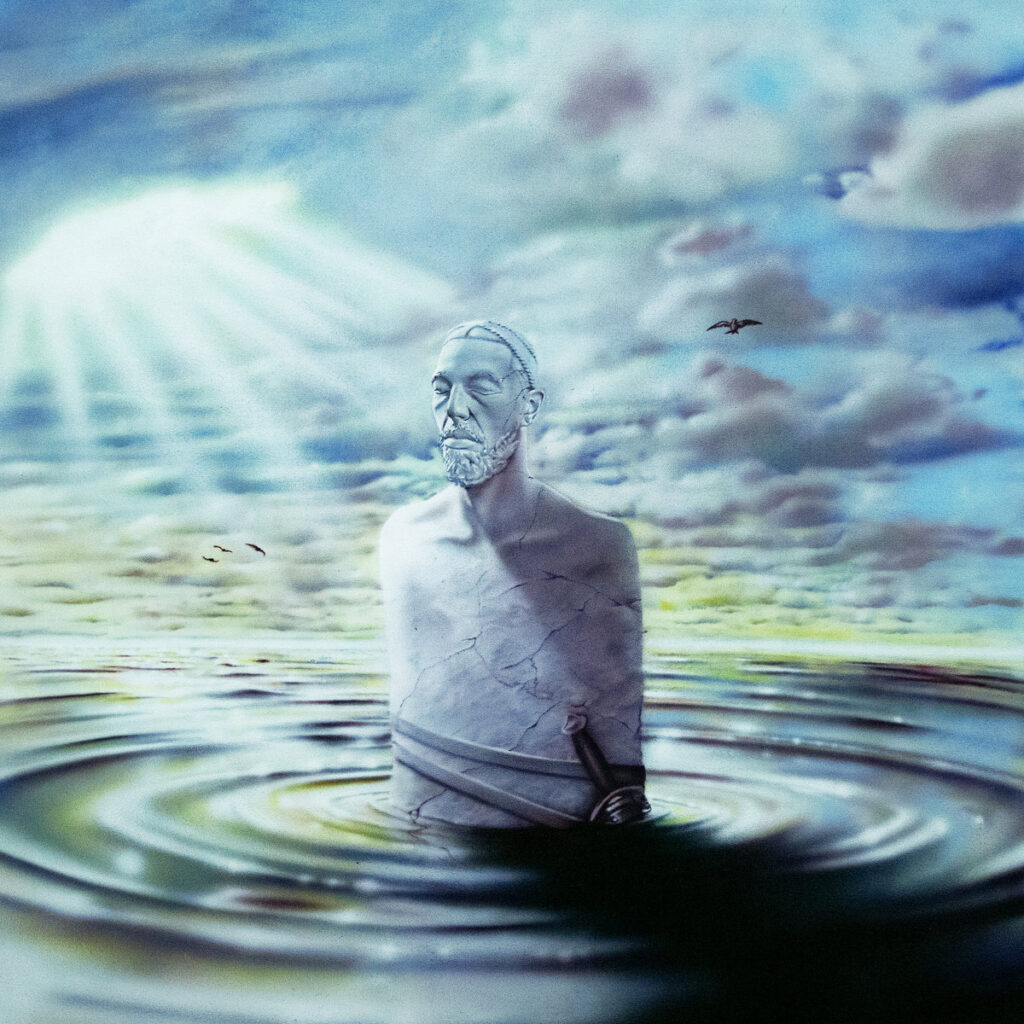
Navy Blue’s The Sword & The Soaring moves with a calm, steady charge, the sound of Sage Elsesser settling deeper into his lane rather than reaching for spectacle. His warm, dusty palette and meditative pacing return, but the writing feels cleaner, like years of private reckoning finally arranged into order.
“The Bloodletter” opens with soft percussion and bass that barely ripple on the surface, leaving his unhurried delivery exposed. From there, the record unfolds almost like a single breath. “Orchards,” handled by Child Actor, leans into light piano and hushed textures that underline Navy’s quiet gratitude. “Sunlight of The Spirit” keeps the focus on discipline and spiritual routine, his cadence even, the language grounded in daily practice instead of vague uplift.
Mid-album, “God’s Kingdom” and “If Only…” pull the frame closer, turning to family, repair, and the slow work of accountability over sparse keys and subtle drums. The vulnerability is clear but never performed; grief appears as something lived with, not staged. “Soul Investments” and “Sharing Life” widen the lens again, tracing connection and continuity in the record’s final stretch.
“24 Gospel,” with Earl Sweatshirt over an Animoss soul loop, plays like an exchange between peers who know the cost of endurance. The closer, “The Phoenix,” nods to the title with quiet acceptance rather than grand symbolism, ending not on triumph but on steadiness. The album leaves the sense of an artist who treats healing as routine labor, returning to it day after day.
The Sword & The Soaring adds another stellar record to Navy Blue’s catalog and confirms him as one of the defining voices in contemporary avant garde Hip Hop.