
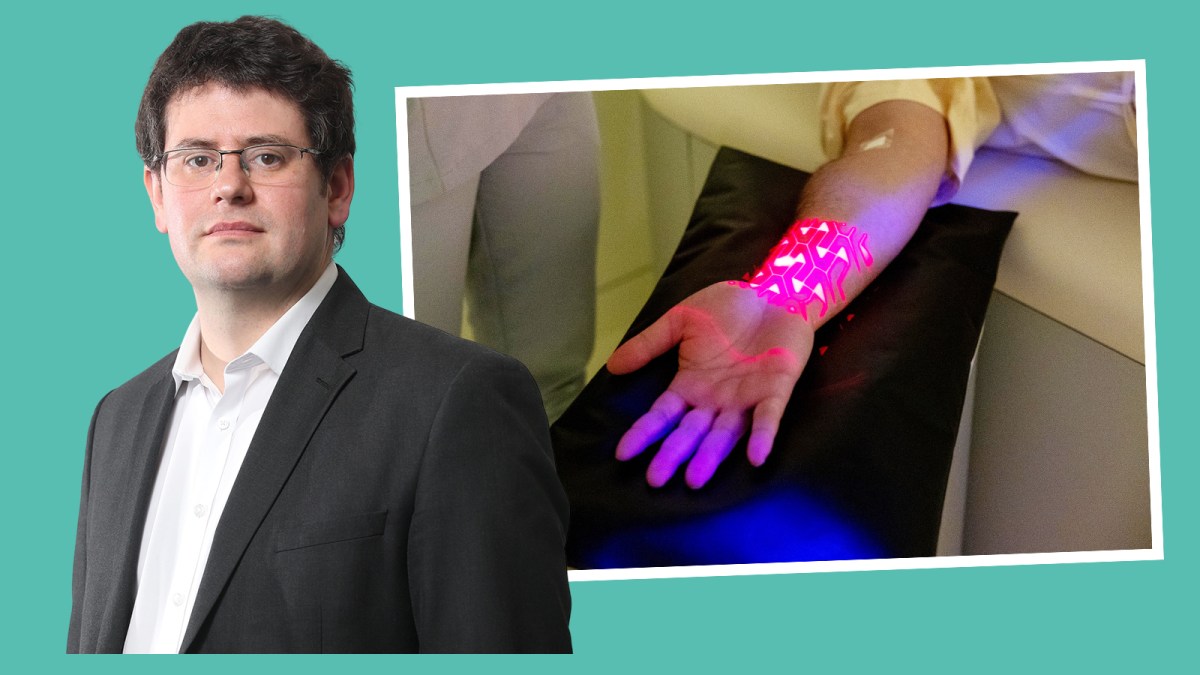
Stepping through the door of the clinic, it is clear this is not going to be a normal checkup. There isn’t a hard plastic chair or crying baby in sight. Neko Health, the Swedish health start-up, arrived in Britain in September 2024 and since then has opened four clinics in London and Manchester, with further centres in Birmingham and other cities on the way. For £299 the company offers customers a chance to “get ahead of their health”, with a battery of cutting-edge scans, tests and checks to identify problems before they develop.
Its co-founders, Daniel Ek, the billionaire founder of Spotify, and the engineer Hjalmar Nilsonne, believe this is the future of healthcare — a way to get on the front foot and shift the focus to prevention over cure. Critics, however, say Neko is simply one of a number of companies offering reassurance for a fee to the middle-class “worried well”.
I visit the Neko clinic in Spitalfields, east London, to find out whether this model could transform the way we think about health.
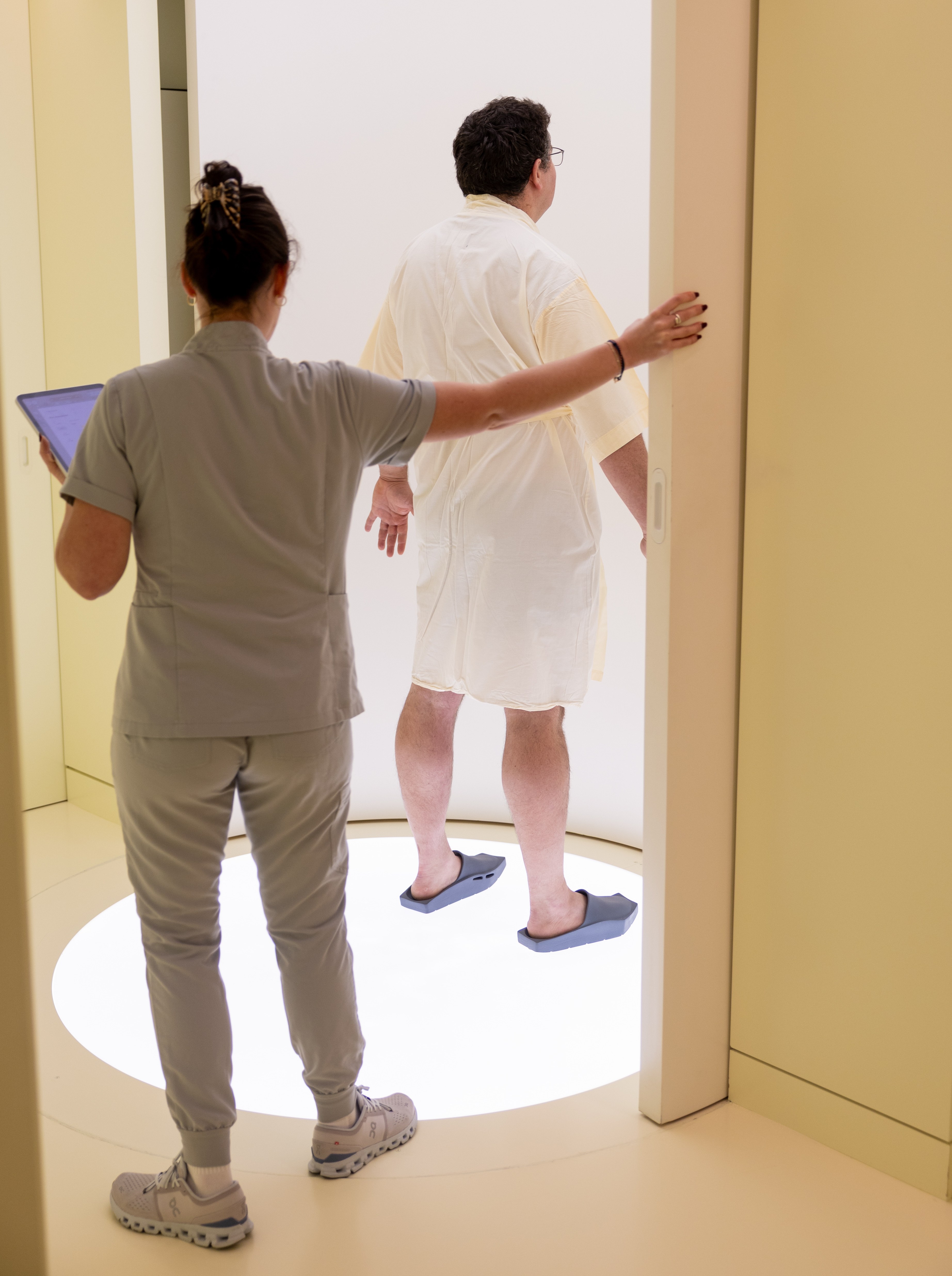
It certainly looks impressive. Having changed into a yellow robe and slippers, I am asked to step inside a cylindrical cubicle lined with cameras. “This scanner will take over 2,000 pictures, 2D and 3D,” says Anna Parker, a nurse. “It’s going to map out any skin markings, any wounds in your body. It also has a thermal sensor as well, so any inflammation, it’ll indicate that, too.”
TOBY SHEPHEARD FOR THE SUNDAY TIMES
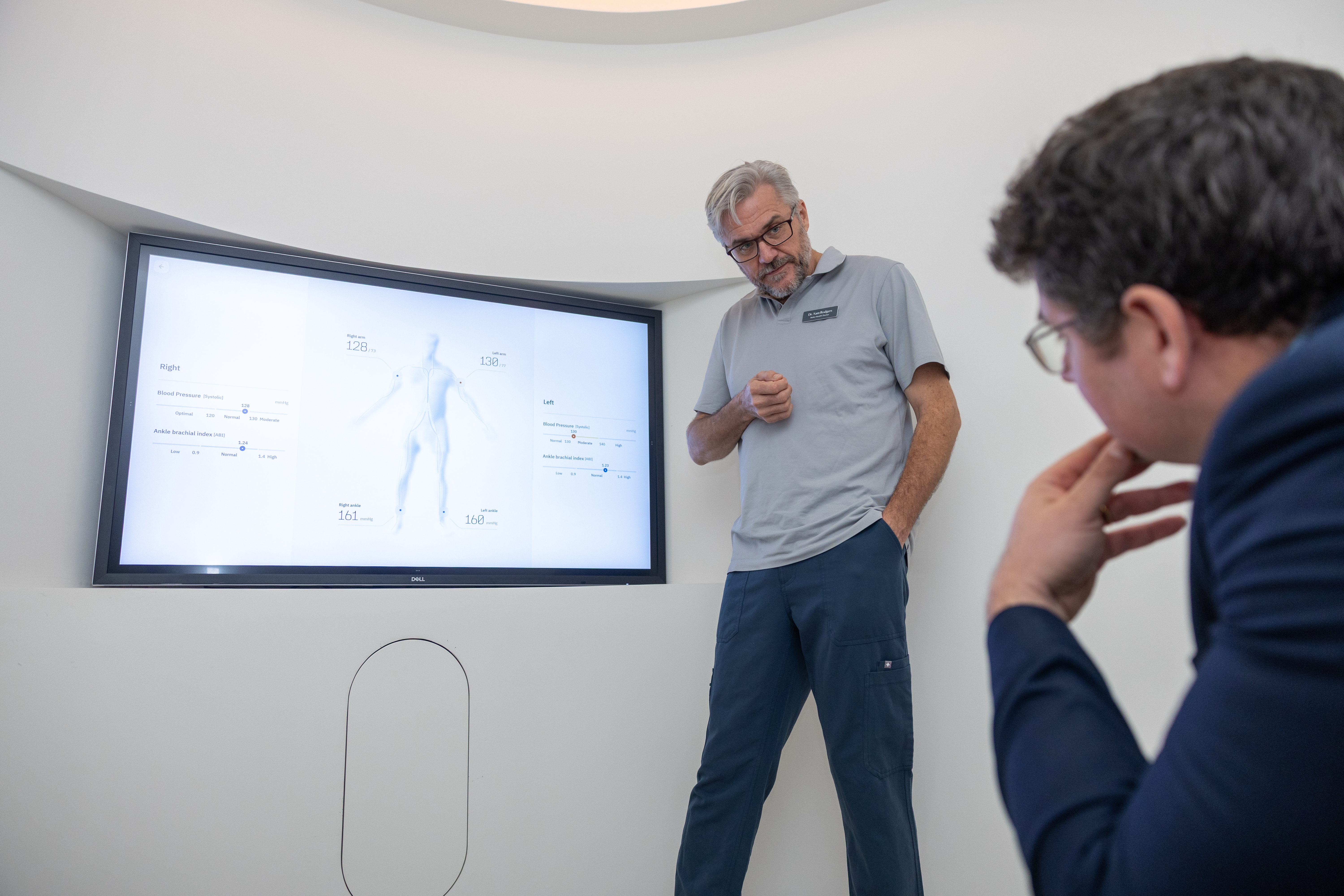
Once the cameras have photographed every inch of my body, I sit on an examination bed for some tests. There is a grip strength test — which studies have shown is well correlated with the ability to recover from illnesses — and an eye test for glaucoma. Then my blood is taken: the sample tube is sucked through a hole in the wall to be transported to the lab. I lie still as a laser-based tissue scanner glides over me, analysing microcirculation and metabolism. Blood pressure cuffs are placed on both wrists and both ankles, which will pick up any localised circulation problems. Then electrodes are placed on my chest for an ECG of my heart. Finally Dr Sam Rodgers, a GP and Neko’s lead clinician, comes in to listen to my chest through a stethoscope.
Next we move to a consulting room where Rodgers has my results. This is all part of the package that Neko believes will keep patients coming back: “High-tech, high-design and high-touch”. The last element, the personal touch, or more time with a doctor to talk about any concerns, is something Neko believes patients are missing in their NHS appointments.
“The tests give you much more breadth than an NHS health check — it’s a much deeper dive, particularly into your cardiovascular health,” says Rodgers, who also works as an NHS GP in south London. “But the other big difference is the time you get with a doctor to talk things over. In the NHS it’s usually a healthcare assistant doing these checks, not a GP.” He takes me through the scan results — including individual pictures of 1,131 moles and freckles.
AI has assessed the size, shape and colour of each, and flagged five for closer examination. Rodgers uses a dermoscope — a handheld magnifying instrument — to examine these. “They are all fine,” he said. “Nothing to worry about.” The blood test shows my “bad” LDL cholesterol is at an optimal level for a man of 42, suggesting I metabolise fats pretty effectively. But my “good” HDL cholesterol is a little low. “I’d be aiming to eat salmon or another oily fish, twice a week is usually enough,” Rodgers says.
TOBY SHEPHEARD FOR THE SUNDAY TIMES
My blood pressure is within the health range, but a little high. Based on a predictive model, Rodgers shows me a graph projecting that, on my current trajectory, I could be heading for hypertension in my fifties. “That’s preventable,” he says, advising me to reduce salt and do strength training three times a week. “That will knock five to ten points off your blood pressure.” Glucose levels are also a bit elevated, and Rodgers advises me to cut down on white bread, white rice and white pasta and opt for wholegrain instead. He shows me a futuristic avatar of my own body on a giant television screen and says that I have a “heart health” of 46, compared with my “chronological age” of 42 — a bit concerning but nothing disastrous if I make some tweaks.
Two weeks after my appointment, I speak to Nilsonne, Neko’s co-founder. He firmly believes his approach is the future for all health systems, including the NHS. “It is illegal to have a car without an annual MOT check. But for our health, you cannot get time to see a doctor unless you have a symptom, which by definition means it’s pretty late-stage.” His services have been greeted enthusiastically in the UK. About 25,000 people have been scanned in the past year and there is a substantial waiting list, despite the price tag. Nilsonne rejects the accusation that he is providing a service for the affluent. “Neko’s mission is to find a way to make proactive healthcare accessible to pretty much everybody,” he said. “We didn’t start Neko because there’s a shortage of luxurious health clinics. You can easily spend £5,000 or £10,000 to get something that, in my biased opinion, is not as comprehensive or high quality.”
Feeding on fear?
Suzanne O’Sullivan says overdiagnosis is causing anxiety
VICKI COUCHMAN FOR THE SUNDAY TIMES
Not everyone is convinced this is a force for good. Suzanne O’Sullivan, an NHS doctor and author of The Age of Diagnosis, believes modern healthcare is already too focused on tests and scans. Many of these are so sensitive that they pick up early signs of diseases which will never actually cause problems, she said. “It causes an immense amount of anxiety.” Diabetes, she says, is a case in point: the blood glucose threshold for “pre-diabetes” was lowered in 2003 by the American Diabetes Association from 6.1 millimoles per litre to 5.6. That change more than doubled the global population with pre-diabetes overnight. The association’s rationale was that if more people were given a label of “pre-diabetes”, they would get treatment or advice to avoid developing full-blown diabetes. Yet it has done nothing of the sort: diabetes numbers continue to rise each year.
Outfits such as Neko and others like them — including a rash of new clinics that offer regular full-body MRI scans — are “feeding on fear”, O’Sullivan says. “The ‘worried well’ go to these clinics seeking reassurance. But how will they respond when they don’t get the all-clear that they’ve gone there to get?” she asks. Neko’s results suggest the vast majority of patients do get the all-clear. Data from 4,362 scans in Sweden in 2024 reveals 81.3 per cent required no further medical action. The remainder were referred for further testing or specialist review, many of whom were then cleared. Some were found to have previously unknown health issues: 1.2 per cent with reversible conditions such as pre-diabetes or elevated blood pressure; and 4 per cent with significant health conditions such as type 2 diabetes, heart disease or high cholesterol. Some 1.2 per cent were found to have life-threatening conditions requiring immediate medical treatment. This included 25 patients with skin cancer, 19 with serious heart issues and eight with what was considered life-threatening diabetes or elevated cholesterol.
For the 1.2 per cent whose lives may have been saved, the value of a £299 scan is incalculable. For the rest? Most of these less-serious cases would have been picked up by an NHS health check, a free service offered to over-40s which looks at blood pressure, blood sugar and cholesterol. And for those who need a nudge to make some tweaks? I already knew my blood sugar was a tad high. But I found having an extended chat with a doctor rather than the usual nagging five-minute appointment with a stressed GP did make a difference. I’ve swapped my breakfast toast for yoghurt and my kitchen cupboards are now full of tins of tuna and wholegrains rather than white rice and pasta. I’ve bought some weights and one of my new year’s resolutions is to actually start using them. So is this the future of healthcare? Only, I suspect, for those who can afford it.