
 Defecation is commonly treated as a universal feature of animal life, a visible outcome of digestion and metabolic turnover. In biological terms, however, waste handling takes multiple forms, shaped by body organisation, feeding strategy, and environmental constraint. Some animals process food in ways that leave little or no solid residue, while others lack the anatomical structures associated with faeces altogether. These systems are not curiosities but documented outcomes of evolutionary history, observed through anatomical study, metabolic measurement, and controlled feeding experiments. Research attention has increased as microscopy, imaging, and biochemical tools have clarified how nutrients and waste move through simple or highly reduced bodies. In several cases, the absence of defecation reflects efficiency rather than deficiency, with waste dispersed, absorbed, or transformed rather than expelled as solid matter.
How some animals manage digestion without pooping
Zoological research has identified several animals that do not produce faeces in the familiar sense. In these organisms, digestion occurs without a permanent anal opening, or metabolic waste is eliminated through diffusion, cellular recycling, or periodic expulsion through the mouth.• Tree hole frog • Sponges • Flatworms • Jellyfish • Tardigrades
1. Tree hole frog
Source: Wikipedia
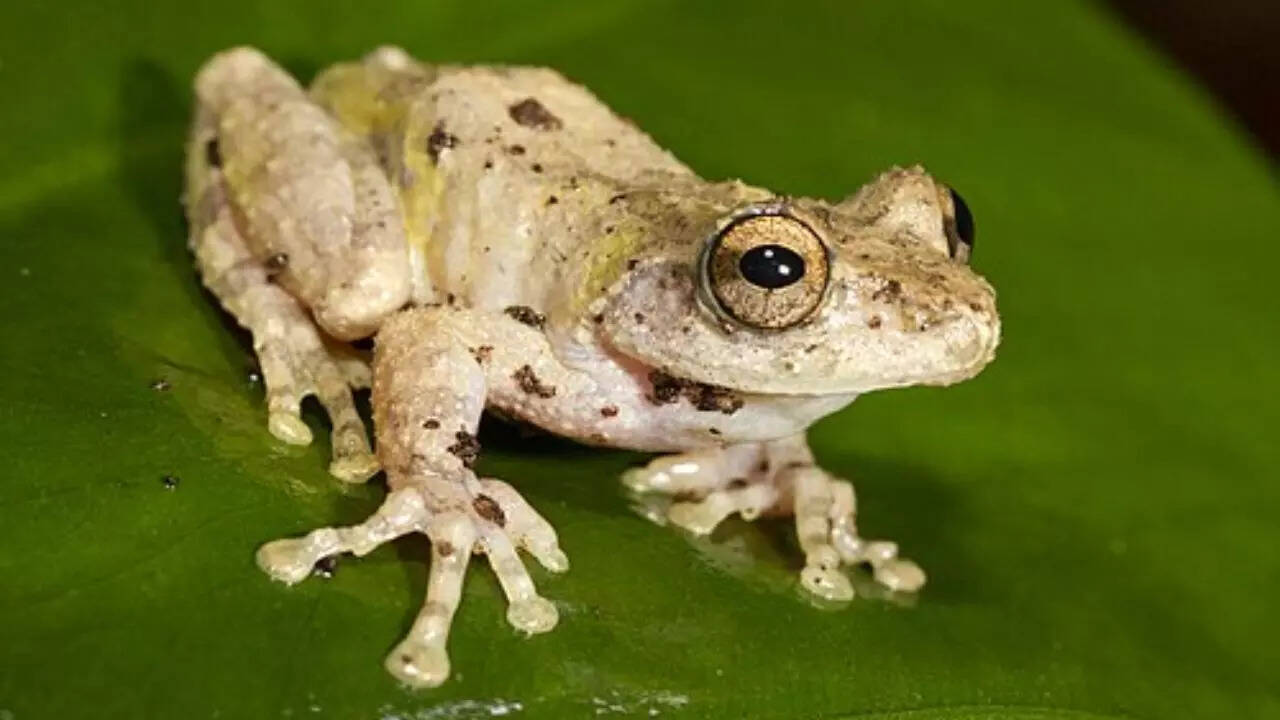
The reproductive ecology of Kurixalus eiffingeri has drawn attention because its tadpoles develop in confined tree holes rather than open water. These ponds have scarce resources and become waste, filled very quickly, thus the need for metabolic efficiency arises as the strongest selective pressure. A close examination of tadpole development reveals that the larvae do not defecate during their entire development. The feeding is done by the consumption of unfertilised eggs provided by the mother, a nutrient source that is highly digestible and contains very little indigestible material. Gut examinations under laboratory conditions reveal an absence of faecal accumulation, even after repeated feeding. Nitrogenous waste is released mainly as ammonia across the skin and gill surfaces, rather than stored or expelled as solid matter. These findings are reported in experimental work published in Ecology, where researchers combined behavioural observation, chemical assays, and anatomical analysis to document waste handling in this species.
2. Sponges
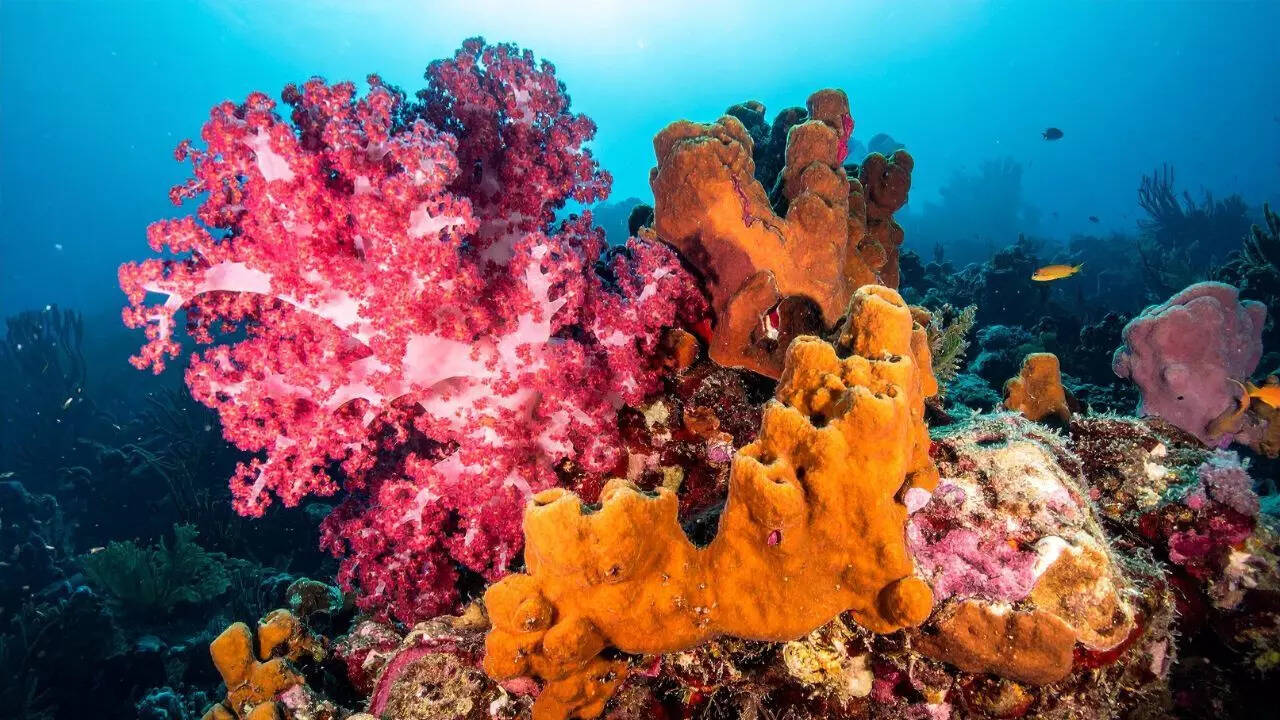 Sponges completely lack a digestive tract, which is consistent with their position as one of the earliest multicellular animals. Their bodies are made of porous tissue supported by a skeletal framework, through which water is constantly pumped. Food particles, such as bacteria and organic debris, are trapped from the water by choanocytes and are digested in these cells. Because digestion is intracellular, no gut lumen exists in which waste could collect. Indigestible material is either broken down further by neighbouring cells or expelled passively with outgoing water flow. Metabolic by-products such as ammonia diffuse directly into the surrounding seawater across cell membranes. Reviews of sponge physiology published in Frontiers in Marine Science describe this process using electron microscopy and metabolic flux measurements, showing that sponges function without producing faeces and without any structure comparable to an anus.
3. Flatworms
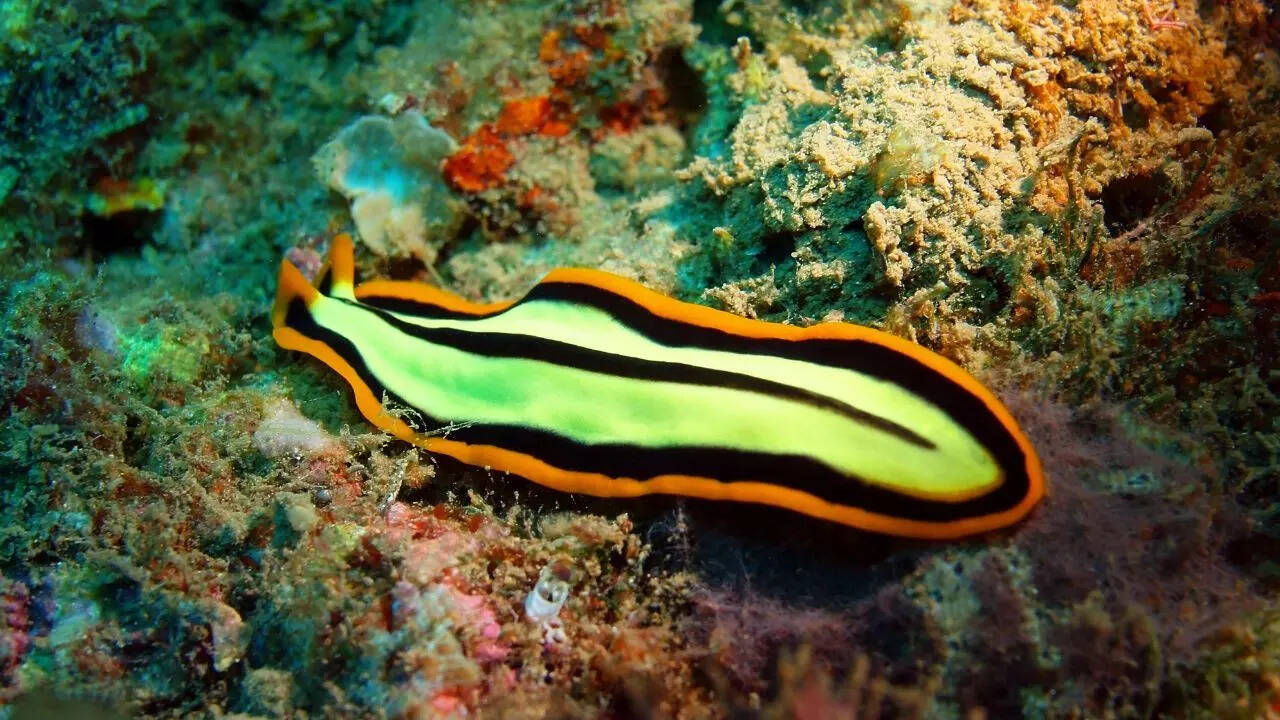 Flatworms exhibit a body plan built around a single-opening digestive cavity known as a gastrovascular system. Food enters through the mouth, undergoes partial extracellular digestion, and is then absorbed by gut cells and surrounding tissues. Any undigested remnants are expelled back through the same opening. There is no separate anal exit and no formation of compact faecal matter. Instead, waste elimination is intermittent and closely tied to feeding events. Nitrogenous waste products diffuse across the body surface due to the animals’ thin, flattened shape, which allows direct exchange with the surrounding water or moist substrate. Classical anatomical descriptions and feeding experiments reported in zoological literature archived on JSTOR document cycles of ingestion and egestion without sustained waste storage. These studies emphasise how the absence of a circulatory or excretory system is offset by body geometry and low metabolic demand.
4. Jellyfish
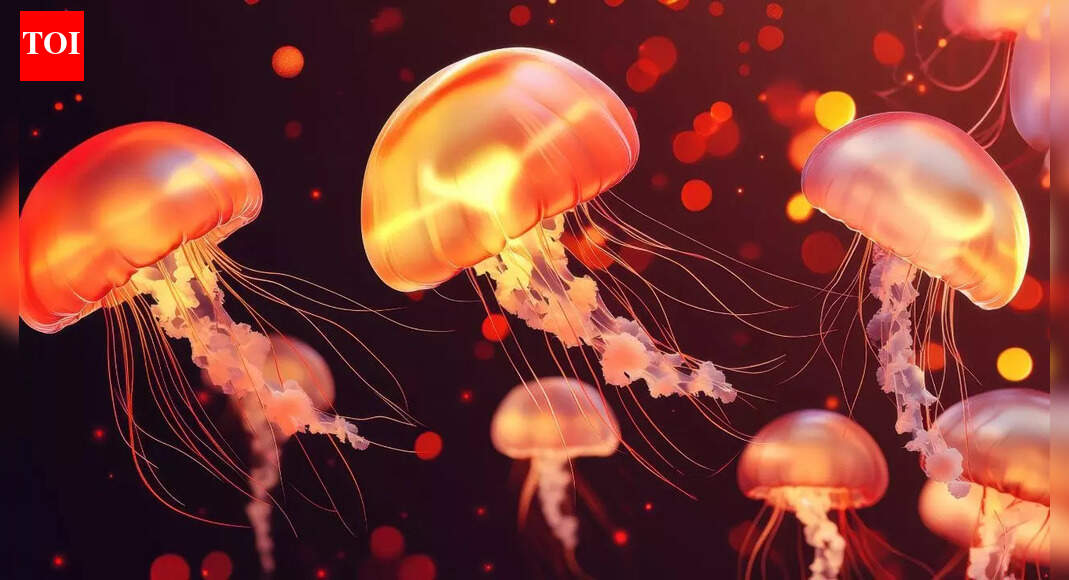
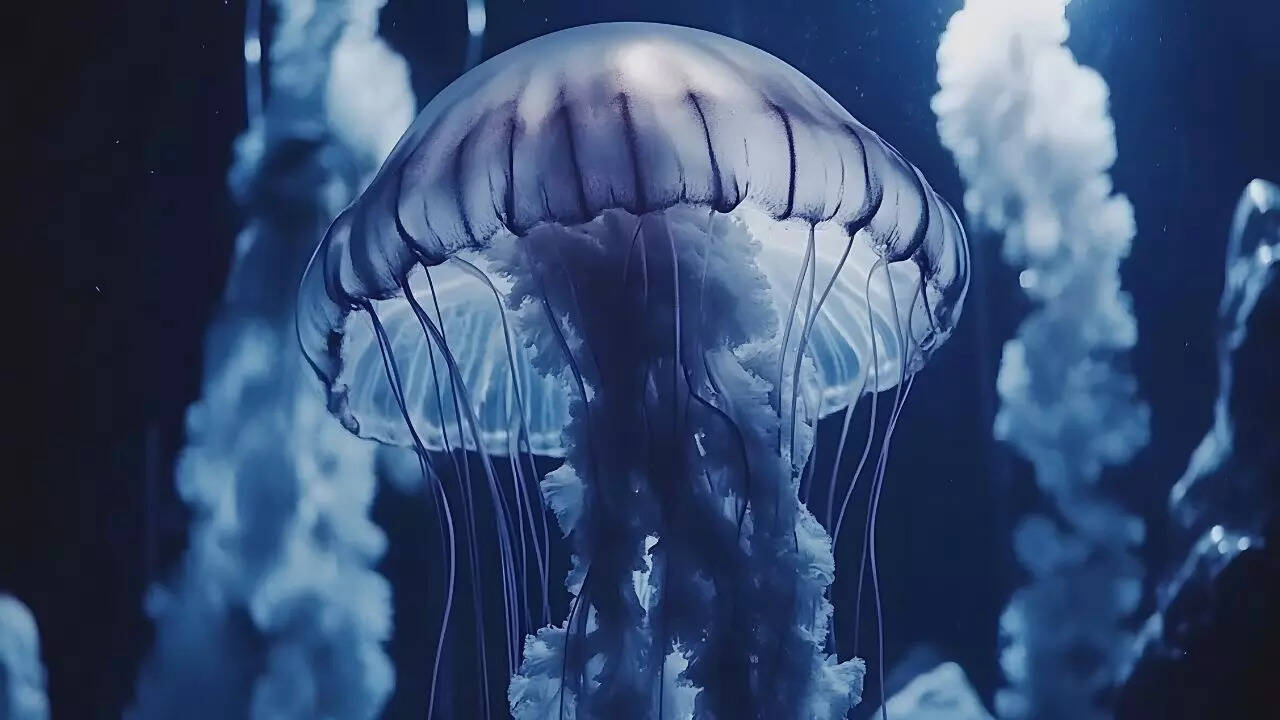 Jellyfish have a single opening digestive system similar to that of flatworms, but they are bigger and structurally more complex. The food caught by the tentacles is moved to the mouth and then to the central stomach. From there, nutrients are transported through radial canals. The digestion is done in the stomach, so the dissolved nutrients are absorbed by the surrounding tissues. The indigestible materials are thrown out through the mouth from time to time. Usually, this material is broken down and mixed with the seawater, rather than being compacted into solid waste. There is no anus, and faeces are not produced continuously. Thin tissue layers allow metabolic waste, including ammonia, to diffuse directly into the surrounding water. Experimental studies using tracers and time-lapse imaging have tracked these processes in live specimens. A synthesis published in Biology collates these observations, detailing how jellyfish manage digestion and waste without forming faecal output.
5. Tardigrades
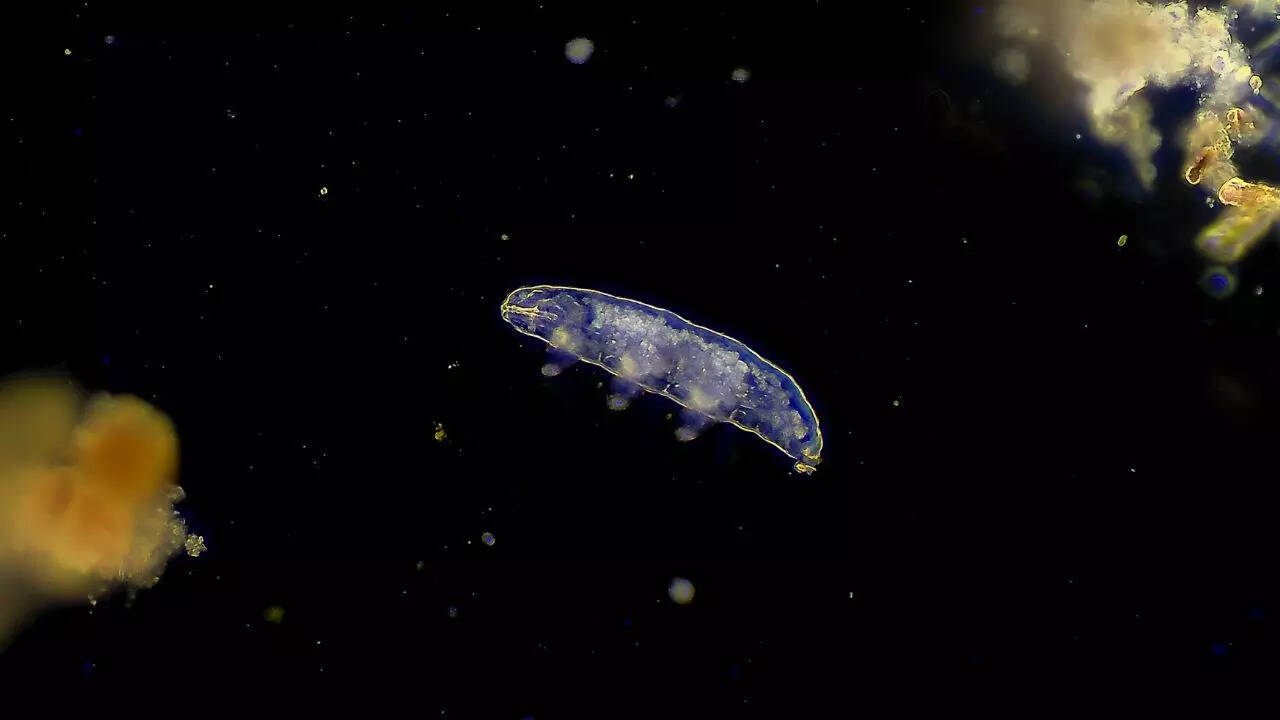 Tardigrades are minute animals that are most notable for their impressive ability to survive the harshest of environments. Their digestive system comprises a mouth, pharynx, and simple gut, but waste production is very rare and sometimes completely absent for long periods. When the feeding is active, the digestion is very effective, with almost all the ingested material being absorbed at the cellular level. The solid waste produced is very little, and it may be kept until the conditions are suitable for its release. In case tardigrades go into cryptobiosis, which is a dormant state caused by dehydration or temperature extremes, the metabolic activity is drastically reduced. During this time, the digestive process is stopped, and no waste is generated. Laboratory observations reveal that the individuals can stay in this state for several months without defecation. The research mentioned in The Scientist refers to the studies on physiology and molecular analysis that help to understand how the animals achieve extreme metabolic suppression and cellular repair, which in turn greatly reduces the need for waste elimination.Together, these examples show that defecation is not a biological requirement but one solution among many, shaped by anatomy and environment, where waste can be dispersed, recycled, or metabolically minimised rather than expelled as solid matter.Also Read | This spider spins the world’s finest silk with unmatched strength