
BODY, MIND AND COMMUNITY
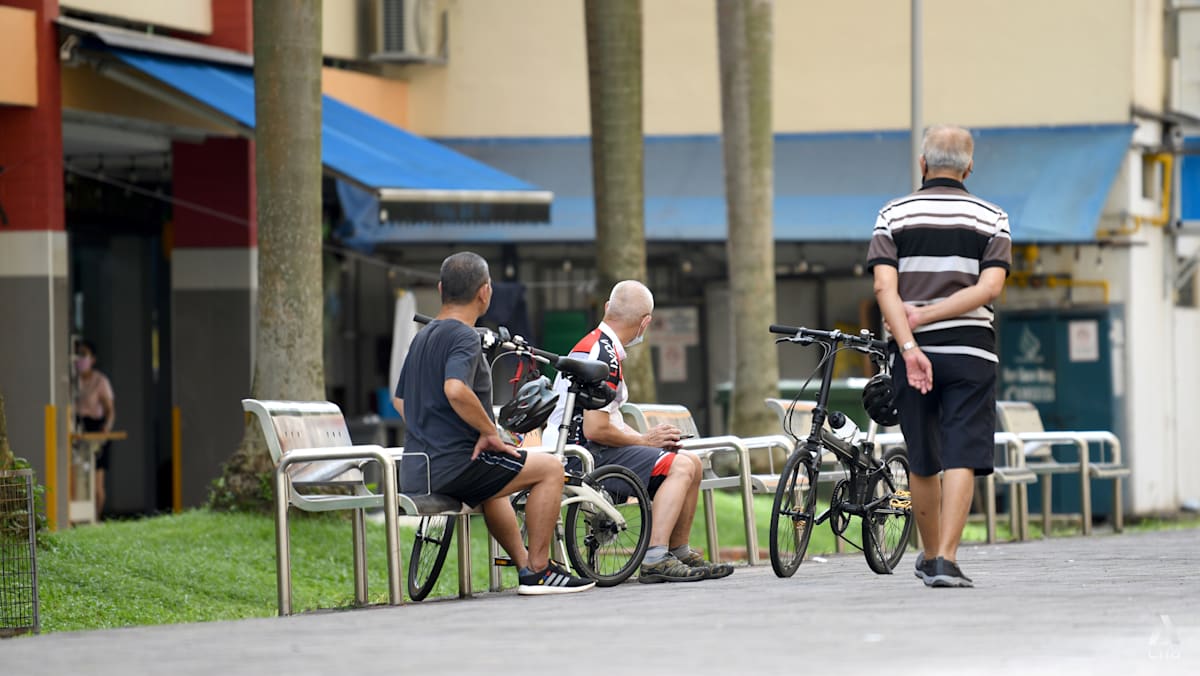
Independent living works because it strengthens body, mind and community. The body comes first: Well-designed estates with safe paths and gardens make it easier for seniors to stay active. Even a few minutes of walking or climbing stairs daily lowers the risk of heart disease and frailty.
The mind benefits too. When older adults mix exercise with learning and social activities, their memory and focus stay sharper. It is not always about lessons, but sessions that spark curiosity – puzzles, workshops, or chatting with younger neighbours.
And then there is community. Loneliness shortens lives, but when housing creates chances to meet – in a shared kitchen, sky garden or club downstairs – friendships form.
For families, shared facilities lower costs, integrated centres save commuting time, and seniors stay part of the community rather than being isolated.
LESSONS FROM ABROAD
Global examples reinforce the point. From Japan’s neighbourhood groups to Northern Europe’s co-housing projects, seniors thrive when supported by well-designed spaces and comprehensive programmes.
Private operators in Asia are also moving in this direction. In Hong Kong, senior living services provider Ventria Residence launched premium serviced apartments in Happy Valley, while Hygge Living Rehabilitation Centre offers one-stop facilities that meet the elderly’s physical and mental needs.
Beyond design, technology can reinforce the pillars of body, mind and community when applied thoughtfully. Smart homes and wearables help seniors track their health. Telehealth services make it easier for seniors to get healthcare without leaving their home. A study in Melbourne found that technology-enabled community care helped older adults understand their health better and adopt healthier routines.
But technology must complement, not replace, the human contact that makes community living work.