

 NEED TO KNOW
In 2022, Rhiannon was officially diagnosed with obsessive-compulsive disorder
Over the course of two decades, the 29-year-old from Chattanooga, Tenn., has compiled a running list of words she cannot write, read, hear or say aloud without triggering a physical reaction
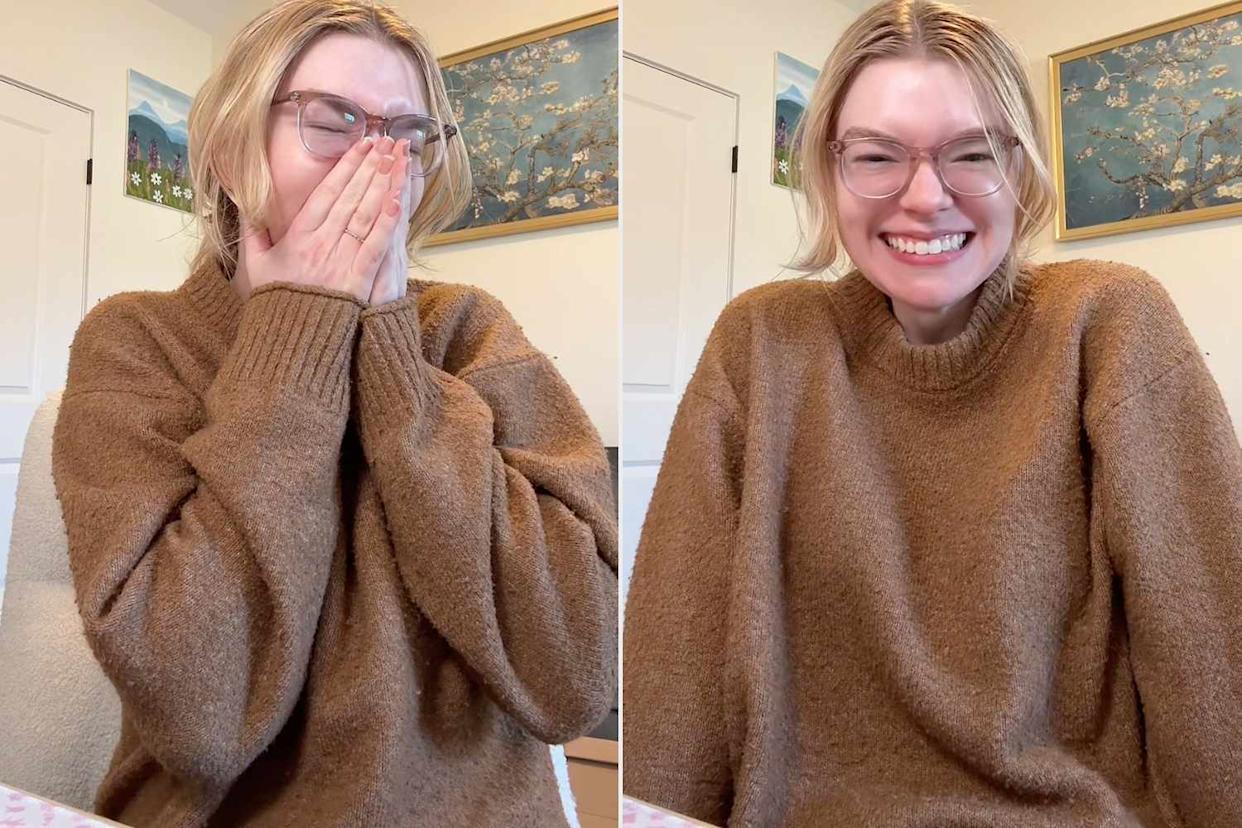
In a recent TikTok video, Rhiannon bravely “confronted” her OCD by recording herself saying the “trigger” words she fears most
At just 8 years old, one woman knew something wasn’t right when she realized she couldn’t say certain words out loud.
Terms labeled “inappropriate” for children – especially those related to the body or bathroom – felt completely off-limits.
“My avoidance was so intense that in second grade I had an accident because I couldn’t bring myself to say the word ‘bathroom’ or ask to go,” the woman, who goes by Rhiannon online, tells PEOPLE exclusively.
For some time, she believed anxiety was to blame, but it wasn’t until four years ago that she was finally diagnosed with obsessive-compulsive disorder (OCD) – putting a name to the symptoms that had shaped her life since childhood.
Since then, Rhiannon’s list of forbidden words has expanded and includes several “nonsensical” ones that trigger physical reactions whenever she writes, reads, hears or says them.
“Currently, it’s impossible for me to say the names of condiments: mayo, ketchup, mustard,” she reveals, adding that even typing the words makes her feel “uncomfortable.”
The 29-year-old’s aversion has nothing to do with the meaning of the words, but more with the way that they sound.
Just hearing the word “mayonnaise” makes her twitch and elicits a tight feeling in her jaw, while actually saying it herself is “equally as awful,” causing her to sweat.
“I feel like I’ve done something disgusting by saying them,” she admits. To get around using words like “mayonnaise” in public, Rhiannon pretends to forget them completely.
“I’ll ask, ‘Oh, what’s that thing… the red sauce you eat with fries? That, please!’” she explains. “Or my close friends know them by ‘the M word’…and will answer any questions for me so I don’t have to say them.”
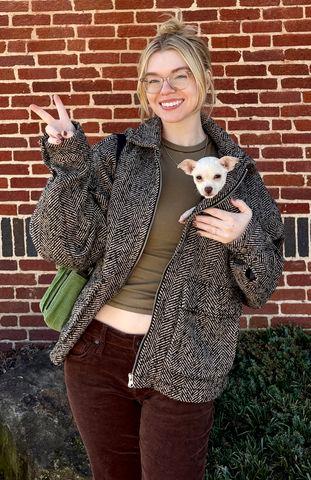
In addition to condiments, Rhiannon also has a strong aversion to the many names people use for their grandparents, including “Nana,” “Papaw,” and similar variations.
Recently, Rhiannon “confronted” her OCD by recording herself saying some of the words she hates the most, later posting it to TikTok, garnering over 580,000 views.
Before sharing the viral video, she hadn’t noticed any link between the sounds of the words and her aversion – but viewers pointed out they mostly shared the short “a” sound.
“I definitely prefer the sound of long vowels, which is why I can say some of these problem words with no issues in Japanese,” she shares.
Nevertheless, Rhiannon has gone to great lengths to avoid her “trigger” words – and has managed to do so successfully for years without feeling pressured to “fix” or “manage” her aversions.
“My main focus is to continue managing my OCD in a way that supports my overall quality of life,” she explains. “In therapy, that means staying focused on the symptoms that most directly affect my mental health, relationships, and day-to-day functioning.”
Never miss a story — sign up for PEOPLE’s free daily newsletter to stay up-to-date on the best of what PEOPLE has to offer, from celebrity news to compelling human interest stories.
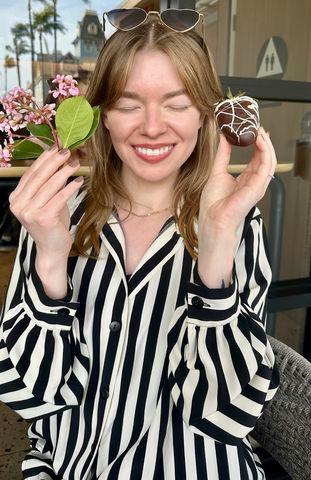
Instead of approaching her triggers with shame, Rhiannon uses humor to navigate them and was surprised by the overwhelmingly positive response she received after sharing this side of herself online.
“Places like TikTok and Instagram comment sections can be brutal, especially in regards to people talking about mental illness,” she notes, and yet the comments calling her “cringey” were “few and far in between.”
“I hope that all of the attention this video has gotten helps show that OCD isn’t always what people expect; it can be complex, irrational, frustrating, but sometimes genuinely funny and weird,” Rhiannon tells PEOPLE.
“If someone sees themselves in my experience and feels less alone, or feels encouraged to explore whether OCD might be playing a role in their own life, then sharing is absolutely worth it to me.”
Read the original article on People