

I’ve seen a slew of pictures on social media with users freaking out about what Ozempic is doing to people’s faces.
And if you look at the images as presented, you might actually be concerned something sinister is happening.
But that’s not the case at all.
What causes Ozempic face
I bumped into my high school friend Mike a few months back. I hadn’t seen him in five years. The last time we’d met, he was morbidly obese. I’d heard through the grapevine that he’d gotten gastric bypass surgery.
And when I saw him at the grocery store, I didn’t even realize it was him at first. I just thought some stranger was smiling and waving at me, mistaking me for someone else.
He’d lost 200 pounds and his face looked radically different. One could have easily mistaken his face for being “Ozempic face” as he certainly looked more mature. That boyish roundness to his appearance was suddenly gone.
Being in our 40s, we are naturally going to show our age a bit more. But I was happy for him. He seemed so much more confident and healthy.
When you are overweight, you tend to hide wrinkles more in your skin. There’s more fat padding which gives a fullness to your face. So in a small snapshot, you might appear younger than you would otherwise. But as a whole, you’ll still appear far healthier.
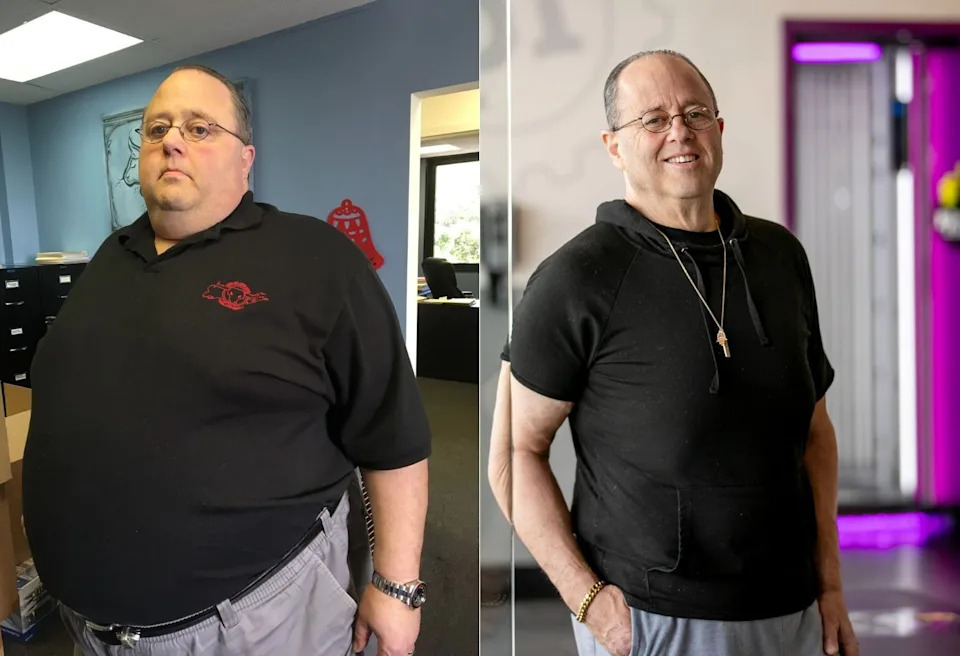
Weight loss
(Northwell Health)What are the signs of Ozempic face?
It tends to show as:
Increased presence of wrinkles.
Sagging of the skin on the face and neck.
Sunken appearance of the eyes.
Because GLP-1s are so effective and used so pervasively (a November poll showed one in eight people are using the drug), it’s only natural that we are seeing this term cited more and more.
What can you do to prevent Ozempic face?
Adding volume to your face is a key feature of appearing youthful.
Staying hydrated can help with this volume. The Mayo Clinic recommends 3.7 liters for men and 2.7 liters for women, which means you should be drinking water continuously throughout your day. This is especially important as people on GLP-1s may feel a decreased desire to drink water.
Eat adequate protein—as it’s critical for maintaining skin and muscle quality to help reduce the loss of skin elasticity (it helps produce collagen and elastin).
If these things don’t help with the sagging and wrinkles and it still bothers you, there are always dermal fillers and lifting procedures a licensed plastic surgeon can provide.
I’ve always maintained there’s nothing wrong with pursuing options available to you so long as you’re doing it for yourself and not out of pressure to look a certain way for others. Taking care of your health, making peace with aging, and seeking cosmetic help can all coexist without canceling each other out.
Is Ozempic face dangerous or a risk to your health?
No.
Per Bariatric Surgeon, Dr. Andrea Bedrosian MD, unlike the other potential side effects of Ozempic, this has no health risk, nor is it new.
The misunderstanding about Ozempic face
I often see “Ozempic face” used as a sort of fear-bait by journalists, when in reality, it’s totally normal to show signs of aging in your face if you lose substantial amounts of weight. It’s a small price to pay for being at a healthy weight and avoiding the dangerous complications of obesity.
In scouring for data, I found no peer-reviewed studies that suggest Ozempic or other GLP-1 drugs will cause aging of the face specifically because of the drug itself.
Moreover, if you take a GLP-1 drug, and only lose a small amount of weight (which does happen sometimes), you shouldn’t expect major changes.
Above all, I’d encourage people going through their weight loss journey to be kind to themselves. When you look in the mirror, celebrate how far you’ve come. What you’ve done isn’t easy.
A few small wrinkles to potentially add many years and a higher quality of life is a worthy tradeoff.