
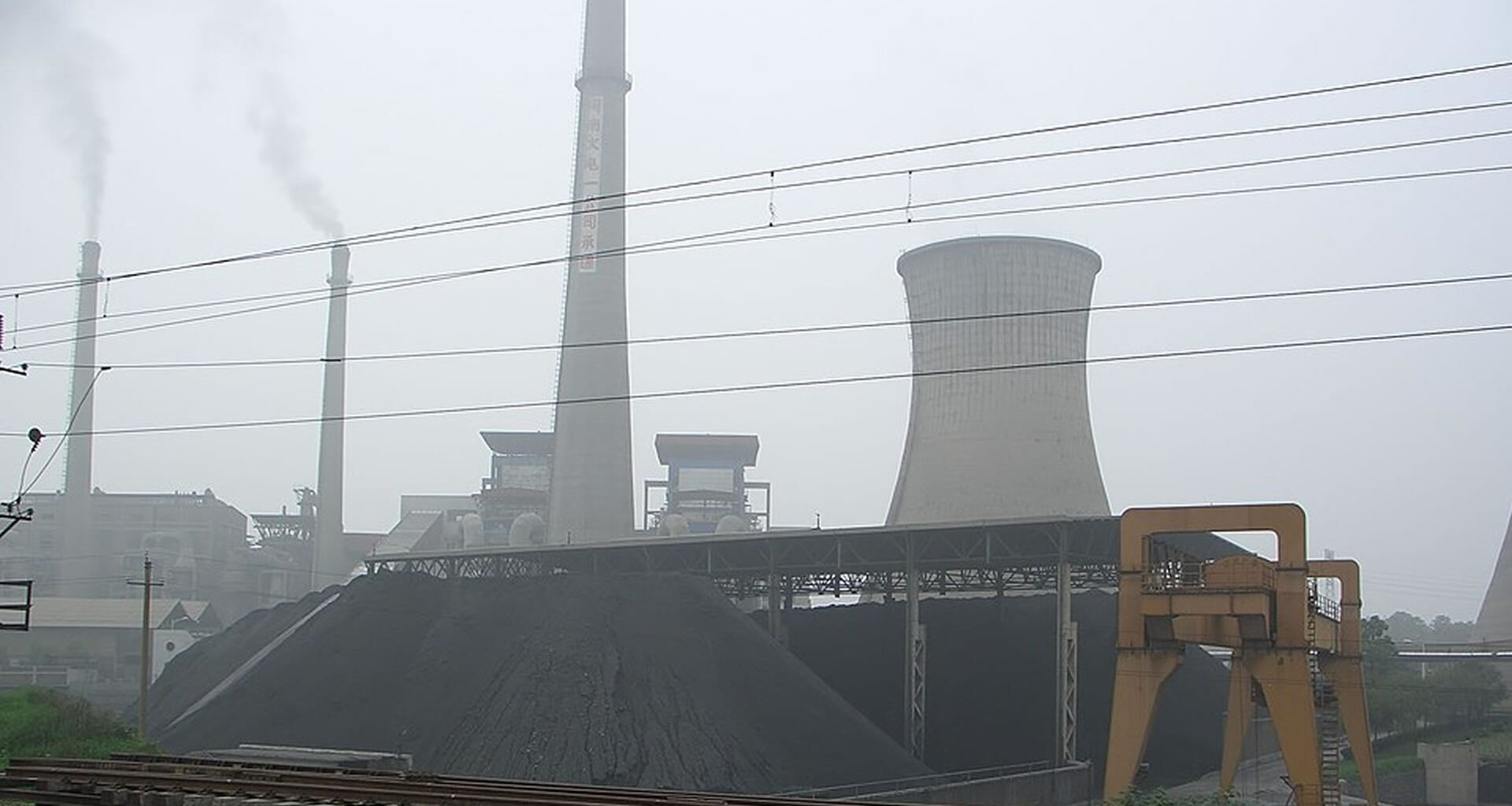
Chinese researchers have developed a new method for creating coal-sourced chemicals that reduces carbon dioxide emissions while increasing yield and efficiency. In fact, they found that their new process can result in three times as much useful product.
This, the researchers claim, is achieved using a relatively simple modification to the underlying chemical process. China remains heavily reliant on coal-to-chemical processes, particularly for producing olefins.
In case you are unaware, these are compounds made of hydrogen and carbon that typically contain one or more pairs of carbon atoms linked by a double bond. Also called alkenes, the most important examples in industry include ethylene and propylene.
To make them, coal feed is usually converted to something called syngas (carbon monoxide and hydrogen gas). This, in turn, is then converted to methanol and then finally to olefins.
More olefins, fewer carbon emissions
In other parts of the world, steam is used to convert oil or natural gas to make the same product, which has fewer steps but is equally inefficient in terms of energy and waste.
China primarily uses coal as it has an abundant domestic supply and tends to prefer to be less reliant on importing oil and gas. Olefins are high-value chemicals used to make things like plastics (polyethylene, polypropylene), pharmaceuticals, and other advanced materials.
Normally, converting coal to chemicals produces a lot of waste carbon dioxide and has other side effects that lower efficiency.
In processes like this, any loss of carbon as carbon dioxide is a key sign that the underlying process is inefficient. Any lost carbon as a gas like this ultimately means that it is no longer part of the final product, whatever that may be.
These inefficiencies tend to result in less useful product per ton of feed coal. To address this, the researchers performed what they have termed a “molecular switch.”
In practical terms, this means that they altered the reaction pathway. They were also able to block the chemical side reactions that normally waste carbon, create carbon dioxide, and reduce yield.
Boosting output and protecting the planet
To this end, valuable carbon isn’t lost as an exhaust gas but rather is retained within the product molecules and final chemicals. By keeping more carbon in the final product, the new process not only cuts emissions but also increases yield and ultimately improves its economics.
It is important to note that this new process doesn’t suddenly make fossil fuels, like coal, now “green.” The process is more of a coal-to-product process efficiency boost that means more of the raw material is actually converted to the final product.
However, it does show that concerns around reducing pollution don’t have to come at the cost of industrial efficiency. Looking beyond the production of olefins from coal, it is yet to be seen if such a process could be used for energy production from fossil fuels.
It could, for example, help improve the process of converting coal, oil, or gas into cleaner intermediate fuels for burning. Ultimately, however, the inherent inefficiencies of combustion will likely always remain an issue.