

Listen to this article
Estimated 5 minutes
The audio version of this article is generated by AI-based technology. Mispronunciations can occur. We are working with our partners to continually review and improve the results.
Some London business owners and environmental advocates say they are worried that more recyclable materials will end up in landfill after changes to the province’s recycling program.
On Jan. 1, the responsibility of the Ontario Blue Box program shifted from cities to the companies that supply paper and packaging to residents.
While there are no changes to residents’ recycling pickup schedule or procedure, businesses are now excluded from weekly curbside pickup.
“My initial reaction is this is awkward because you see my bins are right at the entrance of my business,” said Madheva Ellea, who owns Rascals Kitchen in the Southcrest neighbourhood.
“Pile ups [of recycling] will definitely affect the customer flow because no one wants … garbage to be seen on the premises, especially at a restaurant.”
Ellea said his restaurant recycles alcohol bottles, drink containers, cooking oil cans and approximately 10 to 15 flattened cardboard boxes every week.
 Madheva Ellea is the owner of Rascals restaurant. He says he his recycles alcohol bottles, drink containers, cooking oil cans and cardboard boxes every week (Kendra Seguin/CBC News)
When residents just down the road from Rascals were getting their bins emptied Wednesday morning, Ellea’s pile of cardboard was still sitting around the corner from his restaurant’s front door. He said his landlord is trying to figure out alternative recycling pickup options, but there’s only so long he can wait for that to happen.
“I need to get it to a nicer appearance to not offend my customers,” he said.
Previously, the City of London collected up to 10 bins of recycling from businesses located along residential routes on pickup dates. Now, external company Circular Materials only picks up residential garbage under provincial-wide regulations.
Old East Village BIA executive director Kevin Morrison said he’s been receiving calls from business owners in his neighbourhood who are frustrated with the change.
Businesses without the time and resources to take large recyclables to an environmental depot or without the cash to hire an independent contractor are resorting to throwing their recyclables into the trash, Morrison said.
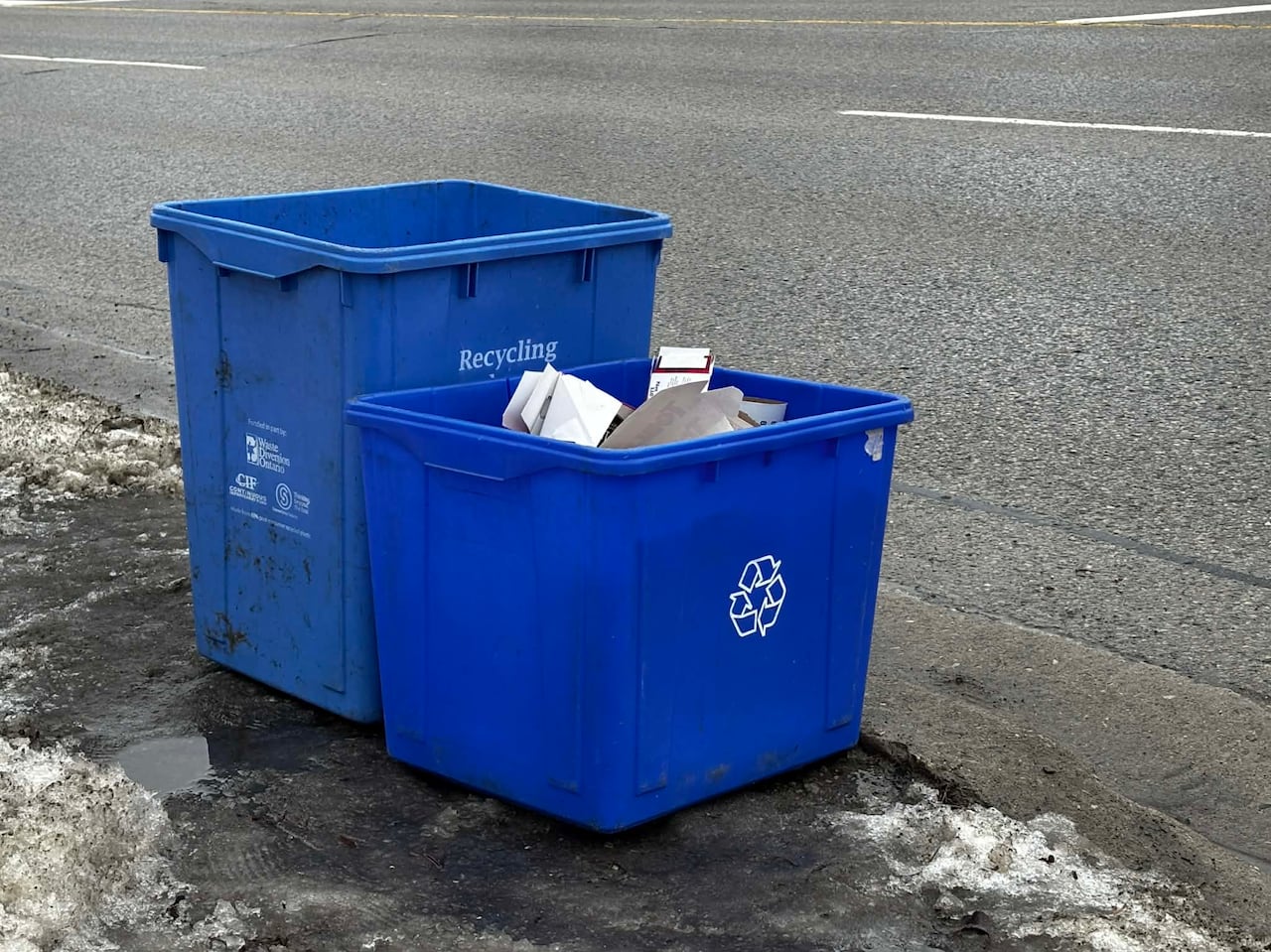 London residents will not notice any changes to their blue bin pickup procedure or schedule, though they can now recycle additional materials. (Kendra Seguin/CBC News)
“They said they don’t have the time. They’re too busy running their businesses, keeping doors open,” he said. “If you’ve got 50 pails to go out every two weeks because you’re a busy food establishment, how are you going to load that up into a vehicle and then take it to a depot?”
A step back for sustainability
That’s a concern for leaders at local environmental organizations who say the change makes it difficult for companies to be environmentally conscious.
“This might be great for the residents, great for the city and overall might be a better option, but sometimes when things like this happen and businesses are left behind, it’s unfortunate to see,” said Andrew Price, who is the green economy manager at the London Environmental Network.
“Unfortunately, we see the sustainability front kind of vanishes. All that material goes into the landfill,” he said.
Diane Szoller at the Thames Region Ecological Association said she is disappointed to hear that some businesses are throwing out recyclable materials.
“I can understand their rationale on it, but if they have been recycling, this is not a good reason to stop. They need to look at some innovation to continue,” she said.
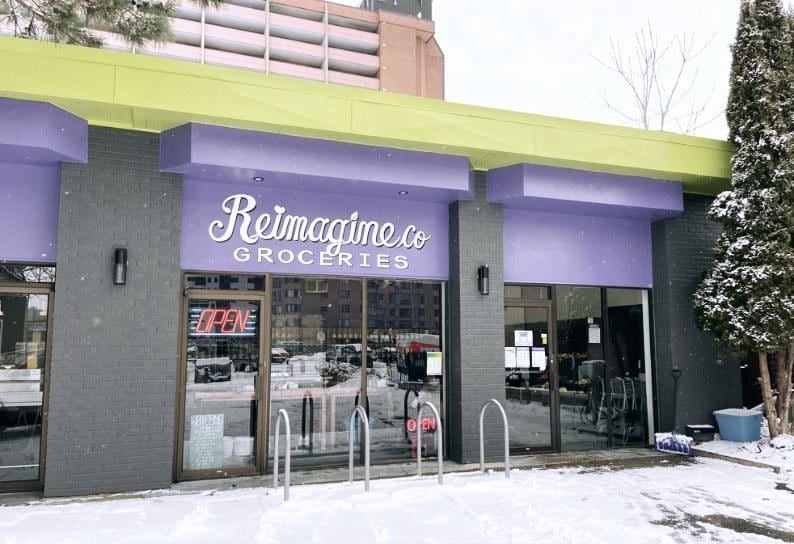 Reimagine Co. in downtown London is a package-free food takeout spot. Since changes to recycling curbside pickup, owner Kara Rijnen says she is taking her recyclables home. (Reimagine Co.)
At Reimagine Co., a package-free food takeout spot downtown, co-owner Kara Rijnen said she has started taking her recyclables home.
“I was a little annoyed, if I’m being totally honest, because we are already excluded from the green bin program that the city runs,” she said. “I’ve been collecting compost here at the store in a bin and bringing it home every week so it’s just one more thing I’ve got to do now to grab the recyclables, take that home and set it in front of my house.”
Rijnen said that while she’s passionate about sustainability, she understands why this is not accessible or realistic for everyone.
“This is not a slight on anyone, but I sort of expected this would happen,” she said. “That’s not to say people don’t care about waste reduction, but maybe it’s lower on the priority list for them and they don’t have the time to be doing what I’m doing.”
New items allowed in residential bins
The new year marks some small change for residents’ recycling bins, as more items are now accepted in blue bins.
Londoners can now recycle the following materials:
Flexible plastic packaging, such as plastic bags and overwrap from paper towels, toilet paper and beverage casesFoam packaging, including meat trays, takeout containers, cups, plates and bowlsTubes of toothpaste, deodorant and hand creams