
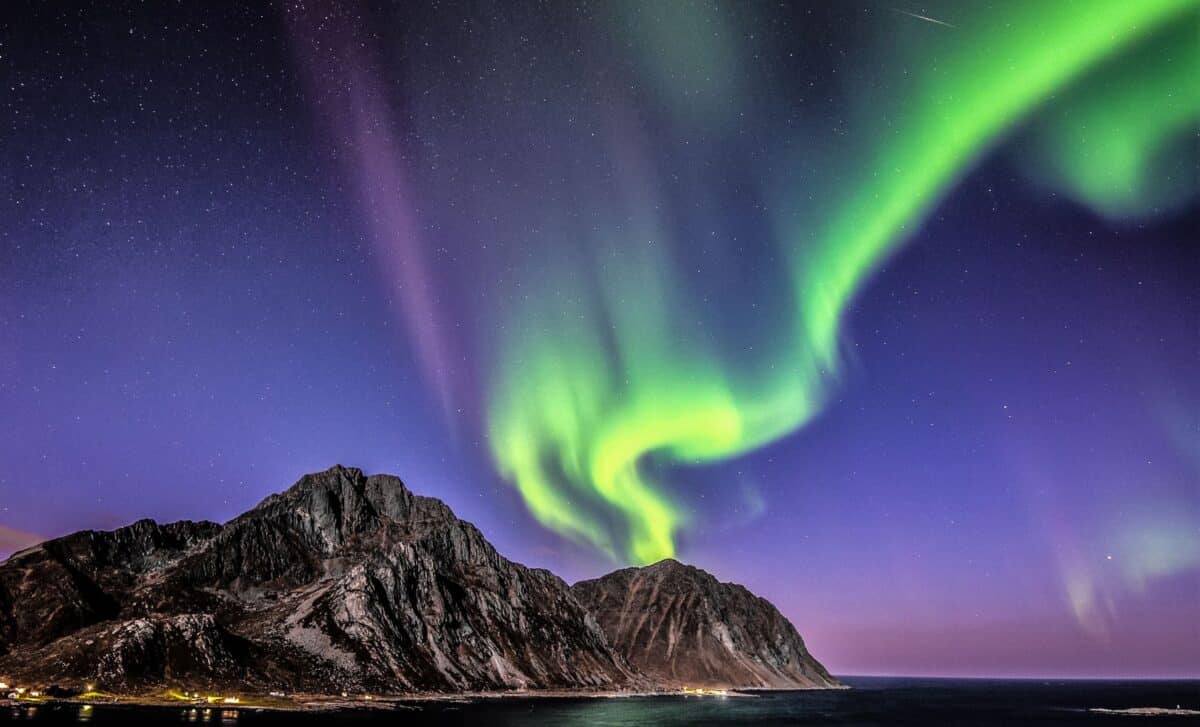
A cosmic show is in the works this week, with the Northern Lights expected to make an appearance across parts of 15 northern U.S. states. This stunning light display is the result of a G1-level geomagnetic storm triggered by a burst of solar wind.
The geomagnetic storm, which is caused by a coronal mass ejection (CME) and a co-rotating interaction region (CIR), both fancy terms for solar wind disturbances, is set to bring the aurora down into lower latitudes. According to the National Oceanic and Atmospheric Administration (NOAA), the geomagnetic storm should peak in intensity overnight, though the timing of space weather can be tricky to predict.
Where the Northern Lights Will Be Visible
So, which states have the best chances of seeing the aurora? Places like Alaska, Washington, Montana, North Dakota, and South Dakota are at the top of the list. These northern states are typically the go-to spots for aurora sightings from Thursday, January 8, through Friday, January 9, 2026.
But even states a little farther south won’t be completely out of the picture. As reported by NOAA, places like Minnesota, Michigan, and Maine will have a solid shot at seeing the aurora, depending on the storm’s strength. In some of these regions, the aurora will be a little fainter, hovering low on the horizon, which could make it trickier to spot.
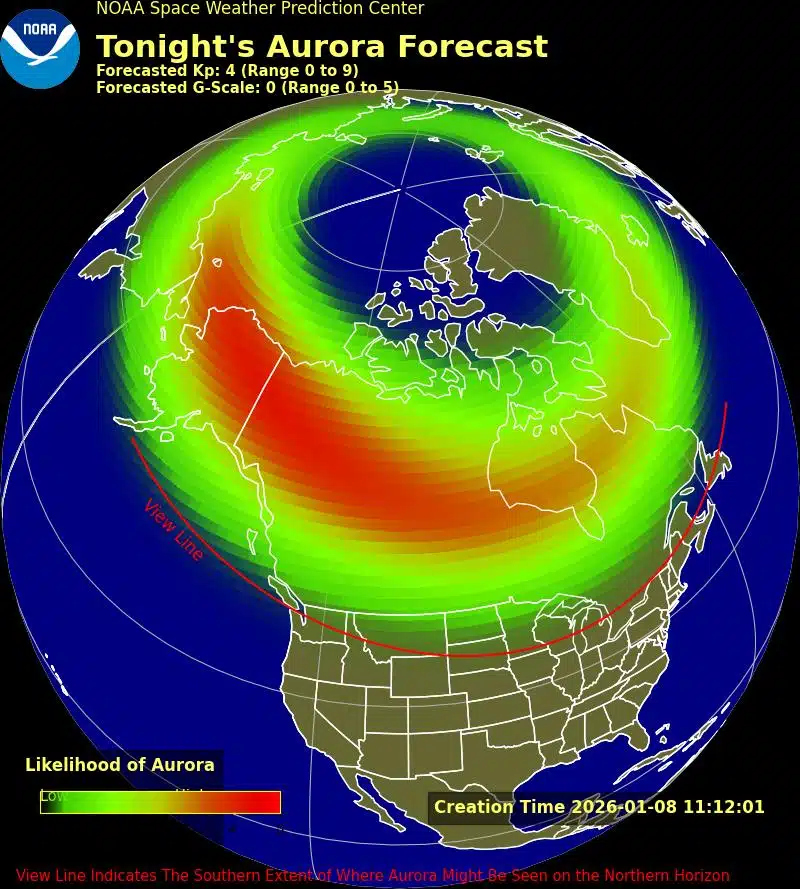 Tonight’s aurora forecast. Credit: NOAA
The Northern Lights are more likely to appear faint in more southern states like Wyoming, Vermont, New Hampshire, and New York, where they may appear as dim arcs on the northern horizon. While these displays are often visible to the naked eye in higher latitudes, those further south may need clear skies and minimal light pollution for the best chance at viewing the aurora.
How Clouds and City Lights Spoil the Magic of Aurora Viewing
Now, even if you’re in the right location at the right time, there’s still a big challenge: cloud cover. This is the main reason most people miss out on the Northern Lights, even when the solar activity is strong. Cloudy skies will completely block the view, no matter how strong the geomagnetic storm is. For seasoned aurora hunters, tracking the weather is just as important as checking the space weather reports.
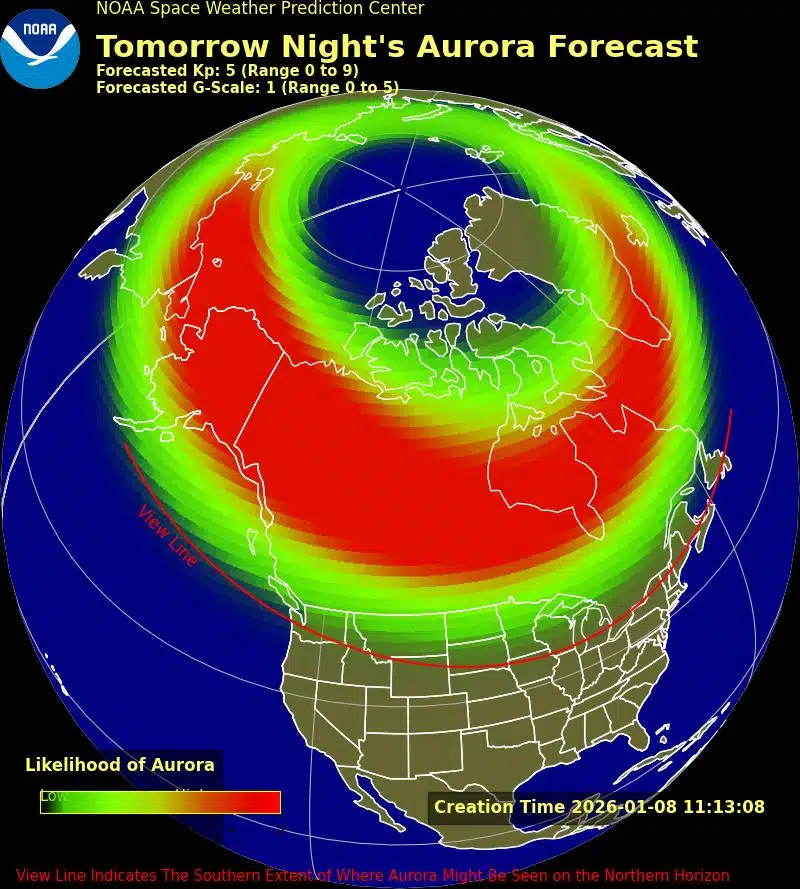 Aurora Borealis forecast for January 8 Best visibility in northern regions. Credit: NOAA
If you find yourself under clear skies, make sure you’re in a dark location, away from city lights. Light pollution can easily overpower the aurora, making it much harder to see. Some of the best spots for viewing the auroras are rural areas or designated Dark Sky parks, where artificial lighting is minimal. Even during moderate geomagnetic storms, auroras can appear faint and milky to the naked eye, often requiring longer exposures or the use of cameras set to Night Mode for clearer pictures.