
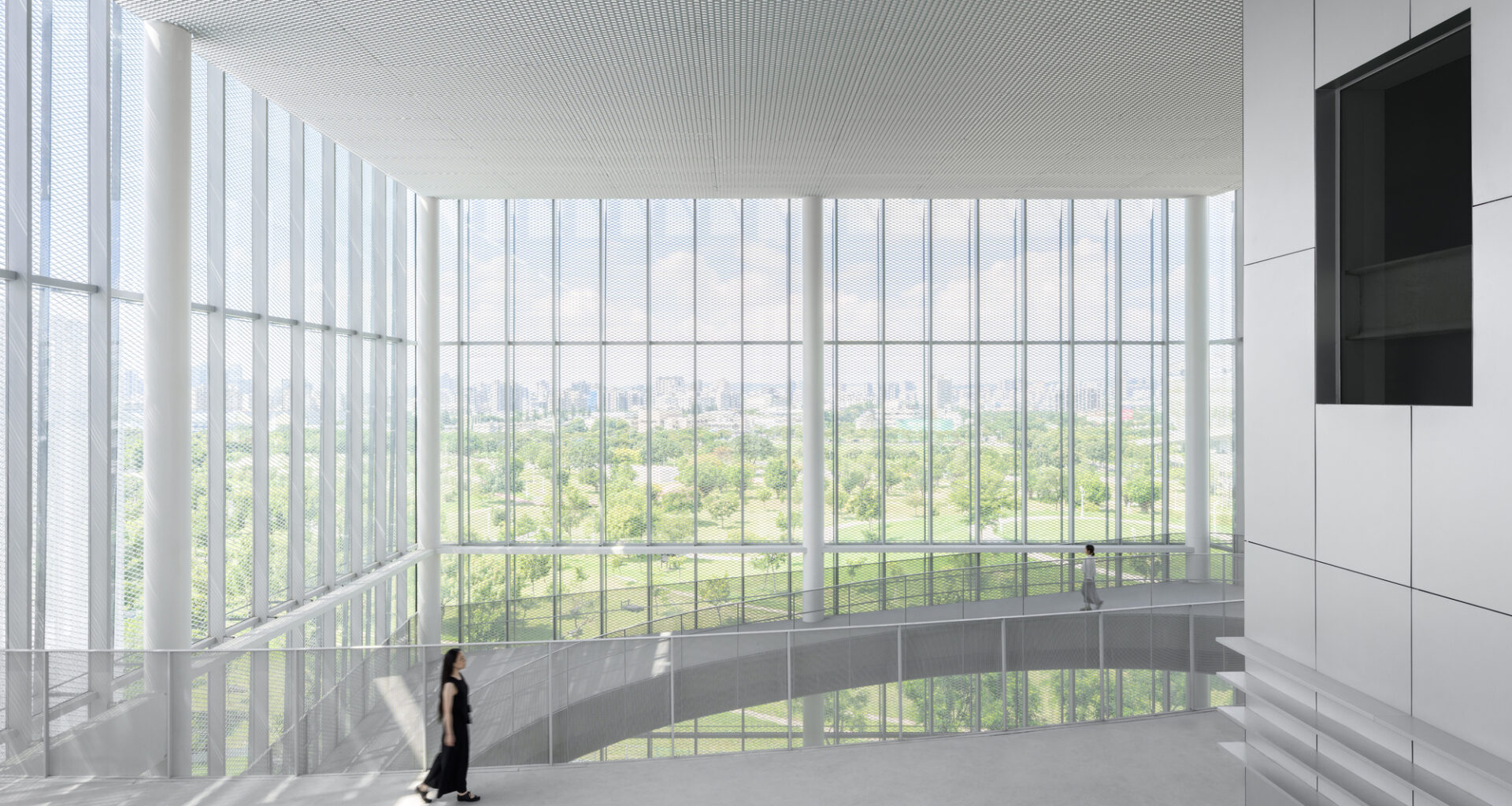
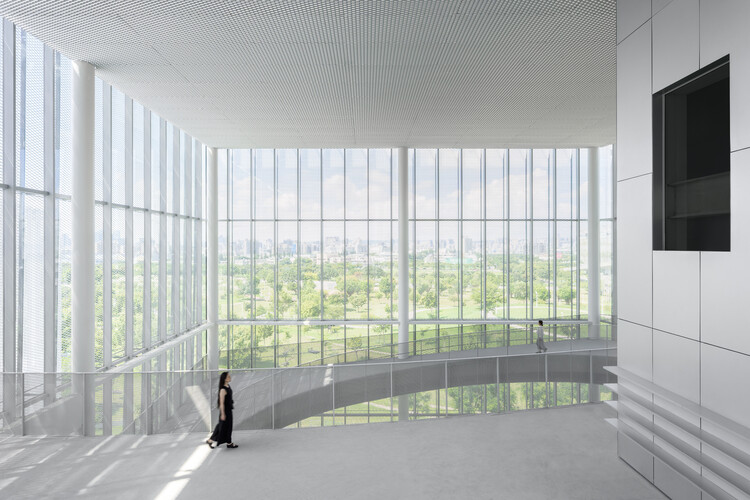
 Taichung Art Museum / SANAA. Image © YHLAA. Photography by Yi-Hsien Lee and photo retouch by Kane Liou
Share
Or
https://www.archdaily.com/1037585/cultural-venues-fresh-perspectives-on-public-space-and-one-month-until-the-winter-olympics-this-weeks-review
This week’s news compilation brings together current discussions around public and collective space, cultural infrastructure, and long-term urban transformation across diverse geographic contexts. From shared management models redefining public space ownership in cities such as Paris and New York, to large-scale event-driven initiatives linked to Milano Cortina 2026 and the World Urban Forum in Baku, the selected projects and initiatives highlight how governance, culture, and infrastructure intersect in contemporary practice. These themes are further developed through a mix of strategic planning processes, including international test planning efforts in Northern Lviv, and built projects spanning education, culture, and temporary architecture, from a new dental teaching facility in Blantyre, Malawi, to restored and newly opened cultural venues in the United States and Taiwan, and adaptive reuse interventions showcased at the Chicago Architecture Biennial. The international examples outline an architectural landscape shaped by reuse, public engagement, and the evolving role of design in responding to social, cultural, and institutional frameworks.


Contemporary Views on Shared Management and Human-Centered Public Space Design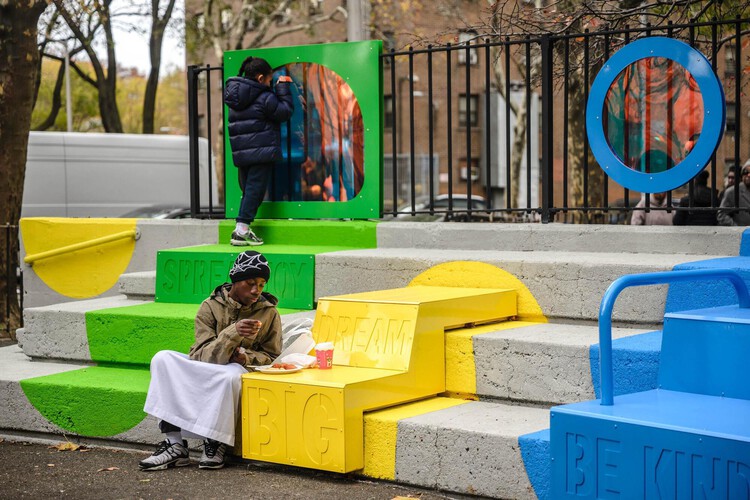 Common Corner at Morris Houses, a New York Public Housing Development, in Bronx, NY. Image © Brook Banister
This week, we published a compilation of shared management frameworks in Europe and New York that illustrate alternative approaches to conventional public ownership. Initiatives such as Adoptez un banc in Paris enable individuals and groups to sponsor and help maintain historic public benches through temporary symbolic stewardship; community gardens within Paris’s Main Verte program grant local associations day-to-day control of plots on public or private land while institutional ownership remains unchanged; and Common Corner in the Bronx, developed through institutional collaboration and participatory design, transforms a former bleacher into a multifunctional neighborhood asset co-produced with residents, blending public agency support with community authorship. Complementing these governance models, in an interview with Louisiana Channel, architect Gabriela Carrillo frames public space design as a dialogic and participatory process in which architects create a flexible “canvas” for social interaction, emphasize responsiveness to context, and recognize that the meaning of a space emerges through its use by people and environment alike.
Related Article Who Owns Public Space? Three Active Models of Shared Management Shaping Urban Commons in Europe and New York Cultural Venues, Infrastructure, and Openings Inaugurating an Eventful Season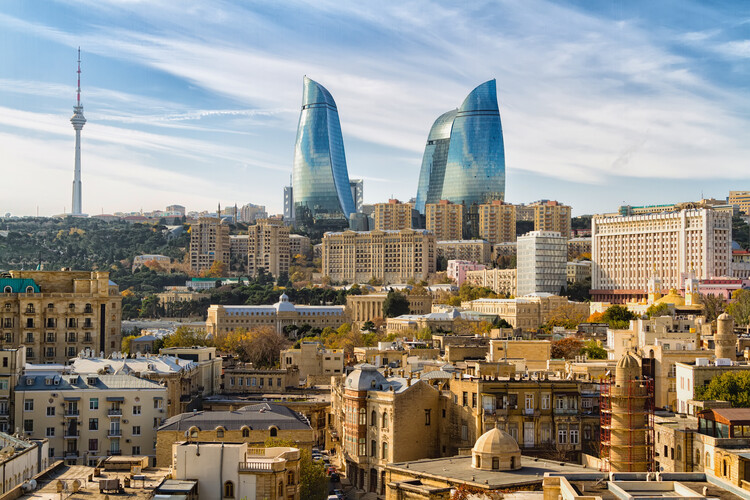 Panoramic view of Baku. Image © Milosz Maslanka via Shutterstock
As 2026 begins, large-scale events and cultural programs are driving new architectural and infrastructural developments across multiple regions. With one month to go until the Milano Cortina 2026 Winter Olympics, adaptive reuse strategies and transport upgrades across the Alpine territories are reshaping mobility networks and reactivating existing infrastructure to support the Games while prioritizing long-term regional benefits. In parallel, Azerbaijan has declared 2026 the “Year of Urban Planning and Architecture,” aligning national policy with Baku’s preparation to host the World Urban Forum 13 and positioning urban development, architectural discourse, and global exchange at the center of the year’s agenda.
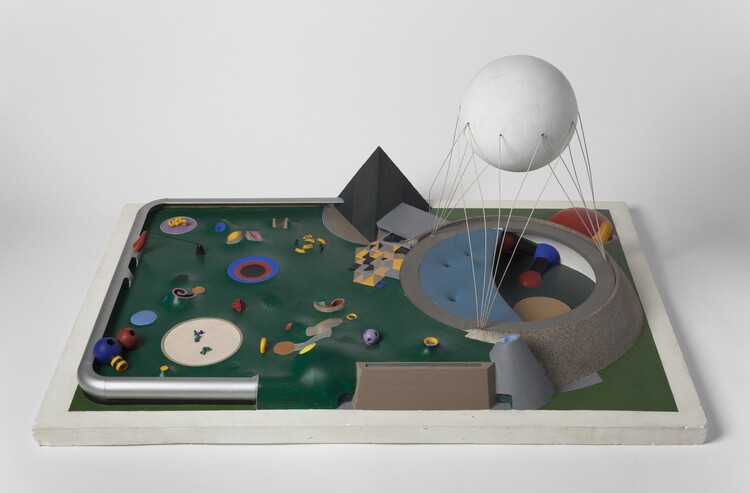 Isamu Noguchi (American, 1904–1988) with Pavilion Associates: Peter Floyd (American, 1922–2015) and Shoji Sadao (American, 1927–2019), architects; and John McHale (British, born Scotland, 1922–1978), exhibition designer, Model for US Pavilion Expo ’70, 1968, plaster, wire, and paint, The Isamu Noguchi Foundation and Garden Museum, New York. The Noguchi Museum Archives. Photo: Kevin Noble. Image © 2025 The Isamu Noguchi Foundation and Garden Museum, New York / Artists Rights Society (ARS), New York
Alongside these event-driven frameworks, a series of cultural venues and exhibitions are opening or reopening, reinforcing architecture’s role in public cultural life. The High Museum of Art in Atlanta has announced a touring exhibition focused on Isamu Noguchi’s design work, expanding access to the artist’s multidisciplinary practice across multiple institutions. In Albany, New York, The Egg Performing Arts Center has reopened following a six-month restoration, updating its facilities while reaffirming its status as a modernist landmark within the Empire State Plaza. Meanwhile, in Taiwan, SANAA’s Taichung Art Museum and Library Complex has opened to the public, introducing a new civic cultural destination that combines museum and library programs within a single architectural ensemble.
On the RadarFive International Design Teams Shape Future Scenarios for Northern Lviv, Ukraine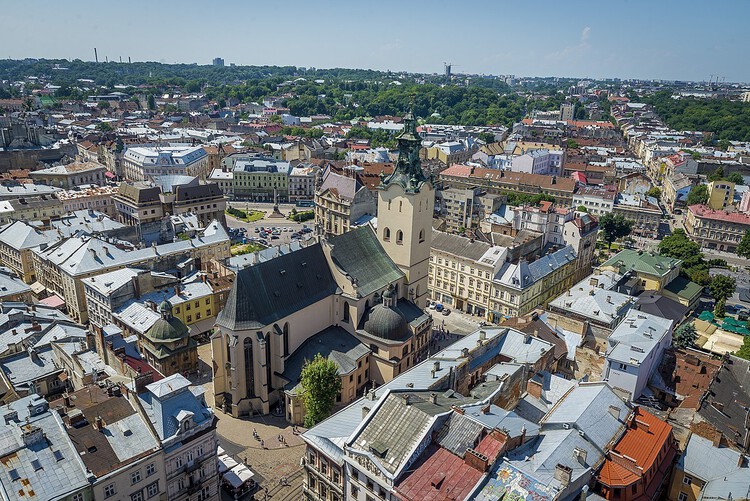 Lviv cathedral, 2016. Image © Konstantin Brizhnichenko, license CC BY SA 4.0
The Lviv North: Test Planning initiative has brought together five international and domestic architectural and urban planning teams to develop strategic scenarios for the future of Northern Lviv, a roughly 690-hectare area on the city’s northern edge that faces development pressure and spatial complexity. Participating in the process alongside Lviv’s city authorities are West 8 (in collaboration with Lviv-based AVR Development), Hosoya Schaefer Architects paired with ATO-Bel Architects, KCAP Architects and Planners working with Drozdov & Partners and Dutch office Karres en Brands, XM Architekten from Basel, and Swiss Network with Ukraine team members, representing a mix of Swiss, Ukrainian, French, and Dutch design practices focused on housing, infrastructure, social spaces, and urban systems. Supported by the Swiss Test Planning method, the teams are working in parallel through workshops and stakeholder engagement to explore alternative visions that respond to existing natural landscapes, urban traces, fragmented land ownership, and emerging community needs; their proposals will inform updated planning documentation and be presented at the Lviv Urban Forum in 2026.
John McAslan + Partners Designs Dental Teaching Facility for Kamuzu University in Blantyre, Malawi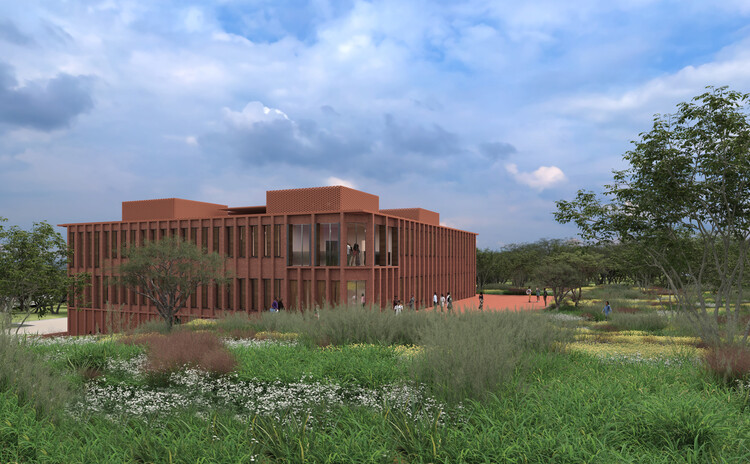 John McAslan + Partners dental teaching facility in Malawi. Image Courtesy of John McAslan + Partners
John McAslan + Partners has designed a new dental school and integrated teaching facility for Kamuzu University of Health Sciences in Blantyre, Malawi, currently under construction and scheduled for completion in the second half of 2026. Developed as part of the MalDent Project, a Scottish Government-funded partnership, the 3,350-square-metre building will accommodate Malawi’s first dedicated dental teaching facility, supporting the Bachelor of Dental Surgery programme with clinical, research, and teaching spaces, including open-plan group bays, laboratories, minor operating theatres, and a 100-seat lecture hall. The building is organised around a central 115-square-metre atrium conceived as a student agora, connecting shared learning resources and general teaching spaces while enabling large faculty-wide events. The architectural approach incorporates passive design measures such as natural ventilation throughout teaching and administrative areas, deep brick fins, and setback windows that provide sun shading and reduce cooling demand, with air conditioning limited to clinical spaces. Externally, the nine-bay structure is constructed using locally sourced handmade clay bricks, which are also used to screen rooftop service towers, while the landscape design addresses an eight-metre change in level across the site through planted pathways that improve circulation and accessibility.
Kwong Von Glinow Designs Forget-Me-Not Pavilion for the Chicago Architecture Biennial 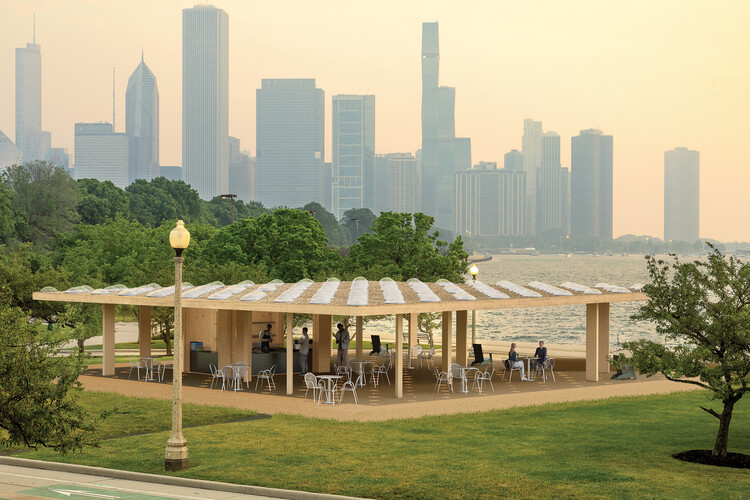 Forget-Me-Not Pavilion in Chicago. Image © Kwong Von Glinow
Kwong Von Glinow‘s Forget-Me-Not Pavilion, designed for the 2025 Chicago Architecture Biennial, reworks the 2015 Chicago Horizon Pavilion into a reimagined public space along the city’s lakefront, on view until February 2026. Commissioned in connection with the Biennial and Harvard Design Magazine Issue 53, Repair and Reuse, the project revisits the original temporary structure designed by Ultramoderne and Brett Schneider, characterized by a long-span CLT roof supported by thirteen columns. Rather than replacing the aging pavilion, the design introduces a series of targeted architectural interventions that preserve the structure’s recognizability while introducing new spatial and atmospheric qualities. The primary intervention consists of nearly 200 flower-shaped openings cored through the CLT roof, each sealed with a clear acrylic dome, allowing daylight to filter into the space and produce shifting patterns of light beneath the canopy. Additional programmatic elements include a permeable cork ground surface installed over the existing concrete pad, a cork-clad bench extending beyond the pavilion footprint, and an enclosed kiosk designed to support future food and beverage use. Together, these modifications extend the pavilion’s functional lifespan and reposition it as an active public amenity within Chicago‘s lakefront landscape.
This article is part of our new This Week in Architecture series, bringing together featured articles this week and emerging stories shaping the conversation right now. Explore more architecture news, projects, and insights on ArchDaily.