
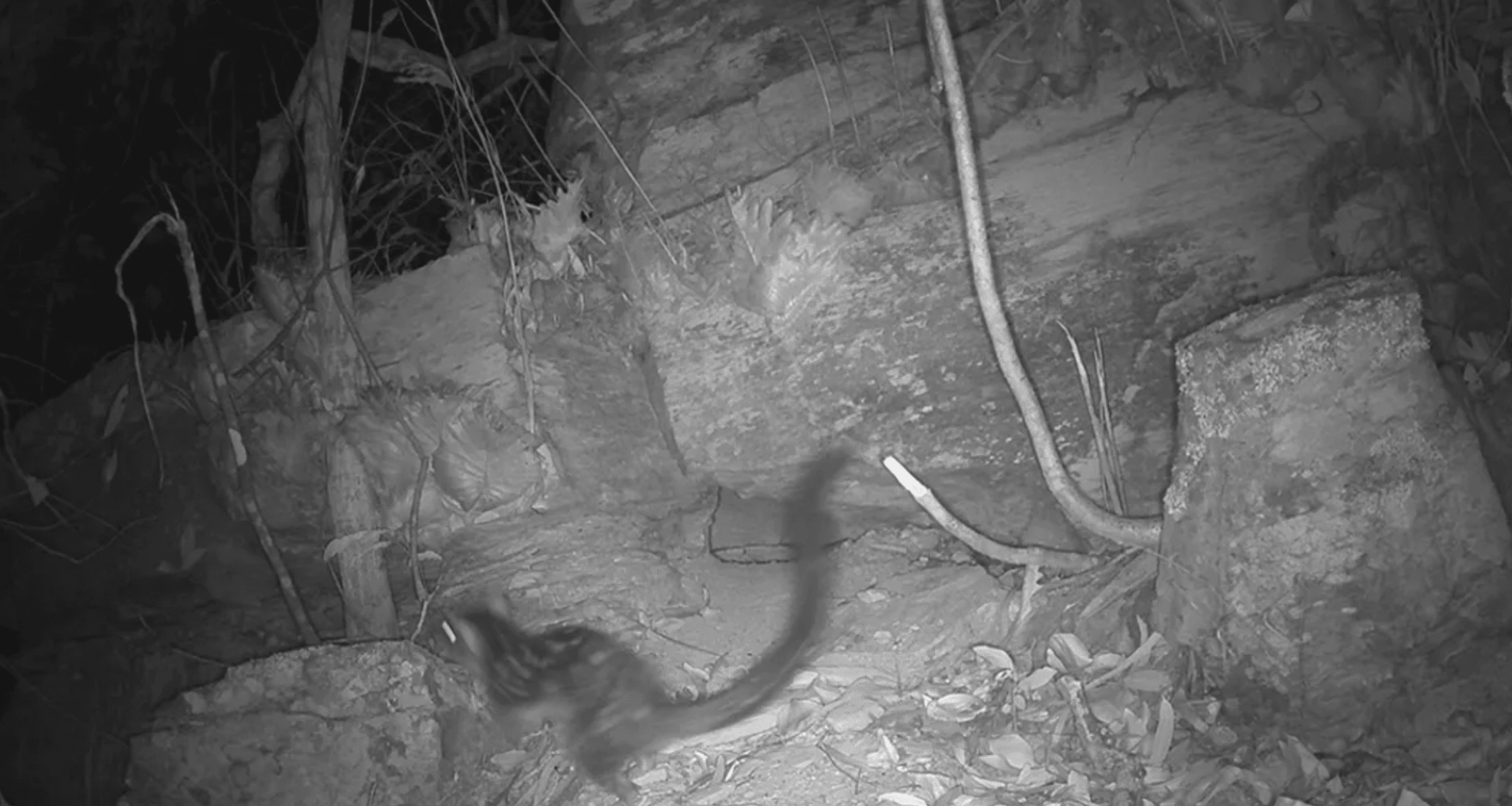
After nearly eight decades of silence, something unexpected has emerged from the wilds of Australia, an elusive creature that conservationists feared was lost forever. The recent sighting has sparked excitement and hope, offering a rare victory in the battle to save endangered species. What makes this rediscovery even more remarkable is the tireless work and creative approaches that led to it.
The Northern Quoll: An Elusive Predator of the Night
The northern quoll is a small, carnivorous marsupial that plays an important role in its native ecosystem as a nocturnal predator. According to the Australian Wildlife Conservancy, “Northern Quolls are nocturnal predators of invertebrates, but they also eat small mammals, reptiles, birds, carrion and fruit.” This diet not only keeps the quoll in harmony with its surroundings but also highlights its adaptability and ecological importance. As one of the smallest of the four Australian quoll species, its behavior is highly specific to its environment, often foraging in the cover of darkness to avoid larger predators.
In addition to their nocturnal hunting habits, northern quolls face the challenge of surviving in a landscape increasingly impacted by human activity. Habitat destruction, the introduction of non-native species, and climate change have all contributed to the decline of this once-common species. Despite these challenges, the quoll remains a symbol of resilience, and its recent reappearance is an encouraging sign that conservation efforts may be starting to turn the tide in its favor.
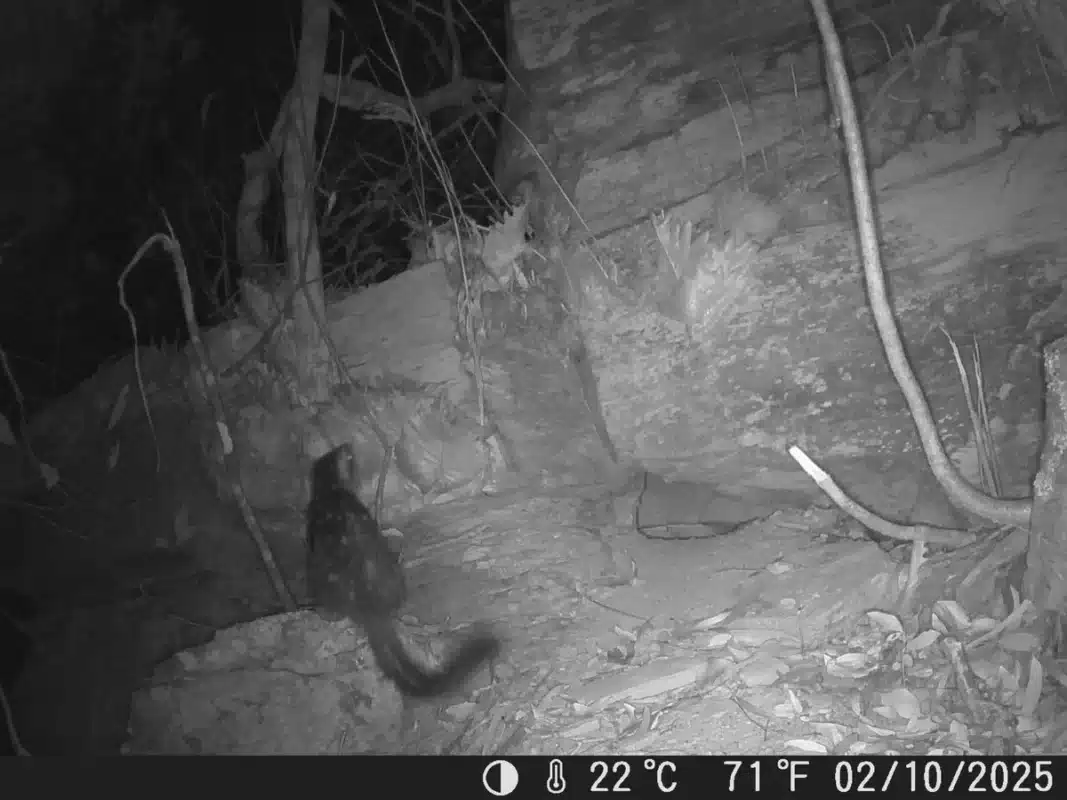 A northern quoll seen on a camera trap at Piccaninny Plains Wildlife Sanctuary.
Image credit: Australian Wildlife Conservancy
Life Cycle of the Northern Quoll: A Story of Resilience and Reproduction
The reproductive habits of the northern quoll are just as fascinating as its hunting strategies. These marsupials reach sexual maturity by the age of one, and during the mating season, males engage in intense territorial battles. “Quolls become sexually mature at one year of age, and during the mating season (around June to September), males expend considerable energy fighting other males, and do not survive to breed a second year,” explains the Australian Wildlife Conservancy. This unique aspect of their reproductive cycle underscores the high-energy demands of males during breeding time, leaving them with only one chance to reproduce in their lifetimes.
For females, the reproductive process involves denning in tree hollows, hollow logs, and rock crevices. Here, they raise a litter of up to eight young, a process that requires both protection and resources to succeed. “Females may live for two or three years,” the AWC notes, which means that the number of successful breeding events in a female’s life is limited, further emphasizing the delicate nature of the species’ survival.
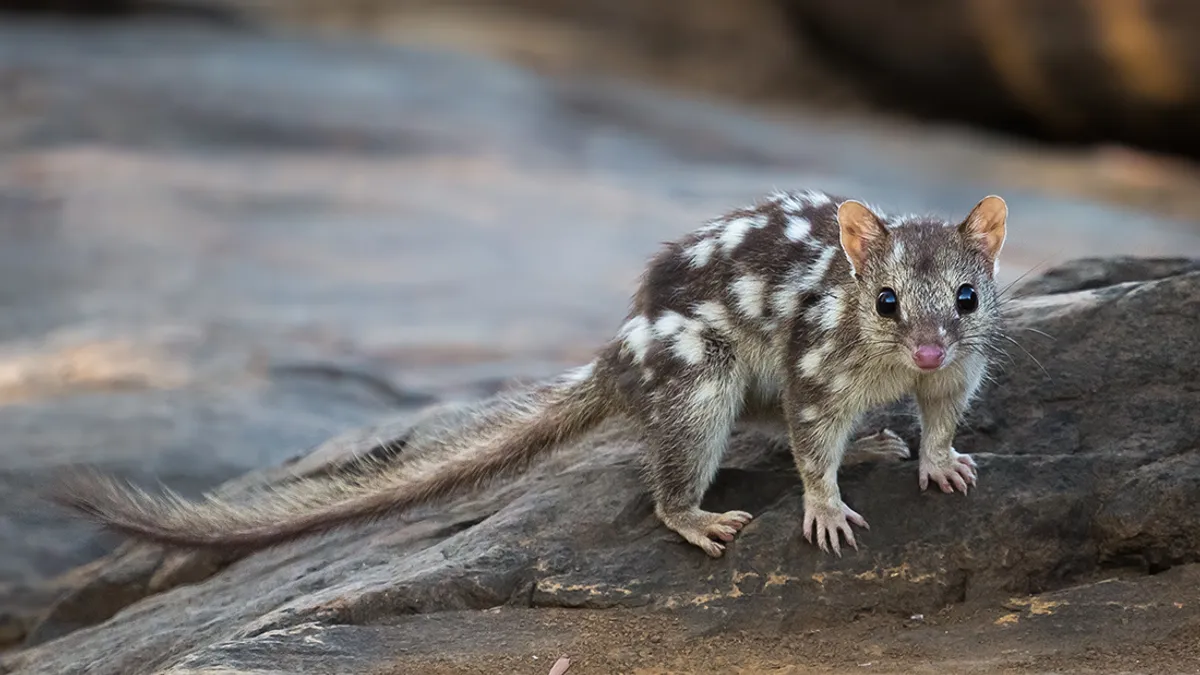 Northern quolls: As adorable as they are endangered.
Image credit: Brad Leue/Australi an Wildlife Conservancy
A Major Discovery: The Importance of Persistence in Wildlife Conservation
For years, experts feared that the northern quoll had been wiped out from many parts of its range, including the Piccaninny Plains. The last confirmed sighting in the sanctuary was nearly two decades ago, leading many to believe that the species was lost from the area. However, in 2023, sanctuary manager Nick Stock took a chance and placed a camera on an isolated rocky outcrop he had spotted from a helicopter. This hunch paid off. Within days, the camera revealed unmistakable footage of a northern quoll, prompting an outpouring of excitement within the conservation community.
“It was a fantastic surprise!” said Dr. Helena Stokes, a wildlife ecologist at AWC. “After years of no sightings, to finally confirm a northern quoll on the sanctuary is hugely uplifting for our team. It reinforces the importance of persistence, good science, and managing threats across large landscapes.” This rediscovery is not just a win for the northern quoll, but a reminder of the importance of long-term ecological monitoring and management efforts.
The Role of Fire Management in Conservation Success
One key factor in the survival of the northern quoll at Piccaninny Plains is the effective fire management practices implemented by the AWC. Early signs suggest that the rocky outcrop, where the quoll was discovered, has largely escaped the damaging effects of fire due to the careful planning and execution of AWC’s fire management strategies. Fire is a common threat in many Australian ecosystems, but when managed correctly, it can become a tool to maintain biodiversity and protect vulnerable species like the northern quoll.
AWC’s long-term commitment to fire management has created a safer environment for various species, including the northern quoll. “Every rediscovery matters,” Nick Stock added. “Just when we were close to giving up hope, this little quoll reminds us why we keep searching, and why protecting these landscapes at scale is essential.”
Feral Cat Management: A Critical Challenge for the Northern Quoll’s Survival
Feral cats are one of the most significant threats to the northern quoll, as they prey on smaller mammals, birds, and reptiles, including quolls themselves. The lack of feral cats in the area where the quoll was rediscovered has been hailed as a promising sign for the species’ survival. Surveillance cameras placed throughout the sanctuary have yet to detect any feral cats, which is a major victory for wildlife management efforts.
Without the constant threat of predation, the northern quoll can continue to thrive in the sanctuary, providing valuable insights into how similar ecosystems can be managed for the benefit of other endangered species. “Protecting these landscapes at scale is essential,” Stock emphasized, pointing out that large-scale conservation projects can provide the necessary conditions for species recovery.