
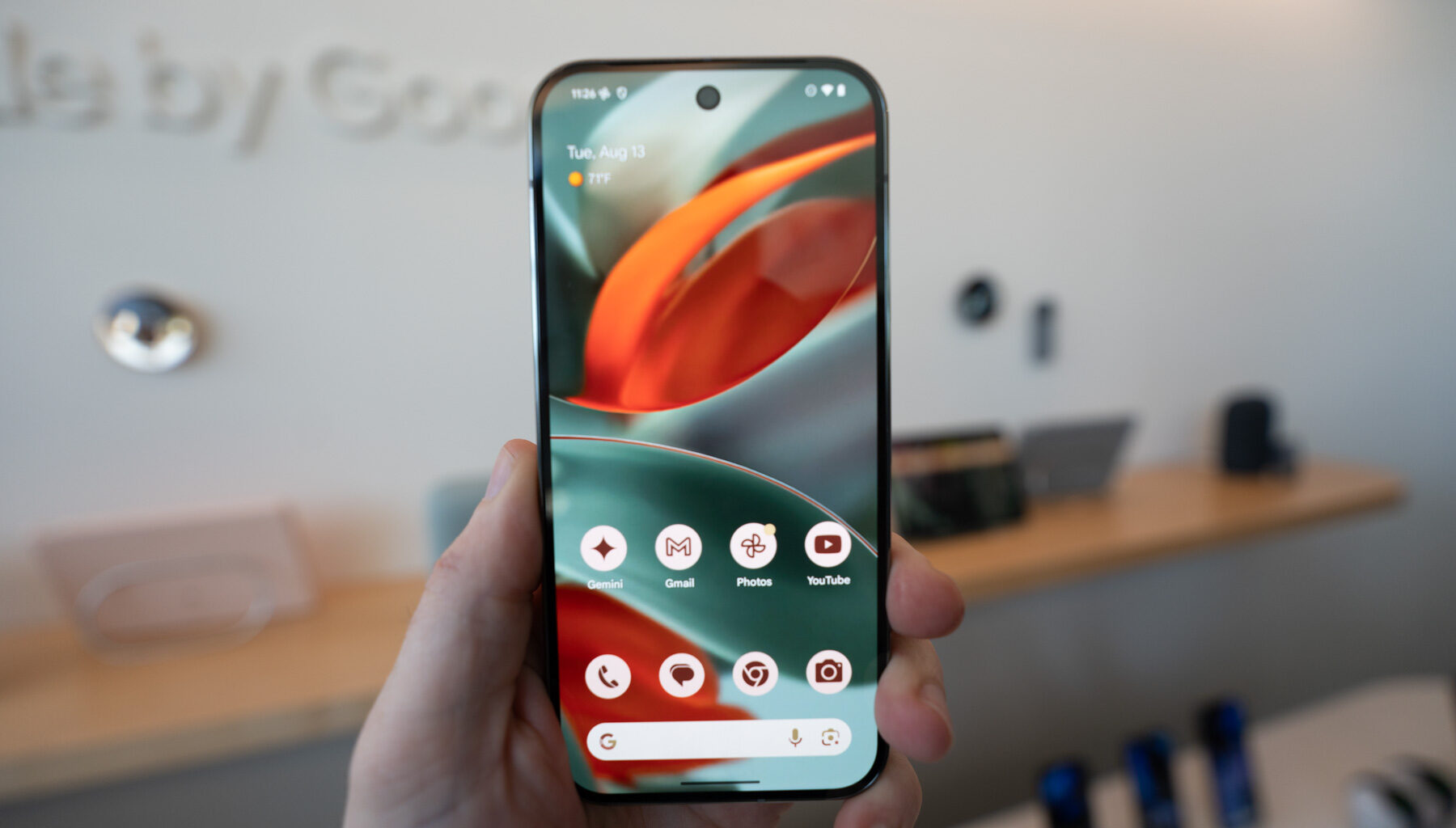
Google’s latest Pixel Play update is causing major headaches for Pixel 9 and 10 owners. The January 2026 system update, weighing in at just 15MB, started rolling out recently and brought a mess of problems. Users report boot hangs, black screens, sluggish launchers, and delayed notifications. The Pixel 10 series got hit the hardest, with some phones showing wallpapers but no UI or status bar after rebooting. Others are stuck on completely black screens that won’t respond to anything.
The good news is that there’s a workaround. If your Pixel gets stuck after the update, hold down the power button and volume up for about 30 seconds to force a restart. Plugging in the charger also seems to help some devices snap out of it. Pixel 9 series phones experienced milder issues, mostly just some launcher slowdowns and notification delays. After a reboot or two, most phones stabilize and start working normally again.
But here’s why this is particularly frustrating. This isn’t Google’s first rodeo with buggy updates. Just last month, Pixel owners dealt with battery drain and touch issues that required a second December patch to fix. Before that, the Pixel 10 had display problems that persisted through multiple patches. The pattern is getting old fast, especially for people who paid flagship prices expecting a polished experience.
Why Pixel Updates Keep Breaking Things
Google hasn’t issued an official fix yet, which leaves users stuck doing the old PC troubleshooting routine of “just restart it and hope for the best.” The frequency of these micro-patches without proper testing is building serious trust issues. While Pixel phones shine with camera quality and AI features, these constant update problems make Samsung’s more stable software look increasingly appealing. You shouldn’t need to force restart your phone every time a system update rolls out, but here we are again.