

Listen to this article
Estimated 3 minutes
The audio version of this article is generated by AI-based technology. Mispronunciations can occur. We are working with our partners to continually review and improve the results.
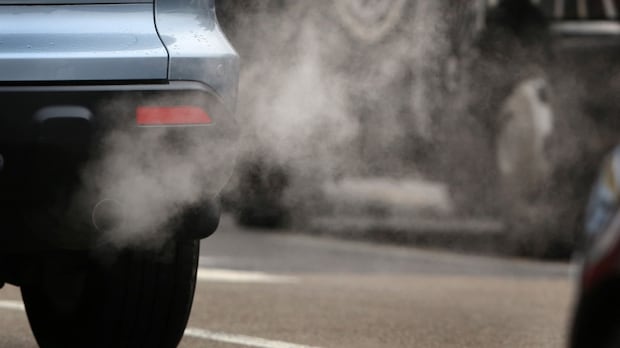
Prince Edward Island reduced its greenhouse gas emissions three straight years, according to a new report — but as the province strives towards its goal to reach net-zero by 2040, it must hone in on transportation, says Gilles Arsenault, P.E.I.’s minister of environment, energy and climate action.
“Transportation is a weak point all throughout the country, so we’re not alone in this,” he said. “We have way more traffic in P.E.I. than we had even four years ago.”
The 2025 National Inventory Report, compiled using data from 2023, found that total greenhouse gas emissions on P.E.I. were 1.59 megatonnes that year. That’s nearly a one per cent decrease over 2022, according to a news release issued by the province.
Under P.E.I.’s Net-zero Carbon Act, the province needs to reduce emissions to less than 1.2 megatonnes by 2030.
P.E.I.’s three consecutive years of overall emissions reductions came during a time when the province’s population grew by almost 17 per cent, the release states.
 Gilles Arsenault, P.E.I.’s minister of environment, energy and climate action, says provincial programs like home insulation rebates and its heat pump program are playing a role in reducing greenhouse gas emissions. (Shane Hennessey/CBC)
“I think the programming that we put in place is working, and I think people are changing some of their habits as well,” Arsenault said.
The programs making the biggest impact are related to building, he said, especially the province’s home insulation rebates and its heat pump program.
“The new buildings… in terms of the way they’re heating the building, either it’s geothermal, either it’s heat pumps, it’s the insulation program on the new builds. It’s easier,” Arsenault said.
“But it’s also with the buildings that we have currently in the province [that] we’re refurbishing with this type of insulation and heating systems.”
Transportation a focus of new action plan
Arsenault said a new net-zero action plan will be released this winter that will lay out the province’s programming for the next five years.
He said transportation is a priority in the plan.
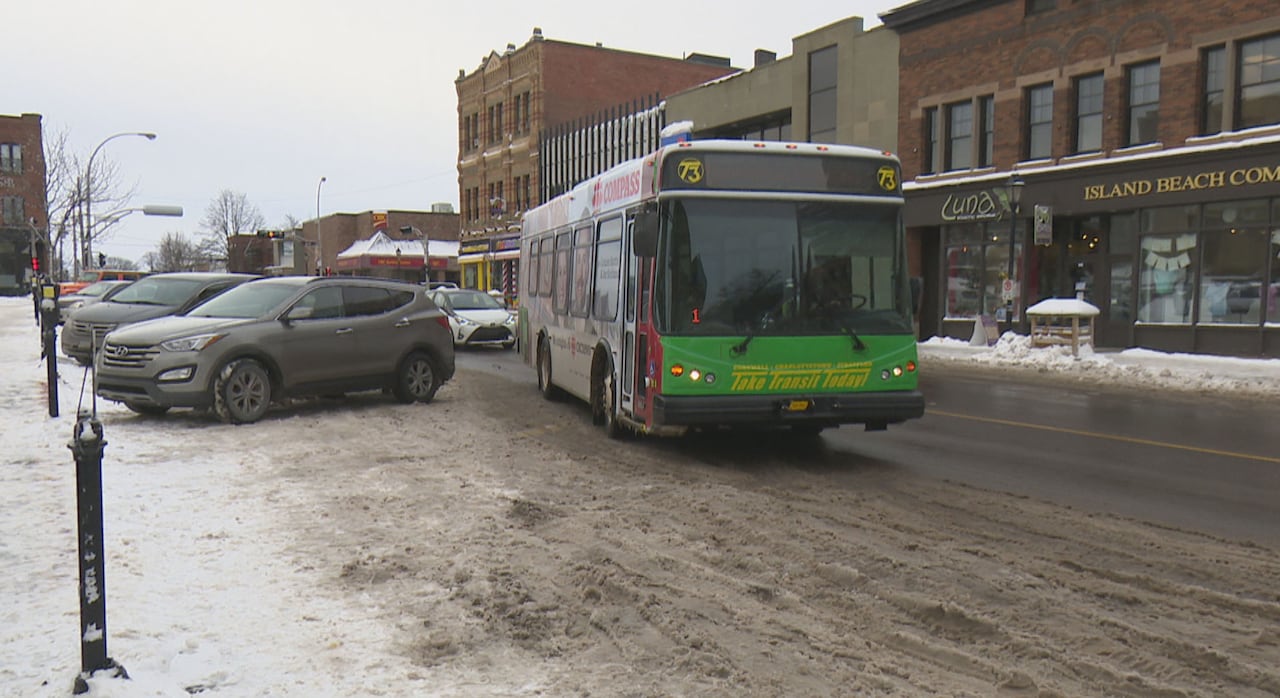 There were 143,346 rural transit rides in 2024-25, according to the latest Minister’s Report on Climate Change, released by the P.E.I. government. (Julien Lecacheur/Radio Canada)
While programs like the active transportation fund and “toonie transit” have been successful, more needs to be done to tackle transportation emissions. For example, the province is looking at electric vehicle rebates and charging infrastructure for EVs.
“It’s a mix of all those transportation tools that we have that we’re going to be working on,” Arsenault said.
‘Balancing act’
The pursuit of net-zero goals comes as P.E.I. faces electricity shortages. Arsenault said it’s “a balancing act.”
“The balance is between doing what’s environmentally friendly to do to protect the environment, and also to have a sustainable grid.”
He said the combustion turbine generators that Maritime Electric hopes to buy would “be running probably less than one per cent of the time,” and therefore aren’t likely to impede provincial net-zero goals.
“To me, it’s a necessary tool that we need to have backup generation on Prince Edward Island.”
Another necessity, Arsenault said, is to continue educating Islanders.
“We need to continue to educate people, to train people to help them with their routines, and continue on with the programming that the province is offering so that we can incentivize people, and we can support people in changing habits so we can have a better environment.”
The latest Minister’s Report on Climate Change found that government spent $266.6 million on climate action in 2024-2025 across all departments.