
For a long time, smartphone updates were something most people didn’t think about until it was already too late. You buy a phone, it works well for a year or two, and then updates slowly stop arriving. You might then decide to change the device entirely, rather than be frustrated about low update counts.
However, smartphone hardware in 2026 is mature and durable enough that even a mid-range phone can last for years. As a result, consumers are now more attentive to the software updates a brand offers before buying the device.
As a result, five years of updates, once seen as generous, is now being discussed as the bare minimum—at least for phones that don’t come cheap.
And the question is no longer whether long update guarantees matter. It’s whether five years is becoming the new standard, and which companies are actually prepared to commit to it in a meaningful way.
1. Updates Used to Be a Side Note
Not that long ago, Android phones typically offered two years of major operating system updates and maybe another year of security patches. Some brands didn’t even make clear promises. You often had to rely on past behavior and hope your model wasn’t forgotten too quickly.
Apple, though, was apart from the beginning. iPhones have gained a reputation for getting updates for five years or more, and this is true even for their budget models. This became one of the quiet reasons people were willing to spend more on an iPhone and keep it longer.
Meanwhile, Android manufacturers focused more on hardware than software optimization and longevity.
This is not the case anymore as update promises have now become a major part of new phone announcements.
2. Why Update Length Suddenly Matters More
There are a few reasons people care more about update duration than ever.
First and foremost, phones have slightly climbed a price ladder that users now expect them to offer a premium experience for the cash they pay. And this includes software updates.
Second, people are holding onto phones longer. As even the budget smartphones now offer a good hardware combo, annual upgrades are no longer the norm for most users. Many keep the same phone for four or five years, and short software support makes that harder.
Third and most importantly, regulators are also paying attention in this regard. For instance, the European Union’s new rules now mandate smartphone makers to provide at least five years of operating system and security updates. This is a big deal as long-term support is not just a marketing choice, but a legal requirement.
Also, companies that sell phones globally are unlikely to create completely different update policies just for Europe. It’s simpler to raise the baseline everywhere, so this legal mandate could benefit global users too.
3. Five Years Is No Longer Impressive
Google and Samsung have already set a bare minimum bar for Android phones. Samsung, for example, offers 6 years of OS and security updates even on its most affordable Galaxy A07.
Apple also offers long-term iOS support for every iPhone, though it doesn’t mention a specific number for each model.
Then there are companies like Fairphone, which have taken a different approach altogether. Its latest devices focus heavily on repairability and longevity, paired with long software support and easily replaceable parts. It’s not a mainstream phone for everyone, but it shows what’s possible when long-term use is the primary goal for a company.
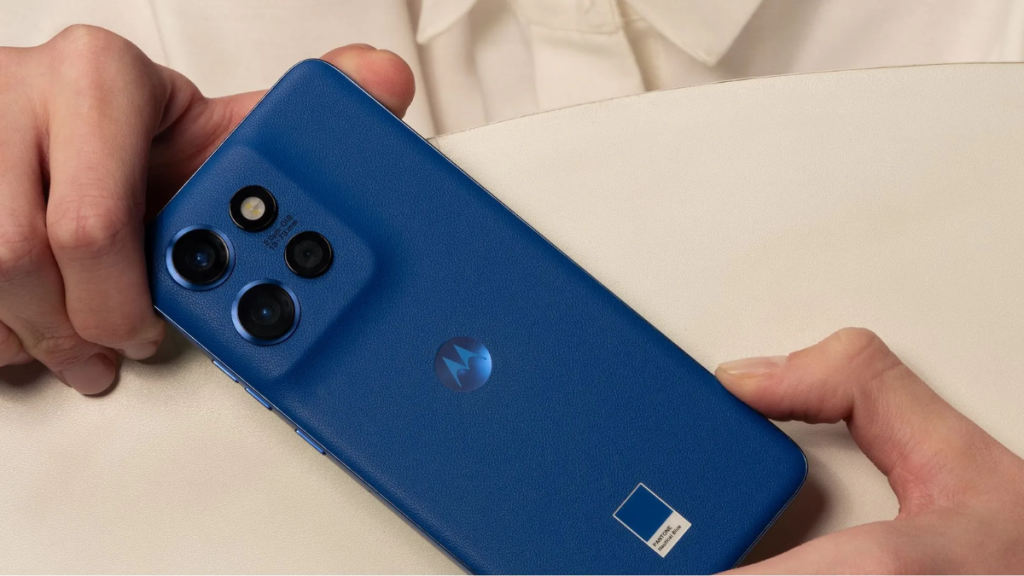
Efforts from such companies made people aware of and forced brands to adjust their software timeline. Motorola, for example, has historically had a mixed reputation for updates; however, newer high-end models now come with significantly longer support promises than before.
All of this reveals a new reality. Phone makers can promise longer updates, but they should be willing to do that.
4. The Role of Chipmakers (and Why This Changed Things)
One of the quiet reasons update promises are getting longer is that chipmakers are finally supporting it.
In the past, phone manufacturers often blamed Qualcomm or other chip suppliers for limited update lifespans. And that was somewhat true. As the chip-level support ends, updating a phone becomes harder and more expensive for brands.
However, this excuse is wearing thin. Newer Snapdragon platforms are designed to support many years of Android updates, in some cases up to eight years. Google’s closer involvement with Android development has also made long-term support easier to plan.
This doesn’t mean updates are free or effortless — they still require engineering work, testing, and coordination — but the technical ceiling is much higher than it used to be.
5. Not All “Five Years” Mean the Same Thing
This is where things get slightly complicated.
When companies say “five years of updates,” they don’t always mean five major Android upgrades. Sometimes it’s three OS updates and two extra years of security patches. Other times, it could mean longer security support with fewer feature updates.
For most users, security updates are the most important part. They keep your phone safe and compatible with essential apps. Still, the lack of clear language can make comparisons difficult.
There’s also the question of delivery. Promising seven years of updates is one thing. Delivering them on time, globally, and without major bugs is another. Some manufacturers have strong track records here, while others have struggled, especially outside their home markets.
6. Who’s Leading, Who’s Catching Up
A few companies have clearly taken the lead here.
Unsurprisingly, Google and Samsung sit at the top of the Android updates ladder. Apple, meanwhile, has a long-time record of offering updates as part of its ecosystem rather than an annual thing.
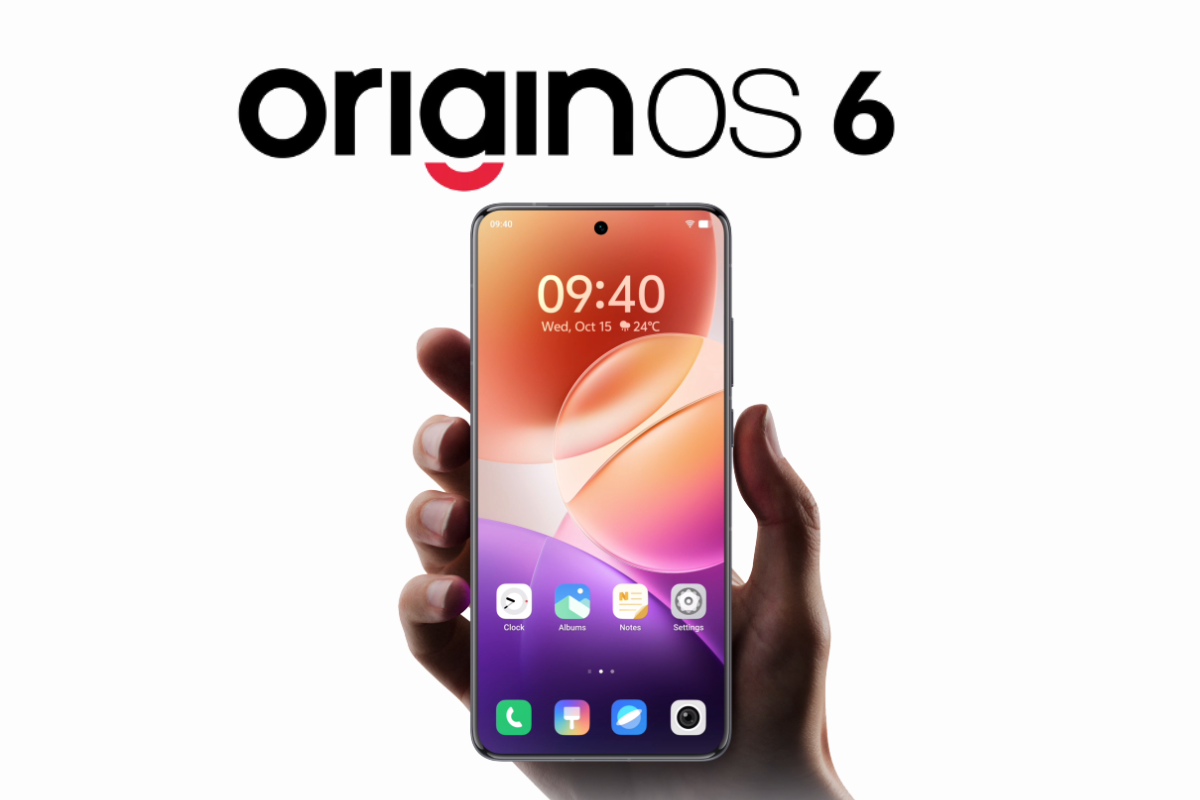
The improving brands in this space are OnePlus, Xiaomi, Honor, Motorola, Oppo, and Vivo, all of which have started being clear on the kind and level of support their phones will get, depending on budget.
As is obvious, budget phones get shorter support. But things have improved as pressure is building from both consumers and rival brands.
7. So, Is Five Years the New Standard?
In practice, yes, at least for midrange and flagship phones.
At the very least, five years of updates is becoming the bare minimum for users. The bar is even higher for flagship phones, as brands are already committing to 7 years of updates.
However, this is still not universal. Many budget phones still offer only two or three years of support, and even then, brands do not always push timely updates. What we can say for sure is that OS updates are now a legal requirement, chipmakers are enabling longer support, and competitors are raising the bar. So it’s hard to see things go backward from here.
For more daily updates, please visit our News Section.
Tech enthusiast? Get the latest news first! Follow our Telegram channel and subscribe to our free newsletter for your daily tech fix!