
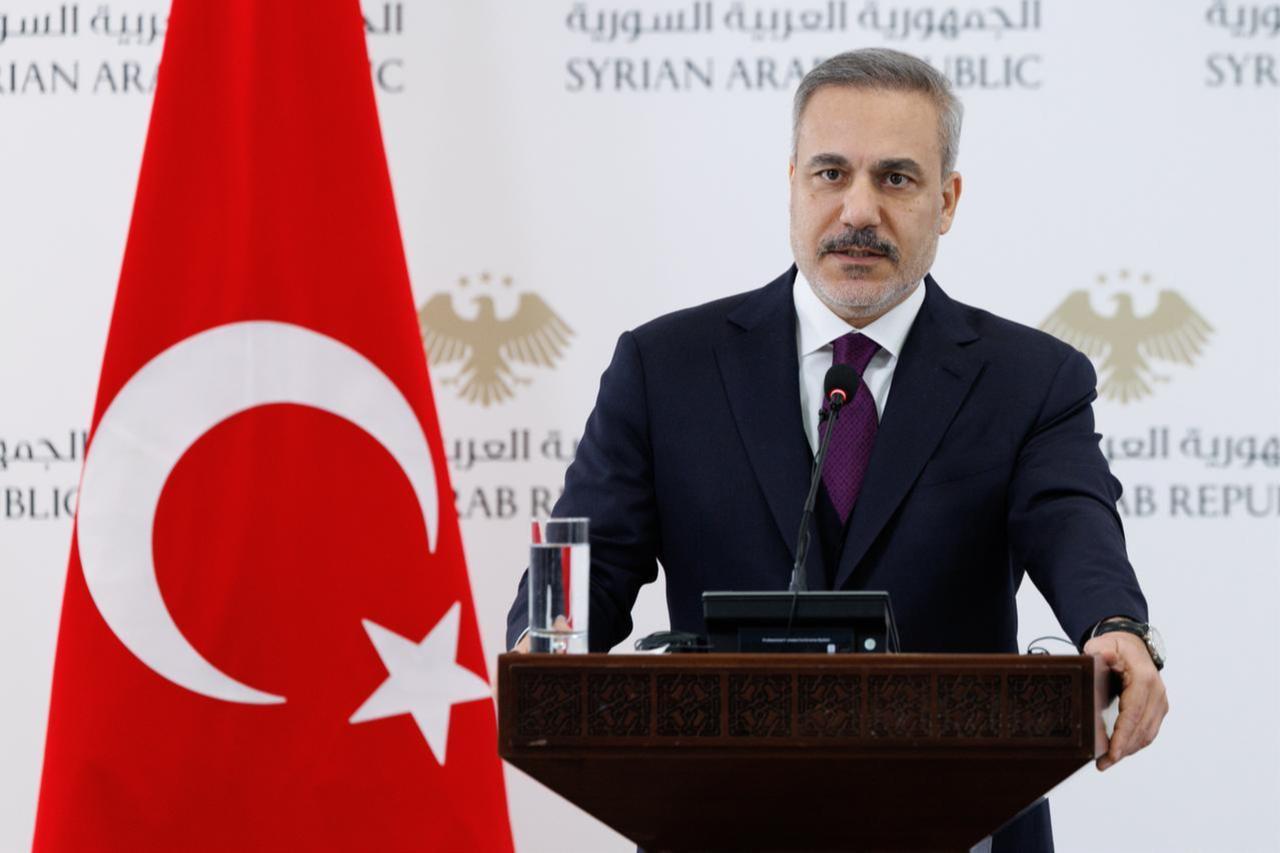
Foreign Minister Hakan Fidan said recent events in Iran will not be the last setback Israel experiences, suggesting Tel Aviv’s attempts to exploit Iranian internal tensions will ultimately fail.
In an interview with national broadcaster TRT, Fidan said demonstrations in Iran stemming from the country’s genuine grievances and structural problems are being manipulated by Iran’s rivals, with Israel attempting to capitalize on the situation.
“What happened in Iran won’t be the last Israel expects,” Fidan said, without elaborating on specific incidents. “Israel is trying to take advantage of this.”
The minister’s comments came amid a wide-ranging discussion of regional dynamics, in which he dismissed increasingly hostile rhetoric from Israeli officials as desperate bids for attention by minor coalition ministers seeking to boost their profiles.
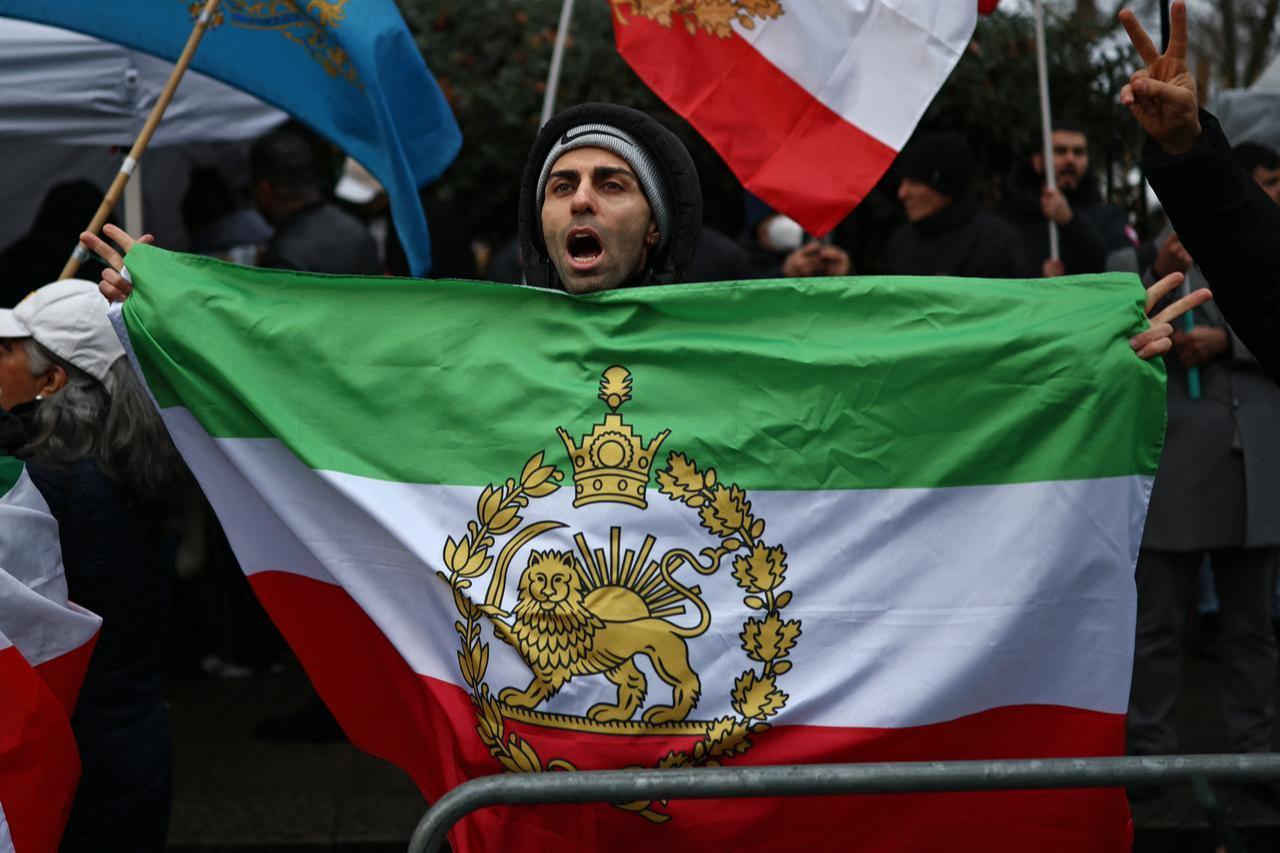

An anti-Iranian regime protester holds the Iranian flag before the 1979 revolution with the Lion and Sun emblems during a gathering outside the Iranian Embassy, central London, on Jan. 9, 2026. (AFP Photo)
Israeli ministers characterized as attention-seekers
Fidan said attacks on Turkish President Recep Tayyip Erdogan and other officials have become routine rather than exceptional in Israeli politics. He suggested radical cabinet members use inflammatory statements to gain followers and notoriety but lack serious governmental responsibilities.
“If we respond to them and throw words back in the same way, their followers will suddenly increase,” Fidan said, declining to name specific officials. “They’ll say ‘I’m fighting with Erdogan, I’m fighting with Fidan.’ These are ministers from minority parties given positions just so coalitions can distribute roles.”
The minister said Türkiye responds when serious government figures make statements worthy of attention but dismissed the impact of what he called fanatical attitudes. “The fanatical stances put forward in Israel, the attitudes toward our president, our government, about us, do not affect us,” he said.
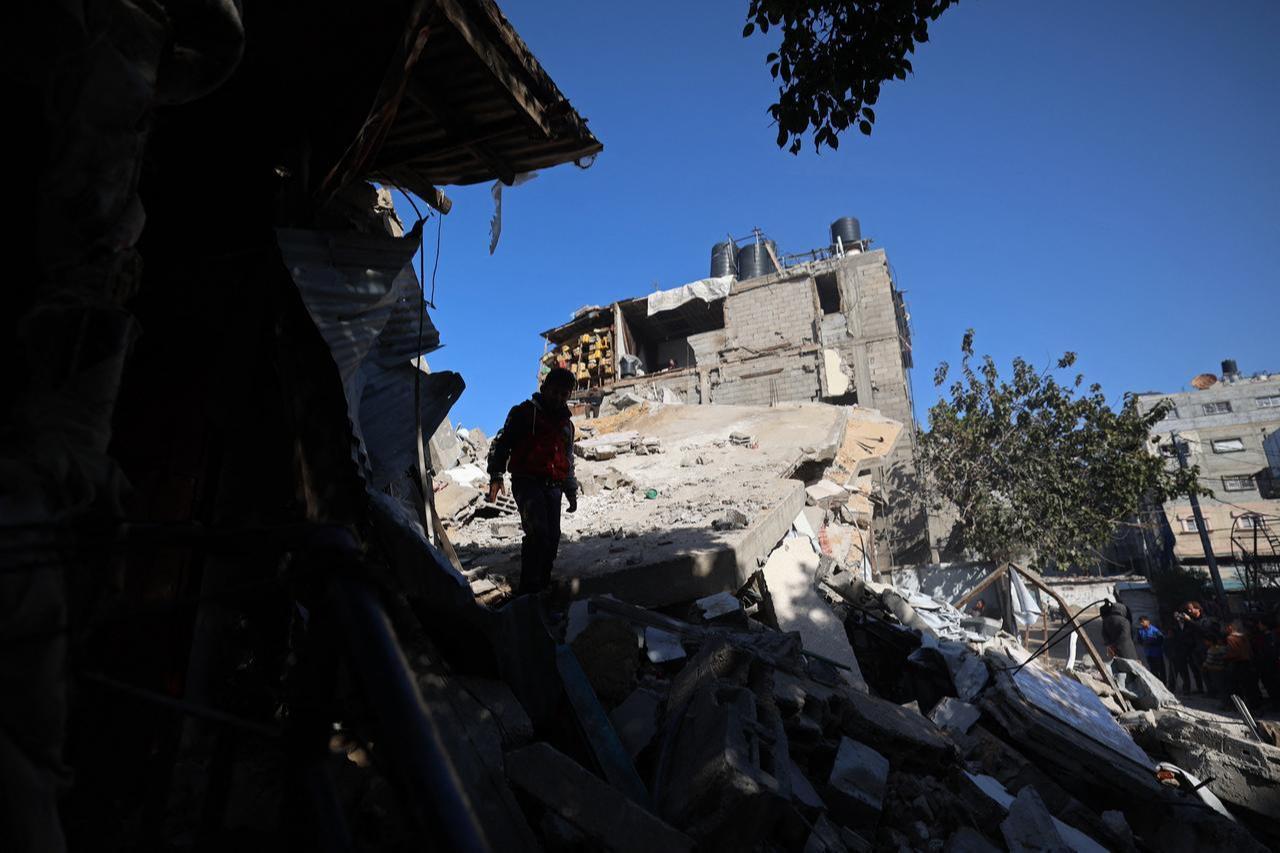
A Palestinian boy walks through the debris of a collapsed house that was previously damaged by an Israeli strike, at the Maghazi refugee camp in the central of Gaza Strip, January 5, 2026. (AFP Photo)
Gaza peace plan stalled by Israeli resistance
Fidan accused Israel of introducing new conditions and demands to delay progress on the second phase of the Gaza ceasefire agreement, despite Palestinian and Hamas meeting their obligations. He characterized Israel as appearing to comply with international pressure while maintaining its original objectives.
“There is an Israel that has not abandoned its original purpose, trying to proceed by appearing to comply with this agreement due to international public pressure,” Fidan said. He added that Israel’s true interest lies in meeting demands from the overwhelming majority of the international community and global conscience.
The minister revealed that coordination for the Gaza peace plan continues with the United States, though final mechanisms remain under discussion. He said disputes persist over which countries will participate and how operations will function, with recent conversations between Erdogan and Trump covering the second phase implementation along with Syria and other regional issues.
Fidan noted that Türkiye stands ready to take on any necessary role, from humanitarian aid and reconstruction to potential peacekeeping operations. However, he acknowledged Israel currently opposes Turkish participation, though the United States recognizes Türkiye’s necessity in the region.
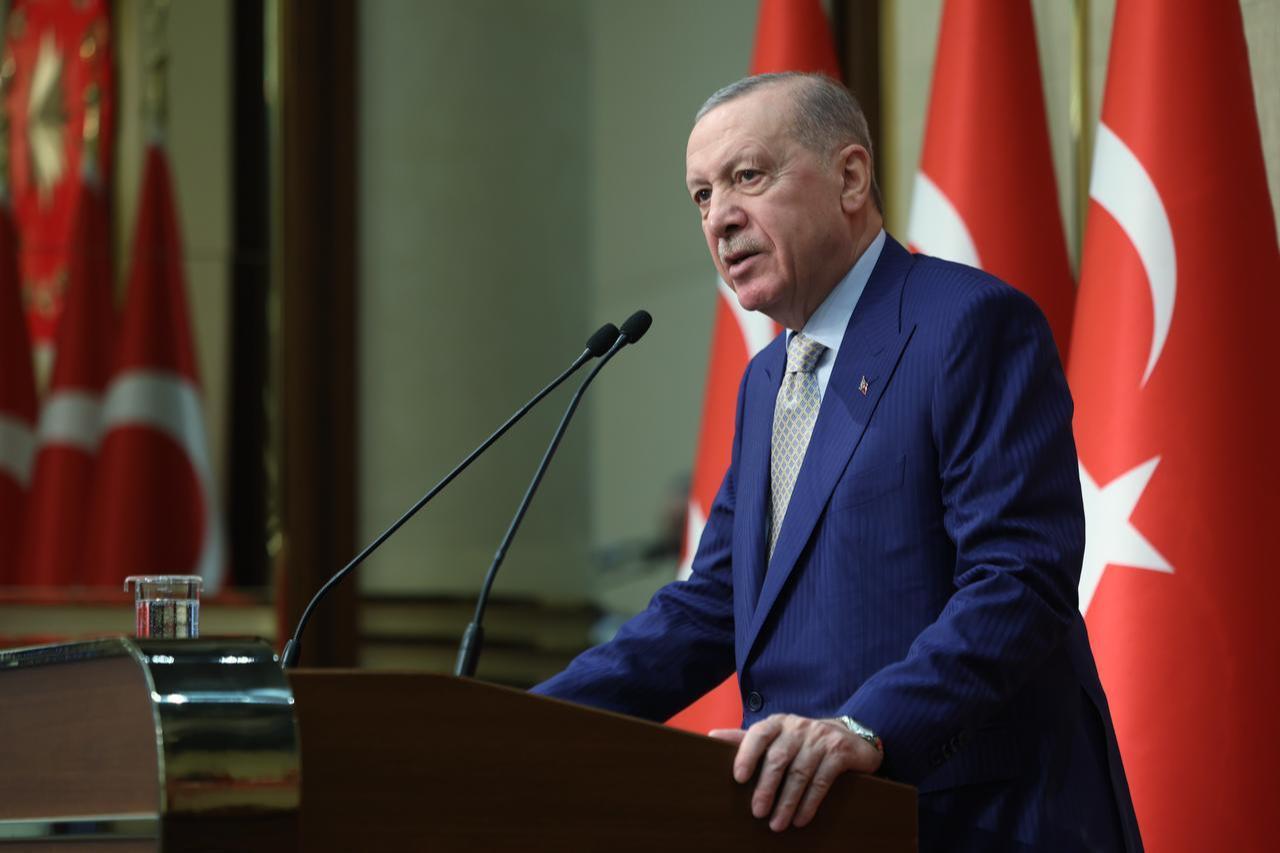
President Recep Tayyip Erdogan makes a speech during a meeting at Bestepe Nation’s Exhibition Hall in Ankara, Türkiye, Dec. 25, 2025. (Photo via Turkish Presidency/Mustafa Kamaci)
Erdogan challenged decades of regional deception
The foreign minister praised Erdogan for confronting what he described as Israel’s decades-long “illusion empire” built on lies and manipulation of American policy to control regional countries. He said the Turkish president represents a long-awaited leader who has demanded an end to exploitative practices in the region.
“A leader named Erdogan has emerged from these lands, the one we have been waiting for a century, and he has slammed his fist on the table and said: ‘Brother, know your limits, enough,'” Fidan said. He characterized Erdogan’s stance as declaring that the era of advancing politics through deception has ended.
Fidan argued that human conscience, intellect and understanding eventually rebel against sustained propaganda campaigns, regardless of social media manipulation or film production. “You can direct as much as you want with social media, make a hundred films a year — human conscience, human mind, human perception by its nature rebels at some point,” he said.
The minister said Trump’s emergence as a president who rejects established illusions and focuses on concrete American interests has disrupted Israel’s traditional approach. He suggested this shift, combined with Erdogan’s leadership, marks a fundamental change in regional power dynamics.
“Trump has emerged as a president and said: ‘I don’t recognize this illusion, brother, where is my interest, I have an interest here I will look at it, I have an interest there I will look at that.’ That’s the situation,” Fidan said.
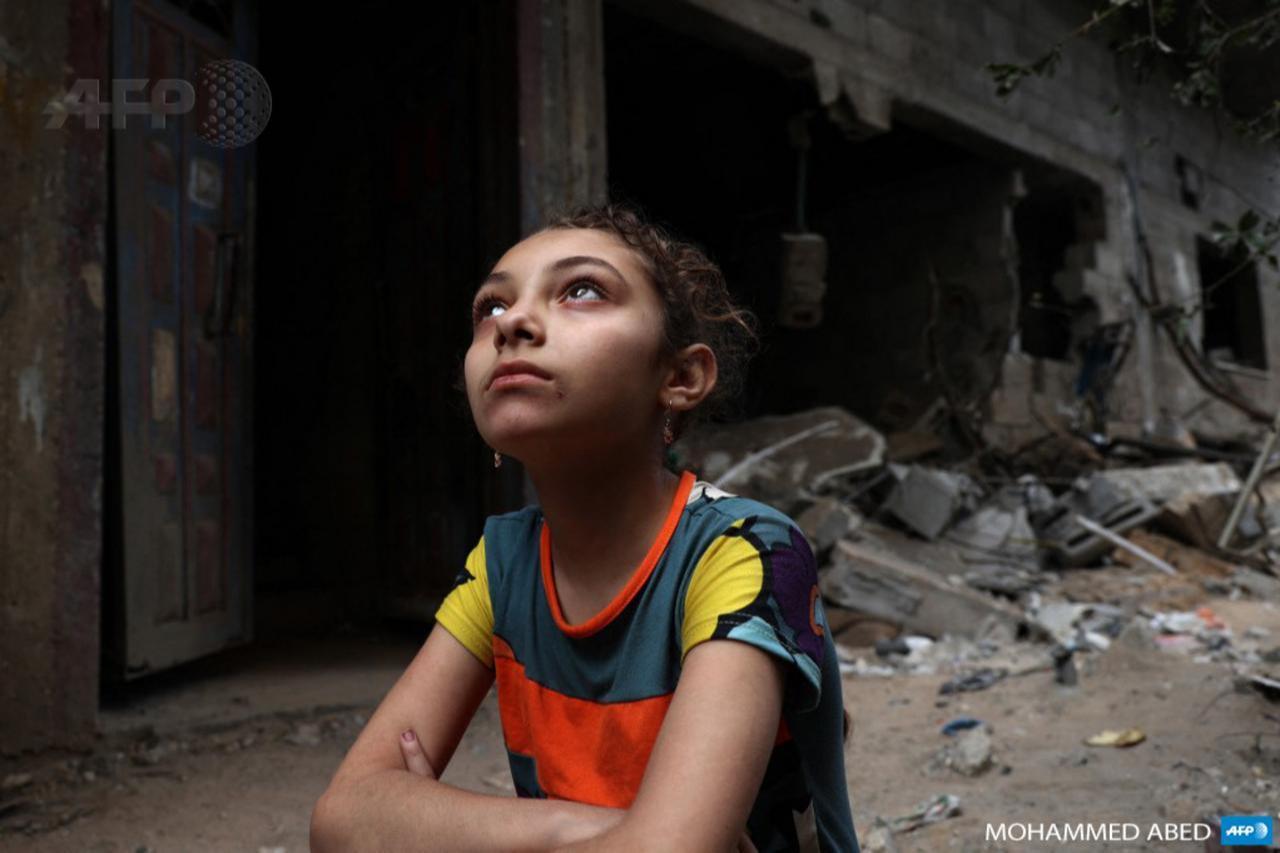
A young Palestinian girl sits in front of her home in Gaza City which was damaged by Israeli bombardment on May 20, 2021. (AFP Photo )
Humanitarian crisis demands urgent action
Addressing immediate needs in Gaza, Fidan expressed deep concern over housing shortages and exposure to cold weather. He said Erdogan remains especially sensitive to shelter issues, with Türkiye sending tents though entry problems and effectiveness concerns persist.
The minister suggested containers might prove more effective than tents, noting that Türkiye has surplus containers from earthquake relief efforts. He emphasized that preventing further Palestinian deaths and ending suffering remain paramount concerns.
“What matters is that not one more Palestinian brother dies and that they are freed from the misery they suffer as soon as possible,” Fidan said. He noted that reconstruction planning continues alongside efforts to establish a technical committee of Palestinians to govern Gaza.
The minister said establishment of a stability force represents the most critical issue, with a reconstruction plan for Gaza already developed. He emphasized that Erdogan has directed that Türkiye do whatever necessary to implement the Gaza peace plan.
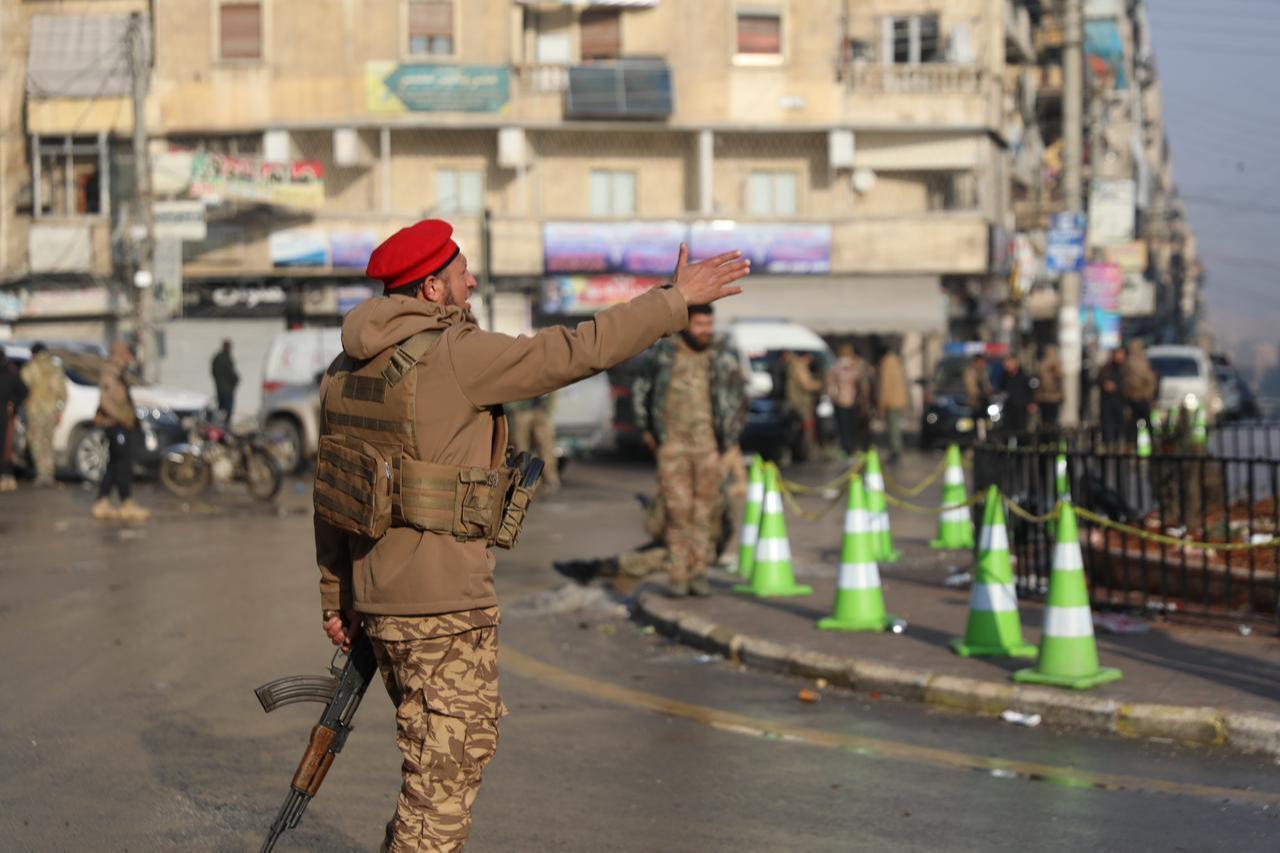
Syrian forces take security measures and patrol in the Ashrafieh neighborhood after the army took control of most of the area previously held by the terrorist organization PKK/YPG, which is operating under the name SDF in central Aleppo, Syria, Jan. 9, 2026. (AA Photo)
Syria tensions and SDF terrorists
Addressing developments in Syria, Fidan expressed frustration with what he characterized as the SDF terrorists’ unwillingness to engage in genuine dialogue. He said the group, which Türkiye views as an extension of the PKK, only changes positions when force is applied or threatened.
“They use diplomacy for propaganda purposes, to create public opinion in the world,” Fidan said, adding that both sides lack a framework of mutual concessions. He predicted that parallel structures in Aleppo will be eliminated in the near future, with a single state serving all citizens through unified institutions.
The minister called on Kurdish groups to abandon what he described as irrational approaches and embrace solutions based on peace with regional peoples and states. He referenced instructions from imprisoned PKK leader Abdullah Ocalan on the island prison where he is held, saying these directives need implementation.
“If they really care about the future and interests of Kurds, they need to take a qualified, genuine stance based on peace that will not make them more enemies with regional peoples and states,” Fidan said. He urged the groups to exit their current trajectory and reach appropriate positions through dialogue.
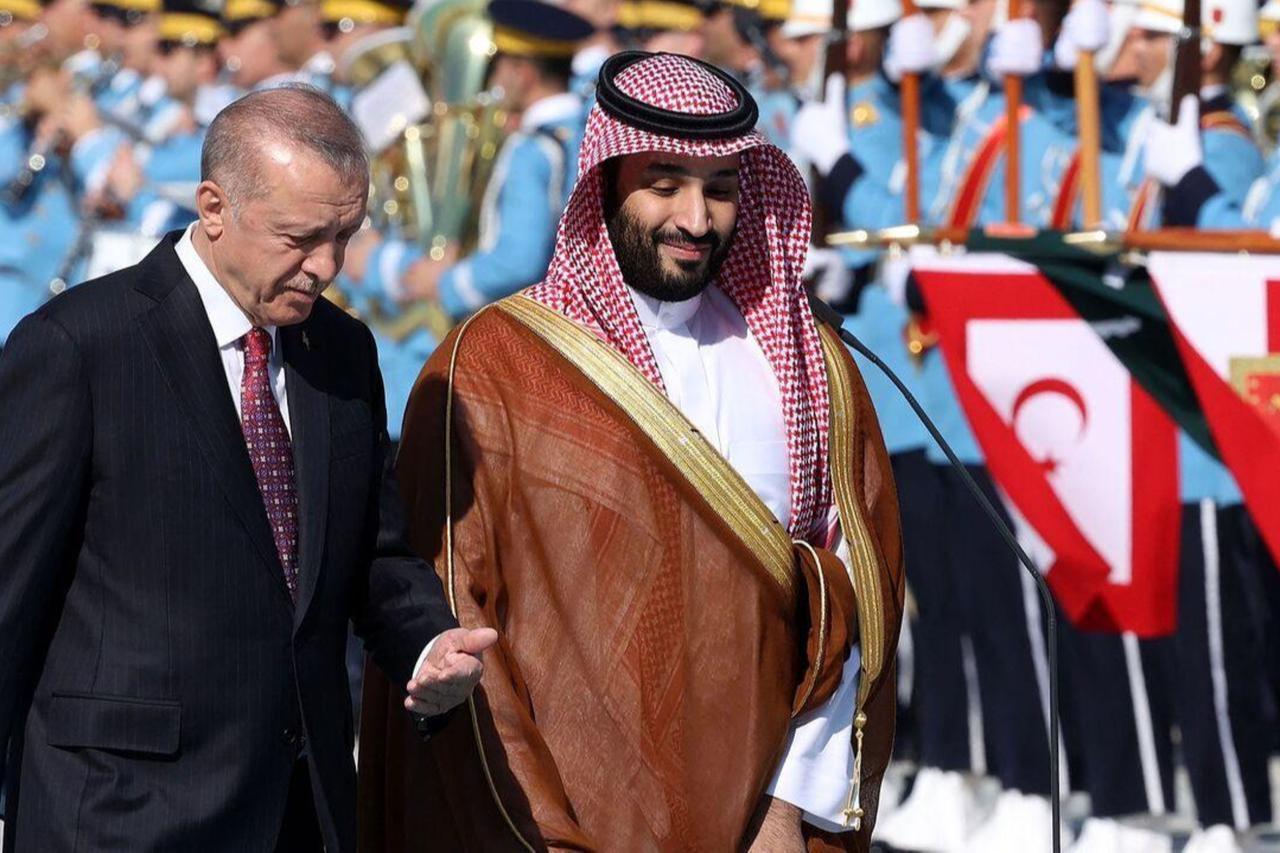
President Recep Tayyip Erdogan (L) gestures as he welcomes Crown Prince of Saudi Arabia Mohammed bin Salman (R) during an official ceremony at the Presidential Complex in Ankara, on June 22, 2022. (AFP Photo)
Regional cooperation framework proposed
Fidan outlined an ambitious vision for Middle Eastern cooperation, calling on major Arab countries to move past grievances and establish security-based platforms. He identified the Gulf Cooperation Council countries as particularly influential within the Arab League, citing effective collaboration in the Palestine Contact Group.
“When these countries use their resources together, I have seen in many areas how much good work they can produce,” Fidan said. He emphasized the need to end the era of waiting for outside saviors and urged quick resolution of tensions between Saudi Arabia and the United Arab Emirates.
The minister said high-quality cooperation among Türkiye, Saudi Arabia and Egypt would prove extremely important, while calling for elimination of general perceptions of Arab hopelessness and unsolvability. “I believe all the necessary conditions and circumstances exist for this, based on very realistic assessments and analyses,” he said, adding that the situation requires leadership, vision, good intentions and idealism.
He characterized recent developments as evidence that the Islamic world has awakened, with the policy of regional countries taking ownership of regional problems beginning to gain traction. “The region must now close the period of waiting for a savior from outside,” Fidan said.
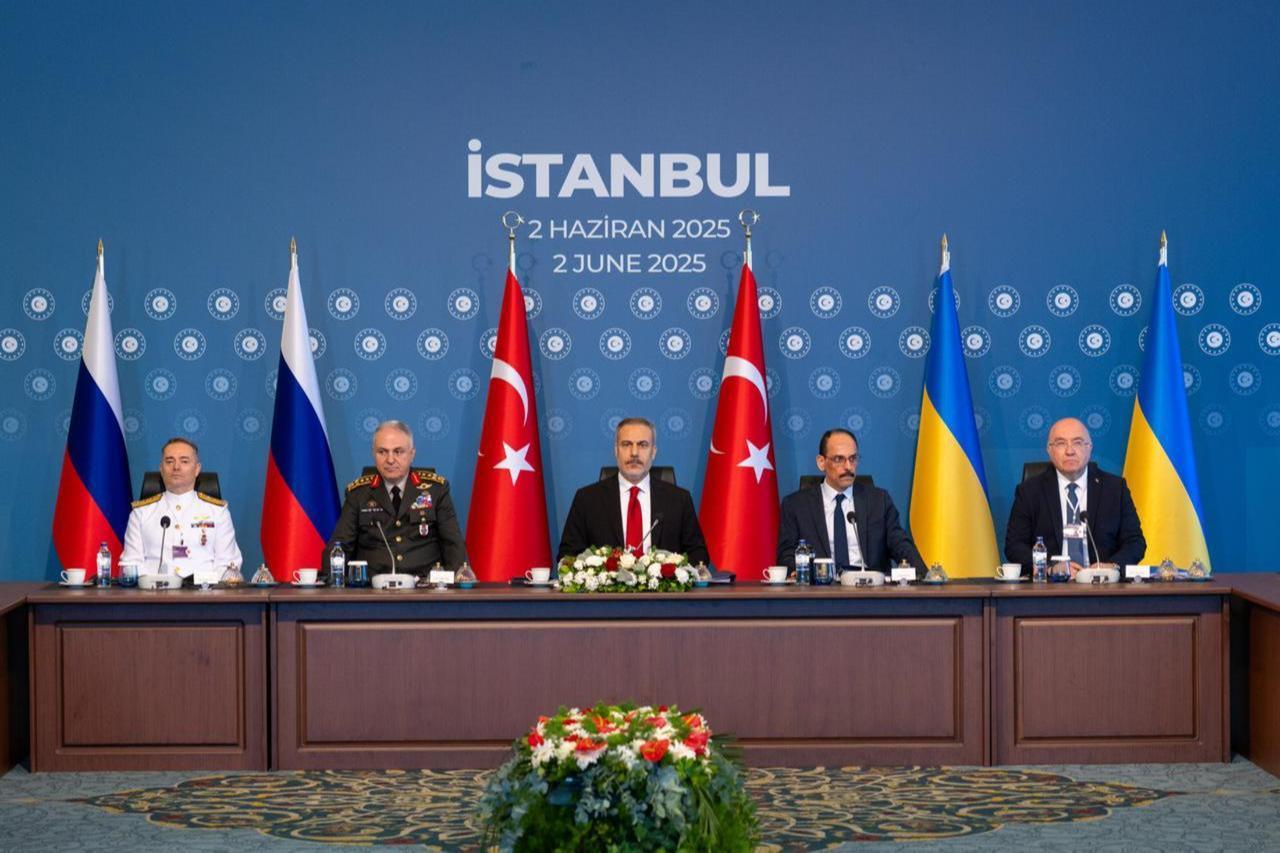
Foreign Minister Hakan Fidan (center) chairs the trilateral meeting between Türkiye, Russia, and Ukraine delegations in Istanbul, June 2, 2025. (AA Photo)
Ukraine peace negotiations advance
On the Russia-Ukraine conflict, Fidan disclosed that Türkiye maintains extensive engagement at multiple levels, including recent participation representing Erdogan at a Paris summit. He said negotiations involve not merely Ukraine and Russia but constitute a broader European-Russian peace agreement covering European security arrangements.
The minister outlined three key elements under discussion: monitoring and verification mechanisms for any ceasefire, provisions for Ukraine’s defensive and deterrent capabilities, and response protocols for potential violations. He said Türkiye has positioned itself to assume primary responsibility for Black Sea security in any peace agreement.
“As the largest NATO member country on the Black Sea, Türkiye had to take on the main responsibility here,” Fidan said, noting that land and air components have been divided between France and the United Kingdom in planning discussions. He characterized Black Sea security as extremely important given Ukraine’s coastline exclusively along that body of water.
Territorial disputes remain a central obstacle, particularly regarding Russian control claims over portions of Donetsk that remain contested. Fidan said Russia asserts ownership based on referendums and declarations over the 23 percent of Donetsk not under its control, while Ukraine maintains these areas constitute Ukrainian territory.
Uncertainty defines new diplomatic era
Reflecting on broader international trends, Fidan said multiple global crises in early 2026, involving Yemen, Somaliland, Iran, Venezuela and Greenland, signal what lies ahead. He characterized these as evolved versions of problems carried over from 2025, with their rapid succession providing early indicators of the year’s trajectory.
“We are entering 2026 under the shadow of crises,” Fidan said, noting that Trump’s rejection of the post-World War II international system has forced many countries out of “autopilot mode” in foreign relations. He said this requires managing uncertainty through skilled alliance formation, realistic interest definition and idealistic use of practical tools.
The minister assessed that Türkiye performed exceptionally well in 2025 compared to other countries across all foreign policy areas, citing measurable parameters including avoiding sanctions, lifting existing restrictions, securing energy agreements, increasing exports, attracting tourists and opening transit routes. He credited Erdogan’s leadership developed over years as proving valuable in navigating what some characterize as a “wild” international environment operating independently of established rules.

January 09, 2026 11:07 PM GMT+03:00