
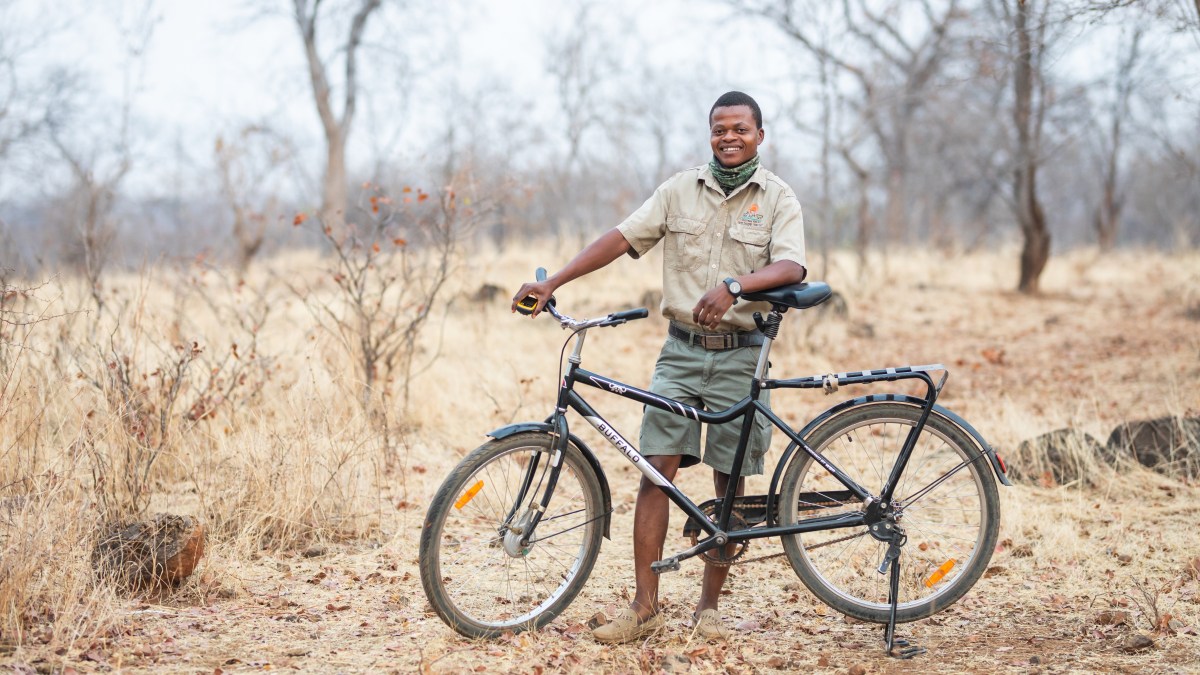
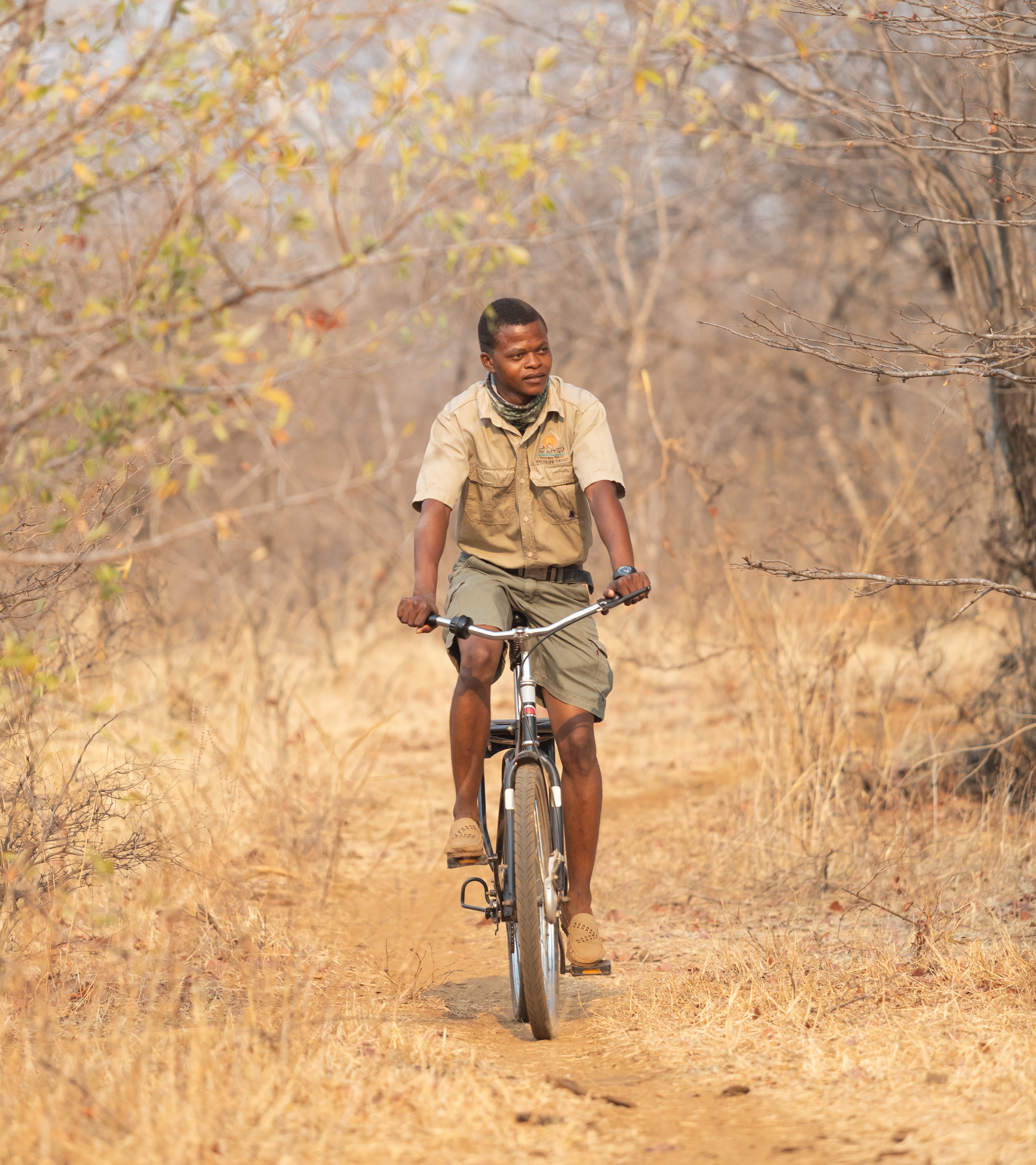
When a lion sees Levison Sibanda cycling into view, trumpeting on his vuvuzela, it startles and runs back into the bush — which means Sibanda has done his job. Keeping predators and elephants away from villagers’ crops and livestock is the task of community guardians like Sibanda on the edge of Zimbabwe’s Hwange National Park.
“The lion won’t know what animal I am — I look very strange and unfamiliar,” Sibanda said, describing his silhouette on a bicycle, pedals flying as he hoots on a metre-long plastic horn. “He will think to himself, ‘I don’t know this animal or its call, so I should run.’”
Sibanda, 31, covers long distances each day checking for signs of poaching and responding to reports of wild animals straying into villages. Getting to the scene promptly helps keep communities and their property safe — and prevents deadly reprisals against wildlife.
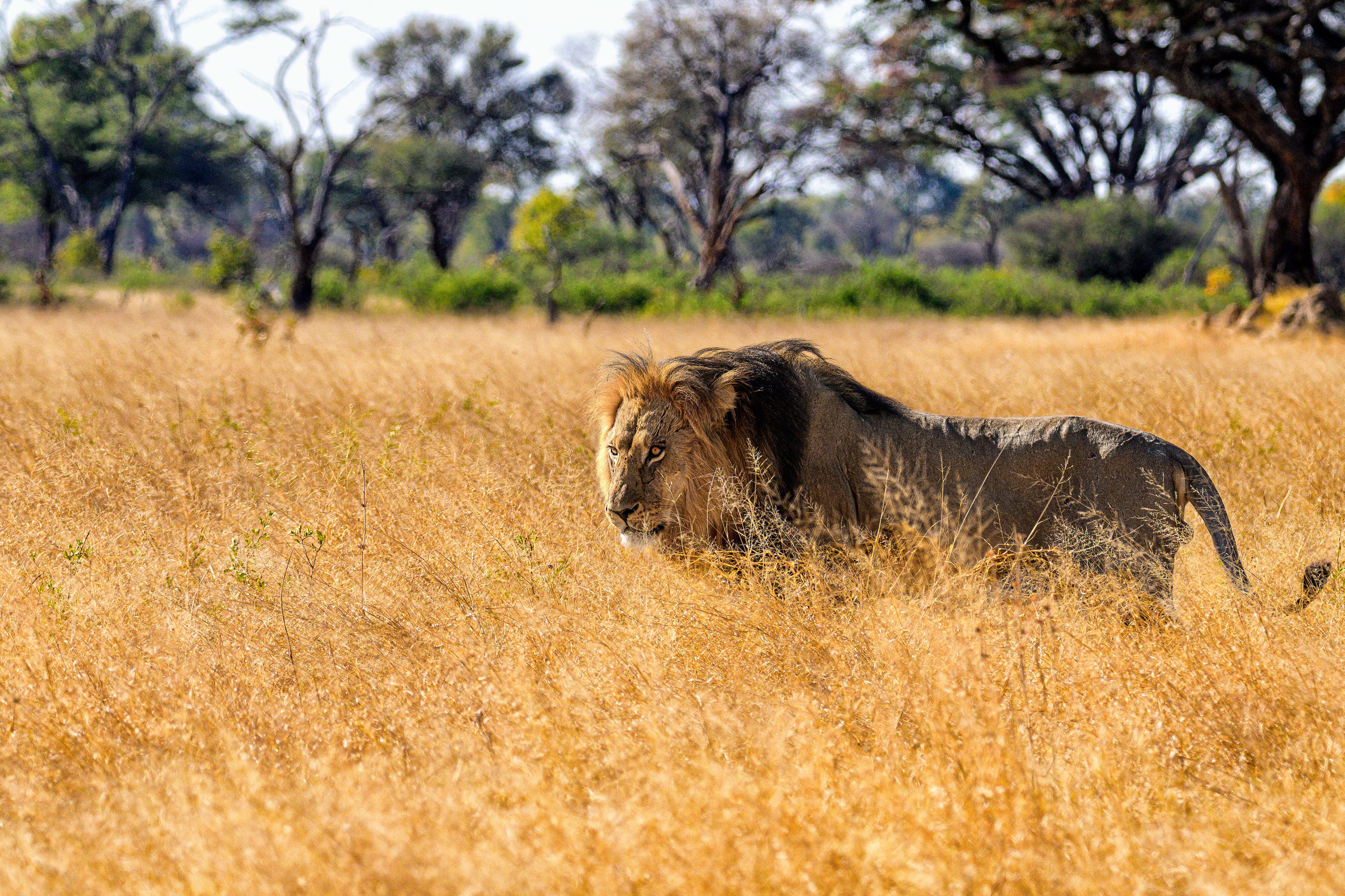
Livestock in villages are at risk of being taken by a lions who stray near residential areas
ALAMY
• Donate to The Times and Sunday Times Christmas Appeal
Since he received a sturdy, steel-built Buffalo Bicycle in 2020, Sibanda’s response times have improved sharply and he can reach areas that once took hours on foot in a fraction of the time.
Before he often arrived too late to prevent fields of crops being trampled when elephants moved through, or livestock being taken by a lion or hyena.
“It meant the families would lose a whole season’s harvest and really suffer. Livestock is the bank for every farmer, so any killings are a big loss,” said Sibanda, who works for the International Fund for Animal Welfare (Ifaw). “If there are such losses, the chance of a village retaliating against the elephant or lion that did the damage is much higher.”
Mitigating conflict between wildlife and humans living in close proximity makes a significant contribution to the conservation of endangered species. Ifaw’s community guardian programme is supported by World Bicycle Relief (WBR), one of the charities benefiting from The Times and Sunday Times joint Christmas appeal.
The area around Hwange, Zimbabwe’s largest and oldest protected area, is a hotspot for tensions between wildlife and human populations. A central role for Sibanda and his fellow community guardians is educating villages on how to deter animals from their fields and homesteads, as both people and wildlife battle unpredictable weather patterns and food insecurity.
• Bicycle helps Zambian farmer to push through drought
Lethal weapons are not needed, and Sibanda said he is confident approaching large and potentially dangerous animals with simple deterrents designed to startle rather than harm. The vuvuzela — a modern incarnation of the traditional antelope horn once used to summon villagers to gatherings — emits a harsh, hornet-like blast that startles animals and alerts communities to danger.
He is also equipped with a chilli blaster, a handheld device that sprays a fine mist made from crushed chillies, exploiting animals’ sensitive noses to drive elephants and other wildlife away without causing injury.
Thanks to his Buffalo Bicycle, built to cope with rough terrain and carry loads of up to 100kg, Sibanda can hold monthly meetings across every corner of his patrol area. He is among thousands in Zimbabwe who have received Buffalo Bicycles, including 63,400 schoolchildren and 48,000 health workers, who are supported by a network of local mechanics trained by WBR to keep the bikes moving.
Research in developing countries has consistently shown that, regardless of individual ambition, weak infrastructure and long journey times curb productivity, household incomes and access to essential services.
Having a bicycle offers a simple lifeline to those who would otherwise spend hours each day walking in punishing conditions to reach schools, jobs and clinics. In Zimbabwe, where only a fraction of roads are paved, the Buffalo Bicycle is designed to cope. Built from stainless steel and fitted with one or no gears it is durable, easy to maintain and far less likely to need repairs.

Research shows that 96 per cent of students in Zimbabwe who benefited from a Buffalo Bicycle have stayed in education. Average income for adults with bicycles rises by an average of 94 per cent.
In the two decades since it was established, WBR has distributed nearly one million bicycles across 28 countries in Africa, southeast Asia and Latin America.
Sibanda said he surprised himself by having so much to say about a set of wheels.
“I never thought a bicycle could be a story worth telling, but it has changed my life and my community’s safety. I hope others get the same chance I did.”
Find out more about the Christmas appeal and donate by calling 0151 286 1594 or by clicking the button below