
Compared with China and India, Bangladesh’s exports are relatively less affected
TBS Report
10 January, 2026, 10:20 pm
Last modified: 11 January, 2026, 01:12 am
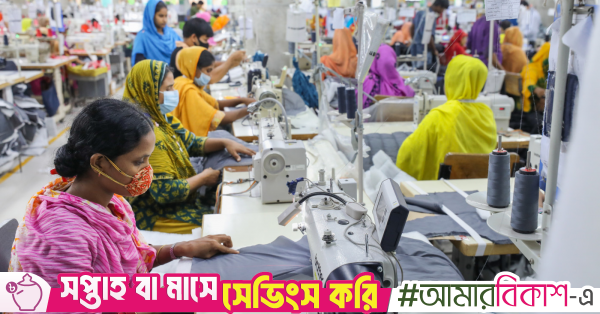
Representational Image of workers at an RMG factory. File Photo: Rajib Dhar/TBS
“>
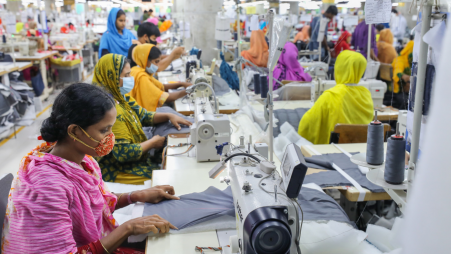
Representational Image of workers at an RMG factory. File Photo: Rajib Dhar/TBS
Bangladesh’s ready-made garment exports to the United States fell by nearly 11% year-on-year in October as higher tariffs imposed by the Trump administration reduced consumer demand and disrupted buying patterns in the world’s largest apparel market.
The impact of the Trump administration’s reciprocal tariff measures is increasingly being felt across almost all apparel-exporting countries, primarily due to a contraction in US consumption driven by higher import duties.
According to the latest data released by the Office of Textiles and Apparel (Otexa), the downturn was not limited to Bangladesh, as apparel shipments from nearly all major exporting countries to the US fell.

Keep updated, follow The Business Standard’s Google news channel
Otexa data shows that overall US apparel imports dropped by around 19% in October, reflecting weakening demand amid rising prices. Exporters attribute the slowdown largely to higher tariffs, which have pushed up retail prices and discouraged consumer spending.
Under the new tariff regime introduced from August, Bangladeshi apparel products are now subject to an additional 20% duty, taking the total tariff burden to 36%. China and India face even higher tariff rates, resulting in a sharper decline in exports from those countries.
In October alone, US apparel imports from China plunged by 53%, while imports from India fell by nearly 29%, according to Otexa.
Demand dampens in US due to inflation
Shehab Udduza Chowdhury, vice-president of the Bangladesh Garment Manufacturers and Exporters Association (BGMEA), told TBS that higher tariffs have fuelled inflation in the US apparel market. “Because of higher prices, consumers who used to buy five garments may now be buying only three,” he said.
Shehab added that frequent policy changes under the Trump administration have created uncertainty among US buyers and global brands, prompting them to reduce inventory levels and avoid holding long-term stock. “Many buyers also rushed to place orders before the new tariffs came into effect on 7 August, leading to a subsequent drop in shipments.”
He continued, “This could ultimately create a crisis in the US apparel supply chain, which may trigger another round of price increases.”
Otexa data indicates that US apparel imports recorded growth between January and July, but began to decline after the new tariffs were enforced in August. China, the largest exporter to the US, has been the worst affected by the shift.
Bangladesh is relatively less affected
Bangladeshi exporters note that, compared with China and India, the export performance of Bangladesh, Pakistan and Cambodia has been relatively less affected.
Overall, US apparel imports fell by about 1% during the first 10 months of the year, from January to October, amounting to $66.63 billion, down from more than $67 billion in the same period last year.
Despite the recent slowdown, Bangladesh’s garment exports to the US still grew by more than 15% over the ten months, although this was lower than the nearly 22% growth recorded between January and July. By contrast, US apparel imports from China declined by 32% during the same period.