
In 1986, the world of popular music was in an incredible state of flux.
The industry was looking back in a serious way for the first time — in the US, the newly established Rock and Roll Hall of Fame inducted its first musicians (all men), recognising the first wave of rock ‘n’ rollers who changed music in the ’50s.
Meanwhile MTV was becoming all-powerful, and the era of the video clip had well and truly dawned, sending pop music into the stratosphere.
But two other musical genres — metal and hip hop — were about to make a splash into the mainstream in a big way, yielding two of the biggest albums of 1986.
The Big Hitters
Pop music was the dominant force in the ’80s, aided by the rise of MTV.
If you had the look to go with the sounds, chances are you were on your way to the top.
And the top in 1986 featured some of the biggest names of all time.
True Blue — Madonna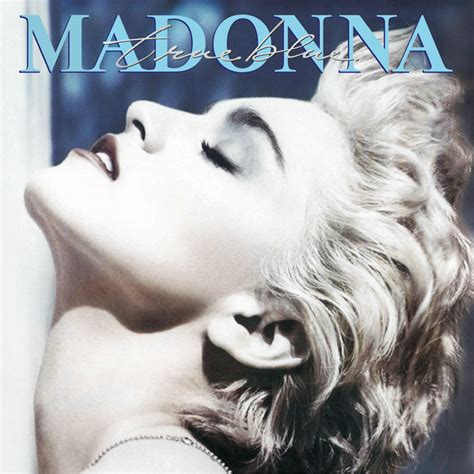
Selling roughly 25 million copies, Madonna’s third studio album went to #1 in two dozen countries and confirmed the megastar promise she’d threatened with her controversy-courting 1984 album Like A Virgin.
True Blue features some bona fide Madonna classics, most notably the equally controversial Papa Don’t Preach, in which the young female narrator exercises her right to choose and keep her unborn baby while seeking support from her father, not lectures.
It was incredibly deep for an ’80s pop banger and surprisingly hooky for a song about teen pregnancy, but along with the likes of Open Your Heart and La Ilsa Bonita, it helped make True Blue one of the best pop albums of the ’80s.
Slippery When Wet — Bon Jovi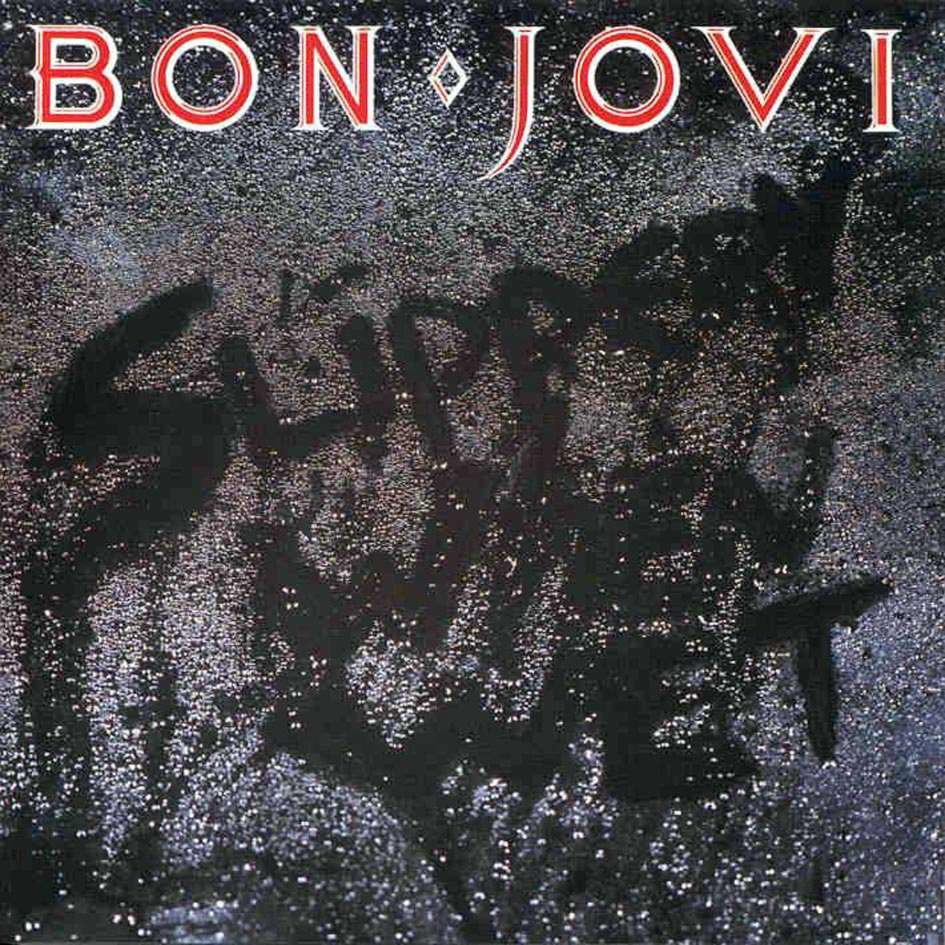
Of the albums of 1986, only Madonna’s True Blue outsold the third record from New Jersey rockers Bon Jovi, who slid perfectly into the “hair metal” sound dominating rock music at the time.
More radio-friendly than Ratt, Cinderella and the then-Sammy Hagar-fronted Van Halen, Slippery When Wet produced three massive singles — You Give Love A Bad Name, Livin’ On A Prayer, and Wanted Dead Or Alive, which sold a combined 1.4 million copies in Australia alone.
The guitar histrionics of Richie Sambora and Jon Bon Jovi’s knack for an arena singalong made Slippery When Wet the band’s breakthrough, and helped Bon Jovi become one of the biggest rock bands in the world for the next decade.
Graceland — Paul Simon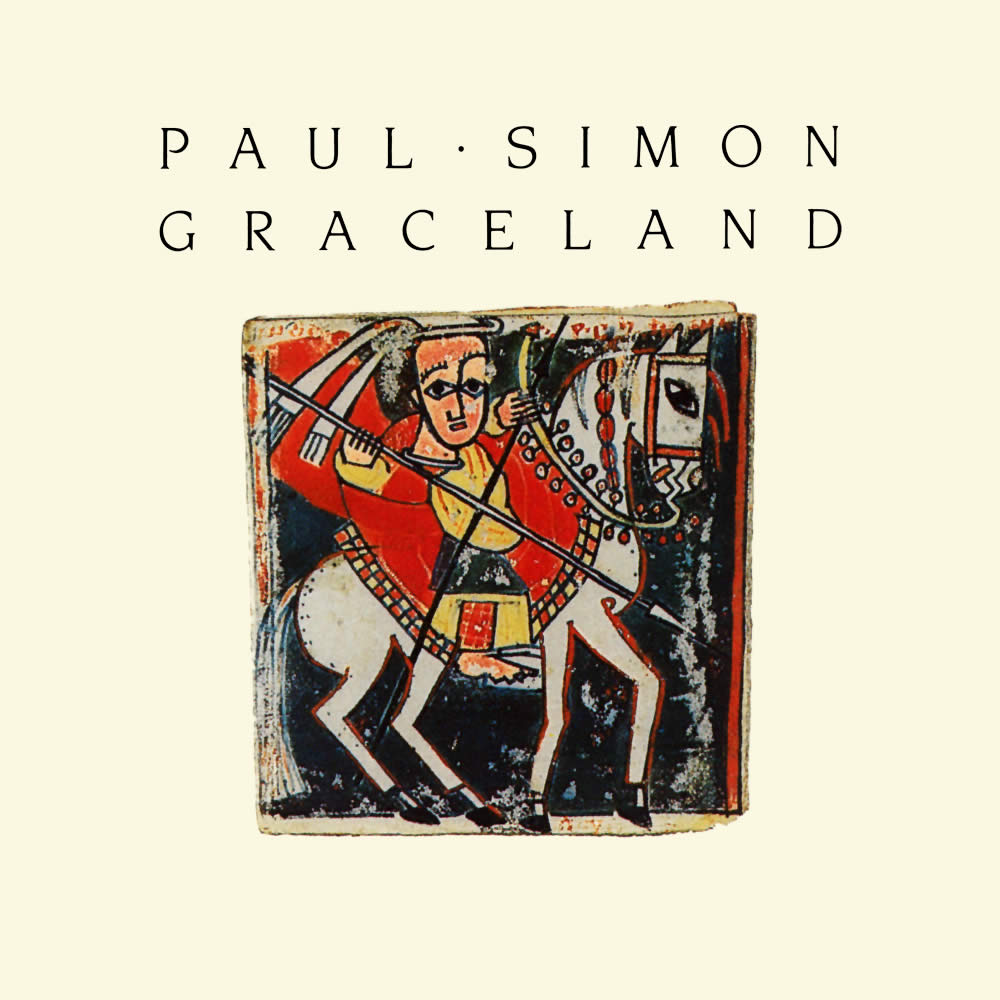
By visiting apartheid-era South Africa to work with black musicians, Paul Simon was always going to spark controversy.
But the resulting record stands as a stunning collection of songs pulled together by a talented group of musicians, and is predominantly shorn of its racial, political and cultural upheavals, instead letting the music stand for itself — from the sparkling father-son tale of the title track to the Afrobeat grooves of Diamonds On The Soles Of Her Shoes, from the a capella power of Ladysmith Black Mambazo on Homeless to the album’s mega-hit You Can Call Me Al.
And while controversy follows the album to this day, the musicians involved had nothing but praise for Simon and what they achieved together, and perhaps those opinions count for something.
Different Light — The Bangles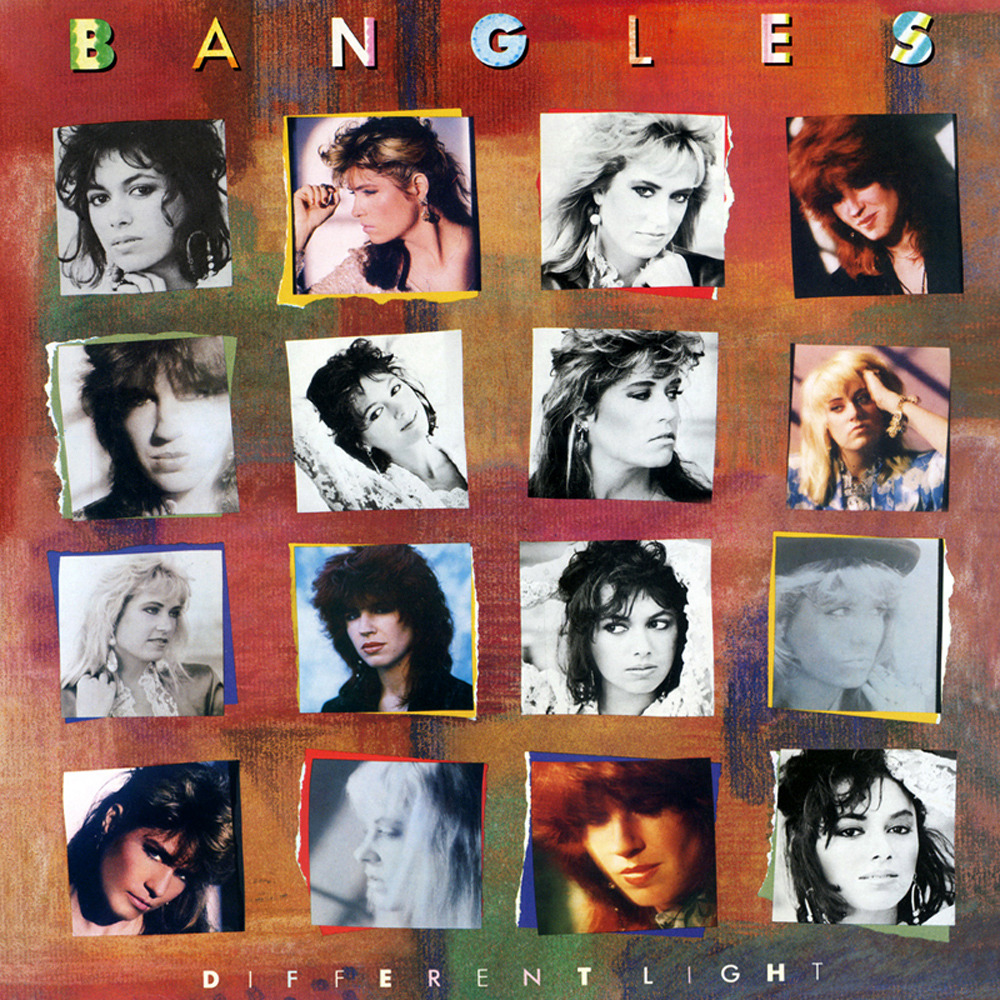
According to legend, Prince was so enamoured with The Bangles’ Susanna Hoffs, he wrote Manic Monday for her band’s second album.
Whatever the reason, the song became the L.A. group’s breakthrough and, along with Walk Like An Egyptian, catapulted The Bangles to stardom.
The band’s own compositions are somewhat overshadowed by the hits, but check out the rockers In A Different Light and Let It Go, and the sincere ballad Following, to see they were more-than-capable songwriters in their own right.
True Colours — Cindy Lauper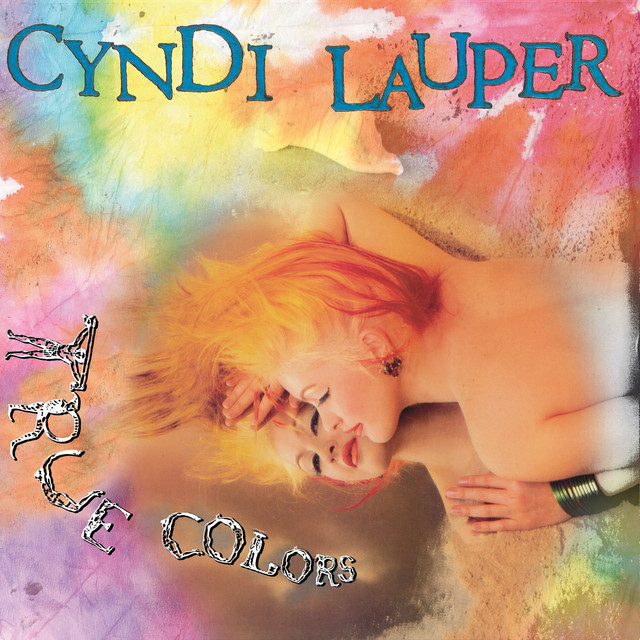
In following up her massive debut album She’s So Unusual, Lauper continued to mix the deep ideas with the dancefloor vibes, calling in an all-star cast (Nile Rogers, Adrian Belew, Aimee Mann, The Bangles, Peewee Herman, and Billy Joel all appear) for her second album.
Despite the record’s distinctive of-the-time bass and drum sounds, nothing has dulled the power of the title track — an all-time empowerment ballad that helped make Lauper an icon and is so good it overshadows the rest of the record.
But there’s fun to be had on tracks like Change Of Heart, 911, and Boy Blue, and her cover of Marvin Gaye’s What’s Going On ain’t half-bad.
So — Peter Gabriel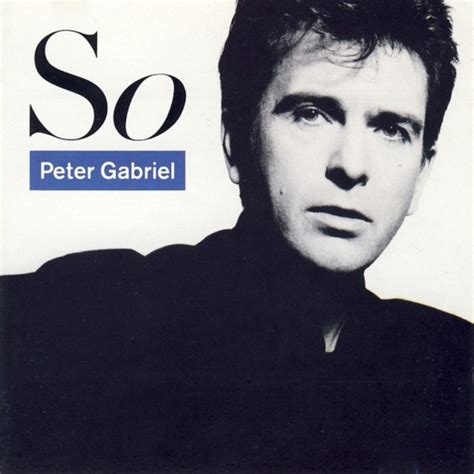
So is the pop album Peter Gabriel always had him in, but had been too avant and arty to make previously.
But five solo albums clear of his old prog band Genesis, Gabriel piled his musical genius into a more commercial effort, creating an amazing record that features the stunning Kate Bush team-up Don’t Give Up, the slammin’ ’80s funk of Big Time, hard-hitting opener Red Rain, and In Your Eyes, which became an iconic moment of the decade thanks to the film Say Anything.
And yes, Sledgehammer revolutionised the music video, but when was the last time you listened to the song without its visual accompaniment and revelled in its mountain of hooks, killer groove, and powerhouse vocal performance?
Control — Janet Jackson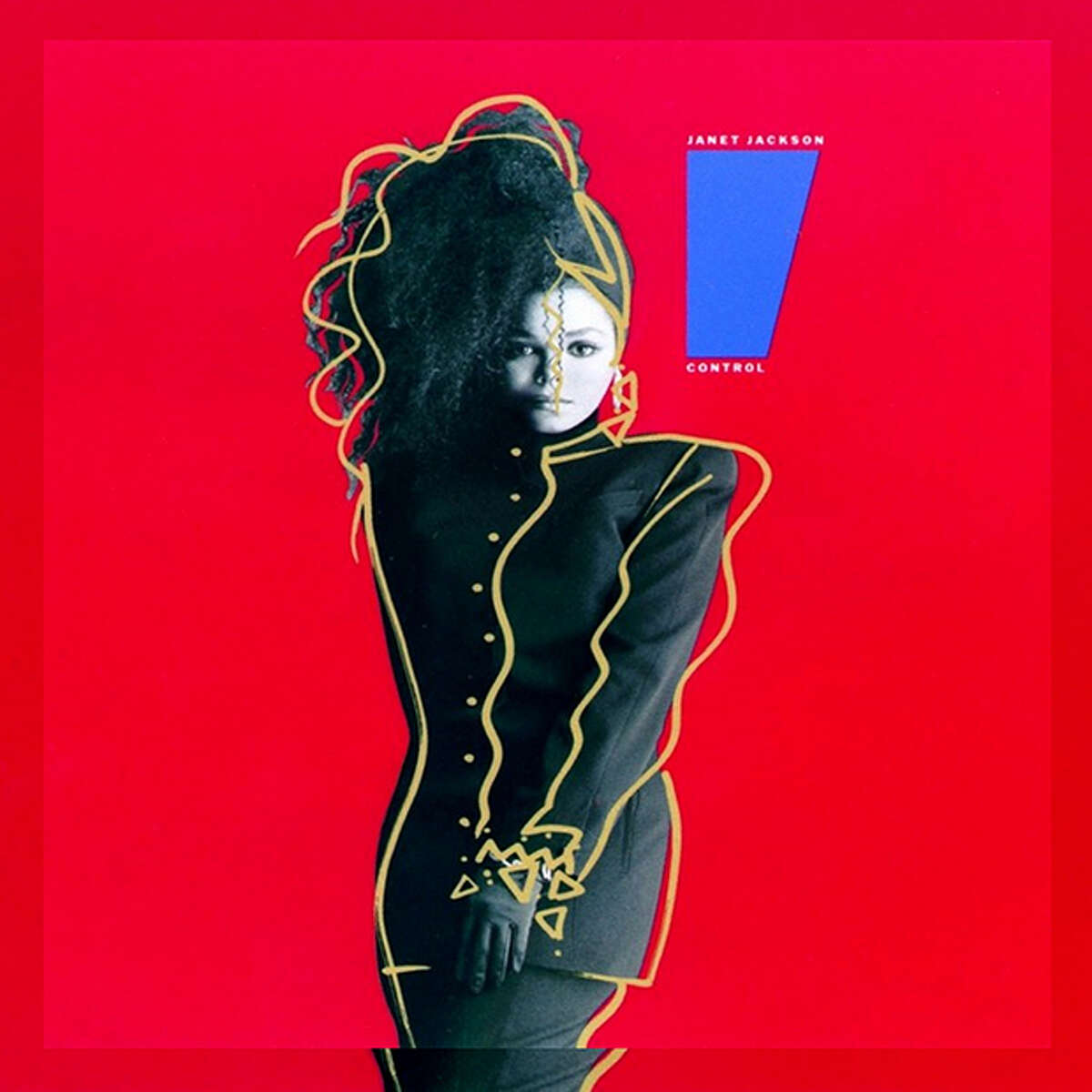
With the title of her third album and its powerful opening track, Janet Jackson signified she was reclaiming her destiny, having sacked her domineering father/manager Joe Jackson, and split with her husband James DeBarge.
The resulting album is forthright and powerful, blending old and new sounds as it helped Jackson leave her child-star past behind, and shape modern R&B in the process.
Control sold an estimated 14 million copies, gave Jackson her first US #1 album, and saw her crack international charts for the first time on the back of singles such as What Have You Done For Me Lately, Nasty, and the title track.
Revenge — Eurythmics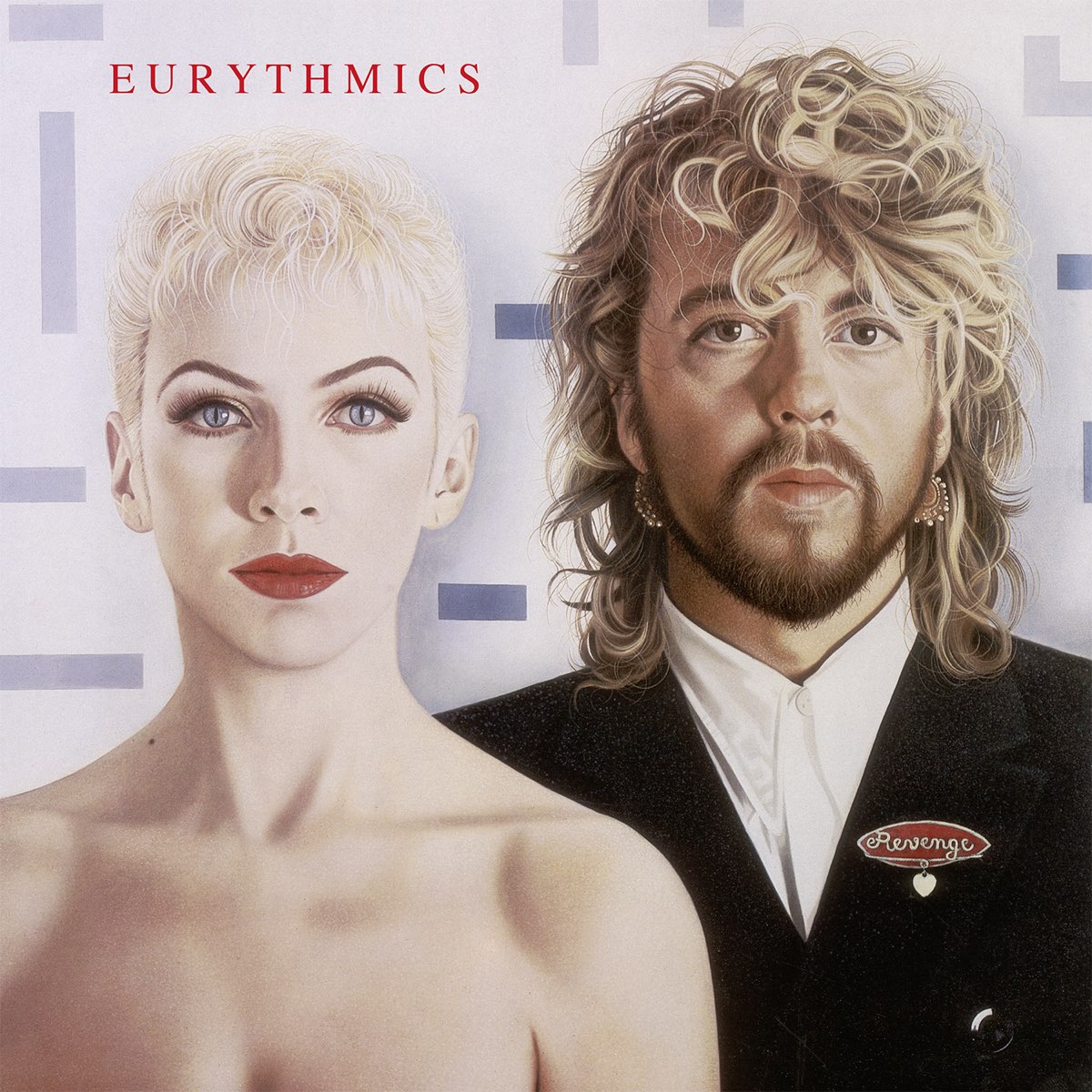
Annie Lennox and Dave Stewart’s fourth album in as many years shows again what a hit factory Eurythmics were at the height of their powers.
Missionary Man, Thorn in My Side, When Tomorrow Comes, The Miracle of Love; all incredible pop songs and top 15 singles in Australia, making Revenge the biggest selling 1986 release in Australia that year.
Revenge would be their last truly big album in Australia, capping off an incredible run of hits.
Invisible Touch — Genesis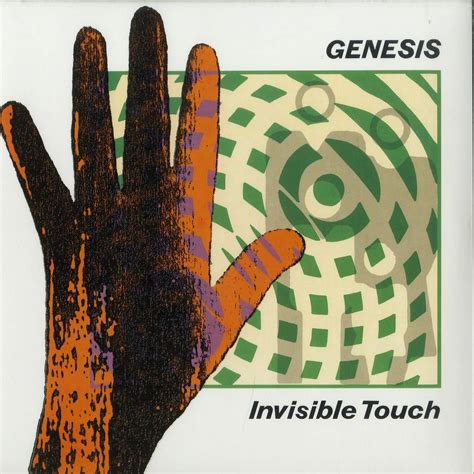
Not to be outdone by their erstwhile frontman Peter Gabriel, Genesis were also pushing into more commercial/pop territory, with more than a little help from Gabriel’s replacement Phil Collins, who happened to be one of the biggest pop stars on the planet at the time.
While it still has prog-rock flourishes, Invisible Touch’s five singles (Invisible Touch, Throwing It All Away, In Too Deep, Land of Confusion and Tonight, Tonight, Tonight) all went top five in the US, making them the first international band to achieve that feat.
The album sold close to nine million copies worldwide, and while some Genesis purists bristled at soft-rock ballads like In Too Deep or the unashamed hooks of the title track, there was no denying the band held a unique place in the musical stratosphere.
Hip hop
Hip hop had been bubbling away for over a decade by 1986 — long enough for a so-called “new school” of rappers to have emerged and help take the genre to new heights.
Licensed To Ill — Beastie Boys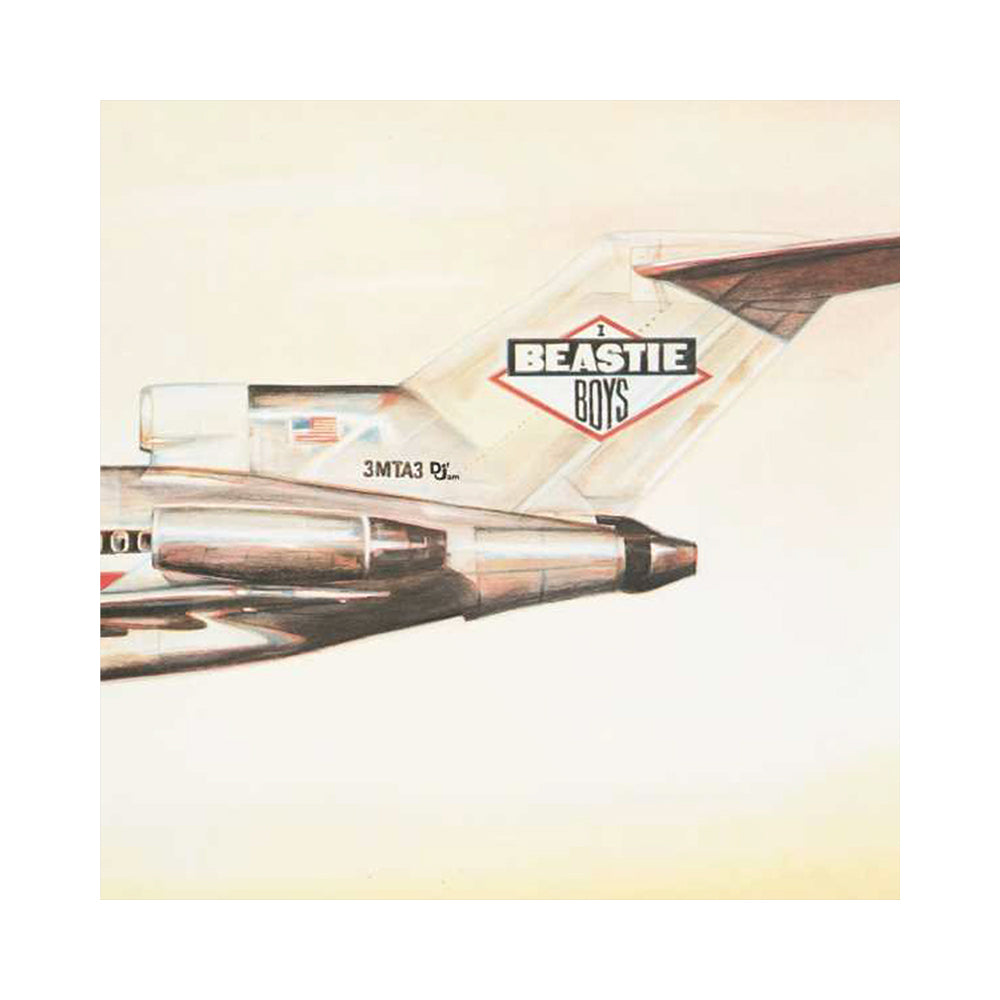
It’s a shame it took three white boys to give hip hop its first #1 album on the Billboard charts and the genre’s first 10 million-plus seller, but there’s no ignoring the groundbreaking nature of Beastie Boys’ debut.
A juvenile concoction of punk attitude, daring sampling and nerdish bravado, tracks such as Fight For Your Right and No Sleep ‘Til Brooklyn spoke to a youthful sense of rebellion in a way traditional rock music no longer did.
They would arguably make better albums (take your pick from Paul’s Boutique, Check Your Head, and Ill Communication), but none would shape the musical landscape (or earn them a spot opening for Madonna) quite like Licensed To Ill.
Raising Hell — Run DMC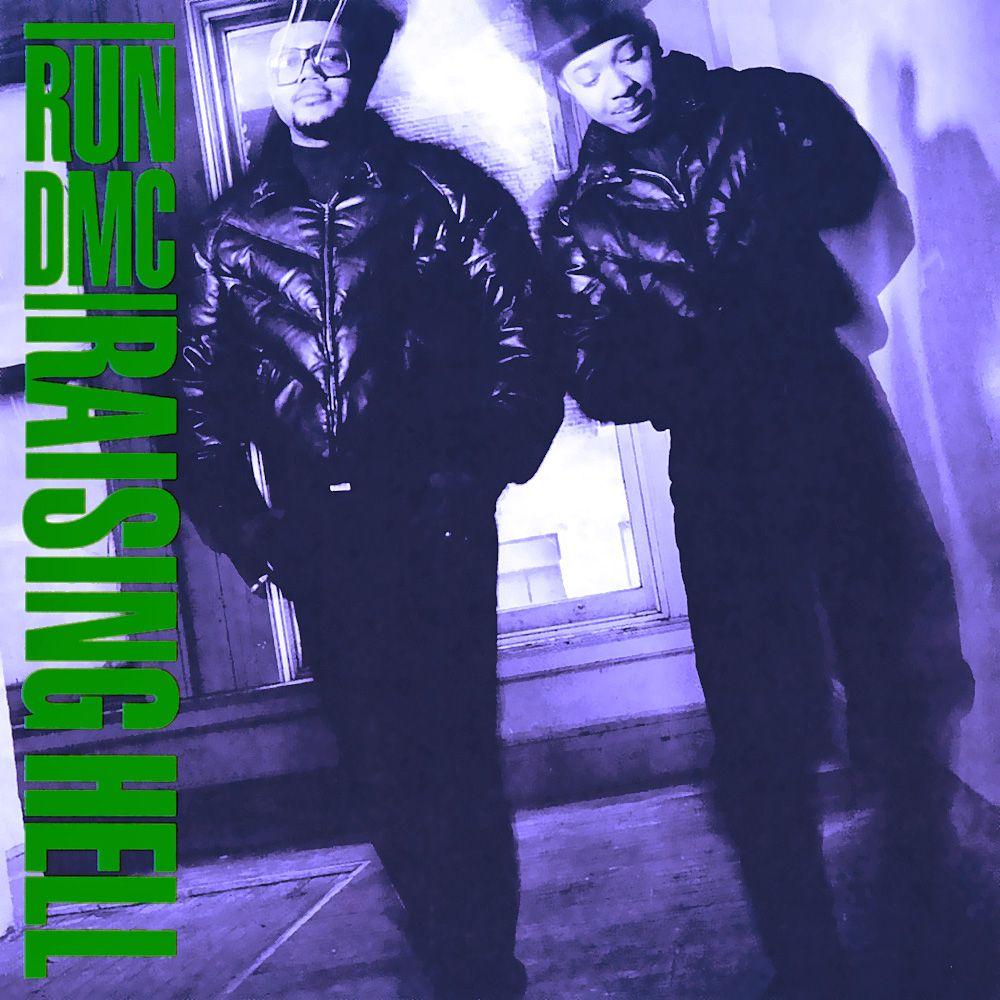
Six months before Licensed To Ill dropped, the trio of Reverend Run, DMC and Jam Master Jay released their third album in as many years, and became the first hip hop group to have a multi-platinum record and score a Grammy nomination.
It’s Tricky and My Adidas are now classics, but it was the novel collaboration with Aerosmith on Walk This Way that changed the music world, becoming the first rap song to reach the top five in the US and bridging the gap between hip hop and rock.
Considered by many to be rap’s first true masterpiece, Raising Hell confirmed Run DMC’s greatness and made them the first hip hop superstars.
Hot, Cool & Vicious — Salt-N-Pepa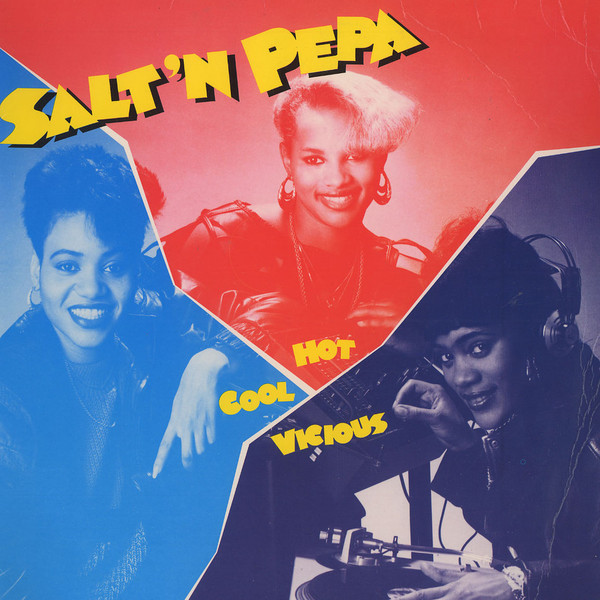
Run DMC and Beastie Boys weren’t the only rap acts notching up firsts in 1986 — Salt-N-Pepa’s debut album made them the first female rappers to notch up gold and platinum records.
Hot, Cool & Vicious started to get attention with the release of third single Tramp, but it was the b-side — a little track called Push It — that really blew up, leading to the album being re-released in 1987 with Push It as the opener.
The record would go on to sell over a million copies in the US and earn them belated Grammy nominations in 1989, paving the way for Salt-N-Pepa’s well-deserved induction into the Rock & Roll Hall of Fame in 2025.
Metal
Hip hop wasn’t the only genre having a moment in 1986.
Heavy metal, reborn as thrash metal, was suddenly faster, heavier and more brutal than it had ever been… and had weirdly become more popular than ever.
Master Of Puppets — Metallica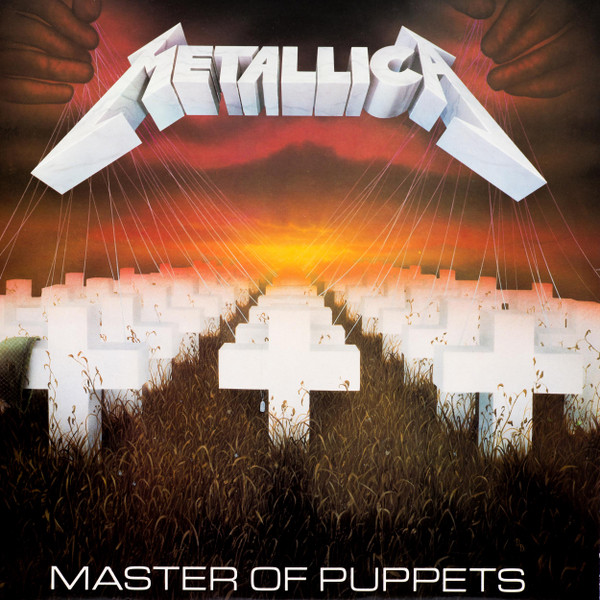
When people talk about the greatest albums of all time, let alone the greatest metal albums, Master Of Puppets often enters the discussion — the book 1001 Albums You Must Hear Before You Die called it “a masterpiece on all levels”, praising its “perfectly gauged combination of aggression, speed, melodic beauty and musical intricacy”.
The first thrash metal album to sell a million copies, it would go on to sell more than 10 million, redefining heavy music and pushing Metallica into the big leagues.
The title track is an obvious highlight, but so is Battery, The Thing That Should Not Be, Disposable Heroes… hell, if you’re into Metallica, every song on this landmark record is a winner.
Reign In Blood — Slayer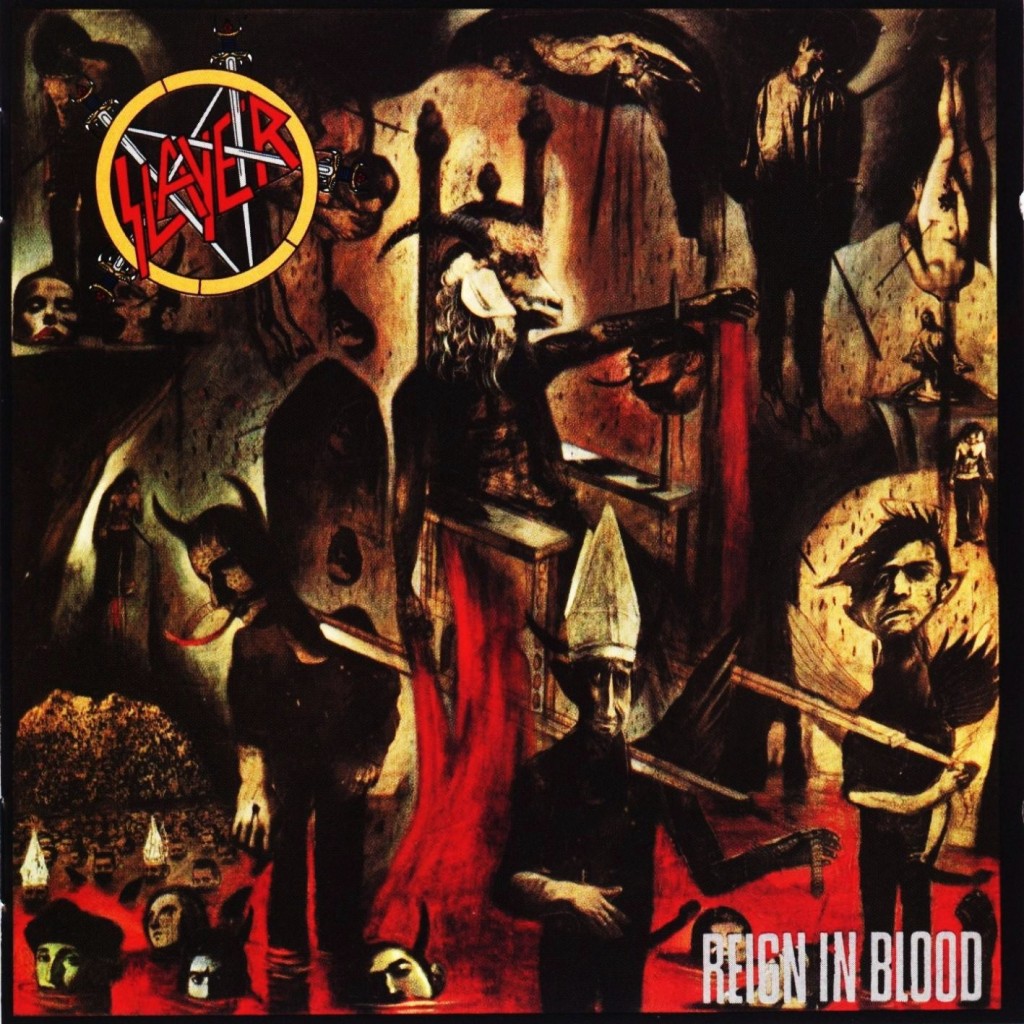
1986 was a watershed year for thrash metal, not just for Metallica but for the rest of the so-called Big Four of the subgenre (Megadeth, Anthrax and Slayer being the other three).
While they didn’t crossover like Metallica due to their more extreme tempos and subject matter, Slayer’s third album Reign In Blood was the band’s first to chart in the US and the UK.
The album boasts Slayer’s signature song — Raining Blood — and remains a classic of the genre that helped take metal to more extreme places.
Peace Sells… But Who’s Buying? — Megadeth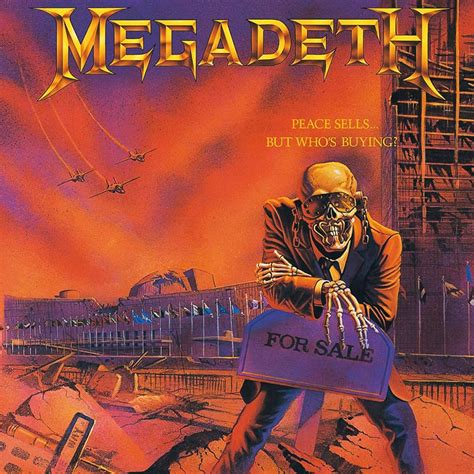
Fired from Metallica in 1983, Dave Mustaine quickly formed Megadeth and continued blazing a trail in the world of thrash metal.
While it must have pained Mustaine to know the success of Metallica’s Master Of Puppets led to Megadeth getting signed to a major label ahead of their second album, it opened Megadeth up to a wider audience and kicked off a run of five platinum albums for the band.
While not as extreme as Slayer’s Reign In Blood nor as melodic as Master Of Puppets, Peace Sells… is an important part of the story of metal, and how it became an unexpected force in the mid-80s.
Iconic Australians
1986 was quite a year for Australian music, though one album by a certain J Farnham overshadows everything else.
Whispering Jack — John Farnham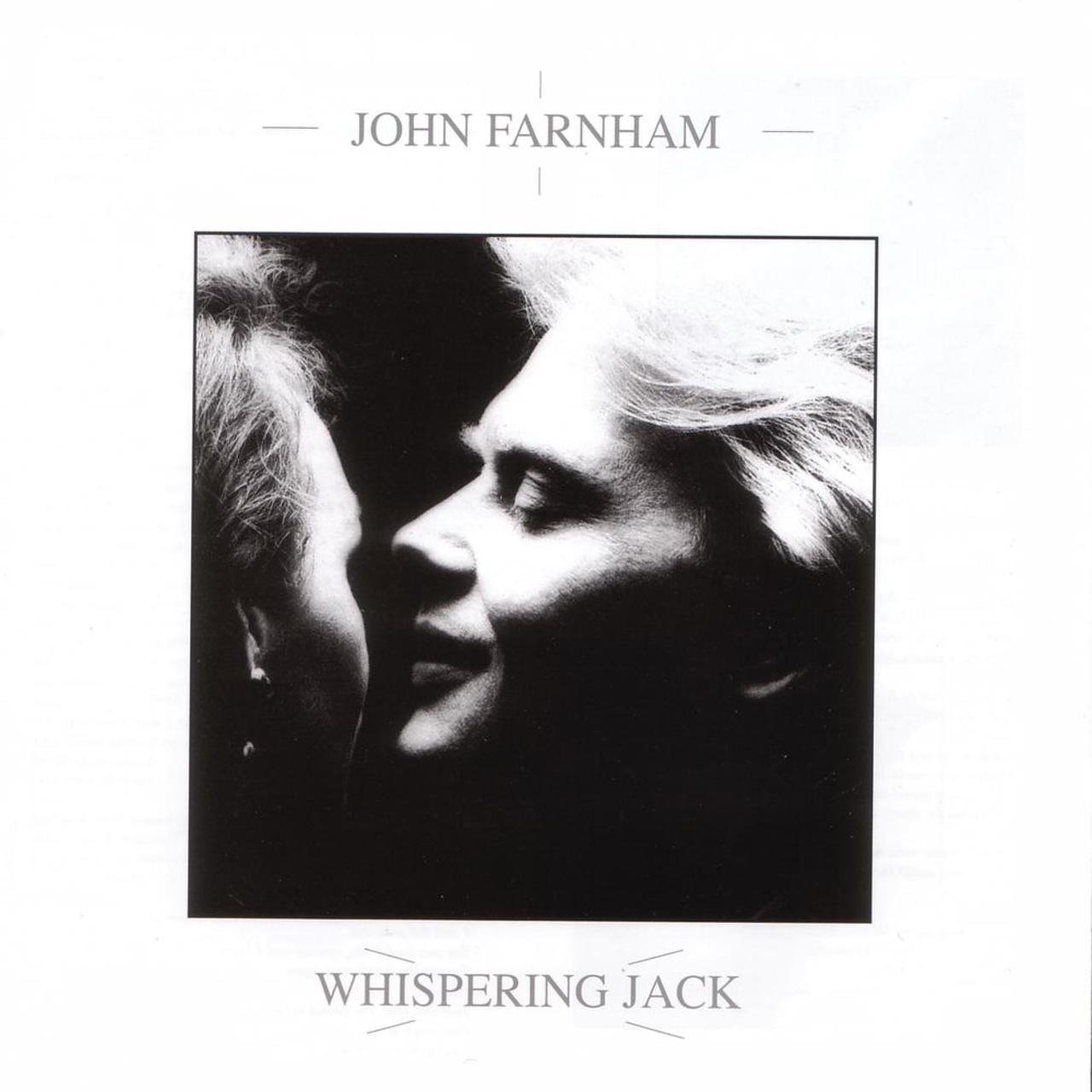
He’d been a teen idol and had an ill-fated stint fronting Little River Band, but by 1986, John Farnham was washed up and struggling to revive his career.
In a last-gasp effort, his manager Glenn Wheatley remortgaged his house to bankroll a solo album, and Farnham, producer Ross Fraser, and keyboard wizard David Hirschfelder sequestered themselves in Farnham’s garage, finally emerging with Whispering Jack, the biggest album by an Aussie artist that this country has ever seen.
Led by the mega-anthem You’re The Voice and subsequent singles Pressure Down, A Touch Of Paradise, and Reasons, Whispering Jack sold almost 1.7 million copies in Australia alone, spending 25 weeks at #1, and even went top five in Germany, New Zealand, Sweden and Switzerland.
Born Sandy Devotional — The Triffids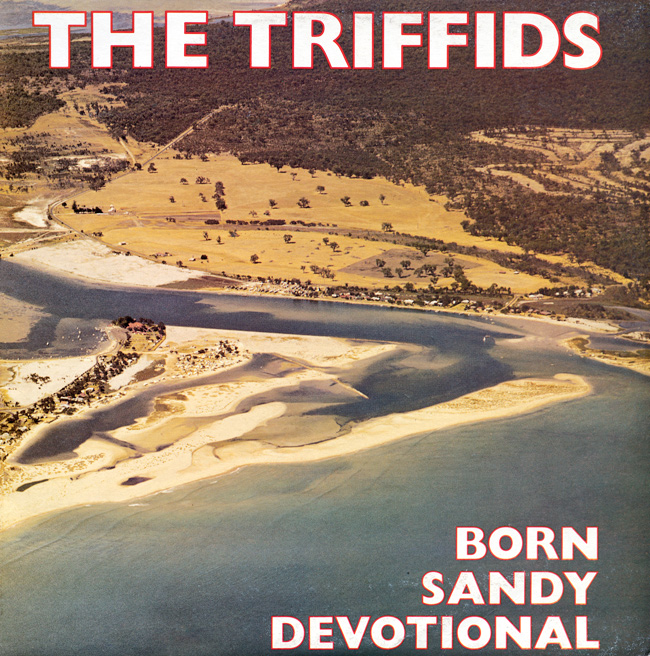
With its haunting tales set against the backdrop of the beaches and backroads of Western Australia, there is no other Aussie album quite like Born Sandy Devotional.
The Triffids had relocated to the UK, dead set on creating a “proper album” and not just a collection of songs — they succeeded beautifully, combining an intricate array of sounds (pedal steel, synths, strings, and vibraphone) with the band’s rock roots and the poetry of late frontman Dave McComb.
The album overflows with loneliness and suicide, of death and despair across songs such as The Seabirds, Chicken Killer, Tarrilup Bridge, and Lonely Stretch, and among them is one of the greatest Australian songs of all time, the heartbreaking Wide Open Road.
Human Frailty — Hunters & Collectors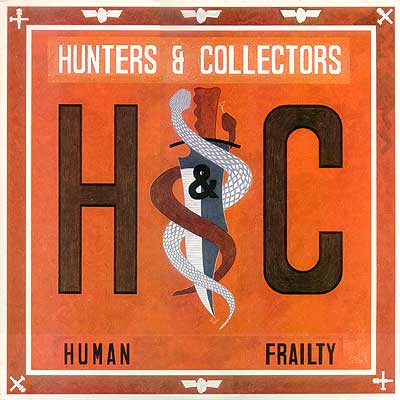
Emerging from Melbourne’s pub-rock scene, the “Hunners” had shed their krautrock-infused post-punk origins by their fourth studio album, with frontman Mark Seymour admitting to triple j he had told his bandmates “we should try and make a commercial record”.
Boasting a cleaner sound, Human Frailty bubbles with the ups and downs of Seymour’s relationship at the time, and became the band’s first top 10 record.
While Say Goodbye’s refrain “you don’t make me feel like I’m a woman anymore” made it a fan favourite, it’s the second single Throw Your Arms Around Me that has become an Aussie classic, and is the only song to appear in six different triple j Hottest 100s (seven if you count Paul McDermott’s glorious cover).
Gossip — Paul Kelly & The Coloured Girls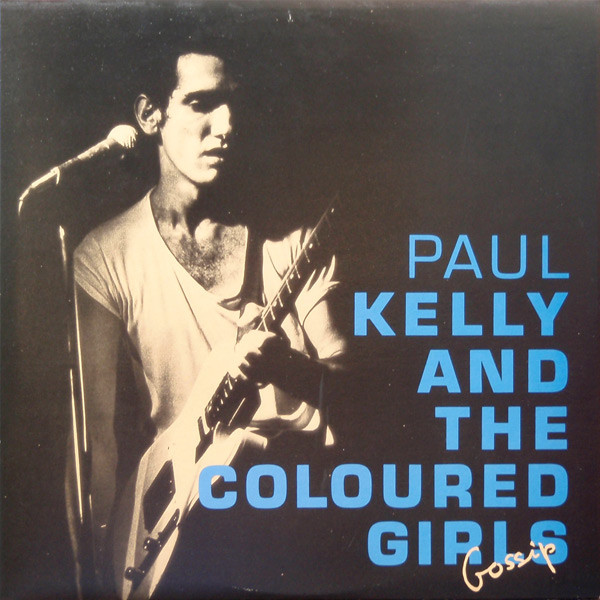
Despite failing to chart in Australia with his previous two albums, Kelly threw caution to the wind and released a double album.
The gamble paid off, giving him his first top 20 album and his first top 20 single in Before Too Long.
The album also boasts Darling It Hurts (one of only two PK songs to do anything in the US), Leaps & Bounds, and Look So Fine, Feel So Low, but the great thing about Gossip’s bloated tracklisting is everyone has a favourite Kelly song buried somewhere among the 20 non-singles.
Crowded House — Crowded House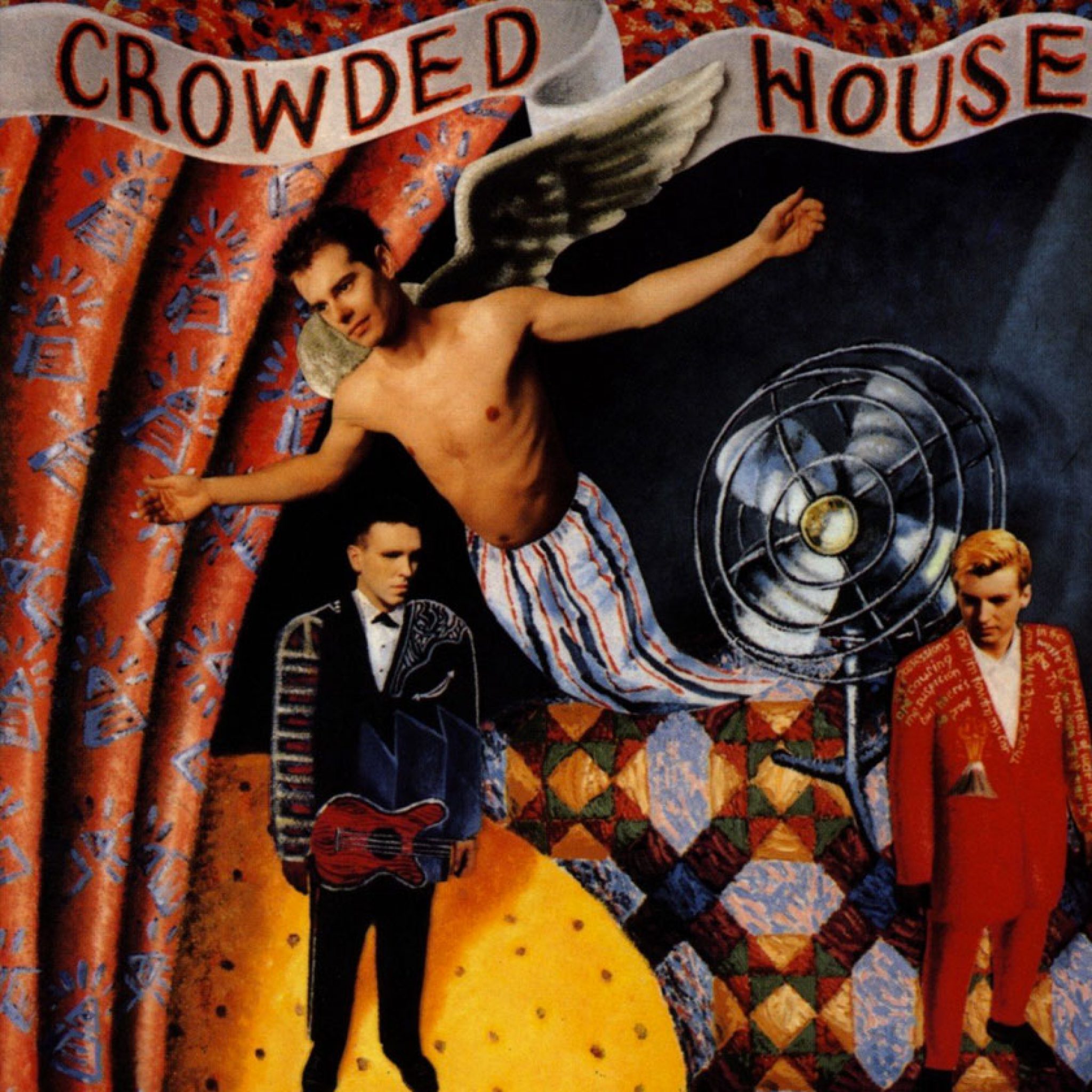
Obviously no slouch given the hits he’d written for Split Enz, it’s still kinda amazing how many incredible tunes are on Crowded House’s eponymous debut.
Any album that boasts Mean To Me, World Where You Live, Now We’re Getting Somewhere, Something So Strong, and, of course, Don’t Dream It’s Over, is a bona fide classic.
But the fact that it also includes Love You ‘Til The Day I Die and Hole In The River (and a cracking rendition of the Split Enz song I Walk Away on some versions) shows the incredible depths of Finn and co’s talent.
Cult favourites
Chart success isn’t everything, and the ’80s are filled with bands that didn’t sell millions, but did something even more important — they inspired a whole generation of fans and musicians.
1986 is particularly filled with great influential releases from cult acts; bands such as They Might Be Giants, Talk Talk, Billy Bragg, Depeche Mode, The The, Bad Brains and Sonic Youth.
But here are six particularly important records.
The Queen Is Dead — The Smiths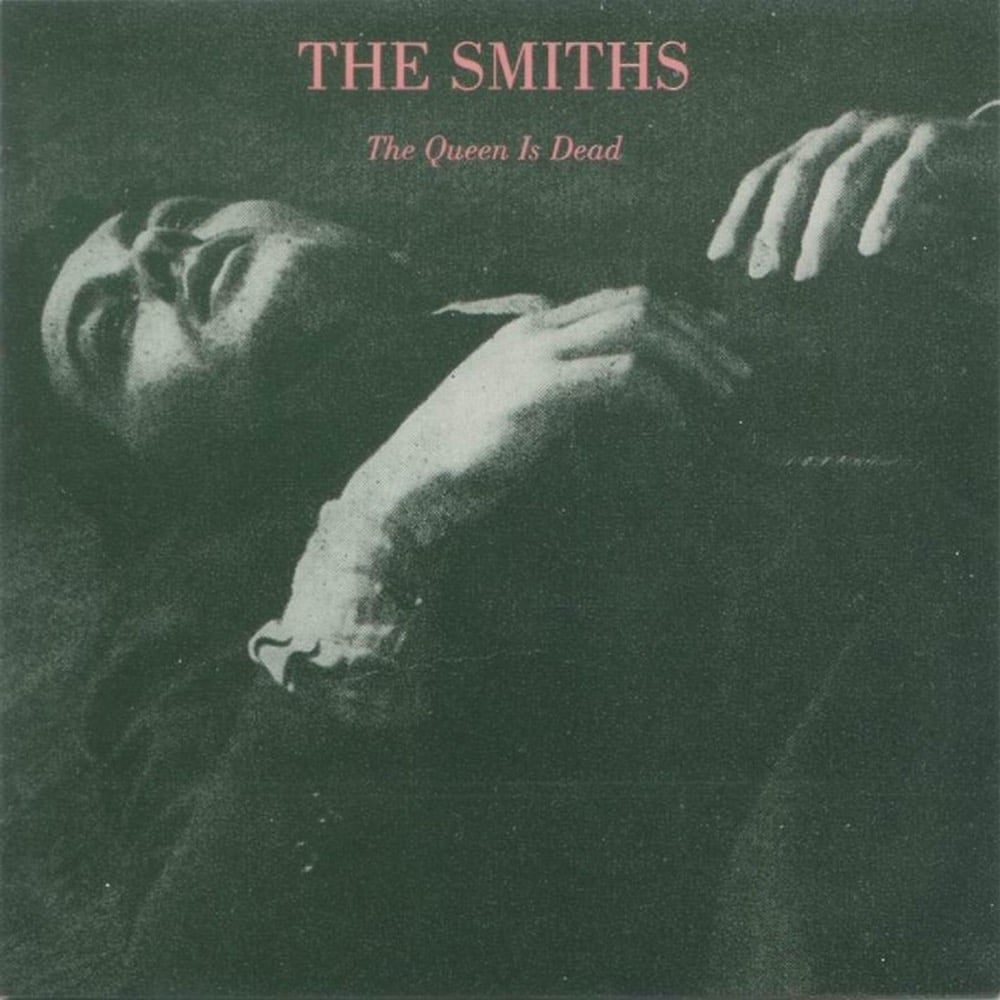
Together for just five short years, The Smiths left a huge legacy across four albums and two dozen-or-so singles, influencing the likes of Jeff Buckley, Radiohead, Blue, Oasis, The Stone Roses, Arctic Monkeys, The Weeknd and more.
The Smiths sounded like no one else, thanks to Johnny Marr’s chiming guitarwork and Morrissey’s melancholy croon, and it all sounds as good today as it did when their third album The Queen Is Dead was released.
Highlights include I Know It’s Over, Bigmouth Strikes Again, The Boy With The Thorn In His Side, and the all-time classic There Is A Light That Never Goes Out.
Skylarking — XTC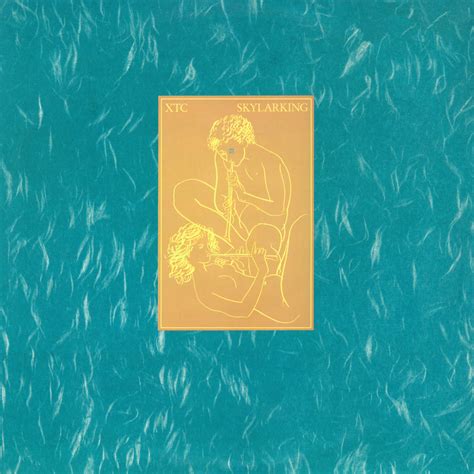
Arguably one of the unluckiest bands in history, fans of cult favourites XTC will tell you most of their albums are great, but this one is probably their greatest.
A concept album of sorts, its song cycle spins through a year or a lifetime or a single day, depending how you look at it, and does it all with flourishes of psychedelia, power pop, rock, jazz and orchestral music.
Oddly, the album’s biggest hit was the b-side Dear God, an atheistic pop-rock epic belatedly added to the record, which already featured overlooked gems such as Earn Enough For Us, Grass, The Man Who Sailed Around His Soul, and That’s Really Super, Supergirl.
Throwing Muses — Throwing Muses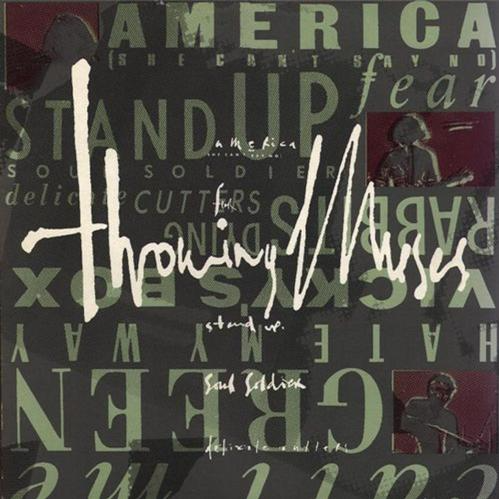
In 1001 Albums You Must Hear Before You Die, rock writer Bruno MacDonald aptly called this “the missing link between Siouxsie & The Banshees and PJ Harvey”, its “spiky sound and psychotic lyrics… [conjuring] beauty from chaos”.
Led by the wild energy of guitarist/vocalist Kristin Hersh, the band were the first American act to sign to influential British label 4AD, and helped shape the burgeoning “alt-rock” scene.
While they wouldn’t start finding success until the early ’90s, the template for their sound — a haunting mix of hooks and fury — can be found in their fascinating debut.
Candy Apple Grey — Hüsker Dü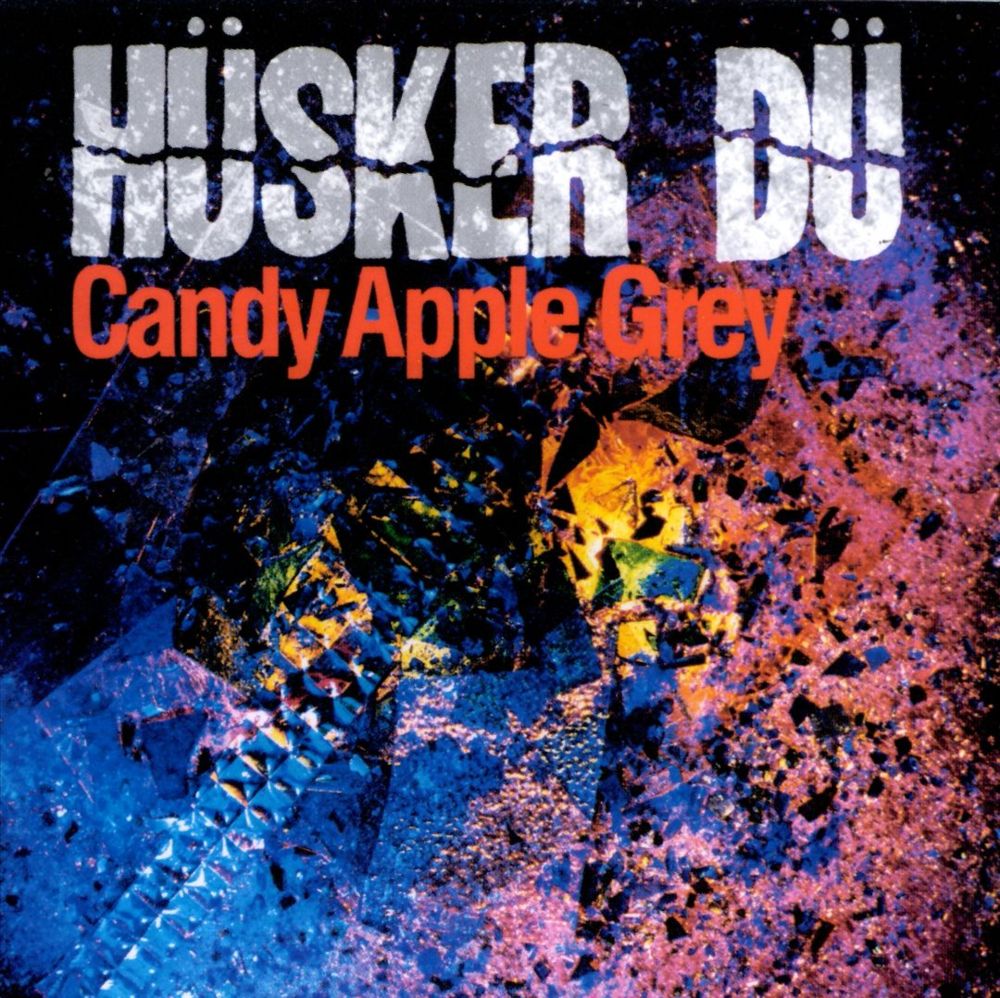
After six years of relentless touring and releasing albums through indie labels, Minnesota trio Hüsker Dü slowed down their hardcore punk inclinations and upped the melodies for their major label debut.
Boasting their biggest hit Don’t Want To Know If You Are Lonely, the record was another one that influenced the emerging alternative-rock sound, as well as the likes of Nirvana, Pixies, Goo Goo Dolls, and Green Day.
The band would combust after just one more album, but Candy Apple Grey’s minor chart success in the UK and US, plus MTV play, helped edge the American underground scene closer to mainstream interest and acclaim.
Pretty Little Baka Guy — Shonen Knife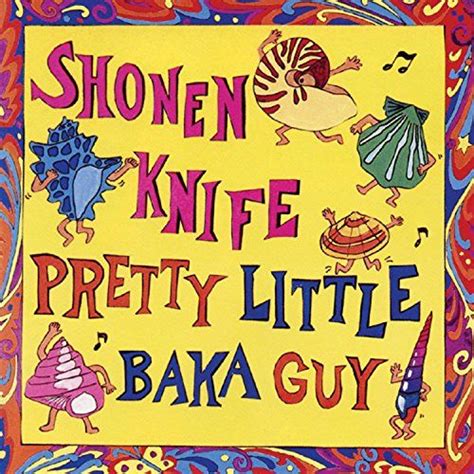
In the mid-’80s, Japanese trio Shonen Knife became every American indie kids favourite non-Western rock band.
Boasting an utterly charming combination of delirious melodies with ’60s-influenced rock riffs and pop progressions that they continue to this day (22 albums and still going strong), their songs about chocolate, ice cream, bisons and everyday Japanese life spread through the US via Washington labels K Records and Sub Pop.
Pretty Little Baka Guy was one of their first records to get a wide release outside of Japan, and just a few years later, they would be opening for Nirvana on a European tour, and winning over even more fans.
Lifes Rich Pageant — R.E.M.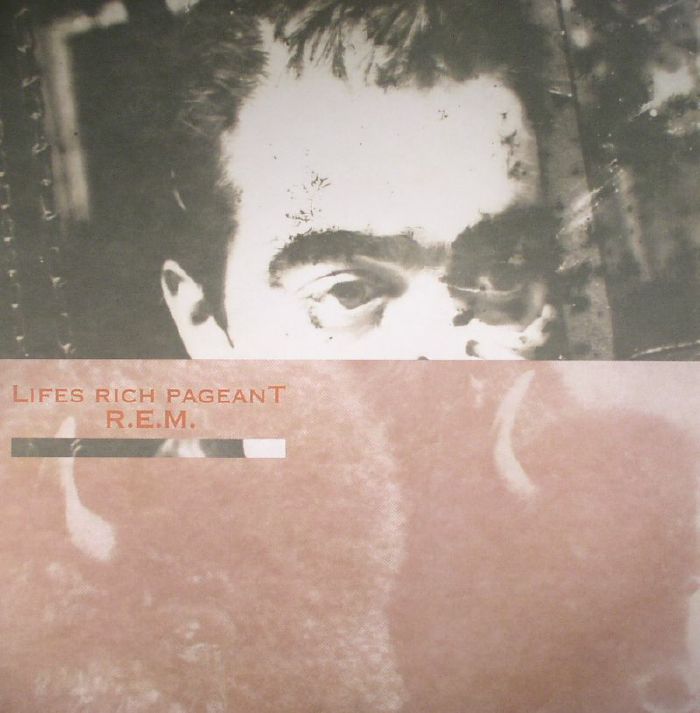
R.E.M.’s fourth album in as many years was a breakthrough and one of the first American alt-rock records to sell half a million copies, spending an impressive 32 weeks in the Billboard charts.
Lifes Rich Pageant (yes, without the apostrophe) was also the Georgian band’s first album to chart in Australia, and is generally considered by fans and critics to be one of their best records.
Though the band would properly explode internationally the following year with Document and its lead single The One I Love, tracks like Fall On Me, Superman, and Begin The Begin signified what an incredible band they were becoming.
Soundtracks
In the wake of Saturday Night Fever selling an estimated 40 million copies a decade earlier, soundtrack albums had never been bigger.
While 1986 wasn’t exactly a banner year for movies, it did yield a few great soundtracks.
Top Gun — various artists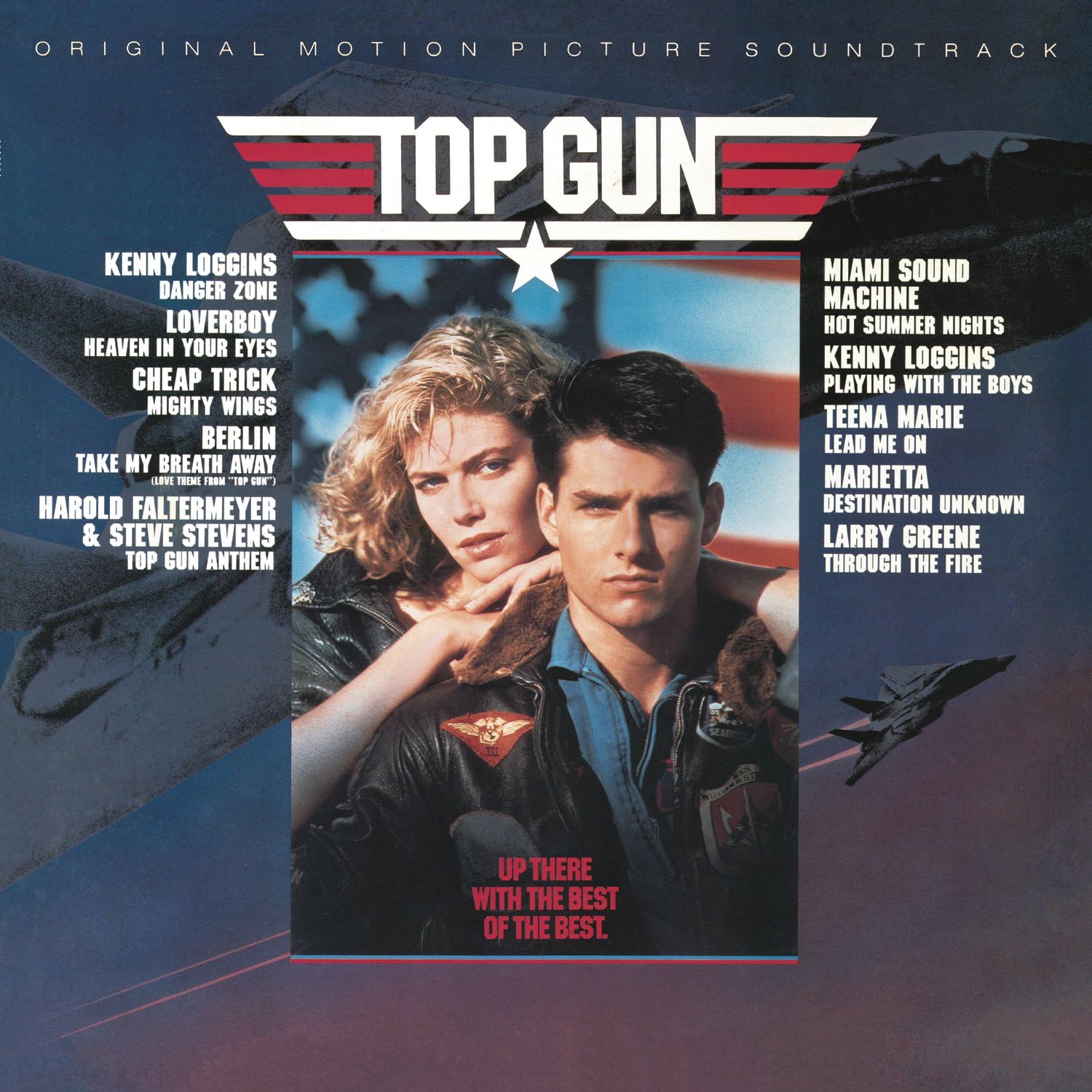
The soundtrack to Tom Cruise’s action-packed fighter pilot recruitment video reportedly sold over 12 million copies, making it the fifth biggest-selling release of 1986.
The two biggest tracks on the album were penned by Giorgio Moroder and Tom Whitlock — the suitably bombastic Danger Zone (one of two Kenny Loggins tracks on the album) and the epic ballad Take My Breath Away, which give synth-pop band Berlin its biggest hit.
Oddly some of the older songs associated with the film, such as You’ve Lost That Lovin’ Feeling and Great Balls of Fire, were only added to the soundtrack album for its 1999 re-release.
Parade – Music From Under The Cherry Moon — Prince & The Revolution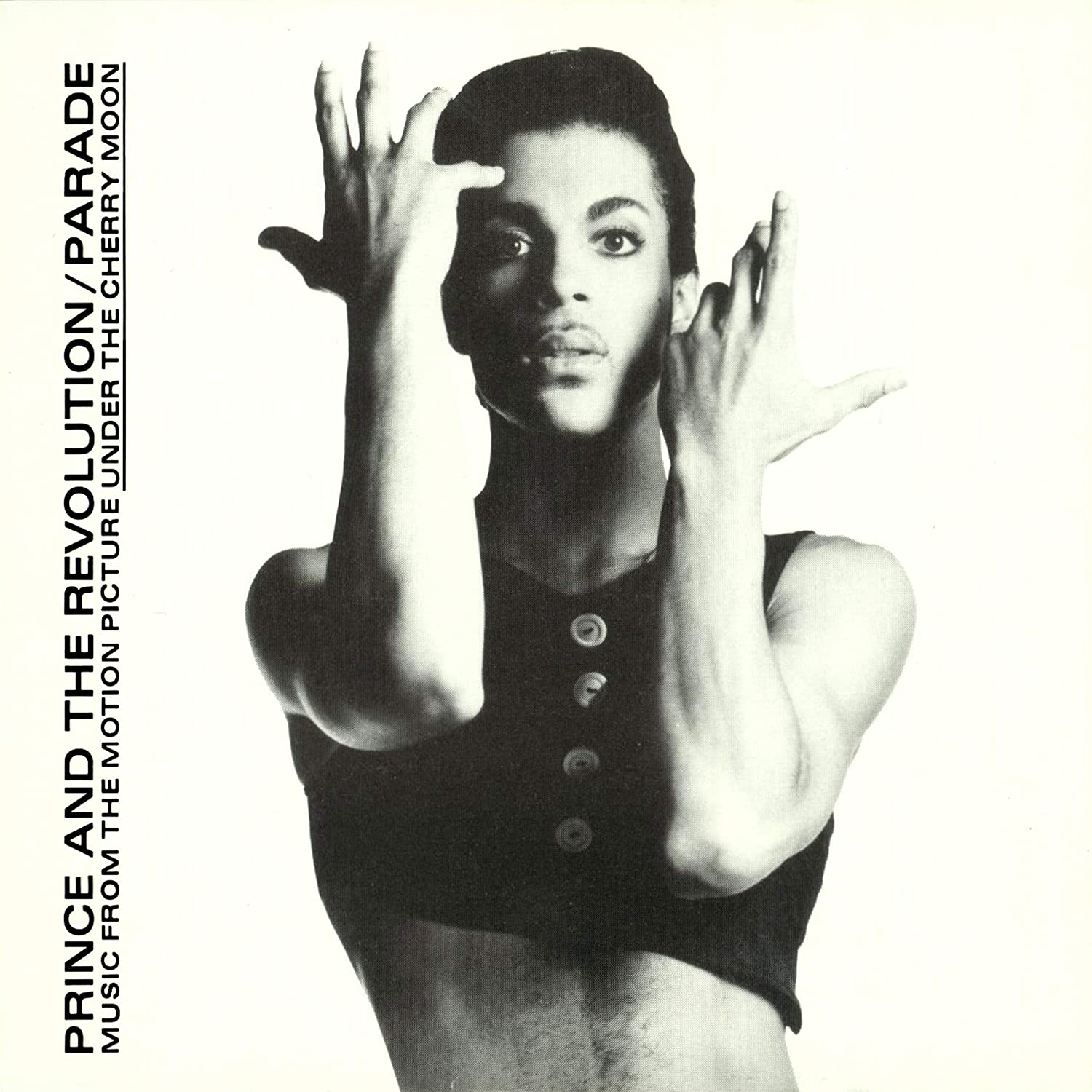
While Under The Cherry Moon was a bomb, tying with George Lucas’ ill-fated Marvel adaptation Howard The Duck for worst film at the ’86 Razzie Awards, the soundtrack album was a different matter.
Parade went top 10 around the world, reportedly selling over 4.5 million copies and being declared the best album of 1986 by NME.
Despite lacking a big hit other than Kiss, Parade is generally ranked among the top Prince albums in his very extensive back catalogue.
Footrot Flats – The Dog’s Tale — Dave Dobbyn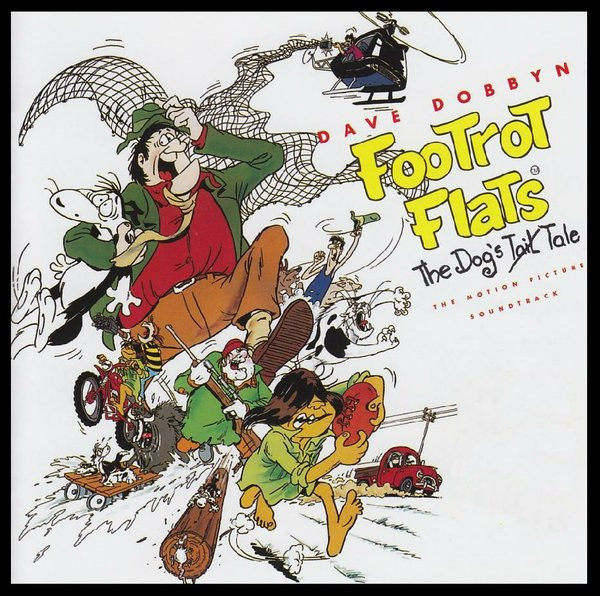
The animated adaptation of Murray Ball’s beloved rural cartoon strip was New Zealand’s biggest movie ever at the time, and as a result, the soundtrack’s lead single Slice Of Heaven became NZ’s unofficial national anthem (sing it now “Dah dah dap-oom-boom…”).
Dave Dobbyn’s impossibly catchy track spent eight weeks at #1 in New Zealand, and four weeks at #1 in Australia, and the soundtrack’s follow-up single, the under-rated You Oughta Be In Love, made it to #2 in NZ.
Not bad for a couple of songs about a cartoon sheepdog.