
SPRINGVILLE — Almost everyone has been caught off guard by a spam call, with telemarketers trying again and again to grab a person’s attention.
Seniors are especially vulnerable to these calls.
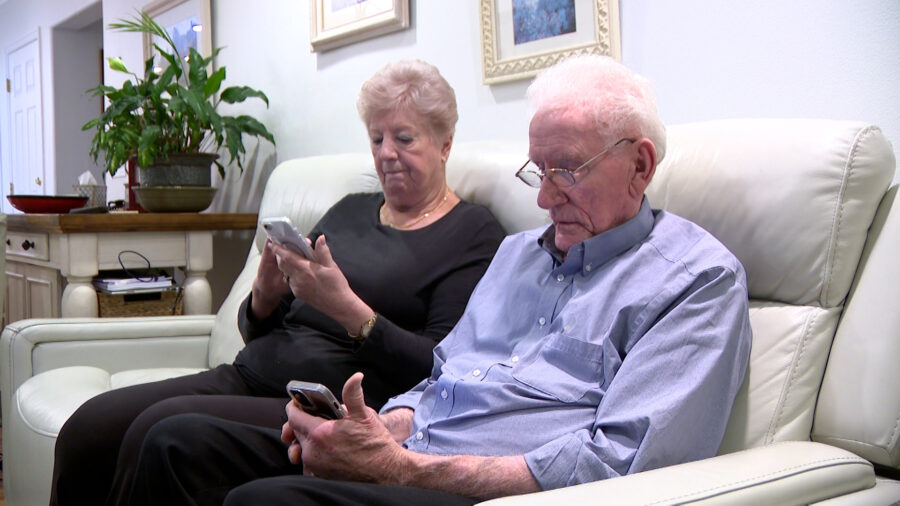
John Stone and Ann Johnson-Stone are in their 80s and trying to enjoy their retirement, but said the scam phone calls have become extremely disruptive. They said they get more than 50 calls a day on just one of their cell phones, plus additional calls on their landline.
“It’s just constant. We can’t have a meal. We can’t do anything without these calls coming through,” Stone said.
They said it’s hard to know which calls to answer. “We’ve got family and lots of things going on and a lot of doctors involved with our care and so, you know, it’s hard because we have to answer some of the calls,” Johnson-Stone said.
Experts have said the number one thing people can do to reduce spam calls is to stop answering the phone.
Katie Hass, Director of the Utah Division of Consumer Protection, said, “Once you start answering some of these calls, you almost get into an algorithm where these robocall, farm, type places share your number because you’re more likely to pick up.”
If it’s a real person or a doctor’s office, they will usually leave a message and people can know to call them back.
Utah’s Division of Consumer Protection also recommended adding your name to the Do Not Call Registry operated by the FTC.
“There are hefty fines and penalties that come with anyone just placing a phone call to you that is a telemarketer,” if your name is on that list, Hass explained.
It takes 45 days for the Registry to update with a person’s number once they have added it.
Experts also recommend reaching out to phone providers to see what they recommend for specific phone models and plans.
Read more: Find out how to protect yourself from scam text messages