
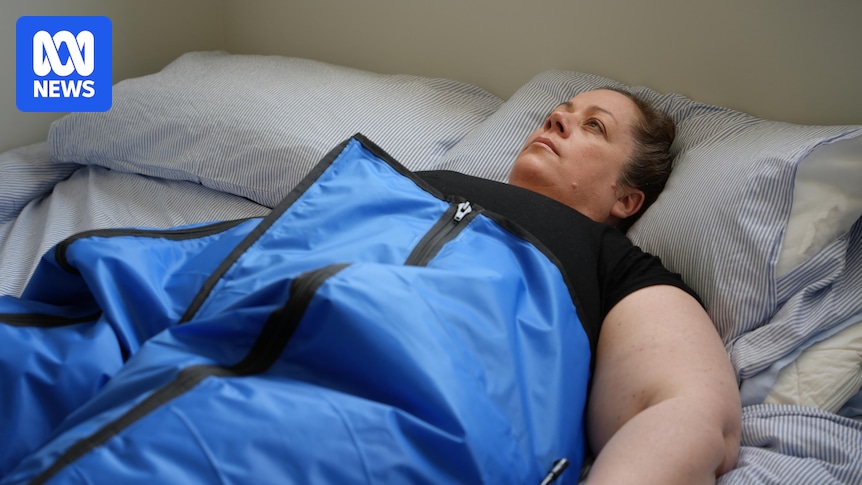
About three years ago Karen Kinnersley made the gut-wrenching decision to leave her much-loved Darwin home and relocate to Victoria — a place she had left two decades prior.
While living in the NT capital, Ms Kinnersley had been diagnosed with lipoedema, but had failed to find a Darwin-based medical specialist who understood or could treat the disease.
“I loved it up there [in Darwin], my three kids were there, all my friends, but my health was declining, so I really needed to prioritise my health and access [to] services,” she said.
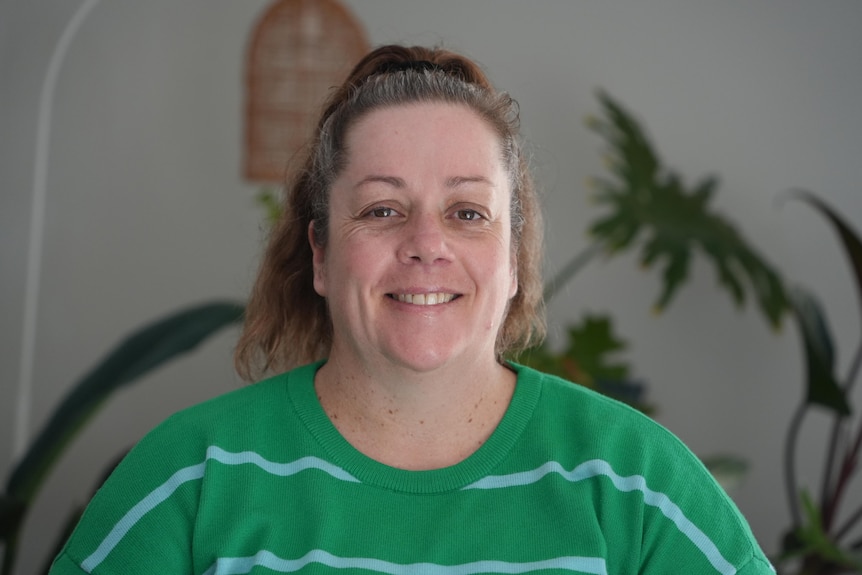
Karen Kinnersley says lipoedema is an expensive condition to manage. (ABC News: Harrison Tippet)
Ms Kinnersley has stage 3 lipoedema, a chronic hereditary medical condition affecting 11 per cent of people assigned female at birth.
It causes abnormal build-up of fatty tissues around the arms, hips, and legs and can lead to immobility.
Advocates say the condition is relatively unknown across Australia due to a lack of research, which sees those diagnosed with it spend thousands of dollars on treatments and therapeutics in hopes of maintaining their mobility.
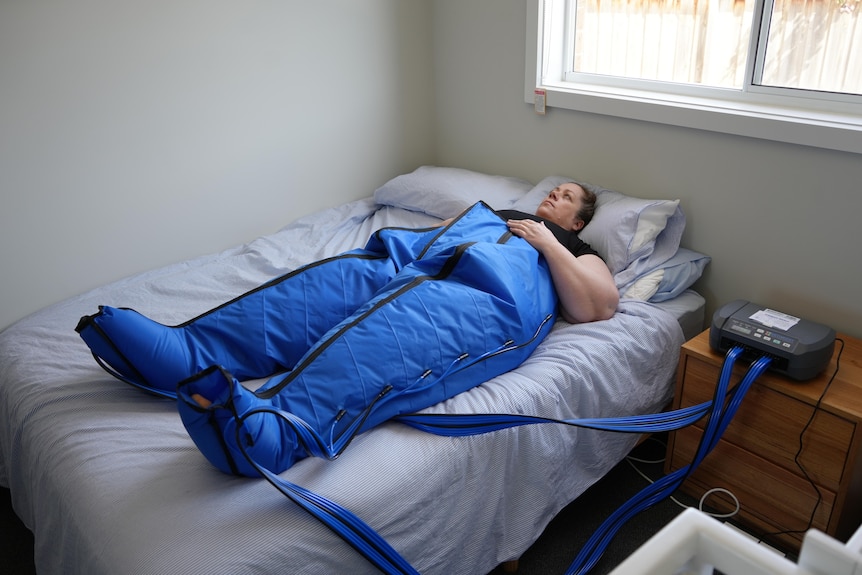
Karen Kinnersley’s weekly treatments cost between $100 and $140. (ABC News: Harrison Tippet)
Lack of services ‘disheartening’
Jen Bartlett, director of Lipoedema Australia, said it was “disheartening and disappointing” that there’s a lack of services for women across the country.
She said more research funding for the condition would lead to a greater understanding about its prevalence in the community.
Long-term Darwin resident Leah Potter, who has stage 4 lipoedema, believes this lack of specialist services is forcing people to battle the condition in isolation.
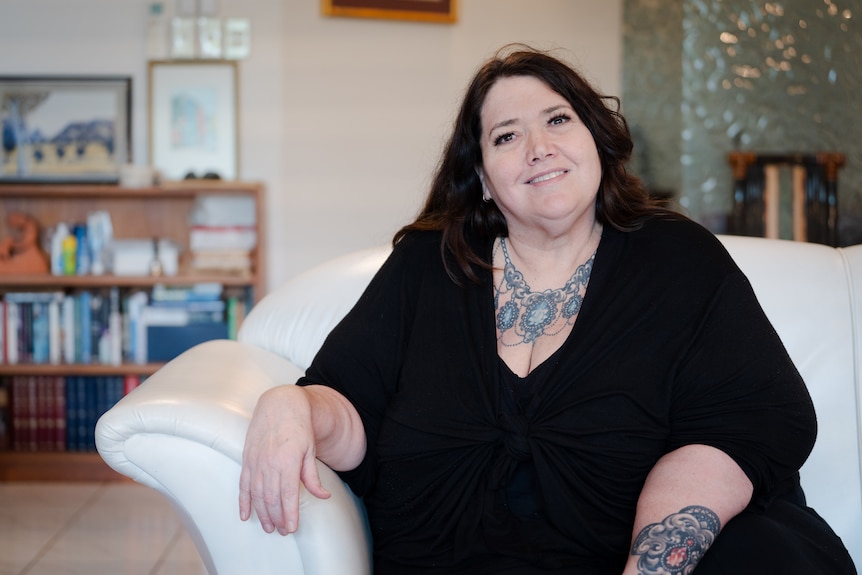
Leah Potter has stage 4 lipoedema and wants to improve community awareness of the condition. (ABC News: Michael Franchi)
Ms Potter said most people with the condition lived in pain and shame, which compounded other underlying health issues.
“I keep telling my story to every medical professional I see, and they don’t seem to know about [lipoedema] or even believe me,” she said.
Ms Potter said people in Darwin with lipoedema often relied on telehealth, which could be very expensive.
Other women with lipoedema told the ABC that Darwin’s humid climate posed another challenge, but the biggest issue was the absence of formal and informal support groups.
Research funding is critical
Ms Bartlett, from Lipoedema Australia, said more research into the condition would help the charity submit an application for support from Medicare.
“We are missing key pieces of data that would help with that application,” she said.
She said although some people with lipoedema could access the compression garment scheme, people with the condition needed more support.
“I would like to see Medicare coverage … for things like lymphatic drainage, compression therapy in every state,” she said.
“Being able to access private health insurance to cover hospital stays … would be really important.”
A spokesperson from NT Health said its occupational therapy departments at the Royal Darwin and Palmerston Regional hospitals provide specialist assessment and management options for patients with lipoedema.
“Patients are provided with a self-management plan tailored to each individual, which may include skin care, compression pumps and garments, lymphatic drainage, exercises, education and referrals to additional allied health providers for further care and support,” they said.
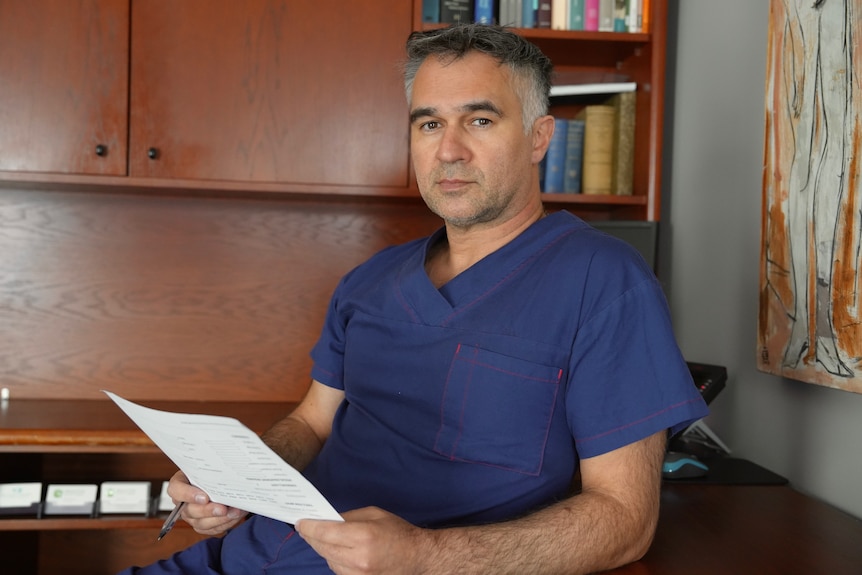
Ramin Shayan says it is important not to dismiss patient concerns. (ABC News: Kyle Harley)
Melbourne-based plastic surgeon Ramin Shayan, who specialises in reconstructive treatments, wants to see more education for medical professionals.
He said dismissing patients’ concerns could worsen their psychological distress.
“I think it’s the psychological impact of telling people that you need to go away and lose weight when in fact… what we’re talking about is not susceptible to normal weight loss measures,” he said.
“There is the implication people are … being told that there’s something wrong with them, that you’re guilty of being lazy or gluttonous when actually it’s a real pathological disease that’s very harmful.”
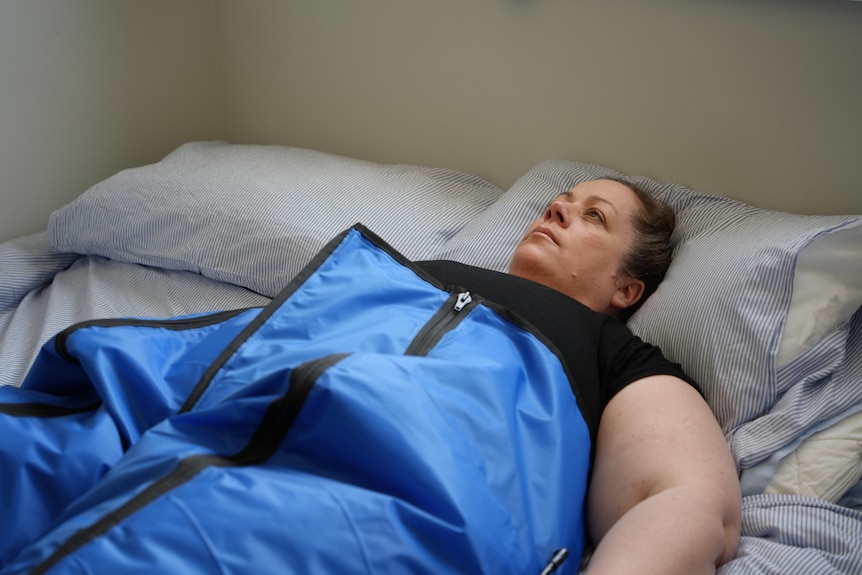
Karen Kinnersley says her health started to decline before leaving the NT. (ABC News: Harrison Tippet)
Back in regional Victoria, Ms Kinnersley is spending between $100 and $140 for her weekly treatments.
Both Dr Shayan and Ms Kinnersley urged people who suspected they had lipoedema to seek early diagnosis and treatment, which could save them pain and money in later years.
To afford the surgeries she will need in future, Ms Kinnersleyis being forced to dip into her retirement fund.
“It’s a really expensive condition to manage, and the only way I am going to access surgery is to dip into my superannuation,” she said.
She worries about that decision to use her entire superannuation, which she said will leave her reliant on her family, health, and welfare systems.