
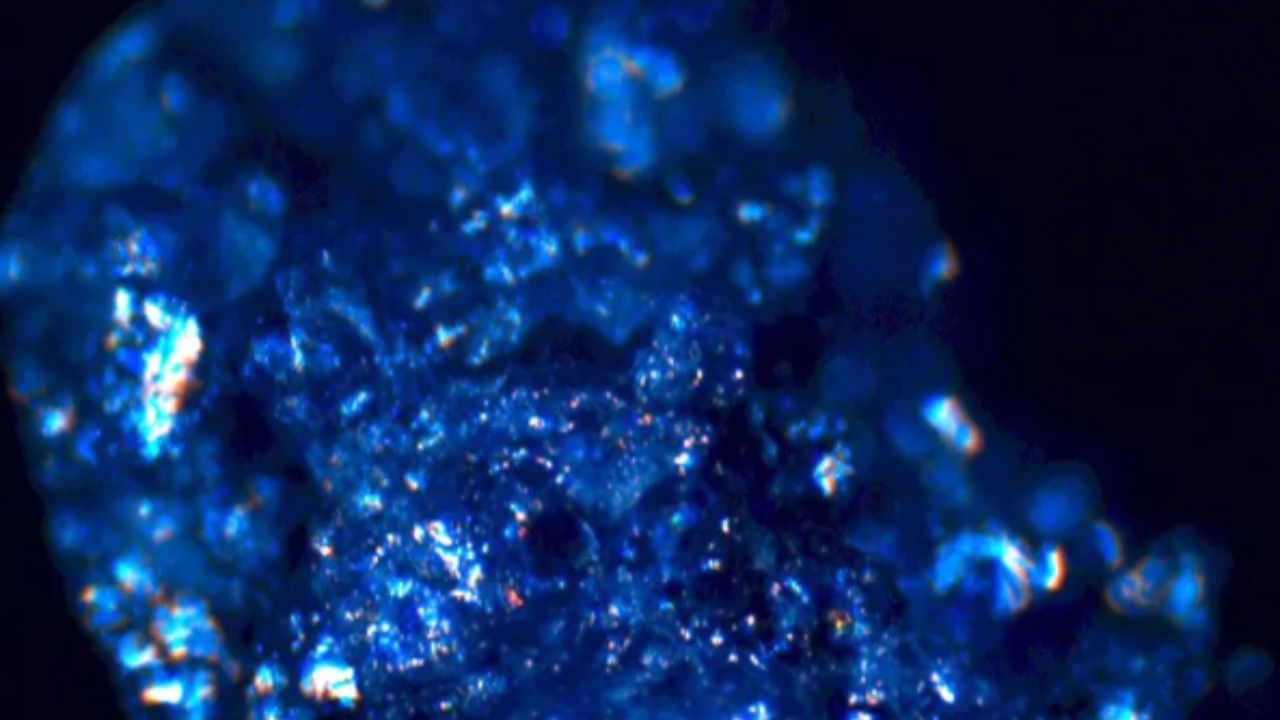
Deep beneath the surface of our planet, scientists have uncovered evidence of a colossal water reservoir that rivals the oceans we sail and swim in, yet no vessel will ever chart its depths.
According to econews, at roughly 700 kilometres beneath Earth’s crust, researchers have detected an enormous volume of water locked inside deep mantle rock. This subterranean reservoir could hold up to three times more water than all of Earth’s surface oceans combined, reshaping how scientists understand the planet’s internal structure and long-term water cycle.
Cape {town} Etc Discount Alert! Unlock Cape Town’s best experiences for half the price! From unforgettable adventures to hidden gems and mouthwatering restaurants, these limited-time deals won’t last long. Snag your discount before they’re gone!
This so-called hidden ocean is not a liquid sea in the conventional sense. Instead, the water exists within a blue, high-pressure mineral called ringwoodite, where water molecules are trapped inside the crystal lattice under intense heat and pressure. Think of it less as an underground lake and more as a vast sponge embedded deep inside Earth’s transition zone, the boundary layer between the upper and lower mantle.
The discovery emerged through the analysis of seismic waves generated by hundreds of earthquakes and recorded by more than 2,000 monitoring stations around the world. These waves behave differently when they pass through water-rich rock, slowing slightly and changing direction. By mapping these subtle variations, geophysicists were able to infer the presence of a massive water-bearing layer far below the surface.
Beyond its sheer scale, the finding may help resolve long-standing questions about where Earth’s water originated. For decades, scientists have debated whether water arrived primarily via icy comets and asteroids or whether it formed internally during the planet’s early development. The existence of such a deep reservoir suggests that a significant portion of Earth’s water may have been stored internally and recycled through tectonic processes over billions of years.
While this hidden reserve remains inaccessible due to crushing pressure and extreme temperatures, its influence may be profound. It supports the idea of a deep internal water cycle that complements the familiar surface cycle of evaporation, rainfall, rivers, and oceans. This internal circulation could help regulate geological activity and contribute to Earth’s long-term stability.
As seismic imaging technology continues to improve and global monitoring networks expand, scientists hope to determine whether similar water-rich zones exist beneath other regions of the planet. Each new dataset offers the potential to refine our understanding of Earth’s formation, the movement of water through its interior, and the delicate systems that make the planet habitable.
Be the first to know – Join our WhatsApp Channel for content worth tapping into! Click here to join!
Also read: