
I’ll never forget the moment when, at age 12 at my grandparents’ home, I found a book on the Holocaust and the Jews of Bulgaria. Like so many other Jews in Israel and around the world who had similar childhood experiences, whether it was hearing a family story, reading an article in the press, or, as in my case, finding a book, that was the moment when I was first exposed to the story of the worst chapter in our people’s history.
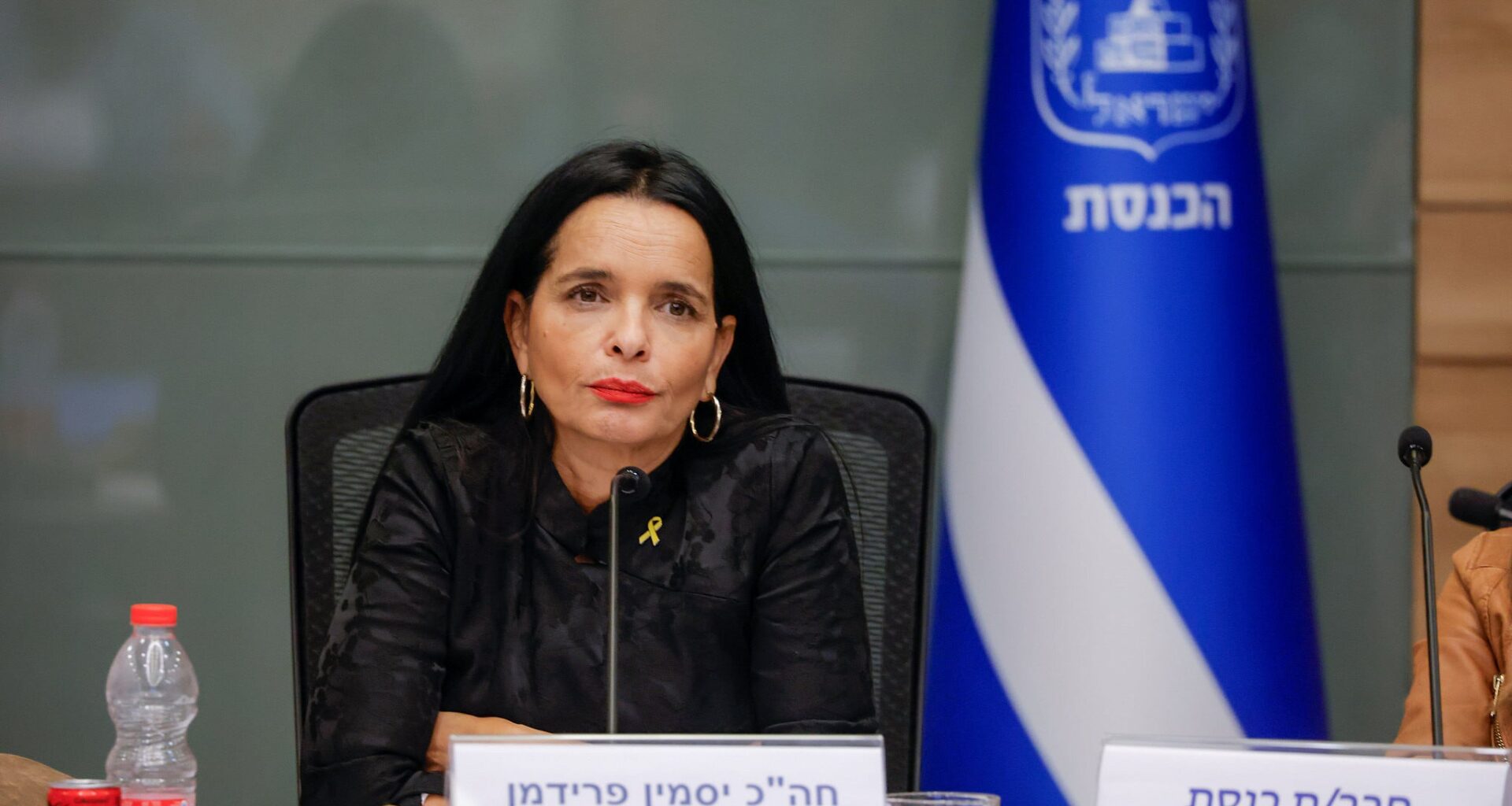
Fast forward forty years, and I was elected to serve as Chairwoman of the Knesset’s Special Committee on the Treatment of Holocaust Survivors. Our committee has not only a task of historic and moral importance, but one that differs from that of nearly every other committee in the Knesset: It’s a very defined task with a tragically short horizon. Making sure the approximately 112,000 Holocaust survivors and victims of antisemitic persecution living in Israel today can live out their lives in dignity, health, and security. How we rise to meet this challenge is a legacy that will stay with us as Israelis and as Jews for generations to come.
These survivors face a variety of challenges, and in an often polarized Knesset, it is up to us – opposition and coalition – to come together and meet them head on. On the financial front, one remedy this government must consider in order to reduce unacceptable levels of poverty among survivors is to ensure the existing surplus resulting from the passing of Holocaust survivors (an estimated NIS 300 million – $95.3 million) is used to increase funding for those who are still with us. State policy currently dictates that these funds be returned to the treasury, but keeping these funds allocated to survivors who are still with us could lift thousands out of poverty.
As a veteran of many battles related to public housing in my hometown of Beer Sheva, I am also acutely aware of the housing issues that so many of our survivors face, and our committee must work quickly and responsively to address these as well. We also all read with great sadness in November about the passing of Ruth Haran Hertzman z”l, a Holocaust survivor who also survived the October 7th massacre at Kibbutz Be’eri. That day, her son Avshalom z”l was murdered, and multiple members of her family were taken captive into Gaza. Hundreds of Holocaust survivors were residing in the Gaza border region on that horrific day, and many still live there today. They deserve and require our care and attention.
The Holocaust Survivors’ Rights Authority and civil society organizations are doing tremendous work, but among the lessons of the last few years in Israel is that such work is not a replacement for responsible, focused leadership and oversight from the political level. As committee chairwoman, I look forward to building on the work of my esteemed predecessor, MK Meirav Cohen, to ensure the committee continues its leadership on this front. Thinking back to the book I found in my grandparents’ home four decades ago, we will work to make sure the final chapter in the lives of our survivors is one of dignity, safety, and respect.
Yasmin Sacks Fridman is a member of Knesset for Yesh Atid, a resident of the Negev and a former Beer Sheva City Councilwoman. In the Knesset, her work focuses on closing socioeconomic gaps in Israeli society, supporting Holocaust survivors, strengthening public housing and protecting animal rights.