
NASA is planning on rolling out the Space Launch System rocket and Orion spacecraft to the launch pad on Jan. 17 for a launch as soon as Feb. 5, Space.com is reporting.
NASA’s Crawler-Transporter 2 vehicle will carry the SLS-Orion stack from the Vehicle Assembly Building (VAB) at Florida’s Kennedy Space Center to Launch Pad 39B for the first manned lunar mission in more than 50 years. The four-mile trip to the launch pad could take up to 12 hours.
“We are moving closer to Artemis II, with rollout just around the corner,” said Lori Glaze, acting associate administrator for NASA’s Exploration Systems Development Mission Directorate in a statement on NASA’s website. “We have important steps remaining on our path to launch and crew safety will remain our top priority at every turn, as we near humanity’s return to the moon.”
NASA said teams are working around the clock to close out all tasks ahead of rollout. The target date is subject to change if additional time is needed for technical preparations or weather.
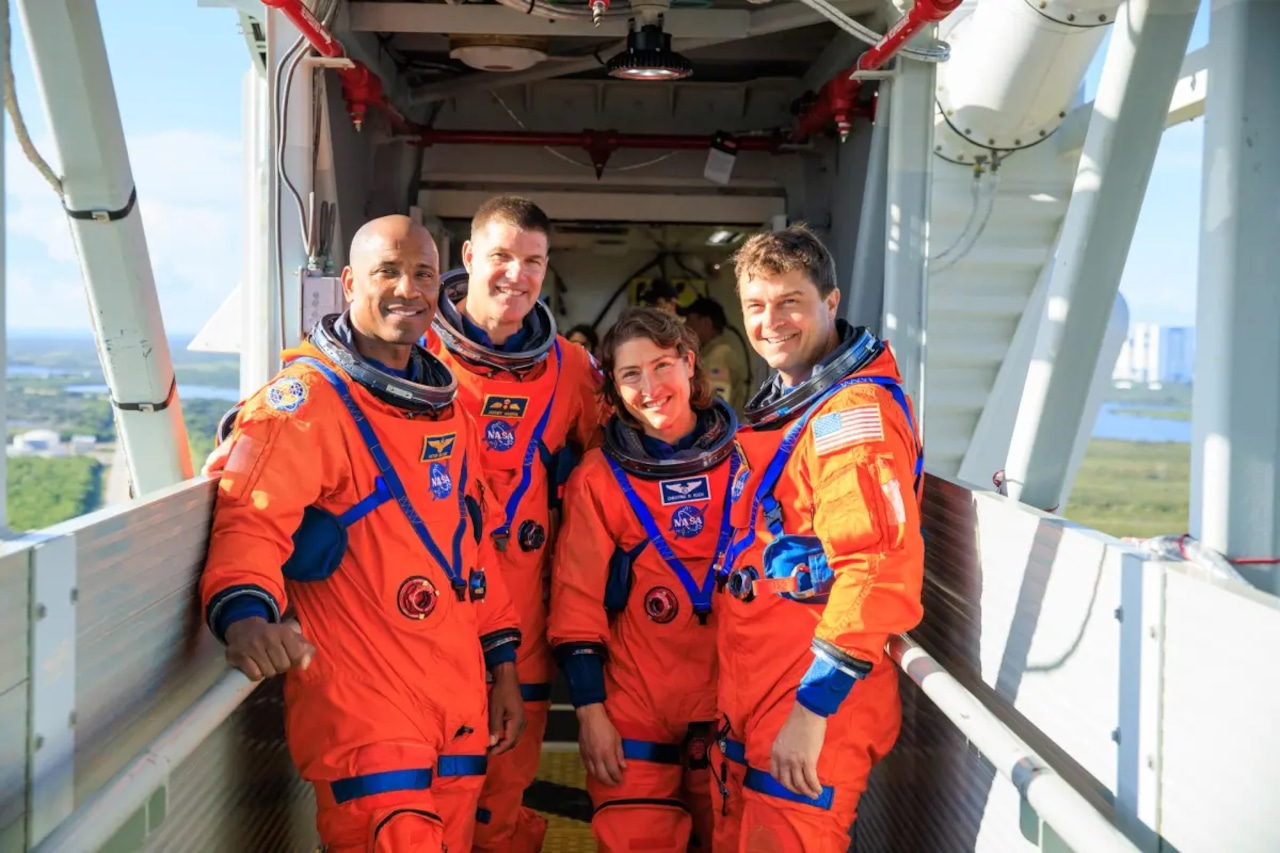
Artemis II will send four astronauts — NASA’s Reid Wiseman, Victor Glover and Christina Koch and Jeremy Hansen of the Canadian Space Agency — on a 10-day trip around the moon and back to Earth.
Huntsville’s Marshall Space Flight Center is playing a critical role in keeping the mission on target. Roger Baird, associate director at Marshall, told those attending the Redstone Arsenal update last month that Marshall has been involved with critical tests and reviews.
“Marshall leads the development, integration and operation of SLS (Space Launch System), ensuring this powerful system is ready for the challenges of crewed missions beyond earth orbit,” he said. “Artemis I, which was launched a year ago, was a successful test flight. The lessons we learned are getting us closer to returning astronauts to the moon. It’s been an exciting and busy year for SLS as we prepare for the upcoming Artemis II launch with our teams fully focused on ensuring a safe and successful flight for the crew.”
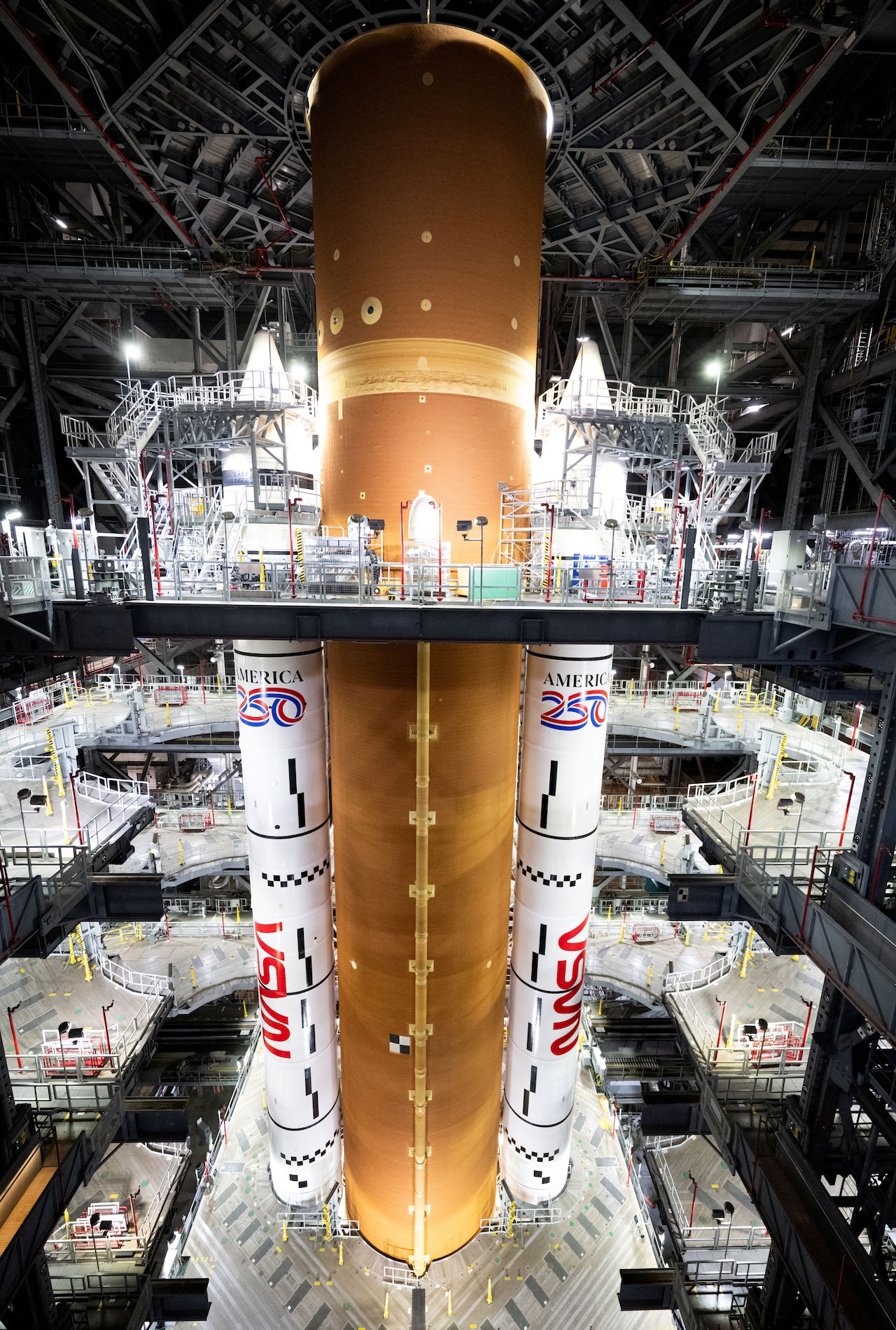 NASA’s SLS (Space Launch System) rocket is seen inside High Bay 3 of the Vehicle Assembly Building as teams await the arrival of Artemis II crewmembers to board their Orion spacecraft on top of the rocket as part of the Artemis II countdown demonstration test, Saturday, Dec. 20, 2025, at NASA’s Kennedy Space Center in Florida.NASA/Joel Kowsky
Marshall teams were involved in the stacking of solid rocket boosters and the assembly of the launch vehicle – named Integrity by the crew – last year.
“We powered up the vehicle, tested its systems and uploaded flight software for the onboard computers, ensuring every component is ready for launch,” Baird said. “Preparing the team is just as important as preparing the hardware.”
Baird said crews have been running full mission simulations for pre-launch, launch and ascent scenarios and managing challenging anomalies along the way.
Baird also said Marshall will play a key role in the launch and landing of Artemis III and beyond.
“When the next astronauts land on the moon, they’ll do it in industry-led human landing systems managed at Marshall,” Baird said. Baird said Marshall is partnering with industry “to develop landers to safely transport crews to and from the lunar surface and prepare for future missions to Mars.”