
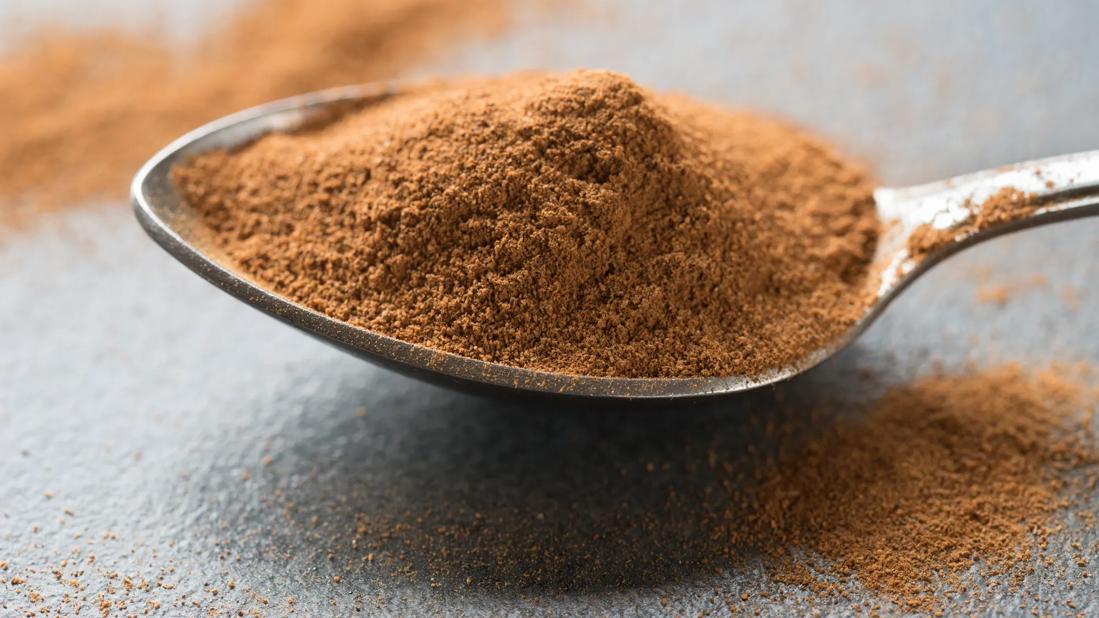
It’s a delicious and nutritious part of a balanced diet. But does cinnamon lower blood pressure? Cardiologist Luke Laffin, MD, explains why he (and many other experts) isn’t convinced.
Advertisement
Cleveland Clinic is a non-profit academic medical center. Advertising on our site helps support our mission. We do not endorse non-Cleveland Clinic products or services. Policy
Is cinnamon good for high blood pressure?
There’s little evidence that cinnamon reduces blood pressure. And the evidence that does exist isn’t strong enough to say it prevents or treats high blood pressure (hypertension).
“These are not large studies — and they’re not particularly well-done studies either,” Dr. Laffin reports. “Cinnamon might lower blood pressure a little bit in high doses, but relying on cinnamon alone for blood pressure management is unsafe and ineffective.”
So, why the hype?
People who argue in favor of cinnamon supplements usually do so because cinnamaldehyde — a bioactive compound found in cinnamon — is thought to be a powerful antioxidant.
The theory is pretty simple: The antioxidants in cinnamon reduce oxidative stress and inflammation at the cellular level. The result: Fewer chronic illnesses.
And we’re not just talking about hypertension. Cinnamon enthusiasts also see the spice as potentially staving off other conditions caused (in part) by chronic inflammation, like:
DiabetesDementiaHigh cholesterol (hyperlipidemia)Cancer
But the evidence that cinnamon can play a role in preventing or treating any of these conditions is limited at best. That’s because, while we know that antioxidants affect inflammation, we don’t actually know how. And we really don’t know if or how cinnamon fits into that picture.
It’s an area for future research, for sure. But for now, that’s about it.
“Even if cinnamon did provide a small blood pressure benefit, it’s absolutely not a substitute for prescription blood pressure medicine if those are recommended by your doctor,” Dr. Laffin stresses.
Should you take a supplement?
Most experts recommend skipping cinnamon supplements for heart health because the risks that come with taking them outweigh the possible benefits.
The U.S. Food and Drug Administration (FDA) doesn’t regulate supplements. So, you never really know what you’re getting.
“The supplements can have very high doses of cinnamon or none at all. I also worry about additives that aren’t reported,” Dr. Laffin notes. “Supplements don’t necessarily have the same level of quality control, so contaminants, allergens and other things can slip by.”
Cinnamon and high blood pressure: Final thoughts
Cinnamon may not be the blood pressure buster of your dreams, but that doesn’t mean it’s off limits.
“I don’t think you should avoid cinnamon as you might other things, like sodium,” Dr. Laffin clarifies. “Just don’t rely on it to bring down your blood pressure.”
Focus instead on building healthy habits.
“Lowering your blood pressure is about 70% lifestyle change and 30% medications. Cinnamon doesn’t fit in either category,” he adds.
In addition to taking any blood pressure medicine you’re prescribed, Dr. Laffin advises that you:
Stick to a low-sodium diet.Limit alcohol.Reach or maintain a weight that’s healthy for you.Exercise regularly.Get plenty of sleep.Manage stress.
When it comes to heart health, small steps can have a big impact. And research suggests losing 5% of your body weight may bring your blood pressure down. Another study found that maintaining a consistent bedtime for just two weeks may be helpful. These changes may not be as easy as dusting cinnamon on your oatmeal, but the results are well worth the effort.