

Listen to this article
Estimated 4 minutes
The audio version of this article is generated by AI-based technology. Mispronunciations can occur. We are working with our partners to continually review and improve the results.
Two London residents with roots in China say they’ll be paying close attention to this week’s visit to China by Prime Minister Mark Carney. Both see the trip as a first step toward improving what has been a complicated trade history between the two countries in recent years.
Carney’s four-day visit to China, the first by a Canadian prime minister since 2017, begins Tuesday. It’s being billed as part of a greater effort by Canada to expand its trade options beyond its relationship with the United States, which llaunched a trade war with Canada last year shortly after U.S. President Donald Trump took office.
 Crystal Ren, 21, is studying business at Ivey Business School and is currently travelling in China. She said more Western countries are embracing business opportunities with China.
(Submitted)
Crystal Ren, a 21-year-old student studying at Western University’s Ivey School of Business, spoke to CBC News from Beijing. Born in Canada to Chinese immigrants, Ren isn’t expecting Carney’s visit to bring sweeping changes right away. Instead, she sees it more as a starting point for a much broader effort to improve relations.
“I think that everyone realizes this is a first step and more needs to be done, but it does signal a positive relationship between the two countries,” said Ren.
As a business major, Ren said Canada can’t ignore the size and influence of China’s market and its population of 1.4 billion.
On her current trip to China, Ren has noticed far more storefronts emblazoned with the names and logos of Western brands, such as Starbucks, than she remembered from her last visit in 2015.
“It’s clear that these other companies are coming into China and taking advantage of the market, so why can’t Canada do it too?”
Ren acknowledges that Canada has a complicated history with China and questions China’s human rights record.
In 2024, Canada imposed 100 per cent tariffs on Chinese electric vehicles in lockstep with the United States, arguing the measure was required to protect Canada’s domestic automobile industry.
China responded by imposing tariffs on many Canadian products, everything from canola to meat and seafood.
Prior to the tariff dispute over EVs, two Canadians were detained in China for three years starting in 2018. Those arrests were widely seen as retaliation after a Chinese businesswoman was arrested while changing planes in Vancouver. Overcoming the fallout of those events won’t be easy, even with Canada keen to find new trading partners.
“I do think there could be positive discussions about where things go in the future,” said Ren. “I think people here in China have a very favourable view of Canadians.”
Starting dialogue is crucial, businessman says
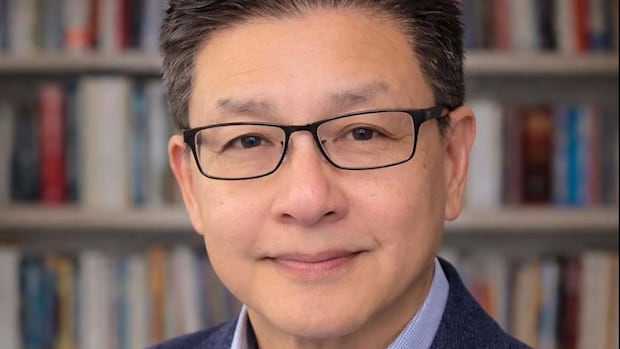
Another Londoner paying close attention to the visit is Carmel Tse, who works in municipal government and formerly served on the Chinese Canadian National Council.
“This trip is a great opportunity not just for the Chinese community, but for Canada as a whole,” he said.
Regarding questions about China’s human rights record, Tse said Canadians should keep in mind that the two countries have very different political systems and traditions. He said China has, in recent years, moved to accommodate different political views within its single-party system.
“Why can’t we recognize China not as a democracy, but as a more liberal country than it was before?” he said.
One specific change Tse would like to see is an easier process to acquire entry visas for Canadians planning short-term visits to China. As it stands now, Canadians have to apply for a visa in person at a consulate office where they are fingerprinted and subject to extensive background checks.
“Right now it’s a pretty cumbersome process,” said Tse, whose wife operates a travel business. “If that could be removed, it would make life a lot easier.”
Tse sees the visit as a starting point. He said if there is no dialogue, there will be no change.
“I’d like to quote Mark Twain,” he said. “‘The best way to get ahead is to get started,’ and that’s where we are.”