
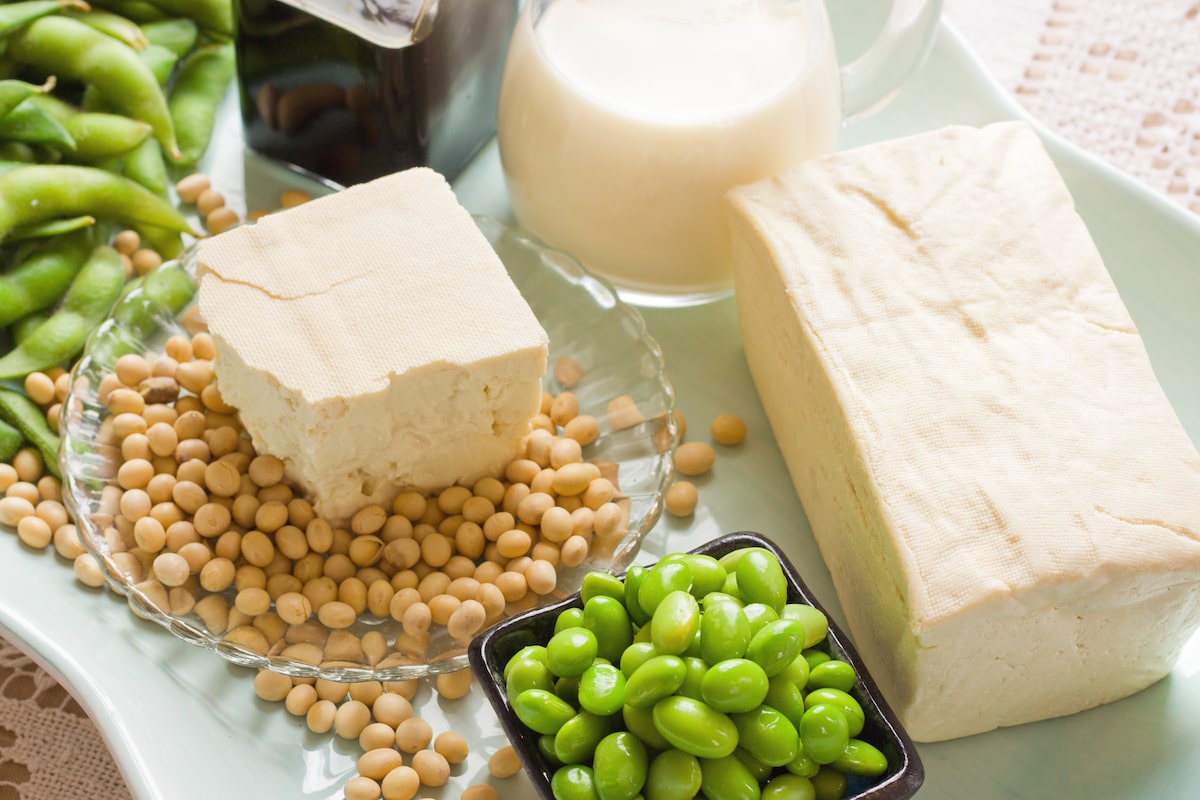
Plant products such as soy-based foods are a pillar of the Portfolio Diet, a science-backed way to lower cholesterol.Diane Labombarbe/iStockPhoto / Getty Images
If your doctor has told you that your LDL or “bad” cholesterol is too high, chances are, you’re watching your diet.
Perhaps you’re cutting back on fatty animal foods and eating more fruits and vegetables. That’s a great start.
There’s a specific eating plan, though, that’s gaining traction for its impressive heart health benefits.
It’s called the Portfolio Diet and it’s endorsed by many international health organizations, such as the Canadian Cardiovascular Society, the American Heart Association and Heart UK, as an effective approach to deal with elevated low-density lipoprotein (LDL) cholesterol and the accompanying risk of heart disease.
This lesser-known, but powerful, diet has been clinically proven to significantly reduce cholesterol – even if it’s followed only modestly.
Here’s what to know about the Portfolio Diet – what’s in it, its supporting evidence, plus simple ways to add its cholesterol-lowering foods to your regular meals.
Why act now, not later
It’s estimated that 50 per cent of Canadians ages 40 and older have unhealthy blood lipid (fat) levels (called dyslipidemia) and LDL cholesterol is a major contributor.
Elevated blood LDL cholesterol is a primary driver of the development and progression of atherosclerosis, a thickening or hardening of the arteries caused by the build-up of plaque in arterial walls.
Four nutrition trends to watch in 2026
The longer LDL cholesterol stays high, the more plaque accumulates in arteries, heightening the risk of coronary heart disease and stroke.
The earlier you can lower your LDL cholesterol, the greater the reduction in cardiovascular risk.
Lifestyle modification, including diet, is considered the cornerstone of maintaining heart health.
What is the Portfolio Diet?
Developed in the early 2000s by Dr. David Jenkins, a professor in the departments of nutritional sciences and medicine at the University of Toronto, the Portfolio Diet includes several foods proven lower LDL cholesterol.
When combined, this portfolio of cholesterol-lowering foods has an additive effect on cholesterol reduction.
The Portfolio Diet includes four pillars, each with a daily recommended intake. The plan includes 50 g of plant protein (beans, lentils, tofu, edamame, tempeh, soy milk, soy and pea burgers), 45 g (about one-third of a cup) of nuts and seeds, 20 g of viscous, sticky fibre (oats, oat bran, psyllium, barley, okra, eggplant, berries, apples, oranges) and 2 g of plant sterols or compounds (typically taken as a supplement).
More recently, a fifth pillar – 45 g/day of monounsaturated fat – was added to the Portfolio Diet. Plentiful in extra virgin olive oil, cold-pressed canola oil and avocados, monounsaturated fat improves high-density lipoproteins (HDL) or “good” cholesterol and cholesterol metabolism.
What the research says
A small landmark trial on the Portfolio Diet published in the Journal of the American Medical Association in 2003, in which all foods were provided to participants, showed that fully adhering to the diet reduced LDL cholesterol by 28 per cent, an amount comparable to starting a cholesterol-lowering statin medication.
In 2011, a six-month randomized controlled trial of 351 adults with high cholesterol, published in the same journal, looked at the diet’s effectiveness when participants were given dietary advice and had to purchase their own foods. Under real-world conditions, 46 per cent adherence (i.e., following half of the Portfolio Diet recommendations) resulted in a clinically meaningful 14 per cent decline in LDL cholesterol.
Which delivers the most nutritional heft: Chia, hemp or flax seeds?
Similar reductions were confirmed in a review of seven randomized controlled trials, conducted by researchers from the University of Toronto, published in 2018.
A clinically meaningful cholesterol reduction means that the drop is big enough to reduce the risk of atherosclerosis progression and cardiovascular disease.
Recent, large observational studies have consistently found that the more people adhere to the Portfolio Diet, the lower the risk of developing coronary heart disease, stroke and Type 2 diabetes.
Easy ways to adopt the Portfolio Diet
According to Laura Chiavaroli, assistant professor in the department of nutritional sciences at the University of Toronto, “You don’t need to follow the Portfolio Diet perfectly to get results. Even partial adherence can lead to cardiovascular benefits.”
Start by making small incremental changes. Focus on one or two Portfolio Diet pillars and build from there.
Plant protein
Substitute cooked lentils for half the ground meat in meatballs, burgers and bolognese sauce. Instead of wheat pasta, try one made from chickpeas, black beans, lentils or edamame.
Add shelled edamame, firm tofu or tempeh to a vegetable stir-fry. Try unsweetened soy milk instead of cow’s milk or other non-dairy alternatives.
Viscous (sticky) fibre
Enjoy oatmeal or overnight oats for your morning meal. Add raw oat bran or psyllium husk powder to smoothies and yogurt.
Add grilled eggplant to vegetarian lasagna and curries. Add thickly sliced okra to bean stews and vegetable soups. Include berries, apples, oranges and pears in your regular fruit rotation.
Nuts and seeds
Snack on a handful of unsalted nuts. Add toasted nuts or seeds to green salads, hot cereal and yogurt parfaits. Add cashews to stir-fries. Spread nut or seed butter on toast, apple slices and celery sticks.
Plant sterols
To get 2 g per day, you’ll likely need to take a plant sterol supplement, available as capsules or powder, which can be added to beverages and foods.
Monounsaturated fat
For cardiovascular benefits beyond LDL cholesterol-lowering, make extra virgin oil your principle cooking oil. Other good sources include canola and peanut oils and avocado.
Leslie Beck, a Toronto-based private practice dietitian, is director of food and nutrition at Medcan.