

Listen to this article
Estimated 3 minutes
The audio version of this article is generated by AI-based technology. Mispronunciations can occur. We are working with our partners to continually review and improve the results.
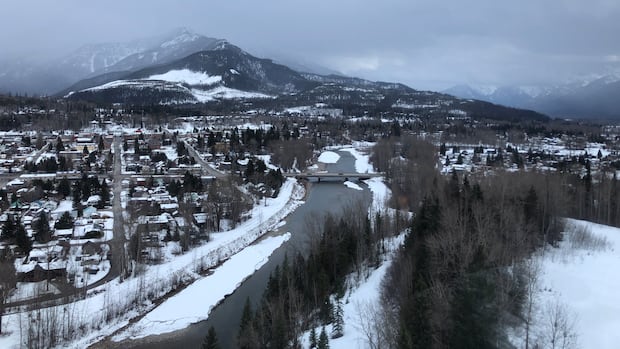
The Elk River in southeastern British Columbia has been named one of the province’s most endangered rivers because of concerns over mining pollution.
In the 2026 Endangered Rivers List compiled by the Outdoor Recreation Council of B.C., which shows broader challenges affecting rivers across the province, the 220-kilometre-long waterway in the Kootenay region is among seven at-risk waterways.
The council says the seven waterways are at risk from issues like the cumulative effects of development, resource extraction and climate change.
This year’s list was topped by Vancouver Island’s Cowichan River and a stretch of the Fraser River between Mission, B.C. and Hope.
Other rivers named include the Kettle, Stikine, Similkameen and Thompson and Chilcotin river systems.
Local voices weigh in
The list is meant to raise awareness about clean water and well-managed river systems, and to prompt earlier action before conditions worsen, says Ryan Stuart, the council’s community engagement lead.
“Specifically with the Elk River, we want the government to listen to the community and consider those interests when they’re looking at mine expansion plans,” he said.
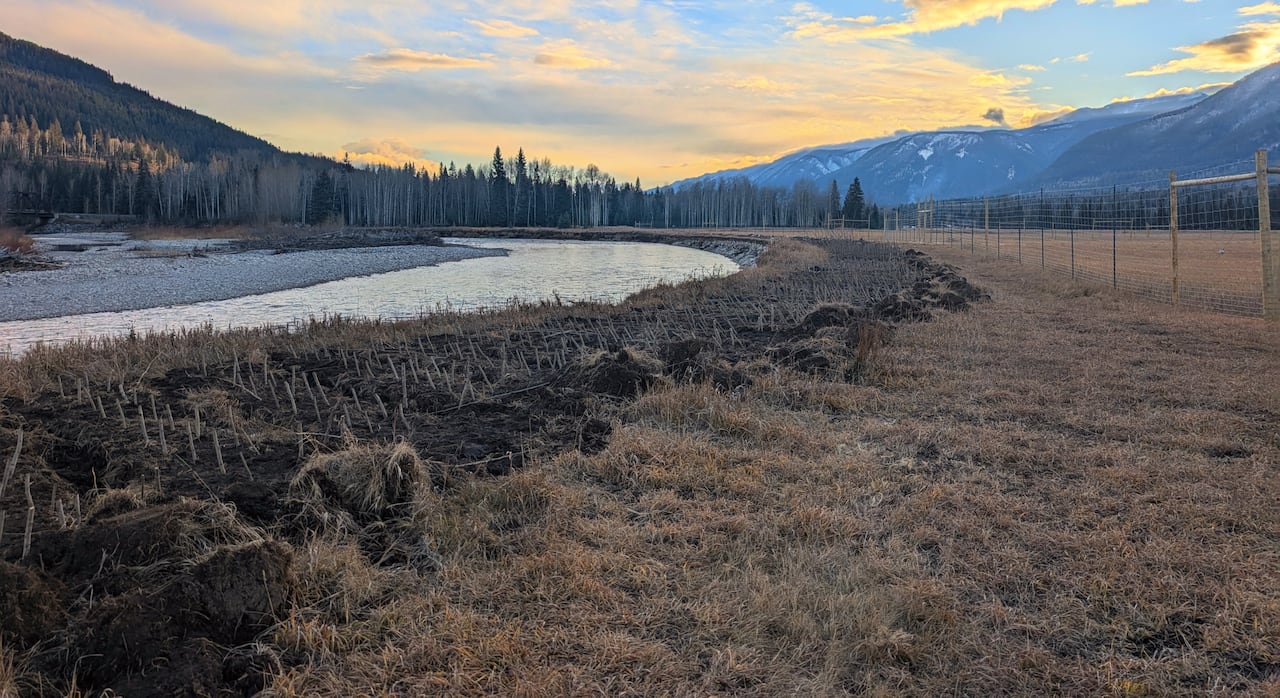 Cottonwood plantings line the Elk River at Elk River Lodge, B.C. Advocates have been working to help preserve the riverside environment for years in southeast B.C. (Submitted by Caitlin Henneker)
For people who live and work along the Elk River, the news has been difficult to hear.
“Obviously sad. It’s always sad to see where you live and work and play mentioned that way,” said Caitlin Henneker, who works with the Elk River Alliance.
Henneker says the group’s monitoring focuses on understanding changes over time, particularly in smaller tributaries feeding into the main river.
“Generally, there’s been a trend toward unhealthier conditions in the tributaries that we monitor,” she said.
Different ways of measuring river health
The B.C. Ministry of Environment and Parks says conditions in parts of the Elk River watershed have improved in recent years.
The ministry says it is working with local governments and First Nations to reduce contamination.
While provincial monitoring data points to improving conditions in parts of the Elk Valley, Henneker says community-based monitoring looks at the watershed from a different angle.
She says looking at cumulative impacts across the watershed over time is important for understanding how multiple pressures add up and affect river health.
“We like to supplement that by not making that work redundant, so that we can compare these changes over time.”
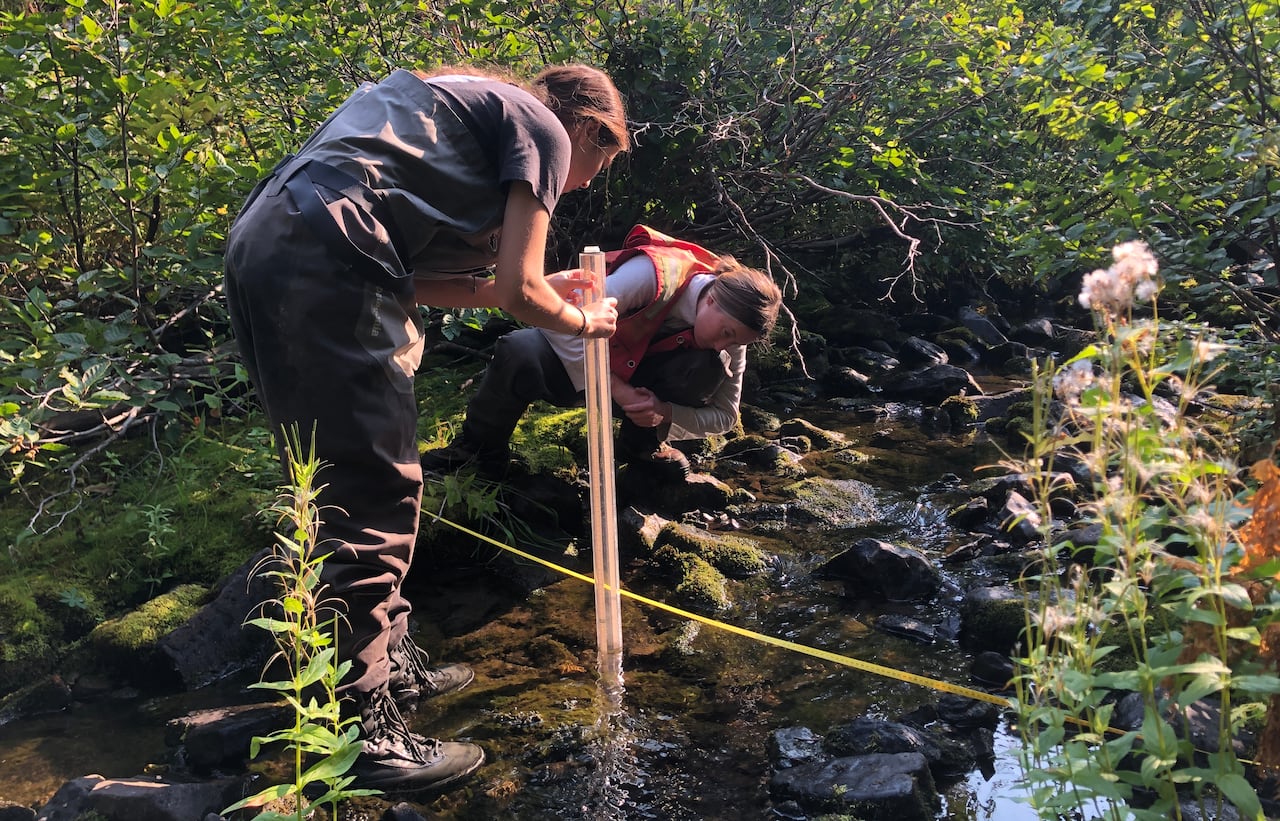 Aleshia Conley, left, and Caitlin Henneker, right, are seen collecting water flow data along the Elk River. (Submitted by Caitlin Henneker)
Henneker says that information can help people better understand what is happening in the watershed and how different uses of the river system intersect.
“If this information encourages people to get involved in the watershed, through water monitoring, restoration work or tree planting, that’s something we fully support,” she said.
Meanwhile, Stuart says it’s important to advocate for freshwater systems since they play a central role in communities across the province, supporting daily life, local economies and outdoor recreation.
“Rivers are integral to everyone here in British Columbia. When they’re under pressure, it affects people directly, and what happens today shapes the next generation.”
The Outdoor Recreation Council of B.C. said it’s been publishing the endangered rivers list for more than 30 years.