
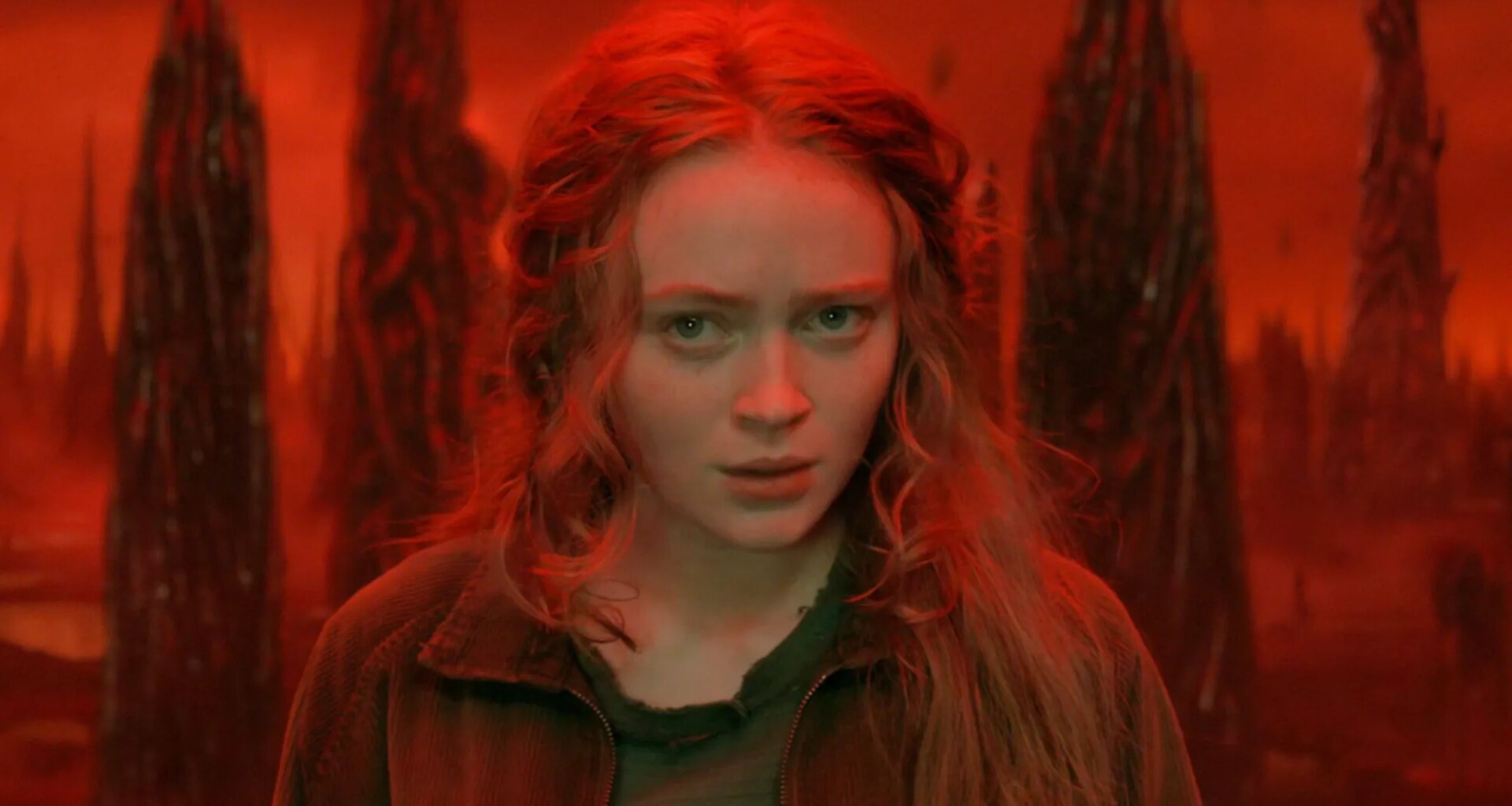
The conclusion of Stranger Things on Netflix created a massive void in pop culture, but it also gave rise to one of the most elaborate conspiracy theories in television history. This movement, dubbed “Conformity Gate”, suggested that the series finale was a complex ruse designed to hide a secret ending. The theory posited that Eleven (Millie Bobby Brown) and her friends were actually trapped in a collective hallucination orchestrated by a surviving Vecna (Jamie Campbell Bower). This narrative gained so much momentum that it transformed the viewing experience into a digital scavenger hunt, as thousands of users collaborated on forums to prove that the actual ending was still waiting in the wings. Fans analyzed every frame of the final episodes, claiming that inconsistencies in graduation attire and a frozen clock in a promotional video were deliberate clues pointing to the January 7th release of an announced ninth episode.
When January 7th passed, the Stranger Things community was forced to confront the reality that the Conformity Gate “clues” were likely unintentional production errors rather than a grand narrative conspiracy. While this particular theory resulted in a dead end, history is filled with instances where the collective intuition of a fanbase proved to be remarkably accurate. There are several high-profile examples of fan theories that were debated for years or even decades before the official canon finally validated them.
5) Harry is a Horcrux (Harry Potter)
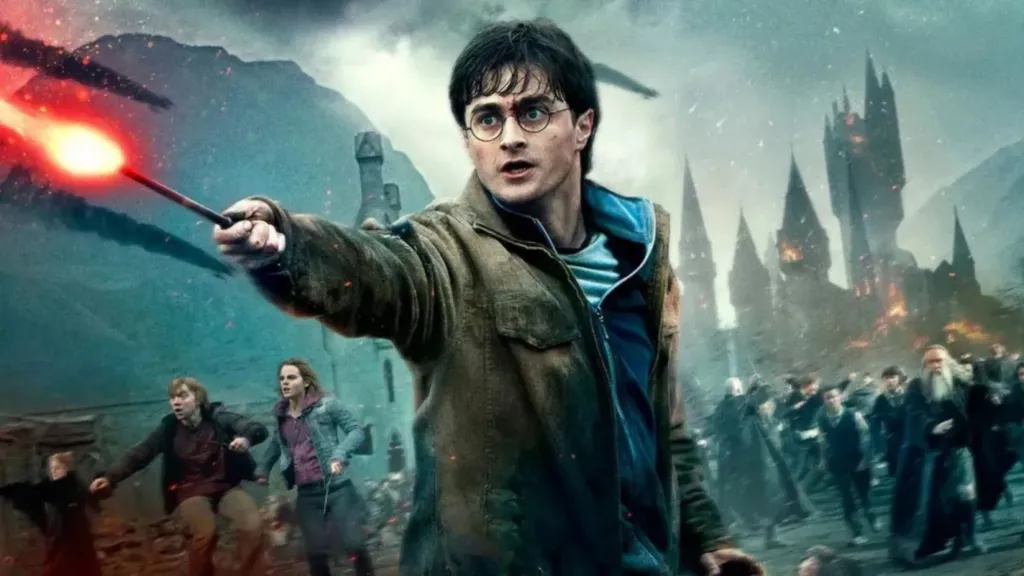 Image Courtesy of Warner Bros. Pictures
Long before the final installments of the Harry Potter film franchise reached theaters, and even before the final book had been published, a significant portion of the readership was convinced that the Boy Who Lived was more connected to his nemesis than the early books suggested. The theory posited that Harry Potter (Daniel Radcliffe) was an unintentional seventh Horcrux, containing a fragment of the soul of Lord Voldemort (Ralph Fiennes). Fans arrived at this conclusion by connecting various dots across the series, such as the rare ability of the protagonist to speak Parseltongue and the recurring visions he shared with the Dark Lord. The physical mark of the lightning bolt scar was viewed as the containment point for this dark energy, explaining why it burned whenever Voldemort was nearby.
The theory was eventually confirmed in Harry Potter and the Deathly Hallows, revealing that a piece of Voldemort’s soul latched onto the only living thing it could find during the attack in Godric’s Hollow. This validation meant that Harry is a Horcrux and had to face his own death to ensure the ultimate defeat of the Dark Lord.
4) The “Mother” is Dead (How I Met Your Mother)
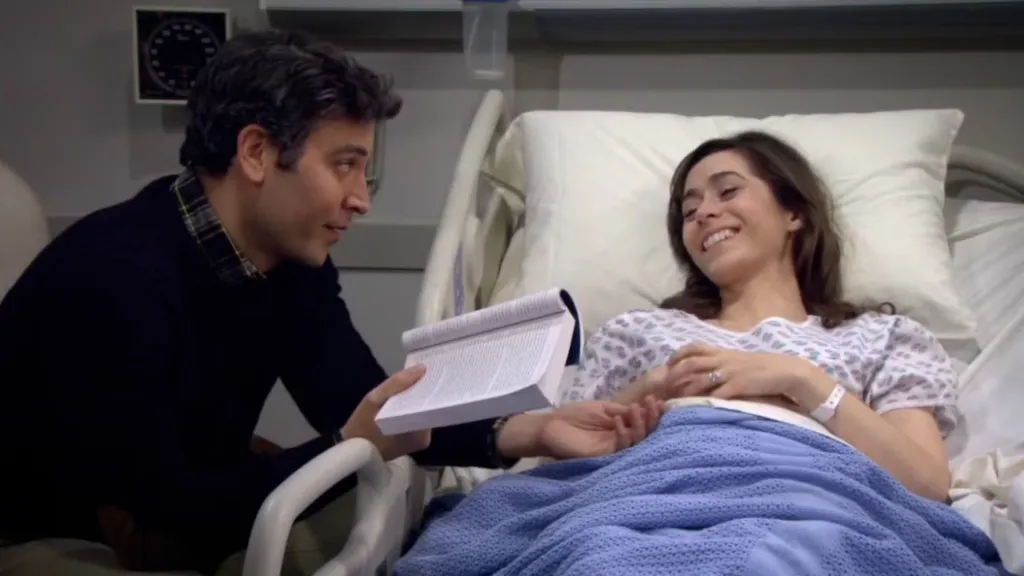 Image courtesy of 20th Century Fox Television
The central mystery of How I Met Your Mother was built on a lighthearted premise, but the fanbase eventually uncovered the tragedy beneath the comedic surface. For several seasons, a growing number of viewers theorized that the Mother, eventually revealed as Tracy McConnell (Cristin Milioti), was actually deceased by the time Ted Mosby (Josh Radnor) narrated the story to his children in the year 2030. This theory gained significant traction following the episode titled “The Time Travelers,” where a future version of Ted expressed a desperate wish to have 45 extra days with his wife. Fans also pointed to a scene in the episode “Vesuvius” where Ted broke down after a comment about mothers missing the weddings of their children.
These hints led to the widespread belief that the “Mother” is dead, a conclusion that many viewers found too dark for a network sitcom. However, the 2014 series finale of How I Met Your Mother confirmed these suspicions, revealing that Tracy had died from an illness six years prior to the framing narrative. This validation turned a long-standing conspiracy into one of the most polarizing and somber conclusions in television history.
3) Boba Fett Survived the Sarlacc Pit (Star Wars)
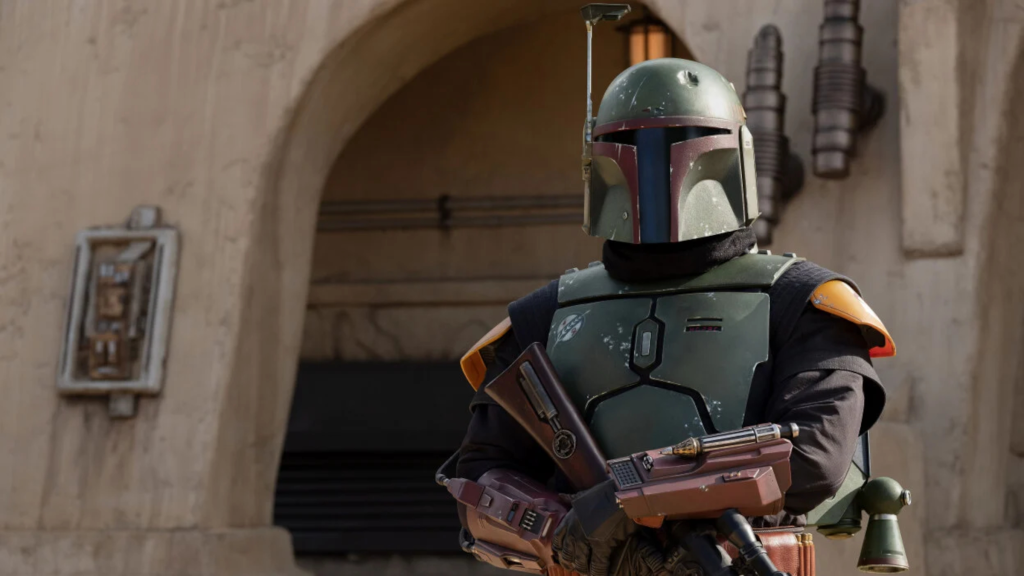 Image courtesy of Lucasfilm
The unceremonious exit of Boba Fett in Return of the Jedi was a point of contention for Star Wars fans for decades. While the movie showed the bounty hunter falling into the Sarlacc Pit after a malfunction with his jetpack, many refused to believe such a formidable warrior could die in an almost comedic fashion. The conspiracy suggested that the Mandalorian armor and survival skills of the character would allow him to escape the digestive system of the desert beast. Spinoff comic books and novels eventually addressed this plot point, revealing that the bounty hunter had indeed survived his ordeal. However, with Disney’s acquisition of Lucasfilm, the Legends stories were removed from canon.
Boba Fett finally made his canon return in the second season of The Mandalorian. Temuera Morrison reprised the role, showing a scarred but living version of the warrior who had successfully fought his way out of the pit. The subsequent series, The Book of Boba Fett, even provided a flashback showing the exact moment the character escaped the beast using his flamethrower. This development proved that Boba Fett survived the Sarlacc Pit and transformed a decades-old fan obsession into an essential part of the modern Star Wars timeline.
2) R+L=J (Game of Thrones)
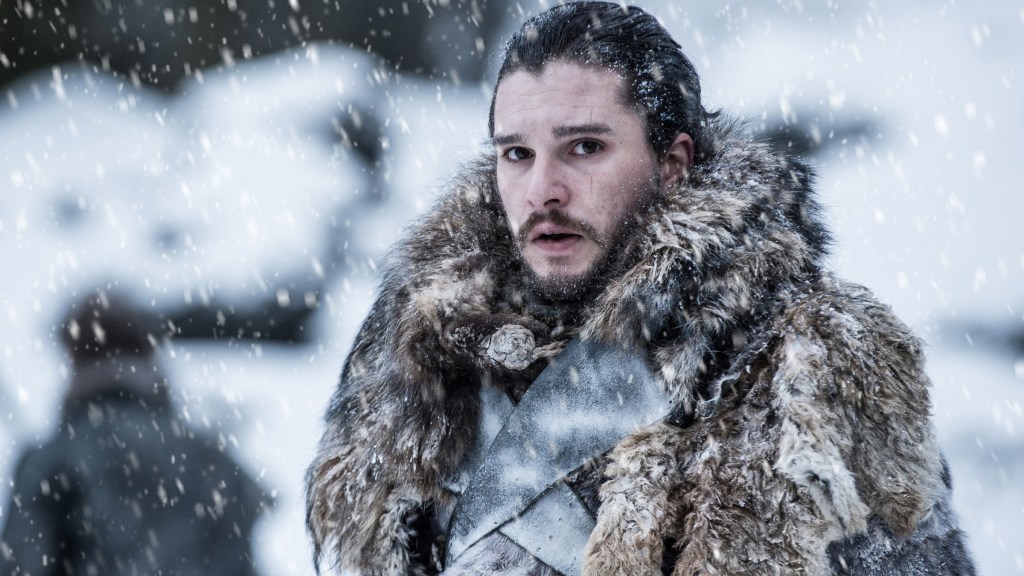 Image courtesy of HBO
The most prominent fan theory in the history of fantasy literature centered on the true parentage of Jon Snow (Kit Harington in the HBO series). For twenty years, readers of the A Song of Ice and Fire novels and viewers of Game of Thrones argued that the character was not the bastard son of Ned Stark (Sean Bean). Instead, the theory posited that Jon was the secret child of Lyanna Stark and Rhaegar Targaryen. The “R+L=J” conspiracy was built on subtle clues buried within the books, including the cryptic memories of Ned Stark regarding the “Tower of Joy” and the final promise he made to his dying sister.
Fans deduced that Ned had sacrificed his own honor to protect his nephew from the wrath of King Robert Baratheon (Mark Addy), who was intent on eliminating every member of the Targaryen bloodline. This theory remained the primary focus of the fandom for decades as readers decoded the significance of blue winter roses and the hidden history of the rebellion. The theory was officially validated in the Season 6 finale of Game of Thrones, which utilized a flashback to confirm Lyanna as Jon’s mother. The following season confirmed Rhaegar as the father and revealed that the pair had been legally married, making Jon the legitimate heir to the Iron Throne and proving the R+L=J theory was correct.
1) The Richard Donner Cut (Superman II)
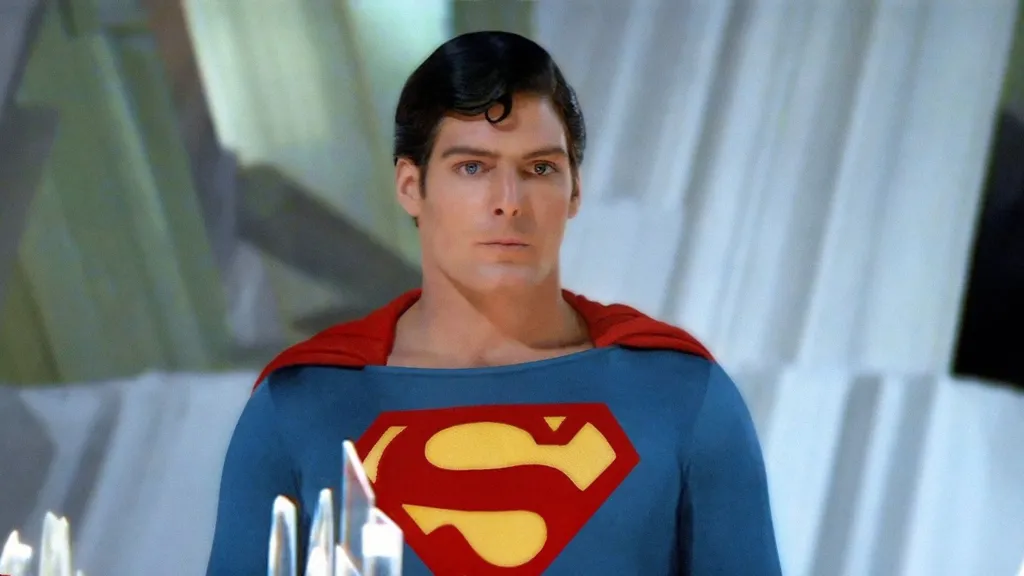 Image courtesy of Warner Bros. Pictures
Long before the internet campaigned for the release of Zack Snyder’s Justice League, the existence of a different version of Superman II was a legendary mystery within the film community. Fans theorized for over twenty years that a vastly superior version of the sequel existed in the Warner Bros. vaults, directed by Richard Donner before his firing from the production. Donner had filmed a large portion of the sequel concurrently with the original Superman before being replaced by Richard Lester. Then, Lester reshot much of the footage to secure a directing credit and change the movie’s tone to something more comedic and lighthearted.
DC fans argued that the original Superman II footage was substantial enough to form a complete narrative that aligned with the more serious vision of Donner for the Man of Steel (Christopher Reeve). This conspiracy was proven correct in 2006 when the studio released Superman II: The Richard Donner Cut. The restoration successfully utilized original footage and screen tests to create a new version of the film that featured Marlon Brando as Jor-El and maintained the epic scope the fans had long suspected existed behind the scenes. This victory established a precedent for the power of fan engagement and remains the most significant instance of a community successfully willing a hidden version of a movie into existence.
Which legendary fan theory do you think was the most obvious in hindsight? Leave a comment below and join the conversation now in the ComicBook Forum!