
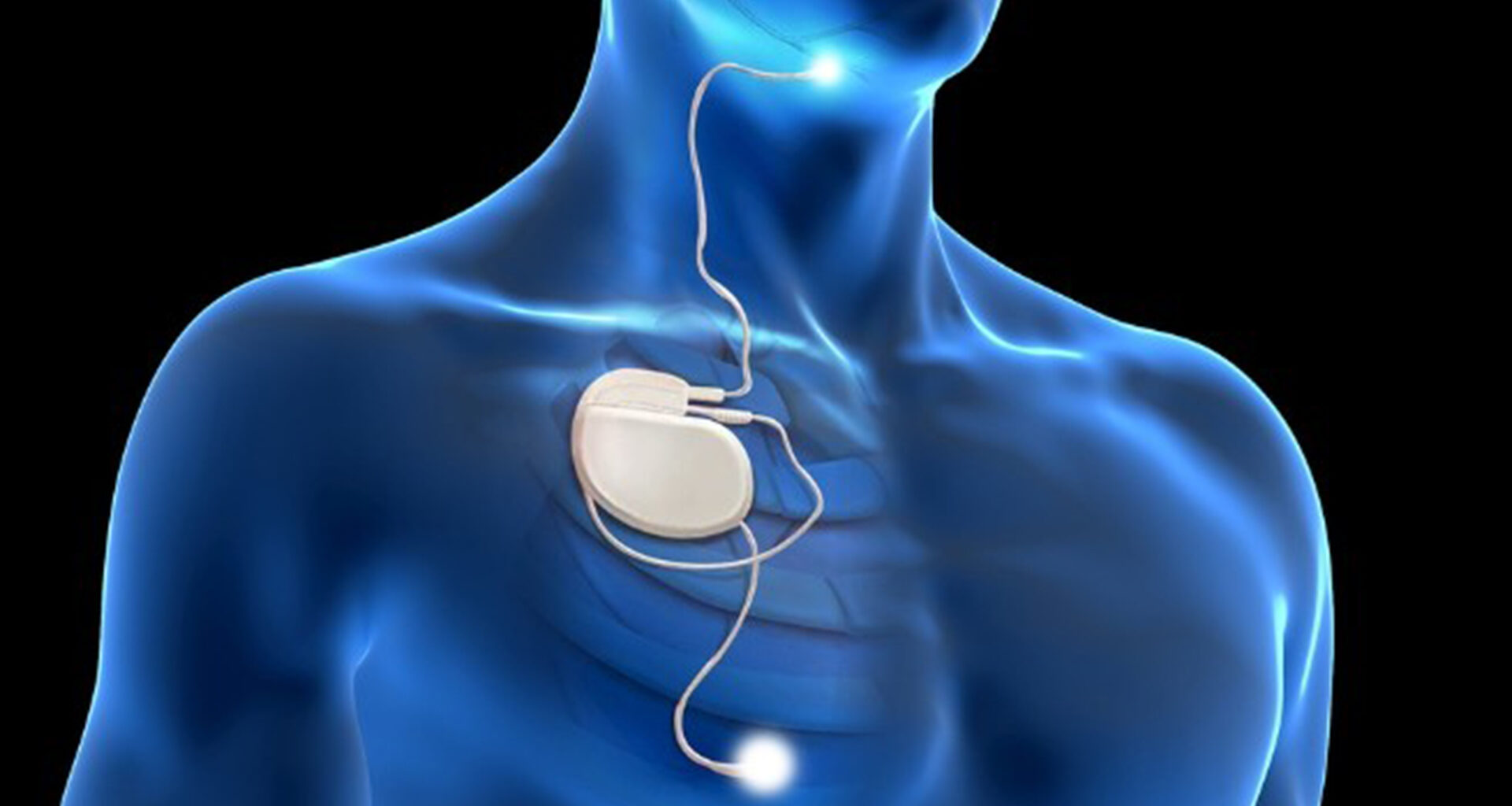
A surgical implant into the chest wall muscles of a patient can identify instances where they stop breathing.
A surgical implant as a treatment for moderate to severe sleep apnoea in cases where traditional treatments haven’t worked is being trialled at Imperial College Healthcare.
Sleep apnoea is a condition where someone’s breathing stops and starts while they sleep, and can lead to serious problems if left untreated.
Hypoglossal nerve stimulation (HGNS) uses a device, about the size of a pacemaker or two 50p pieces side-by-side, which is implanted into the chest. Once activated, it can sense when someone stops breathing in their sleep and stimulate a nerve in the tongue to stop it from blocking their airway.
The first patients received their implant under general anaesthetic this month at Charing Cross Hospital and went home the next day following overnight monitoring. They will return at the end of the month for the device to be activated.
Lifestyle changes
Sleep apnoea can sometimes be treated by making lifestyle changes, such as losing weight, giving up smoking and reducing how much alcohol you drink. But many people need to use a Continuous Positive Airway Pressure (CPAP) machine, which gently pumps air into a mask while they sleep.
CPAP will work for most patients with moderate or severe sleep apnoea. But if it doesn’t, they may be able to access HGNS at a small number of NHS hospitals in the UK.
The procedure involves a sensor being implanted into the chest wall muscles of a patient, where it can identify instances where they stop breathing. The device, from Inspire Medical Systems Europe, has a small wire which connects to the hypoglossal nerve in the neck that controls tongue muscles. All the patient needs to do each night is to switch on the device with a remote control when they’re ready to sleep.
“Sleep is so important for our ability to go about our day-to-day lives and stay healthy, so we want to do all we can to help our patients. I’m so grateful to my colleagues across our sleep and ENT services for coming together and making it possible for us to offer this option,” said Aphrodite Iacovidou, ENT airway and laryngology consultant at Imperial College NHS Healthcare Trust.