
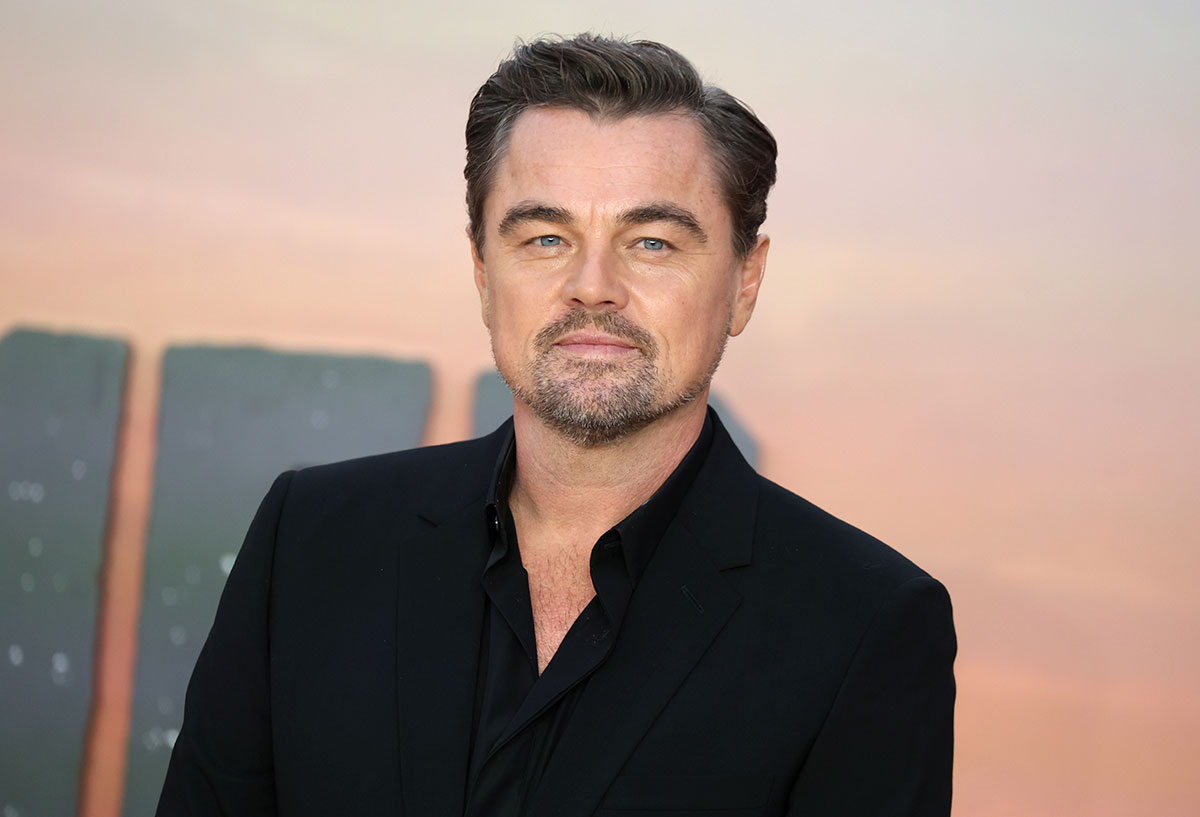
Leonardo DiCaprio is sounding the alarm on movie theaters just as streaming redraws Hollywood’s map. Can a few audacious filmmakers and rare event releases hold the line against shrinking windows, softer box office, and looming mega-deals?
Box office charts have grown erratic, release windows keep shrinking, and the aftershocks of the 2023 writers’ strike still distort release calendars. In that turmoil, Leonardo DiCaprio is questioning whether theaters can stay viable as more viewers default to streaming. The stakes run from the CNC’s bleak 2025 attendance numbers in France to speculation about a Warner-Netflix tie-up. Between Paul Thomas Anderson’s defense of the auditorium and the pull of immersive epics from Denis Villeneuve, James Cameron, and Christopher Nolan, the fight for the big screen is unfolding now.
Leonardo DiCaprio on the challenge to cinema in the streaming age
Leonardo DiCaprio, an advocate for the big screen, has voiced concerns about the future of movie theaters in an era dominated by streaming services. In an interview on January 12, 2026, the actor reflected on the rapid transformations in the film industry and the worrying decline in theater attendance. Are traditional cinemas losing the battle to instant, on-demand streaming?
A shifting cinematic landscape
The film industry is undeniably navigating turbulent waters. The CNC recently reported a notable decline in attendance at movie theaters across France in 2025. Major events like the 2023 writers’ strike only worsened the disruption, delaying releases and reshaping production schedules. The rise of streaming platforms such as Netflix and Apple TV+ has further exacerbated this trend, offering viewers unparalleled convenience from the comfort of their homes.
Paul Thomas Anderson, another passionate defender of the theatrical experience, has previously cautioned the industry about these changes. Films that were once staples of cinema, such as mid-budget dramas, now face significantly shortened theatrical windows or skip theaters altogether. Could this signal a lasting shift in how stories are consumed?
DiCaprio’s reflections
In his recent remarks, DiCaprio expressed deep apprehension about theaters potentially becoming obsolete. He highlighted the stark contrast between the immersive magic of a theater and the fragmented, often passive, experience of streaming. Known for championing films that demand the big-screen treatment, DiCaprio fears that audiences are increasingly opting for convenience over the communal energy of a movie house.
This trend is echoed in box office data. Despite some bright spots, like One Battle After Another earning $205 million globally (against a budget of $130 to $175 million), the numbers are not where many would hope. Projects with smaller budgets often struggle, while tentpole releases are now more crucial than ever to sustain theater visits.
The industry’s response and looming changes
The film industry is not standing still. Filmmakers like Denis Villeneuve, Christopher Nolan, and James Cameron continue to craft event films designed to draw audiences back to theaters. Upcoming blockbusters such as Avatar 3, Spider-Man Brand New Day, and Dune 3 are expected to offer the kind of spectacle that streaming cannot replicate.
However, concerns linger about the future. Rumors of a potential Warner Bros. acquisition by Netflix have raised eyebrows, making some question the implications for theatrical releases. Industry experts warn that such moves could further blur the lines between streaming and cinema, perhaps to the latter’s detriment. Nonetheless, efforts to rejuvenate theater attendance persist, with high-profile releases and creative new marketing strategies sparking hope.
The road ahead for cinemas
Still, the future of movie theaters hangs in the balance. DiCaprio, ever dedicated to preserving cinema, remains a key figure in this ongoing dialogue. His upcoming collaborations like Martin Scorsese’s What Happens at Night and Michael Mann’s Heat 2 signal a continued belief in the power of theatrical storytelling. As filmmakers and audiences adapt to a new era, the trajectory of both theaters and streaming will depend on how effectively they share space and complement each other.