
1978 was a year when the ambitions of New Hollywood collided with the birth of modern blockbuster culture and a darker, more cynical genre sensibility. Political paranoia, post-Vietnam trauma, and distrust of authority still shaped the stories being told, but they increasingly shared space with crowd-pleasing spectacle.
What unites the classics of 1978 is confidence: confidence in strong directorial vision, in bold tonal choices, and in the belief that popular cinema could still be unsettling, political, or formally daring. Nearly fifty years later, the best of these movies remain reference points for filmmakers everywhere.
9
‘Midnight Express’ (1978)
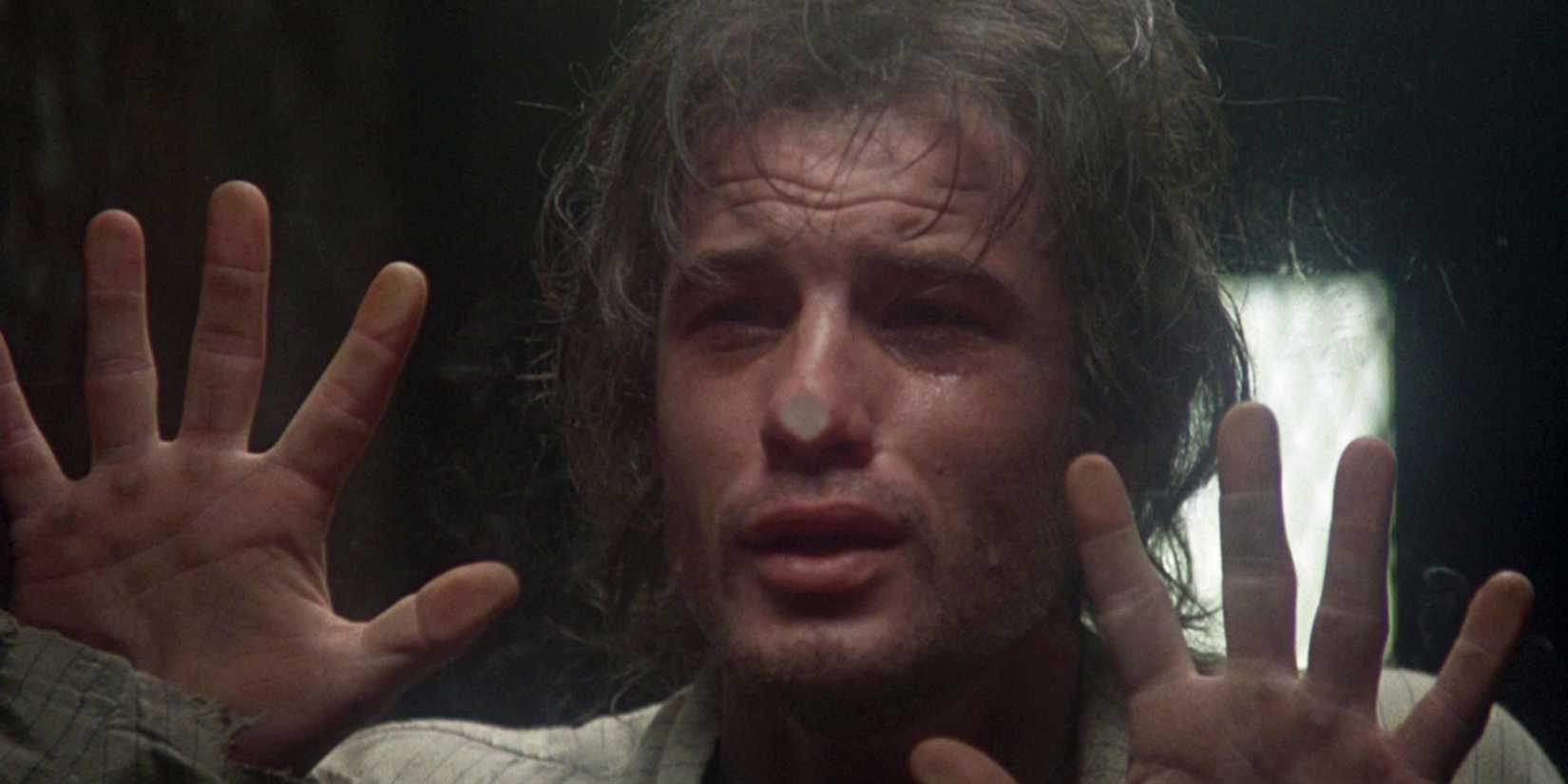
Brad Davis pressed up against glass in Midnight Express.Image via Columbia Pictures
“Bad things happen to people who don’t drink.” Midnight Express is a harrowing prison drama based on the real-life experiences of an American student arrested in Turkey for attempting to smuggle hashish. Billy Hayes (Brad Davis) is sentenced to years in a brutal prison system, where violence, corruption, and psychological degradation are part of daily life. The plot charts his gradual loss of innocence and his growing desperation to escape, culminating in a tense and morally complicated final act.
The whole thing is unflinchingly intense. Director Alan Parker stages suffering with relentless pressure, turning the prison into a nightmarish space stripped of dignity and hope. This approach was controversial on release, and the movie drew some criticism for its portrayal of Turkish authorities, but its emotional power is undeniable. Over time, Midnight Express has come to be seen as a defining example of late-1970s realism pushed to an extreme.
8
‘Invasion of the Body Snatchers’ (1978)
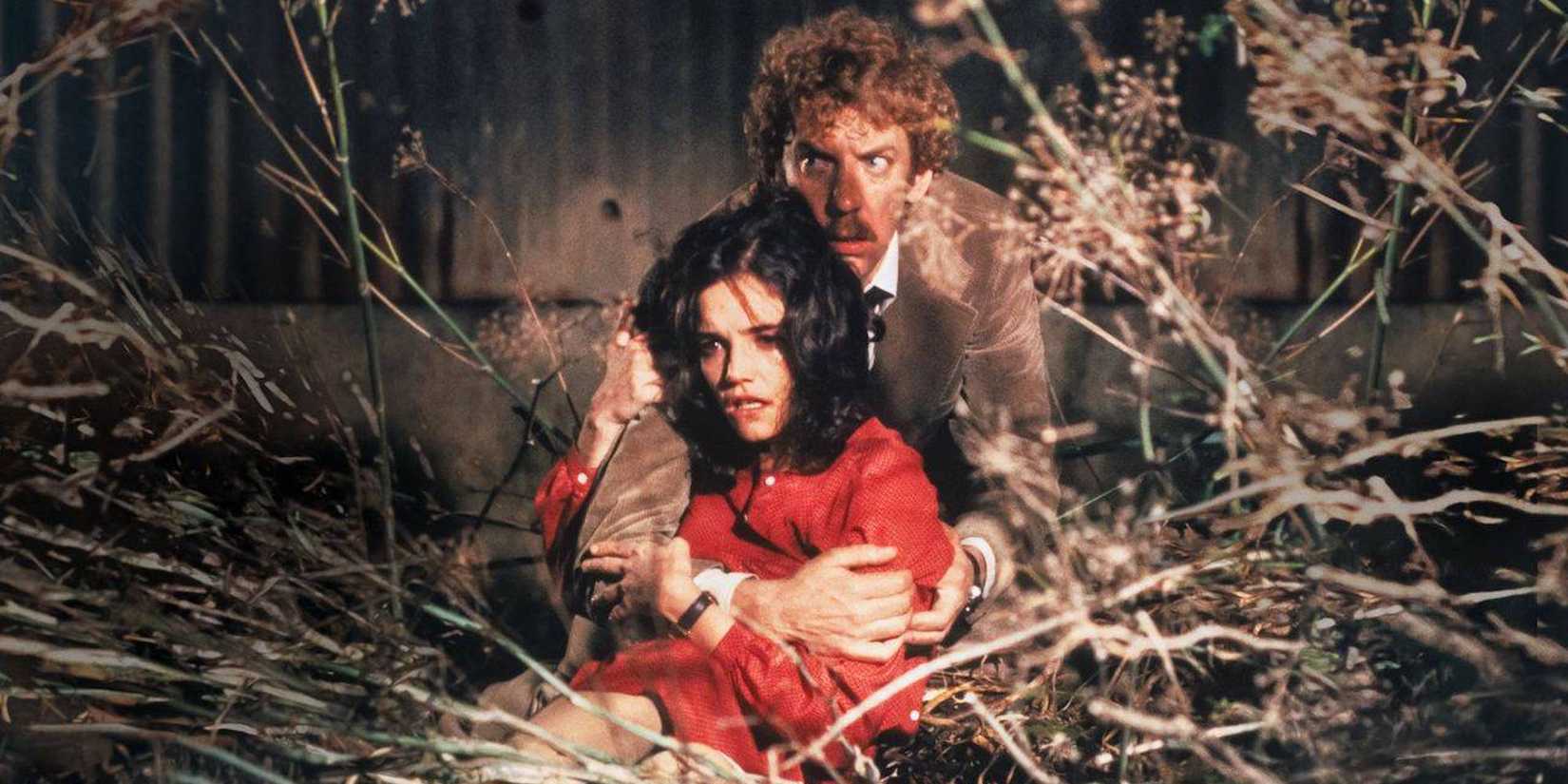
Brooke Adams and Donald Sutherland hiding in the weeds in Invasion of The Body Snatchers, 1978.Image via United Artists
“They’re here already! You’re next!” With The Right Stuff‘s Philip Kaufman at the helm, the 1978 remake of Invasion of the Body Snatchers updates the classic paranoia premise for a post-Watergate, post-Vietnam America. The main character is health inspector Matthew Bennell (Donald Sutherland), an ordinary man who gradually realizes that people around him are being replaced by emotionless duplicates grown from alien pods. From here, the plot unfolds slowly, allowing dread to seep in through small behavioral changes and mounting disbelief.
A big part of what distinguishes this version is its sheer bleakness. Unlike earlier iterations, it offers little comfort in community or authority; institutions fail, explanations collapse, and resistance feels futile. In particular, the movie captures a profound fear of social conformity and loss of individuality. In other words, the horror feels existential rather than sensational. This message very much spoke to the malaise of late ’70s America, a time when all the old certainties were in doubt.
7
‘Dawn of the Dead’ (1978)
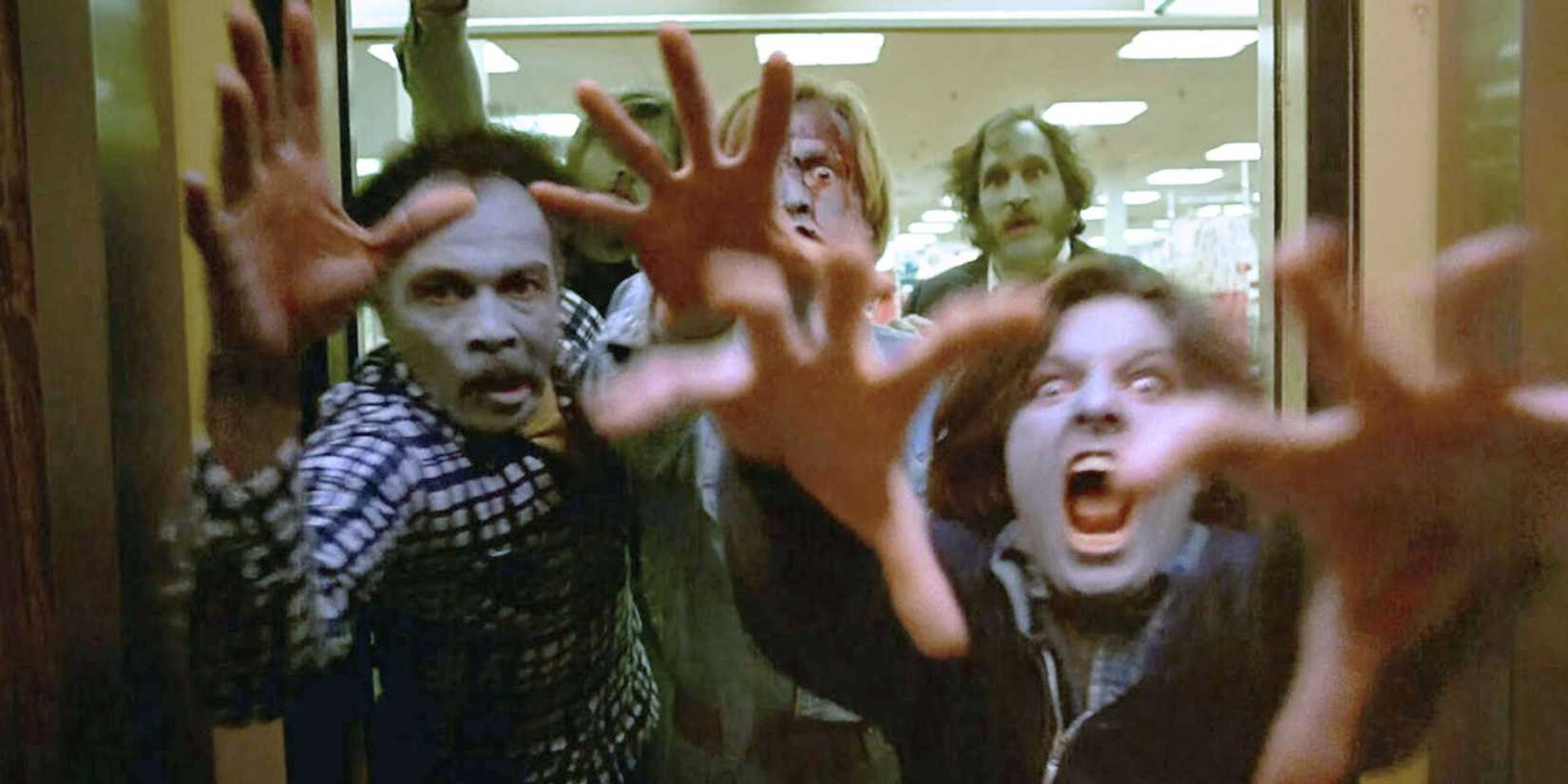
A horde of zombies coming at the camera in Dawn of the DeadImage via United Film Distribution Company
“They’re us. That’s all they are, that’s us.” Night of the Living Dead practically created the zombie genre single-handedly, but Dawn of the Dead got more complex and thematic with it. Here, George A. Romero expands his zombie mythology into something grander, angrier, and more overtly satirical. Story-wise, the movie follows a group of survivors who take refuge in a suburban shopping mall during the undead apocalypse. As they secure the space and indulge in its consumer comforts, the dead gather outside, drawn by instinct and memory.
Dawn of the Dead innovated by balancing the survival horror with social commentary, using the mall as a symbol of mindless consumption and spiritual emptiness. Romero stages action sequences with chaotic energy while never losing sight of his critique of American materialism. The violence is graphic but purposeful, underscoring how quickly civilization collapses under pressure. This approach was a shot in the arm for the subgenre, opening up all kinds of new possibilities.
6
‘The Boys from Brazil’ (1978)
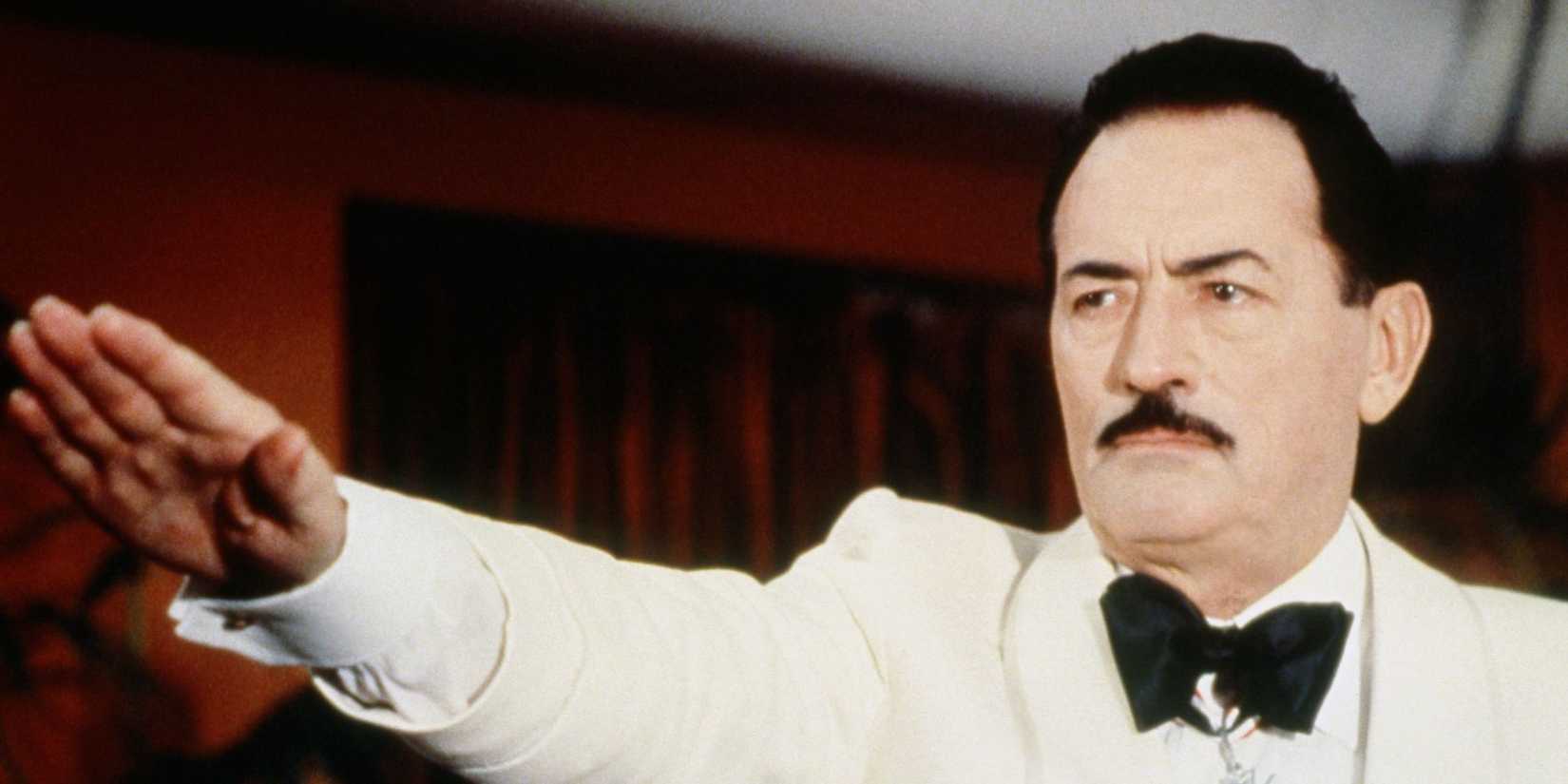
Gregory Peck in a white tux and black bow tie saluting with his arm straight out in The Boys From Brazil.Image via 20th Century Studios
“Gentlemen, we have work to do.” The Boys from Brazil is a pulpy, unsettling thriller that blends sci-fi with historical horror. The premise is decidedly wacky. It’s about a Nazi hunter (Laurence Olivier) who uncovers a chilling conspiracy: a group of former Nazis has cloned Adolf Hitler and placed the children with families designed to replicate Hitler’s upbringing. As the clones grow older, mysterious deaths begin to occur. Although this conceit sounds like pure exploitation fare, the story gets surprisingly thoughtful, asking disturbing questions about nature, nurture, and the persistence of evil.
Rather than treating Nazism as a closed chapter of history, The Boys from Brazil frames it as a lingering, adaptive threat, a message that resonates metaphorically if not literally. The performances lean into theatricality (Gregory Peck plays Josef Mengele!), but that heightened tone suits the story’s ethical extremity. At the very least, one can’t say that this movie isn’t audacious.
5
‘Superman’ (1978)
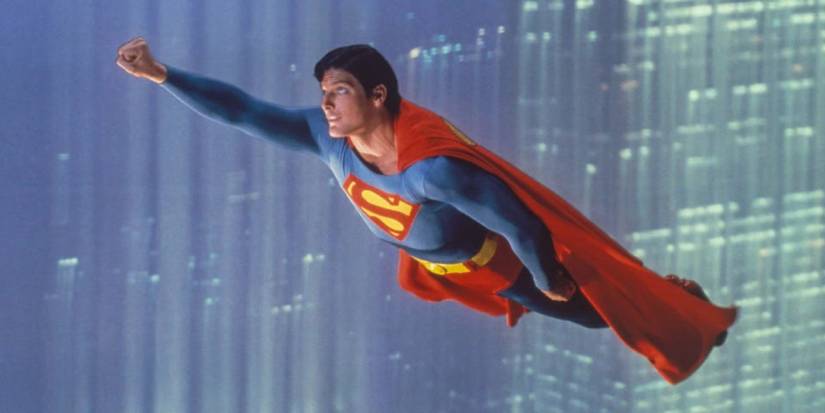
Christopher Reeve flying in the Superman (1978) movie directed by Richard DonnerImage via Warner Bros.
“This looks like a job for Superman.” Long before superhero cinema ruled the multiplex, Superman laid its foundation. Crucially, this movie took source material seriously rather than cynically, paving the way for so many classics to follow. The story traces the origins of Clark Kent (Christopher Reeve), from his escape from the dying planet Krypton to his life as a mild-mannered reporter in Metropolis and his emergence as Superman. The plot balances romance, humor, and spectacle, culminating in a confrontation with the criminal mastermind Lex Luthor (Gene Hackman).
What made the film revolutionary was its tone. Director Richard Donner approached the story with sincerity, emphasizing heroism, moral clarity, and wonder. Audiences weren’t invited to laugh at Superman, but to believe in him. The visual effects, groundbreaking at the time, served the character development rather than overwhelming it. Over the decades, Superman has endured not just as a nostalgic favorite, but as a template.
‘The Driver’ (1978)
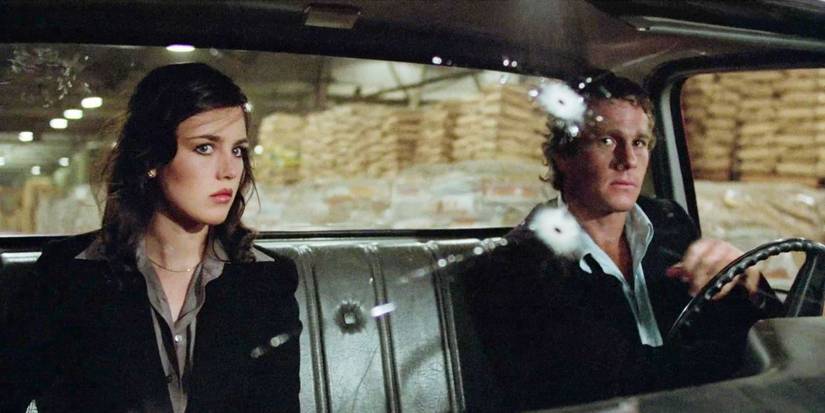
“You know the rules.” The Driver is a stripped-down, minimalist crime film built almost entirely around motion, silence, and precision. Ryan O’Neal stars as a nameless getaway driver pursued obsessively by a determined detective (Bruce Dern). Both men circle each other through a series of heists and chases. Dialogue is sparse, and characterization is conveyed through action rather than exposition. The driver himself is less a character than an idea: professionalism taken to an almost mythic extreme.
On the action side, Walter Hill treats car chases as choreography, emphasizing rhythm, geography, and control. The film was a box office flop back in 1978, very much overshadowed by louder crime movies, but its influence has only grown since then. Its cool detachment and emphasis on process can be felt in countless later thrillers. Indeed, directors like Nicolas Winding Refn, Edgar Wright, and Quentin Tarantino have all cited it as an inspiration (the latter borrowing shots and lines from it in his own movies).
4
‘Grease’ (1978)
.jpg)
“Tell me about it, stud.” Grease is one of the most energetic musicals of its era, a bright, youthful slice of 1950s nostalgia. John Travolta and Olivia Newton-John deliver legendary performances as Danny and Sandy, high schoolers navigating romance, peer pressure, and the expectations of their respective cliques. Travolta channels Elvis in the best way, while Newton-John’s singing is simply off the charts. The plot is light, moving from dance numbers to romantic misunderstandings, but beneath its pop sheen lies a sharp awareness of image and conformity.
The whole movie radiates an infectious confidence. The songs are catchy, the choreography exuberant, and the tone unapologetically playful. Its longevity comes from how it captures adolescence as a kind of performance, where reinvention feels both liberating and unsettling. Initially dismissed by some critics as shallow, Grease has since been recognized as a defining cultural artifact. It’s continued to charm several generations of continues since its release.
3
‘The Deer Hunter’ (1978)
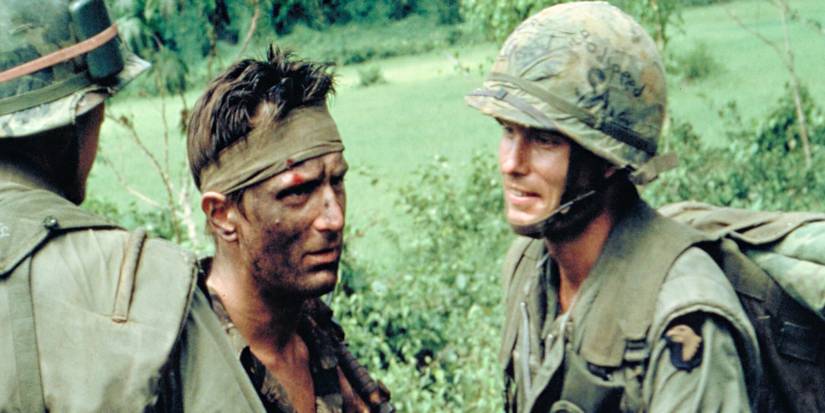
Robert De Niro and John Savage in The Deer HunterImage via Universal Studios
“One shot.” The Deer Hunter is one of the most perceptive movies released in the immediate wake of Vietnam. It begins in a tight-knit Pennsylvania steel town, following a group of friends before they deploy. Once in the jungle, they experience unspeakable horrors, including captivity and psychological torture. The latter half of the film examines the aftermath, as the survivors struggle to reintegrate into civilian life. A deep sense of disillusionment hangs over everything they do.
The result is an ambitious, emotionally punishing exploration of friendship and trauma shaped by the war. Director Michael Cimino takes his time, allowing characters and environments to breathe before violence shatters them. The infamous Russian roulette scenes are shocking, but they serve a broader meditation on chance, survival, and guilt. He’s assisted by an incredibly talented cast, including Robert De Niro, Meryl Streep, John Cazale, and Christopher Walken (the latter took home the Best Supporting Actor Oscar).
2
‘Days of Heaven’ (1978)
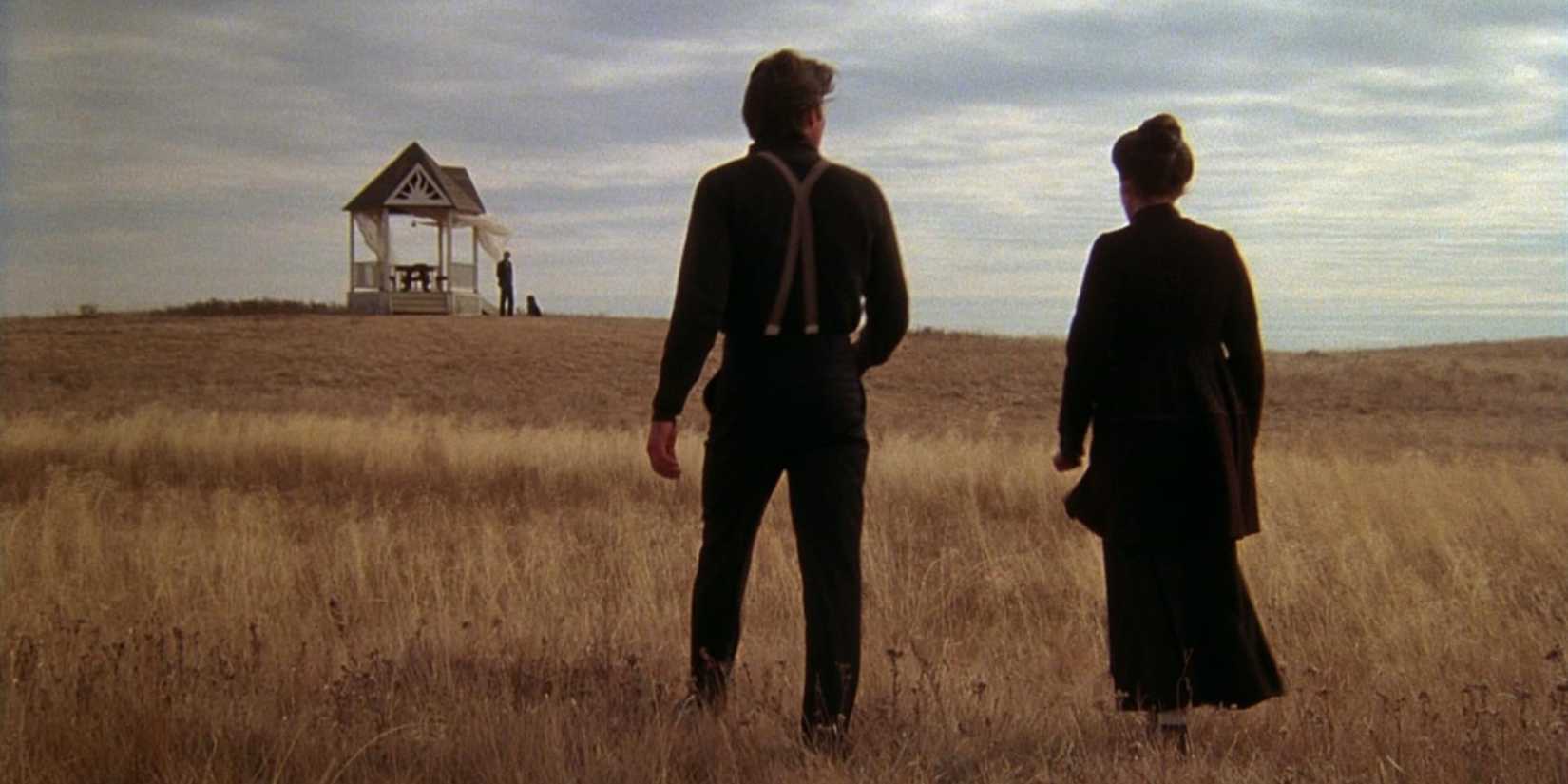
Richard Gere and Brooke Adams in Terrence Malick’s Days of Heaven (1978)Image Via Paramount Pictures
“I didn’t know there was so much beauty in the world.” Days of Heaven was Terrence Malick’s sophomore effort, arriving just a few years after his remarkable debut Badlands. The story focuses on a young laborer (Richard Gere) who travels with his lover (Brooke Adams) and sister (Linda Manz) to work on a wealthy farmer’s (Sam Shepard) land in Texas. When the farmer falls in love with the woman, a fragile love triangle forms, leading inevitably toward betrayal and tragedy.
The plot is simple, almost skeletal, but Malick uses that simplicity to foreground mood and imagery. Here, he and cinematographers Néstor Almendros and Haskell Wexler treat landscape and light as emotional forces. The film’s famous golden-hour cinematography transforms wheat fields and skies into something dreamlike, giving the story an elegiac quality. Then there’s that amazing locust swarm scene, achieved by dropping peanut shells from helicopters and then running the footage in reverse.
1
‘Halloween’ (1978)
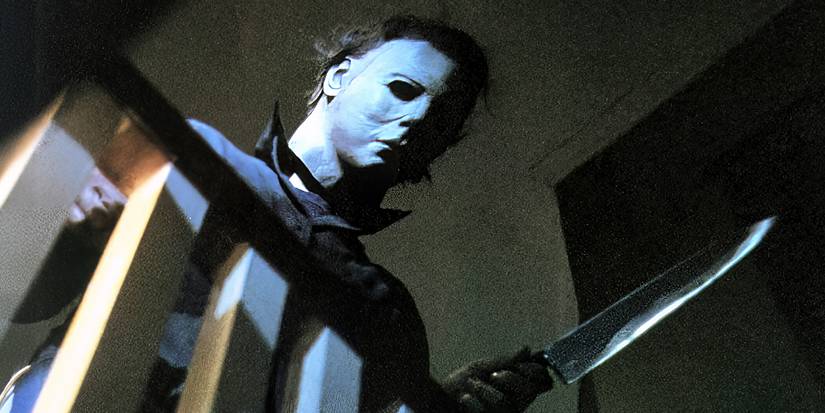
Michael Myers, looking down from the stairs balcony, holding a knife in Halloween (1978).Image via Compass International Pictures/Aquarius Releasing
“I met him, fifteen years ago. I was told there was nothing left.” With Halloween, John Carpenter laid one of the cornerstones of the entire slasher genre. In particular, this darkly potent film revolutionized horror by reducing it to its most elemental components. The plot is deceptively straightforward, unfolding over a single evening with mounting tension. Masked killer Michael Myers (Nick Castle) returns to his hometown on Halloween night and begins stalking a group of teenagers, including Laurie Strode (Jamie Lee Curtis).
It’s a lean, mean story, masterfully told. Carpenter uses minimalism to terrifying effect: long tracking shots, strategic silence, and a relentless musical theme. The violence is restrained, but the anticipation is unbearable. Halloween also reframed horror around the idea of unstoppable, motiveless evil, embodied in Myers’ blank mask and mechanical persistence. All of these ideas proved influential, and the movie’s purity of design ensures that it’s still scary even now.

Release Date
October 27, 1978
Runtime
91 minutes