
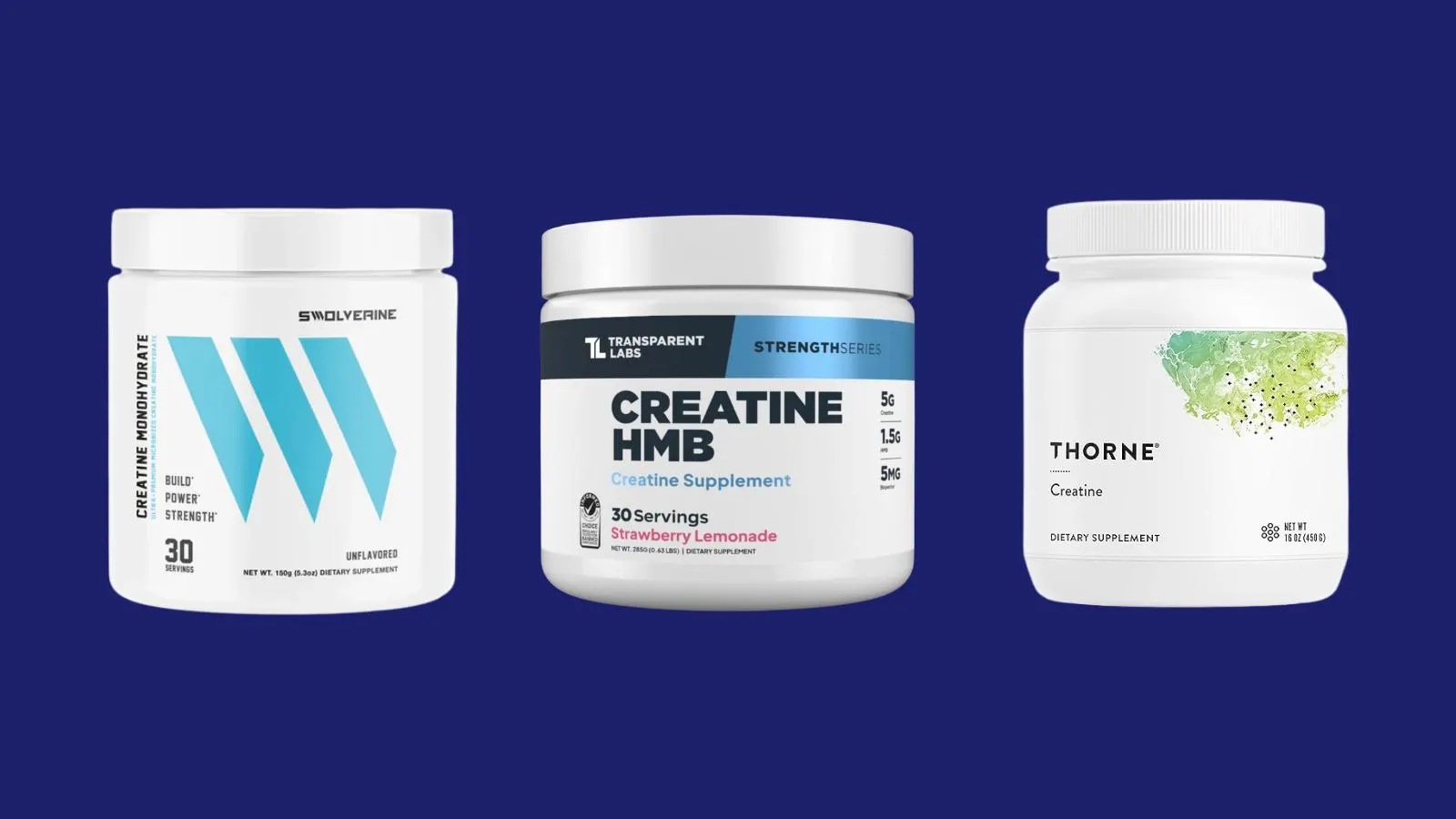
Creatine is one of the most widely studied and best-understood supplements on the market. It’s a compound that your body makes naturally and stores in muscles to fuel short bursts of energy, and taking it in supplement form can boost those stores to enhance performance. But like most supplements, creatine is loosely regulated, which is why I spoke with experts to source the best creatine supplements that balance quality and effectiveness. Based on my findings, Transparent Labs Creatine HMB is the best option for most people because it’s simple, and Transparent Labs offers easy access to third-party testing results.
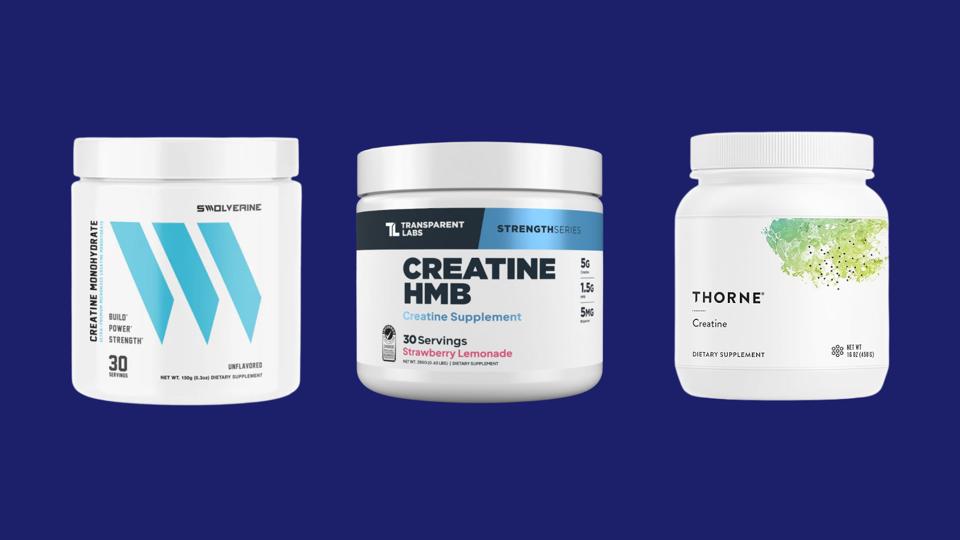
We found that the Transparent Labs Creatine HMB is the best creatine supplement of 2026.
ILLUSTRATION: FORBES / PHOTO: RETAILERS
“Creatine monohydrate is the cheapest and most studied form of creatine,” explains Shannon O’Grady, who has a Ph.D. in. nutritional physiology. “I haven’t seen convincing research showing other forms outperform creatine monohydrate in terms of absorption.” With this knowledge in mind, I pored over countless creatine supplements, scrutinizing ingredients, additives, third-party testing transparency and so much more. Below, I’ve highlighted five options that stand out for different needs.
Transparent Labs Creatine HMB
Creatine type: Creatine monohydrate | Creatine per serving: 5g | Sweetener type: Stevia extract | Cost per serving: $1.50 and up | Flavors: 13, including watermelon, black cherry and unflavored
It’s easy to recommend Transparent Labs because I know exactly what I’m recommending. Take the brand’s Creatine HMB blend, for example: Each serving contains 5g of creatine monohydrate, vitamin D3 for muscle protein synthesis, calcium, black pepper extract for absorption and HMB. That last ingredient, HMB (hydroxymethylbutyrate), is a natural compound that’s made when your body breaks down the amino acid leucine that helps reduce muscle damage. Overall, the blend contains the creatine monohydrate you need, plus a handful of well-founded additions.
What I appreciate even more than the simple formula is Transparent Labs’ commitment to, well, transparency. It’s one of the only brands that offers public access to third-party test results for purity and ingredients. Many brands conduct third-party testing, but few make those tests available—so Transparent Labs’ policy goes a long way toward building credibility and trust. Though you’re paying more for that honesty (this is the most expensive creatine supplement per serving in this guide), I consider the added expense worth it.
Want to save this story for later?
No need to bookmark—get it straight to your inbox.
Remind Me
We’ve sent this story to your inbox.

Creatine type: Creatine monohydrate | Creatine per serving: 5g | Sweetener type: None | Cost per serving: $0.48 and up | Flavors: Unflavored
Thorne’s Creatine scores a close second in this guide for several reasons. It contains only creatine monohydrate, the 5g serving size aligns with the scientific literature and it is NSF Certified for Sport, which ensures it’s free of nearly 300 substances banned by major athletic organizations. I also appreciate Thorne’s simple packaging, which tells you only what you need to know and nothing more.
The only drawback is that I wasn’t able to get my hands on third-party testing results for purity and ingredients. That’s not a deal-breaker, but it’s why I named Transparent Labs the best overall. Starting at $0.48 per serving, Thorne’s blend is less than one-third as expensive as Transparent Labs’ blend, which makes it a great value if you’re looking for that combination of price and simple, clean ingredients.
MOST POPULAR
Creatine type: Creatine monohydrate | Creatine per serving: 3g | Sweetener type: Stevia, Reb M, monk fruit | Cost per serving: $0.30 | Flavors: 17, including watermelon slush, tropical punch and unflavored
“Made for women” products aren’t always actually made for women—they’re often just rebranded with “feminine” colors and cute names for no real reason. But Wellah’s creatine blend actually contains ingredients for the female body. In addition to creatine monohydrate, you’ll find folate to support cell growth, dandelion extract for vitamins and an immune system boost, D-mannose (a supplement that helps manage and prevent UTIs) and cranberry extract, which also helps prevent UTIs. These ingredients (beyond creatine monohydrate) serve a real purpose for women, which makes this a well-rounded blend.
With that said, the flavored options do contain a few additional ingredients. I’ve looked into each one, and they’re all commonly found in foods to add sweetness, improve mixability and so on. But if you’d prefer a truly pure blend that contains only creatine monohydrate, it’s worth keeping in mind that there’s an unflavored version available if you want to simplify the ingredient list. Ultimately, I think Wellah’s take on a woman-specific creatine contains the right assortment of ingredients for strength, power and long-term support.
Creatine type: Creatine monohydrate | Creatine per serving: 5g | Sweetener type: None | Cost per serving: $0.67 | Flavors: Unflavored
Swolverine’s creatine blend isn’t really a blend at all. Each serving contains 5g of creatine monohydrate and nothing else, so you know exactly what you’re getting in each unflavored scoop. Plus, Swolverine uses micronized creatine monohydrate, a form that’s processed into a finer powder. It dissolves better in water and is easier to digest and absorb.
You can find certificates of analysis for each of the brand’s many supplements, which shows a degree of transparency I appreciate. That said, some of the certificates have expired, and others are several years old, so I’d like to see more recent documents uploaded sooner rather than later. While most supplement brands offer some sort of unflavored creatine, this one is great for its transparency, simplicity and price.
Creatine type: Creapure creatine monohydrate | Creatine per serving: 1g per chew | Sweetener type: None | Cost per serving: $0.33 | Flavors: 1
If creatine powder isn’t your thing, Momentous’ creatine gummies are a great alternative that make supplementing creatine seamless. No need to mess with dosage, mixability, taste or supplement subtleties. Each gummy contains 1g of creatine monohydrate, so it’s easy to adjust your dosage up or down. Unlike the other blends in this guide, Momentous uses Creapure creatine monohydrate that’s known for its 99.9% purity and rigorous testing standards. While it doesn’t really differ from traditional creatine monohydrate, it is considered the gold standard because it’s incredibly pure and sourced from Germany. And even though Momentous comes in a more convenient gummy form, it doesn’t cost more than traditional powdered options.
Other Creatine Supplements We Considered
Although we prioritized creatine supplements with clean, third-party tested ingredients, that still leaves dozens to choose from. Below, see the other blends we considered that didn’t measure up:
Optimum Nutrition Micronized Creatine: As a best-selling option across many types of supplements, Optimum Nutrition is one of our top recommended brands. While its micronized formula contains creatine monohydrate, it isn’t third-party tested. Instead, the brand says it’s “banned substances tested,” which isn’t as reliable as a certification like NSF Certified for Sport and Informed Sport.
Legion Creatine Gummies: This option is a nice alternative to the Momentous Creatine Chews. They are tested for banned substances, naturally sweetened with no artificial flavors, and their third-party test results are easily accessible online. That said, they’re four times more expensive ($1.33 per serving) compared to Momentous, which costs $0.33 per serving.
How We Chose The Best Creatine Supplements
I spent several weeks researching creatine supplements to find options that are safe and effective. Here’s how I narrowed down my list to the five recommendations found in this guide:
Type of creatine: I focused specifically on creatine monohydrate blends because it’s the most researched and proven form of creatine on the market. Once I identified brands using pure creatine monohydrate, I also considered the serving size—the recommended dosage of 3g to 5g per serving has been proven clinically effective.
Thid-party tested certifications: I looked for supplements that have been verified by independent organizations, like NSF Certified for Sport and Informed Sport. These groups test for banned substances and label accuracy to ensure that what you’re being advertised is the same thing you’re actually consuming.
Clean ingredients: I inspected labels to find fillers, artificial ingredients and proprietary add-ons that don’t actually make for a better creatine supplement. Some blends contain truly helpful secondary ingredients, but by and large, the simpler a blend, the better.
Favorable reviews: I pored over online reviews to assess each blend in terms of taste, mixability, benefits and potential side effects, like queasiness or bloating.
What To Look For In The Best Creatine Supplements
Shopping for creatine supplements—or any supplement for that matter—requires a greater degree of scrutiny. As easy as it may be to buy a best-selling blend or the one your gym buddy recommends, what’s good for the goose isn’t always good for the gander. With that in mind, here’s what to consider as you shop.
Form
Creatine comes in different forms, or types, though creatine monohydrate is far and away the best option for most people. When shopping for a creatine supplement, look for products that specifically list “creatine monohydrate” as the main ingredient.
You may notice that some brands use Creapure, which is a trademarked form of creatine monohydrate made in Germany. Though it isn’t necessarily better than standard creatine monohydrate, it does offer consistency in terms of quality and purity. Ultimately, many different forms of creatine exist, but stick with creatine monohydrate and ignore the hype around other unproven forms.
Additives
The best creatine powders keep things simple. Pure, unflavored creatine monohydrate contains only creatine, which means you’re not messing with fillers, artificial colors or proprietary blends that hide ingredients.
If you find it easier to supplement creatine when it’s flavored, be sure to look for any other ingredients added to the blend—some go all-in on artificial sweeteners, dyes and fillers that don’t add any real value. At the end of the day, creatine works because of the creatine itself, not the ingredients it’s mixed with.
Third-Party Testing
Third-party testing ensures the supplement you’re buying is the same one advertised on the label. Look for certifications like NSF Certified for Sport and Informed Sport, both of which verify that a product contains what it claims to contain and has been screened for banned substances.
Third-party testing is important regardless of your reason for supplementing creatine, but it’s especially important if you’re subject to drug testing. It’s not uncommon for banned substances to find their way into proprietary blends, which can lead to disqualification if you’re competing. Third-party testing may make the product more expensive, but it’s a clear sign that you’re consuming a safe, transparent supplement.
Value
Decades of research show that “new and improved” versions of creatine don’t outperform good ole creatine monohydrate. Refined formulas may look interesting or enticing, but you’re paying more for unfounded claims with benefits that just don’t pan out. Ultimately, it’s worth saving your money and sticking with what works.
Dosage Recommendations
Again, decades of research show that 3g to 5g (or about one teaspoon) of creatine powder per day is all you need to reap any benefits. Some formulas have serving sizes that are smaller or larger, which can make it difficult to dose properly, but the transparent blends stick to the established science.
The one caveat to this rule is the loading phase when you start supplementing creatine, which allows you to build up an inventory of energy in your body. The loading phase lasts for about a week and the dosage rises to 20g to 25g per day—you’ll want to separate that into multiple servings throughout the day.
This phase is generally considered safe, though side effects may include diarrhea, dizziness, muscle cramps and weight gain as your body retains more water. And it’s worth noting you don’t need to partake in creatine loading. “A loading phase will get an individual to their muscular creatine saturation point faster than a consistent daily dose, but isn’t necessary unless time to benefit is a critical factor,” says O’Grady.
What To Avoid In Creatine Supplements
All the creatine supplements in our guide are a safe bet, though others may require a little more research. To find the highest-quality creatine available, we recommend vetting each product against these four red flags.
Proprietary blends: The phrase “proprietary blend” is a red flag for transparency in creatine supplements. In these cases, the brand isn’t disclosing the exact ingredient makeup of their supplement, making it difficult to know what you’re consuming.
Additives: Unnecessary additives and fillers, such as artificial dyes and sweeteners, can lead to bloating and digestive upset.
Excessive caffeine: If you choose to take a creatine supplement that is mixed with pre-workout, steer clear of options with high doses of caffeine (generally more than 300mg) as they can cause jitters and sleeplessness.
Expensive alternatives: Creatine monohydrate is the most effective form of the supplement. Variants like creatine ethyl ester, buffered creatine or liquid creatine are typically more expensive without proven benefits over monohydrate.
Why Trust Forbes Vetted
The Forbes Vetted team spends countless hours researching, writing and maintaining an online library of health and wellness guides. Among these guides, we cover some of the most widely used supplements, including pre-workout and protein powders.
Cam Vigliotta is the author of this guide and the gear editor at Forbes Vetted. He has over six years of experience reviewing products, and with a degree in kinesiology, he recognizes the importance of clean, effective supplements.
This article was reviewed by Forbes Vetted executive editor Dave Johnson, who has decades of experience reviewing tech, gear and fitness products. He put together our roundup of the best electric bikes in which he personally tested more than 15 ebikes. He’s also evaluated a variety of home fitness gear, like our roundup of the best workout mirrors.
The supplement industry is very loosely regulated by the FDA and FTC, which makes it easy for brands to use bold, unfounded claims and unsafe ingredients. To learn more about creatine supplements, including how they interact with your body and what’s safe to consume, we spoke with dietitians and a personal trainer: Shannon O’Grady has a Ph.D. in nutritional physiology, 20-plus years in the dietary supplement and food industries and serves as the CEO of Gnarly Nutrition; Keri Gans, MS, RDN, CDN, is a registered dietitian nutritionist and certified yoga teacher; and Jesse Ramos Jr. is a New York–based personal trainer.
Frequently Asked Questions (FAQs)
What Is The Most Effective Creatine?
Creatine monohydrate is the most researched and effective type of creatine. Our favorite creatine monohydrate is the Transparent Labs Creatine HMB due to its simple, clean ingredients. The addition of HMB (hydroxymethylbutyrate), a natural compound made when your body breaks down the amino acid leucine, can help with muscle damage and improve recovery.
Do Creatine Supplements Make You Gain Weight?
Creatine supplements can contribute to weight gain, but this is mostly due to water retention rather than body fat. When you first start taking creatine, the supplement draws water into the muscles, often leading to an initial weight increase. Over time, creatine supports the growth of those muscles when paired with exercise, resulting in higher numbers on the scale.
Who Shouldn’t Use A Creatine Supplement?
Although creatine is widely considered to be a safe supplement, it isn’t recommended for everyone. Specifically, “Those with kidney disease should consult their licensed healthcare practitioner before supplementing with creatine,” says O’Grady. “This is not because creatine causes kidney damage, but because all individuals supplementing with creatine will see higher creatinine levels excreted, and in those with kidney disease, these elevated levels of creatinine due to supplementation may mask elevated levels that are a result of kidney dysfunction.”