
It could easily be the plot of a science fiction novel.
When Artemis II astronauts launch on their journey around the Moon (which could be as early as February 2026), they’ll be taking with them a small electronic chip that contains cells from their body.
These will serve as ‘avatars’ that can then be analysed back on Earth to find out how long-duration spaceflight affects humans.
It’s hoped that the experiment, known as AVATAR (A Virtual Astronaut Tissue Analog Response), will inform future crewed missions to the lunar surface, and help prepare to put human feet on Mars.
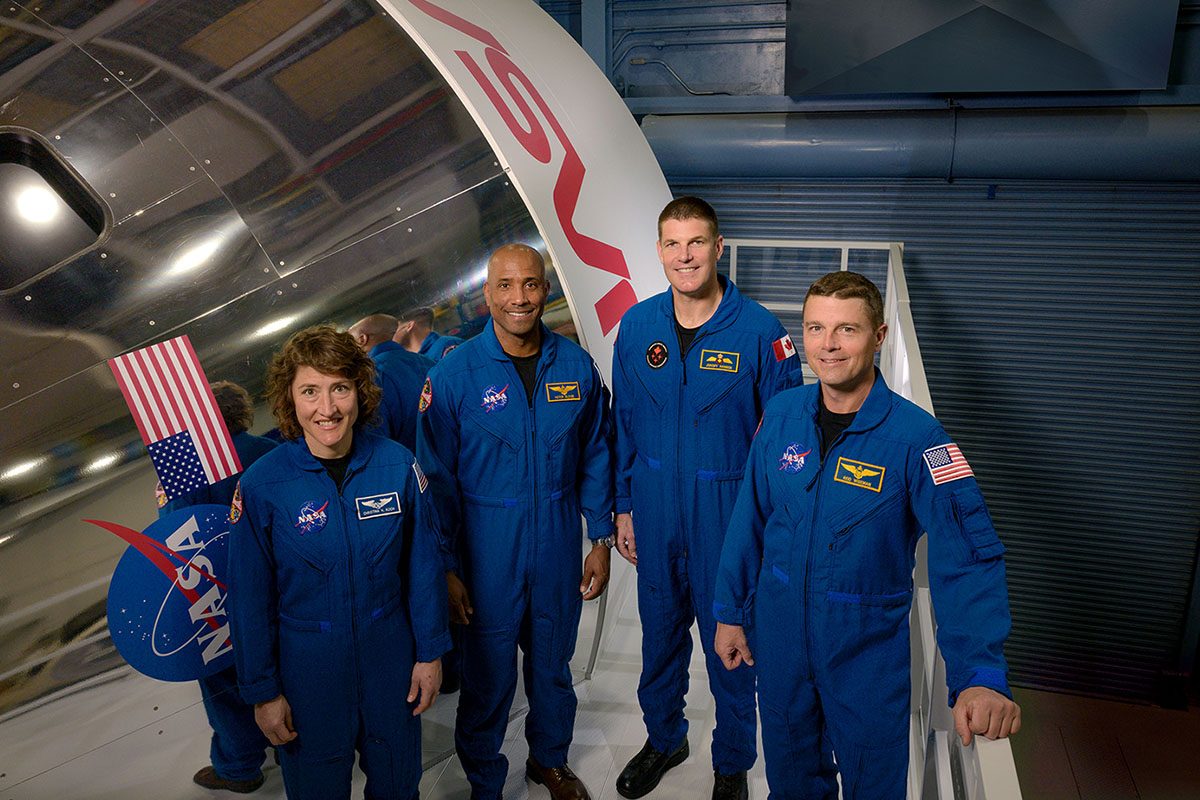
 Artemis II astronauts Reid Wiseman, Victor Glover, Christina Koch and Jeremy Hansen. Credit: NASA/James Blair
AVATAR
Humans didn’t evolve to withstand the extremes of space. We evolved to live on our warm, comfortable planet, shielded from the harsh radiation and temperatures that pervade once you venture beyond Earth orbit.
And there’s also the effects of microgravity to deal with. Without gravity pulling them firmly towards the floor of a spacecraft, astronauts quickly find their bones and muscles start to deteriorate.
That’s why astronauts on the International Space Station need to exercise for two hours a day, tethered to a treadmill, to prevent the negative effects of long-term weightlessness from taking hold.
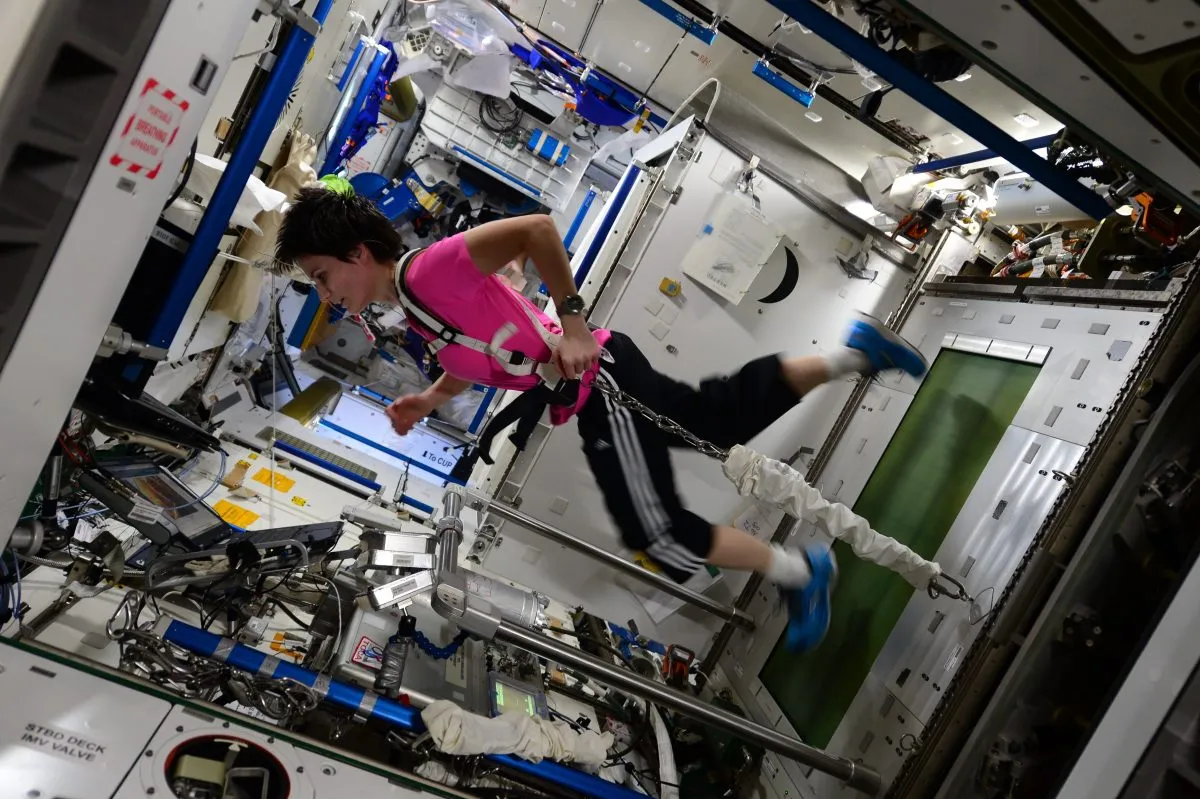 Astronauts on the ISS keep their body in shape with regular exercise. Here, harnesses keep ESA astronaut Samantha Cristoforetti’s feet firmly on the treadmill in zero gravity. Credit: ESA/NASA
AVATAR will use ‘organ-on-a-chip’ devices, also known as organ chips, to study how deep space affects the human body.
The Artemis II astronauts are embarking on a 10-day journey that will take them around the Moon and back, and they’ll be taking organ chips with them.
“This research, combined with other studies on the health and performance of Artemis II astronauts, will give NASA insight into how to best protect astronauts as exploration expands to the surface of the Moon, Mars, and beyond,” NASA says.
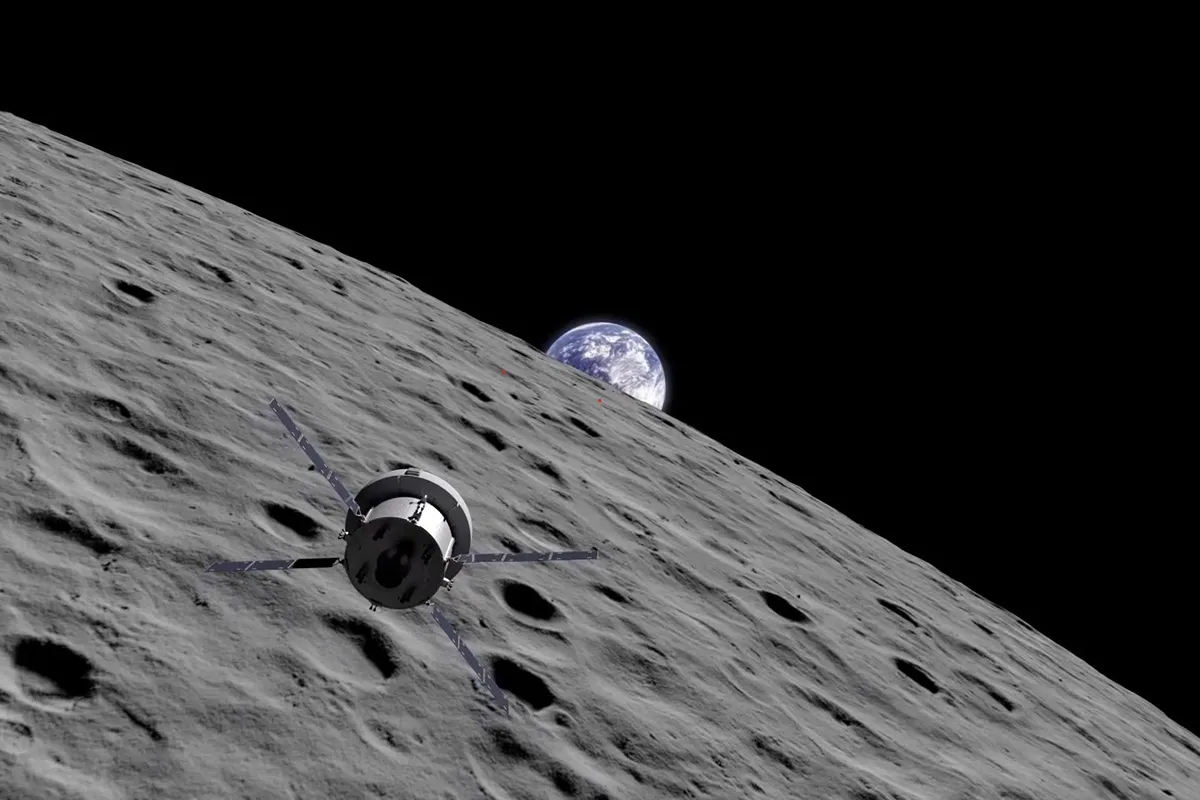 Illustration showing NASA’s Artemis II in orbit around the Moon. Credit: NASA
How AVATAR works
“AVATAR is NASA’s visionary tissue chip experiment that will revolutionise the very way we will do science, medicine and human multi-planetary exploration,” says Nicky Fox, associate administrator, Science Mission Directorate at NASA Headquarters in Washington.
“Each tissue chip is a tiny sample uniquely created so that we can examine how the effects of deep space act on each human explorer before we go to ensure we pack the appropriate medical supplies tailored to each individual’s needs as we travel back to the Moon, and onward to Mars.”
More on human spaceflight
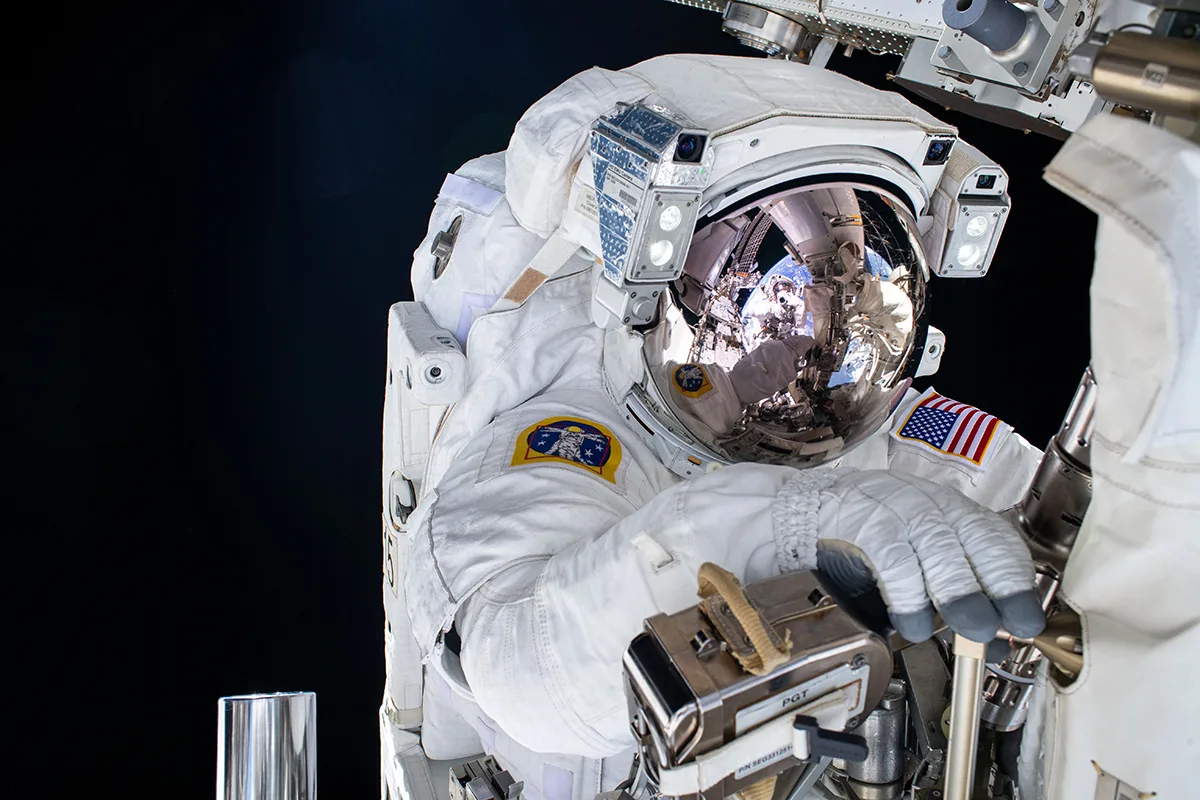 Credit: NASA
The organ chips are about the size of a USB thumb drive and contain blood-forming stem and progenitor cells – which originate in the bone marrow – donated by the Artemis II crew members.
These chips act like ‘avatars’ for human organs, and are used on Earth to help scientists understand how humans will respond to radiation or medical treatments.
They do so by modelling the structures and functions of organs like the brain, lungs, heart, pancreas and liver.
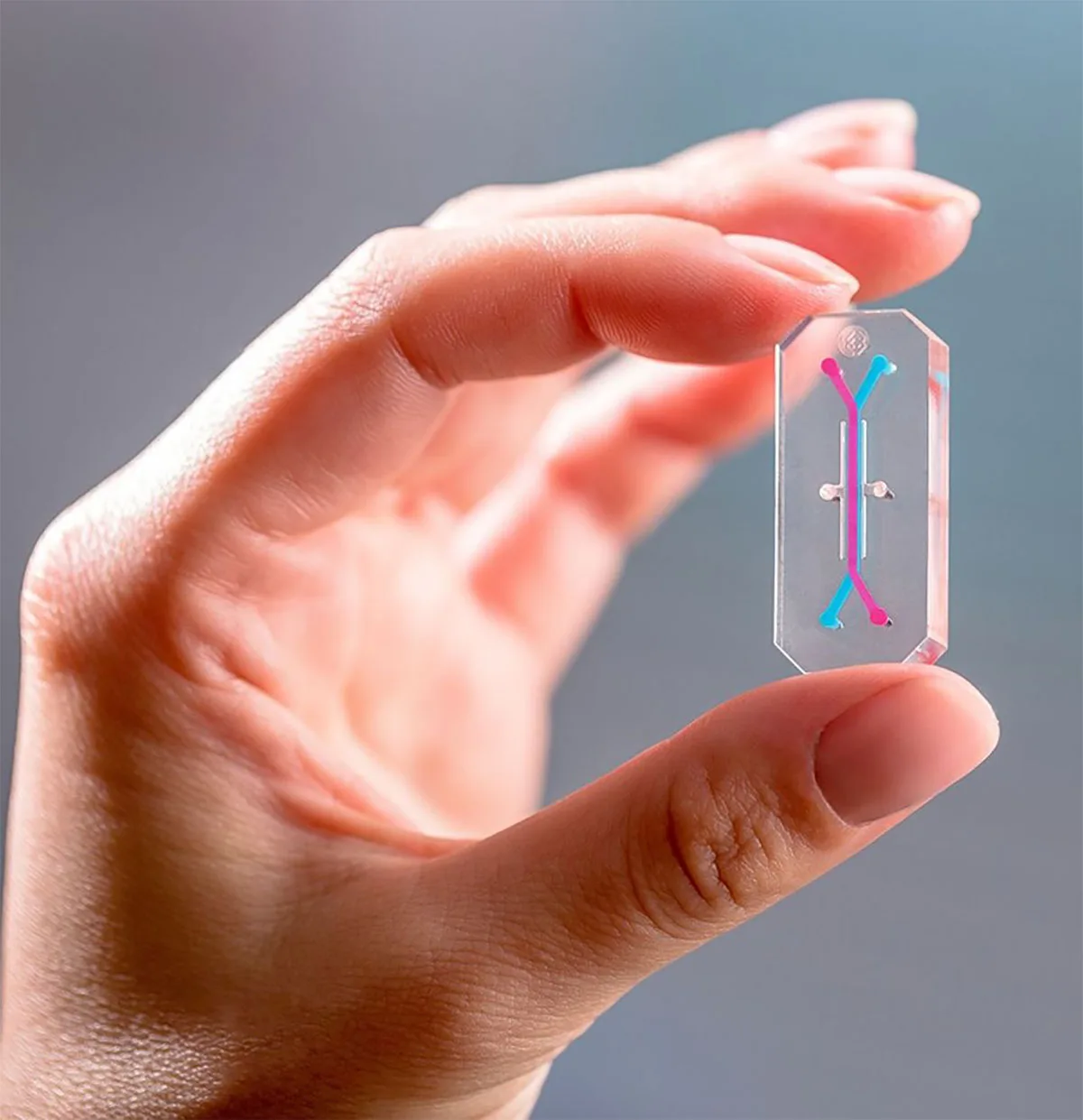 An organ chip like the ones that will be used during the AVATAR experiment on Artemis II. Credit: Emulate
For terrestrial medical purposes, organ chips keep human cells healthy for 30 days, but NASA wants to increase this to six months.
NASA says bone marrow is among the organs most sensitive to radiation exposure, which is a key danger of human spaceflight, and why it’s central to the AVATAR project.
The agency also says studies show microgravity affects the development of bone marrow cells.
And while astronauts on the Space Station are shielded from much of the cosmic and solar radiation by the Earth’s magnetosphere, the Artemis II crew will fly beyond our planet’s protective layer.
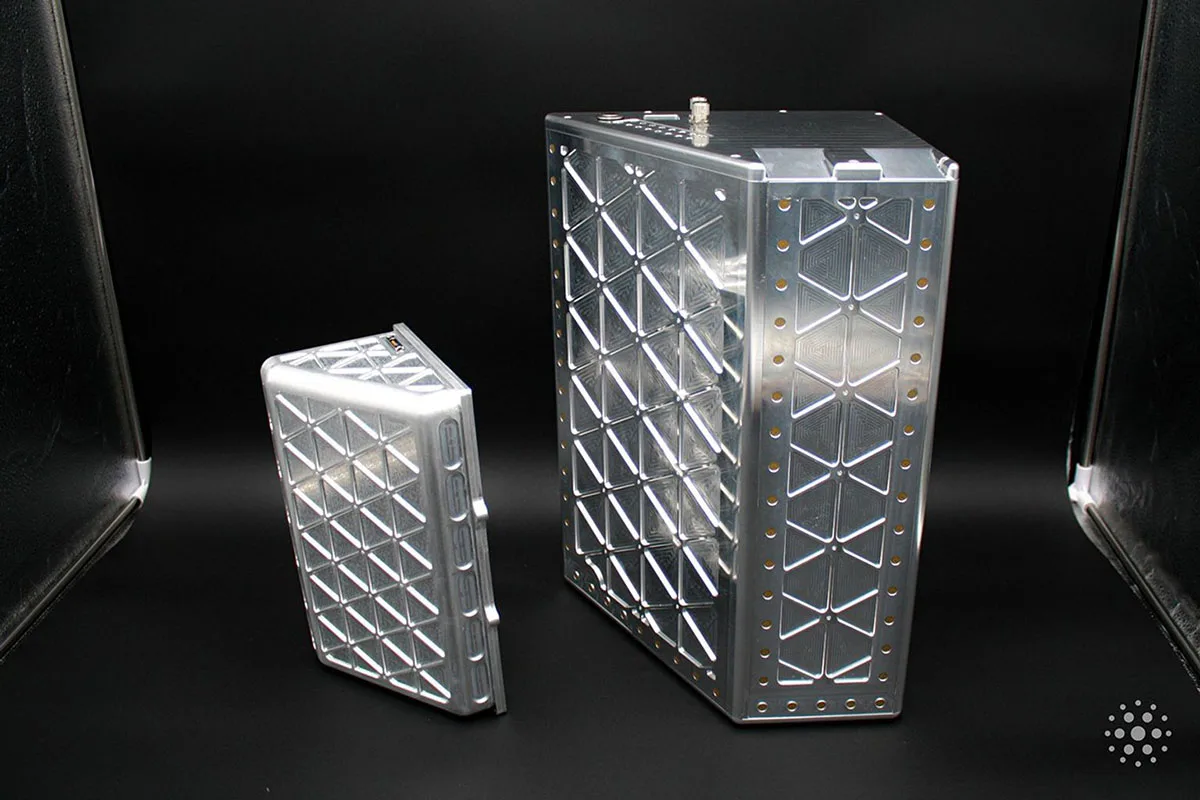 Organ chips will be taken onboard the Orion spacecraft throughout the Artemis II mission. Credit: Space Tango
Making the organ chips
Artemis II astronauts donate platelets that contain cells with a portion of stem and progenitor cells from their bone marrow.
NASA-funded scientists at Emulate Inc. – a US biotechnology company – then purify these cells and place them in the chips next to blood vessel cells and other cells, and these are taken onboard during the Artemis II mission around the Moon and back.
During Artemis II, the chips will be inside the Orion capsule during the mission.
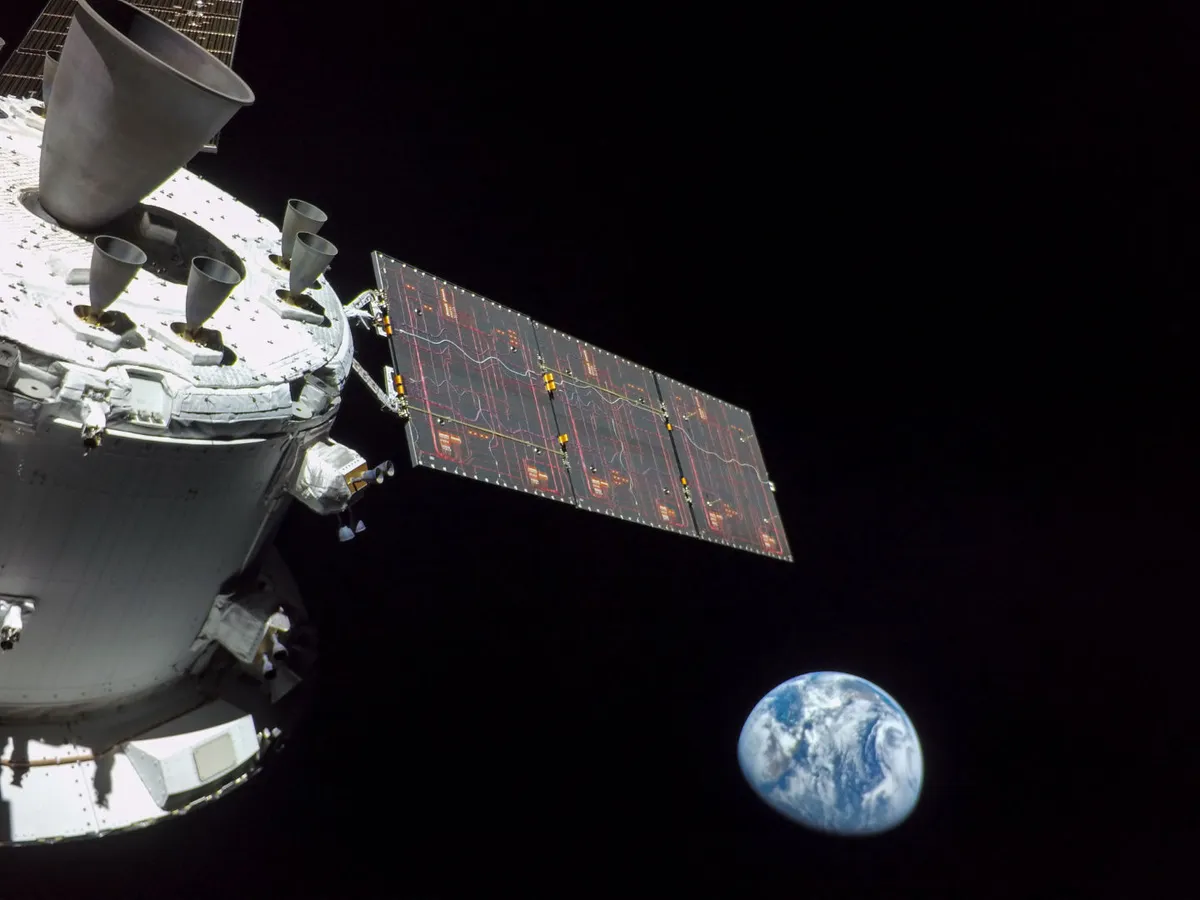 Earth and the far side of the Moon, captured by the Orion capsule during the Artemis I mission, 16 and 21 November 2022. During Artemis II, the Orion capsule will contain organ chips as part of the AVATAR project. Credit: NASA
Once back on Earth, scientists will examine how spaceflight affected the cells and compare data with crew cells that remained on Earth.
It’s hoped this will reveal how the journey beyond the Moon and back has affected the human body.
“For NASA, organ chips could provide vital data for protecting astronaut health on deep space missions,” says Lisa Carnell, director of NASA’s Biological and Physical Sciences division at NASA Headquarters.
“As we go farther and stay longer in space, crew will have only limited access to on-site clinical healthcare. Therefore, it’ll be critical to understand if there are unique and specific healthcare needs of each astronaut, so that we can send the right supplies with them on future missions.”