

 (Image Credits: Pinterest) The TikTok vortex may have already convinced you that the secret to a thicker hairline is simmering in a pot of rosemary tea on your kitchen stove. It’s an easy sell: the fragrant, Mediterranean steam, the glass spray bottle, the promise of “nature’s Minoxidil” without the chemical baggage. But as the morning sun hits that widening partition in the bathroom mirror, the question remains: are we actually growing hair, or are we just marinating our insecurities?The Great Indian Kitchen Lab In the high-velocity social life of 2026, where a receding hairline feels like a public confession of “cortisol stress,” the search for a cure has moved from the pharmacy aisle to the vegetable tray. We are no longer just looking for follicles; we are looking for a version of ourselves that isn’t tethered to a chemical subscription.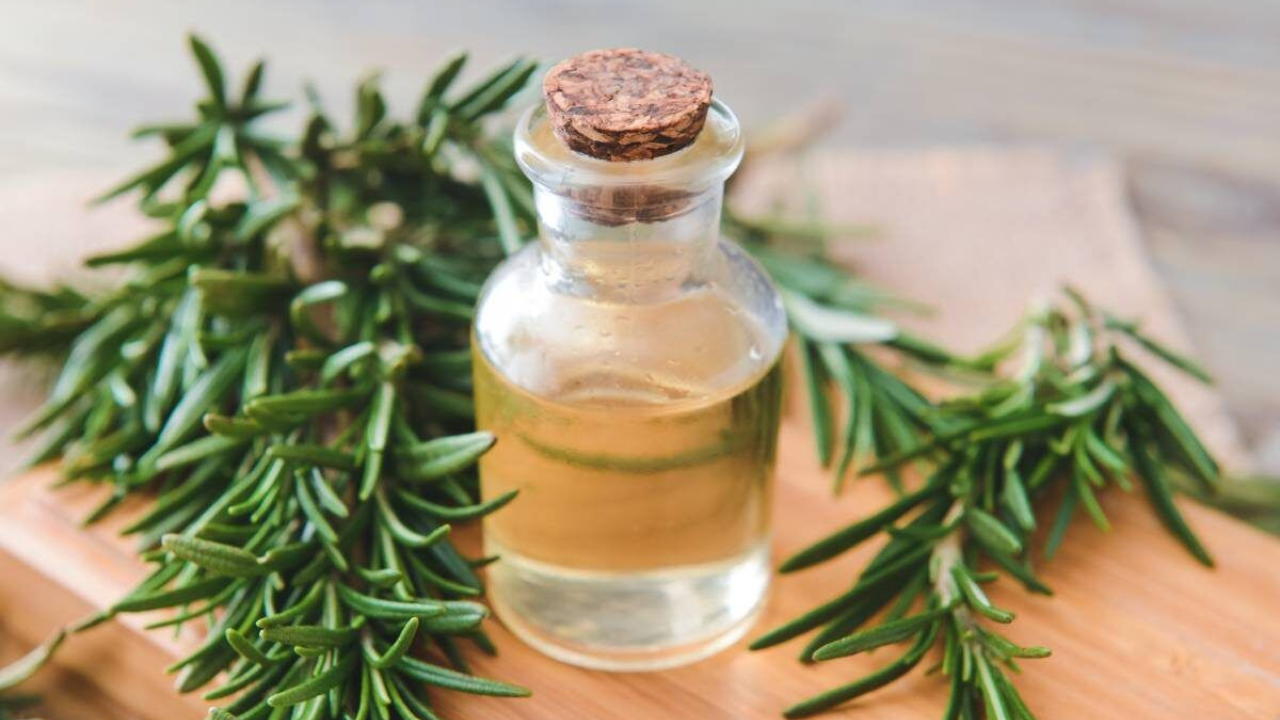
(Image Credits: Pinterest)
There’s a specific kind of intimacy in the modern DIY scalp ritual. It feels grounded, almost like an act of defiance. For years, the gold standard was a clinical foam in a pressurized canister—Minoxidil. It worked, but it came with a “hostage clause.” The moment you stopped, the hair you’d carefully farmed for months simply walked away within weeks. The shift to rosemary water is a reaction to that dependency. In a world of AI-generated perfection, boiling a plant and rubbing it on your head feels remarkably, stubbornly human.
How to know if your hair fall is normal?
The 2% Reality Check The science behind the rosemary hype is a bit of a trick mirror. Everyone cites the famous 2015 study, but that trial was about the oil, not the “water” currently bubbling on Gurgaon stoves. It was a concentrated extract, rich in carnosic acid, tested against a 2% dose of Minoxidil. Here lies the friction. Most of the men in corporate India aren’t using the 2% “junior” dose. They are on the 5% heavy-hitters—the clinical equivalent of a megaphone. Rosemary water, by comparison, is a soft, fragrant whisper. It is antioxidant-rich and anti-inflammatory, yes. It makes the scalp feel cool, and the room smells like a Sunday roast. But it isn’t the pharmacological sledgehammer that advanced thinning often requires.The ‘Hostage’ Clause Why do we choose the plant over the pill? Perhaps because the “dread shed” of the pharmacy version—that terrifying few weeks where your hair falls out even faster before it grows back—is a psychological price many aren’t willing to pay. Or maybe it’s the flaking. Minoxidil can turn a scalp into a dry, itchy desert; rosemary, meanwhile, treats it like a garden.From hibiscus to lavender: Floral tea rinses you can use at home for faster hair growthThe choice feels like a fundamental philosophy for 2026. Do you want the loud, jarring alarm clock that is guaranteed to wake you up (Minoxidil), or the slow, natural sunrise that might just leave you sleeping in (Rosemary)?The After-Image The reflective pause usually happens in the produce section of the supermarket. You stand there, weighing a ₹40 bunch of herbs in your hand, wondering if you are being “holistic” or just delusional.You look at the partition in the mirror—the widening “V” that seems to mock your best intentions. You know that if you go back to the chemical foam, you are signing a lifelong contract. If you stay with the rosemary, you are betting on a miracle that hasn’t quite been proven in a kitchen pot.5 natural homemade toners for dry and dull skin in winterThe amber spray bottle goes back on the shelf, next to the half-used serums and the mundane toothbrushes. The scalp feels cool—not the stinging, clinical chill of the pharmacy canister, but a soft, herbal hum. The hairline hasn’t moved much, but the ritual continues. We keep boiling the leaves, checking the drain for fallen strands, and betting on the green. Sometimes, the ritual is the only thing we actually own.