
Petrol (PMS) supply rose from 71.5 million litres/day in November to 74.2 million litres/day in December, while consumption averaged 63.7 million litres/day.
Cooking gas (LPG) supply averaged 5,201 metric tonnes/day, comfortably above consumption of 4,380 metric tonnes/day.
Retail LPG prices ranged between ₦1,120 and ₦1,600 per kilogramme, equivalent to $0.77–$1.10/kg.
Fuel Sufficiency Gains, Refinery Performance
![An attendant dispenses fuel into a vehicle's tank at a fuel station in the Maryland district of Lagos, on September 8, 2020. [Photo by PIUS UTOMI EKPEI/AFP via Getty Images]](data:image/svg+xml;charset=utf8,%3Csvg%20xmlns%3D'http%3A%2F%2Fwww.w3.org%2F2000%2Fsvg'%20width%3D'790'%20height%3D'445'%20data-ring-placeholder%3D'1'%3E%3C%2Fsvg%3E "An attendant dispenses fuel into a vehicle's tank at a fuel station in the Maryland district of Lagos, on September 8, 2020. [Photo by PIUS UTOMI EKPEI/AFP via Getty Images]")
National stock sufficiency improved significantly, with petrol reserves rising from 16.65 days in November to 29.2 days in December. Diesel sufficiency averaged 25 days, aviation fuel 20 days, and LPG 8 days.
The NMDPRA noted: “Days sufficiency stock was boosted by 77% between November and December 2025 due to improved supply performance by DPRP, NNPC, and OMCs.”
State-owned refineries in Port Harcourt, Warri, and Kaduna remained shut down, though Port Harcourt evacuated residual diesel produced before May 2025.
Among modular refineries, Edo Refinery led with 85.43% utilisation, followed by Waltersmith at 63.24% and Aradel at 53.89%. OPAC and Duport remained idle.
Gas Sector Strength, Fuel Prices
Nigeria’s domestic natural gas supply averaged 4.787 billion standard cubic feet/day, with 2.912 Bscf/day supplied to NLNG and 1.875 Bscf/day to the domestic market.
Gas-to-power utilisation stood at 0.586 Bscf/day, while gas-based industries consumed 0.430 Bscf/day.
Indicative petrol pump prices in December averaged ₦832.31–₦900.49/litre, equivalent to $0.57–$0.62/litre.
Actual pump prices varied, with Lagos at ₦861/litre ($0.59), Abuja at ₦893/litre ($0.61), and Kano at ₦952.50/litre ($0.66).
Strategic Outlook
The NMDPRA emphasised that the data reflects Nigeria’s energy transformation: “This verified data underscores Nigeria’s strategic transformation in the energy sector, emphasising reduced imports, strengthened domestic production, job creation, safety improvements, and economic stability.”
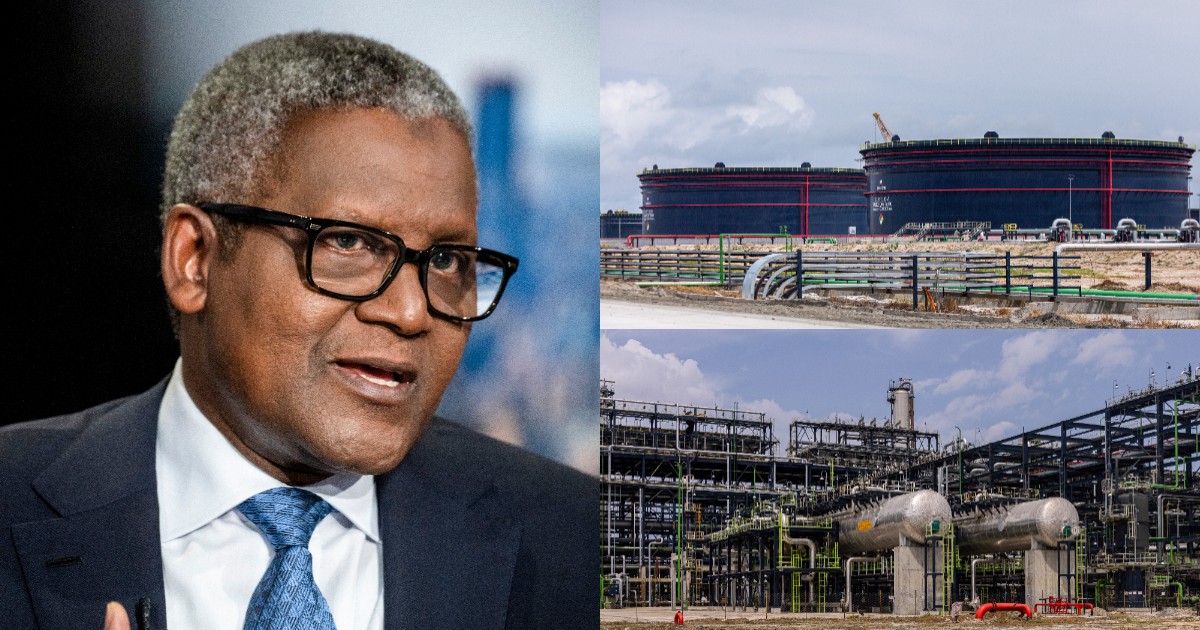
With Dangote Refinery ramping up and Waltersmith’s Train 2 set to introduce hydrocarbons in January 2026, Nigeria is positioning itself for greater energy independence.